Full Day Lamington National Park Photography Workshop

Rays of light in rainforest

Saturday 13th June 2020

SORRY - FULLY BOOKED!


Where:

O’Reilly’s Rainforest Retreat, Lamington N.P. - Queensland

When:

Saturday 13th of June 2020

Price:

Discount Offer

$195 (plus GST)
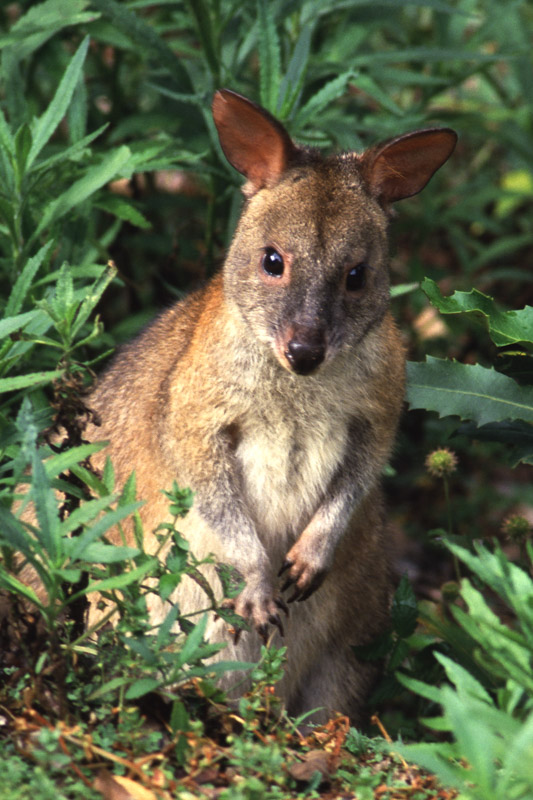
Red-necked Pademelon

Contact Michael Snedic directly
on +61 408 941 965

During this full day workshop, Michael will give group presentations as well as one-on-one tuition to participants.  He will explain a variety of digital camera functions, teach you how to use these functions correctly and discuss different photographic techniques that will allow you to take better photos.

Lamington National Park is home to some beautifully-coloured birds, including Satin and Regent Bowerbirds, Albert’s Lyrebirds, Noisy Pittas, King Parrots, Eastern Yellow Robins, Crimson Rosellas and many more.

In our first session, Michael will show you how to get the best out of your camera. This will be followed by a bird photography technique session.

After morning tea, we will head out for a session on macro photography, followed by lunch.

The last session covers landscape and rustic farm photography from Luke’s Farm, overlooking the stunning Kerry Valley below. It is a great way to finish a rewarding day - one that has been full of learning new photographic techniques, lots of hands-on practice, in the company of like-minded people and in a beautiful natural setting.
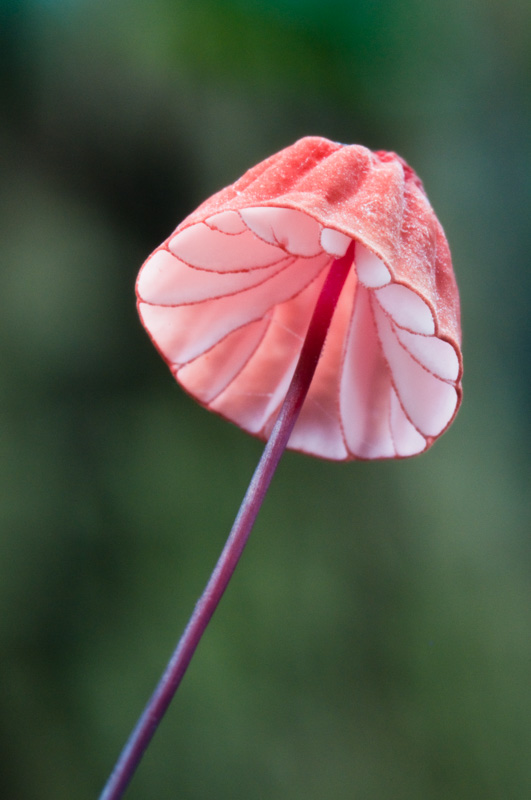
Rainforest fungi

Itinerary:

  • 8:30AM – Meet at O'Reilly’s Rainforest Retreat “Bird Feeding Area” (just below reception)
  • Introduction and camera settings discussed
  • Bird Photography
  • Morning Tea break
  • Rainforest trek (includes macro tuition)
  • Lunch break - Gran's Cafe takeaway or bring your own
  • Landscape and rustic farm photography overlooking, the valley from the stunning mountain top at Luke's Farm
  • 4pm - Finish


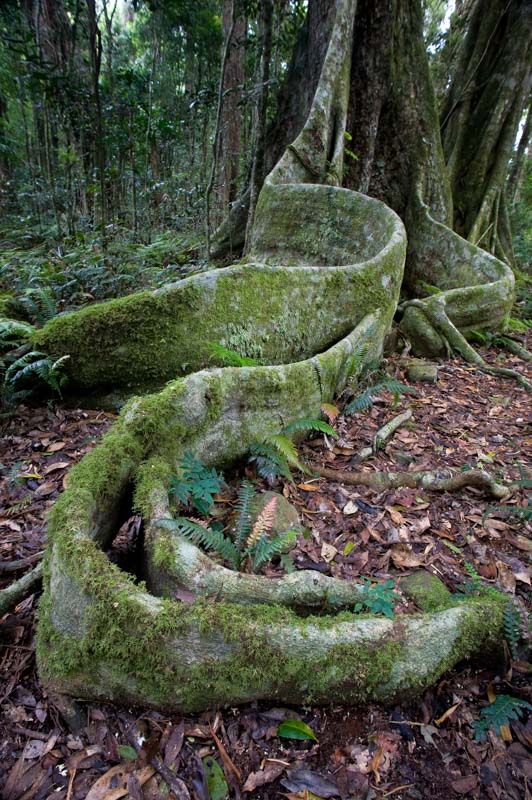
Black Booyong buttress roots

Accommodation:

If you would like to make a weekend out of it, you can contact O’Reilly’s Rainforest Retreat Reservations on 1800 688 722 to make your accommodation booking.
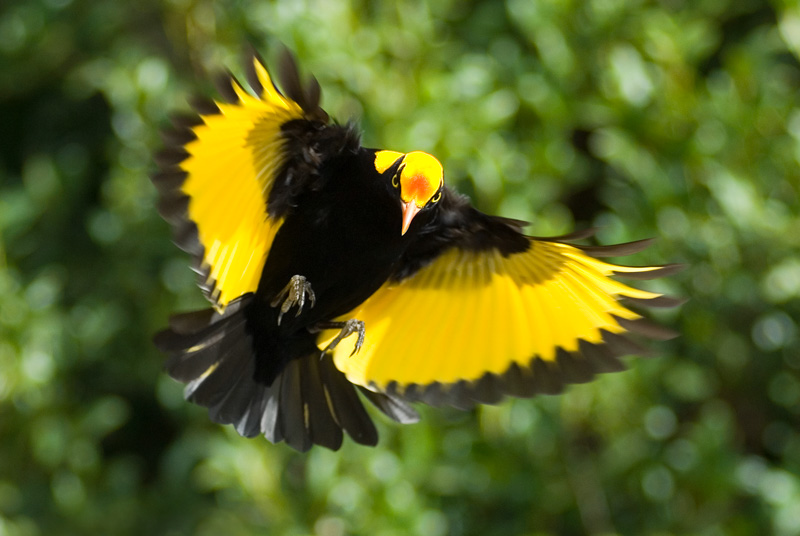
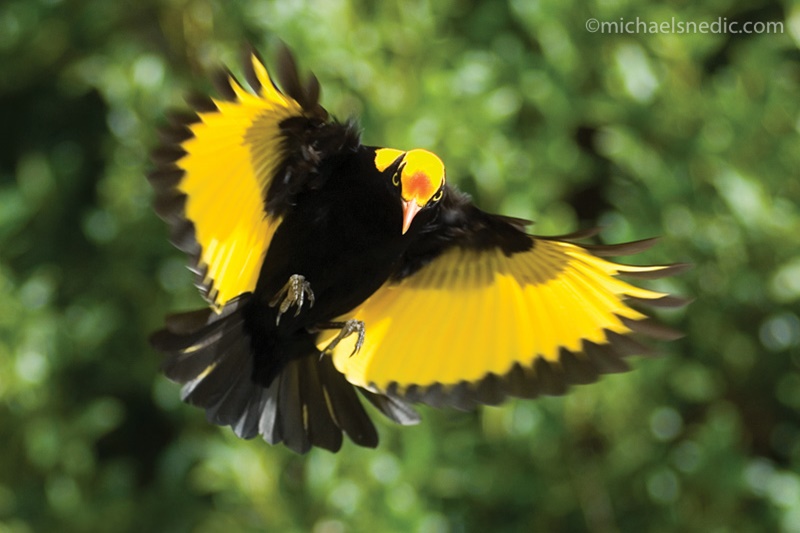
Regent Bowerbird

How to book:

For more information on this workshop or to book your place, please contact Michael on +61 408 941 965 or by using the contact form.

Leaf-tailed gecko

Michael’s Lamington/O’Reilly’s Experience: 

Michael worked in Lamington National Park for many years (and lived at O’Reilly’s Rainforest Retreat for 5 of those years). He knows both sides of the park exceptionally well (O’Reilly’s and Binna Burra) and is one of the most qualified people to show you where the best photographic subjects are and the most photogenic locations. Michael has been presenting this workshop at O'Reilly's for the past 14 years!
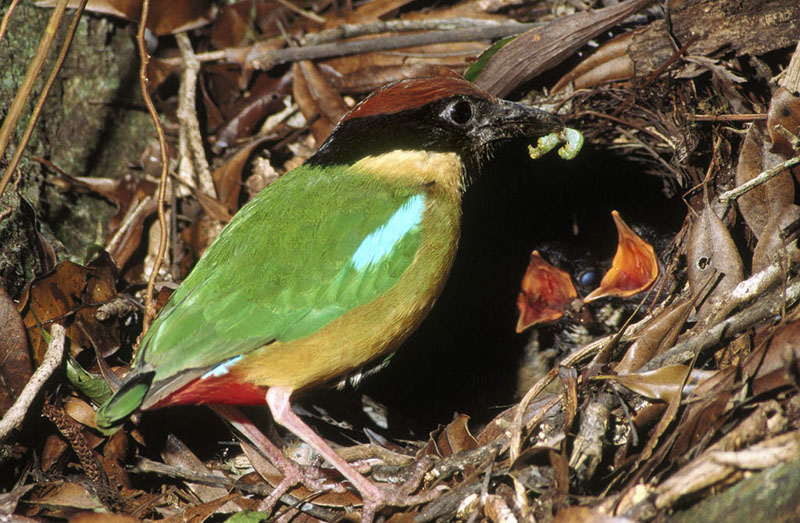
Noisy Pitta with chicks

Ipswich Photographic Society Photo Convention

Ipswich Photographic Society Photo Convention

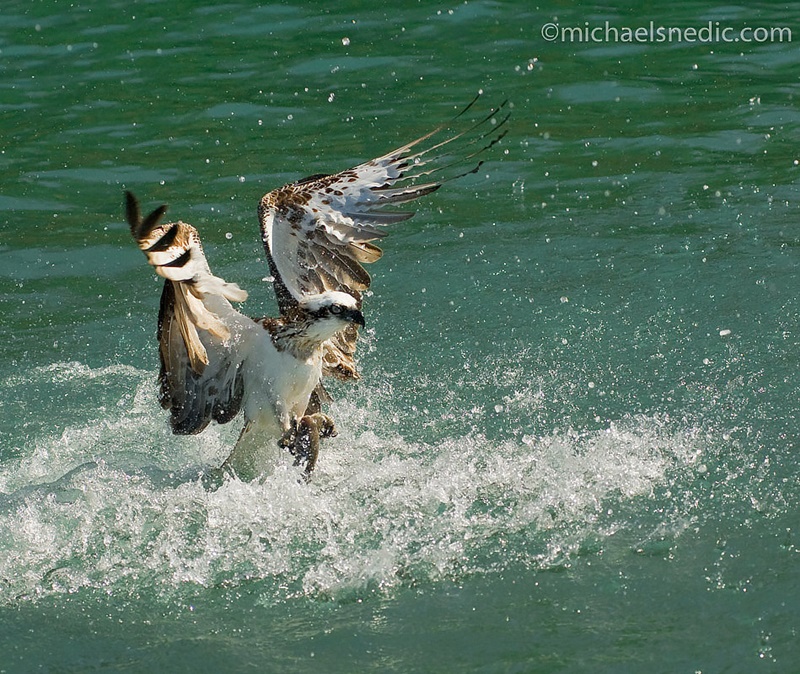
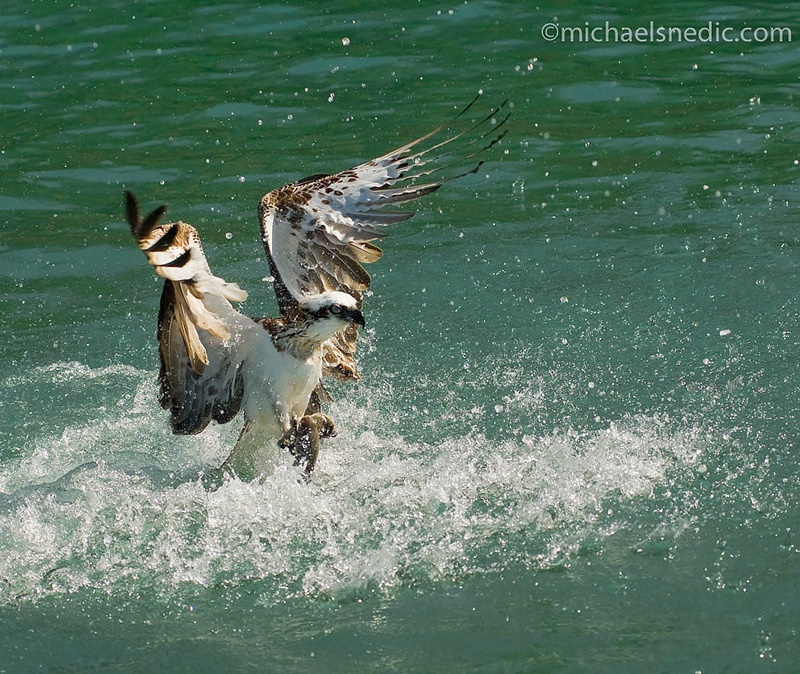
osprey with fish

When: Saturday the 17th of September 2016

Would you like to spend a day learning how to take better photos? Ipswich Photographic Society are hosting a one day Photography Convention, where Michael Snedic is one of the Guest Presenters. He will be presenting an audio-visual on wildlife and nature photography, using lots of new images, plus a few of the iconic ones such as the osprey catching a fish (featured on right). Apart from my talk, there will be a series of other speakers as well as hands-on workshops.

Michael will also be setting up a trade stall, along with others in the photographic industry. If you are attending the convention, why not come on over and say hi? Just look for the WILDNATURE PHOTO EXPEDITIONS table and Michael will be there.

For more information on the IPS Photo Convention, or to purchase a ticket, simply click on the link HERE.

How to Track a Moving Subject with Your Camera

How to Track a Moving Subject with Your Camera

Regent Bowerbird in flight | How to track a moving subject with your camera

When you are tracking fast-moving animals with your SLR, I suggest setting it to continuous-servo AF (auto-focus). As you follow your subject, partially depress the shutter button. This keeps focus on the moving subject and when you feel the time is right, press the button. Without this feature, it is a lot more difficult to focus on your subject just before taking the photo. I also suggest using the continuous HS (high speed) setting on your SLR. This enables you to capture a full sequence of movement in a series of photos without having to press your shutter button repeatedly. Depending on the camera you own, your frames per second using this setting can vary. If something is happening in front of you and you don’t have time to adjust the settings on your camera I recommend using the automatic “sports” mode (the universal symbol for this setting is a figure running). This allows you to follow the action and press the button without having to think about what the correct settings are.

If your aim is to photograph small frogs or lizards, it’s best to use the macro setting on your compact camera or a dedicated macro lens on your SLR camera. This enables you to focus at a close distance and fill the frame with your subject. Position yourself as close to eye-level as possible and focus on the animal’s eyes. Then wait for that moment when there is some movement or interaction and quickly press the shutter. With wildlife behaviour you can’t predict what will happen and when it will happen. To me, this is what makes it so exciting and challenging.

Many animals are shy and won’t act naturally in close proximity to humans. You will therefore need to use a zoom or telephoto lens with a decent focal length. If you would like to photograph birds in flight a long lens is again essential. If the budget allows, it is worth purchasing a fast-focusing lens. It will allow you to track the animal much more easily and will give you more chance at firing off a sequence of shots.

If you have a passion for African wildlife, nature or travel photography and would love to go on a specialised small-number, professional African photo safari, please get in touch with Michael Snedic at WildNature Photo Expeditions. You can call him on 0408 941 965 or fill in this Contact Form and he will get back to you ASAP.

Photographic Tips and Techniques

Photographic Tips and Techniques

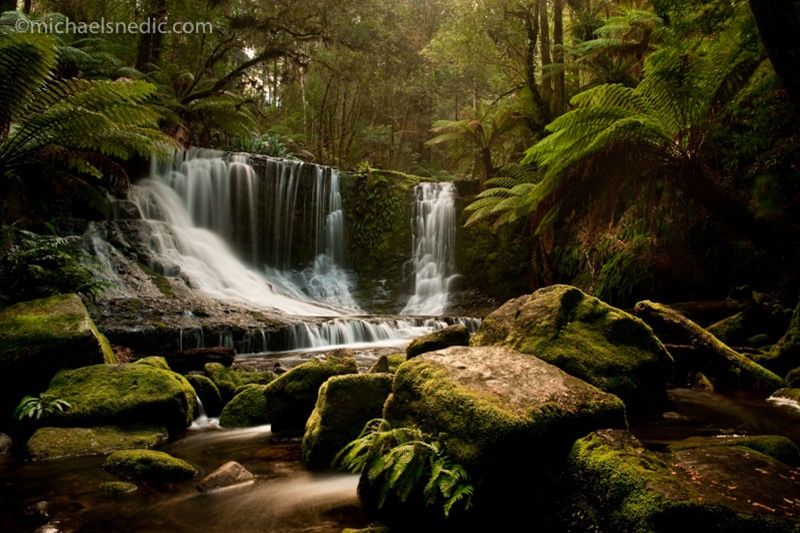
Horseshoe Falls - Mt Field N.P. - Tasmania | Photographic Tips and Techniques

Below are some photographic tips and techniques, to help you take better images:

#1 Overcast weather is best for rainforest photography

  • Overcast weather creates subtle, diffused lighting which makes for nicer images of rainforests
  • It creates less contrast on cloudy days as compared to shadows and harsh light that is produced on sunny days

#2 Which setting is best? Jpeg or RAW?

  • This refers to the ‘quality’ setting on your digital camera.
  • RAW is always preferred rial
  • RAW gives you more ability to change the exposure and white balance of an image in post-processing, than does a Jpeg image.

Humpback Whale breaching | Photographic Tips and Techniques#3 Why shooting with your widest aperture is best for wildlife images
  • Widest aperture (or F-stop) means the smallest number but widest opening
  • When you are hand-holding a larger lens, using the widest aperture your lens gives a higher shutter speed and less chance of creating a blurry image
  • It creates a nicer, blurred-out background

#4 Get to know your camera really well

  • Get to know your camera settings well, so that when a situation presents itself, you are ready to take press the shutter, rather than struggling with the camera’s settings.
  • If you spend valuable time trying to work out how to best change the camera’s settings, it’s easy to easily miss that special moment.

#5 Spend time observing wildlife behavior

  • Observing wildlife behavior is a very important part to capturing great behaviour or ‘action’ shots. Watching an individual animal beforehand, often helps you preempt any possible behaviors that may occur. You can then be ready to press the shutter.
  • Capturing great sunrise and sunset images with a tripod and remote
  • When photographing a sunrise or sunset, the ambient light will be low. Hand-holding will result in blurry images.
  • A sturdy tripod will minimise movement of the camera and lens
  • By using a remote or cable release, it also helps minimise any movement caused by physically pressing the shutter button with your finger, especially in very low light conditions created by sunrises and sunsets.

If you have a passion for African wildlife, nature or travel photography and would love to go on a specialised small-number, professional African photo safari, please get in touch with Michael Snedic at WildNature Photo Expeditions. You can call him on 0408 941 965 or fill in this Contact Form and he will get back to you ASAP.

Thinking Outside The Box – A New Way To Take Photos

Thinking Outside The Box – A New Way To Take Photos

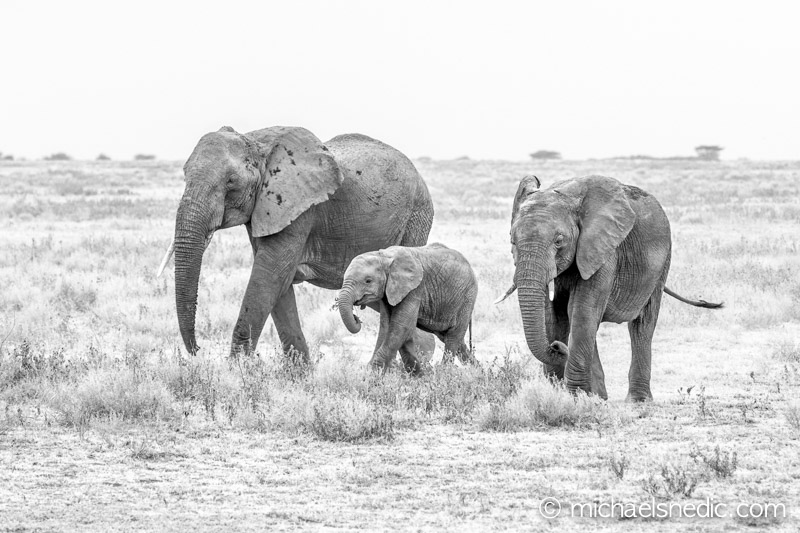
Elephants - Tanzania - Africa

In photography, it is important to know your camera, as well as the best settings to use. Another very important part of photography is ‘seeing’ the shot and then executing it.

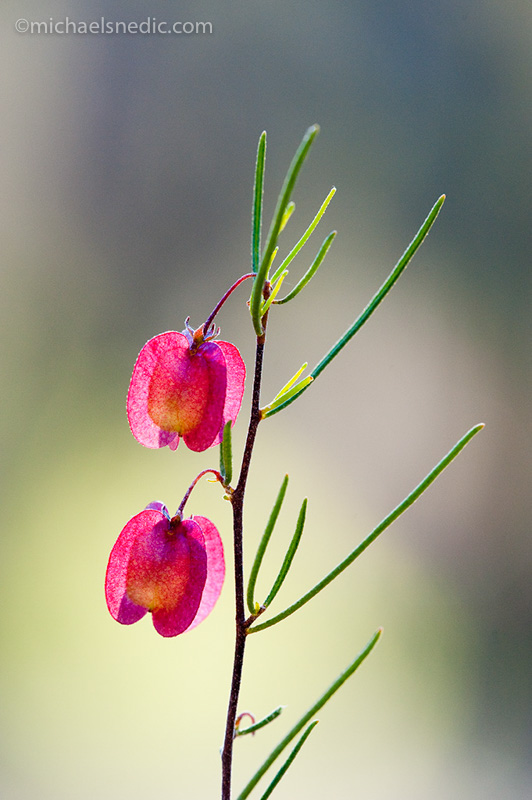
Thread-leafed Hop BushThere are lots of images out there, many with average composition. They look okay but if you want something more, something different, then it may be time to ‘think outside the box‘, as the old saying goes. A shot of a flower, for example, has been placed dead-centre of the frame. It is colourful, the image is sharp and the background blurred. Yes, it’s a decent image but it doesn’t have that WOW factor. One suggestion may be to compose the flower off-centre and then move around so that the sun is in front of you, behind the flower, creating a lovely backlighting.
With landscapes, try picking a shot that you really like. Crop it into a pano, then create a black and white version. Same image, totally different perspective. You may be quite surprised by the results….

I regularly put my camera to my eye, walk around and try different compositions and angles. Zoom in, zoom back out, turn you camera to portrait, try different lenses. A composition that you may never have thought possible, suddenly works and you have THE shot!

Don’t be afraid to try things that are ‘outside the box’ when taking photos. You never know what ‘corker’ you will come up with…

If you have a passion for African wildlife, nature or travel photography and would love to go on a specialised small-number, professional African photo safari, please get in touch with Michael Snedic at WildNature Photo Expeditions. You can call him on 0408 941 965 or fill in this Contact Form and he will get back to you ASAP.

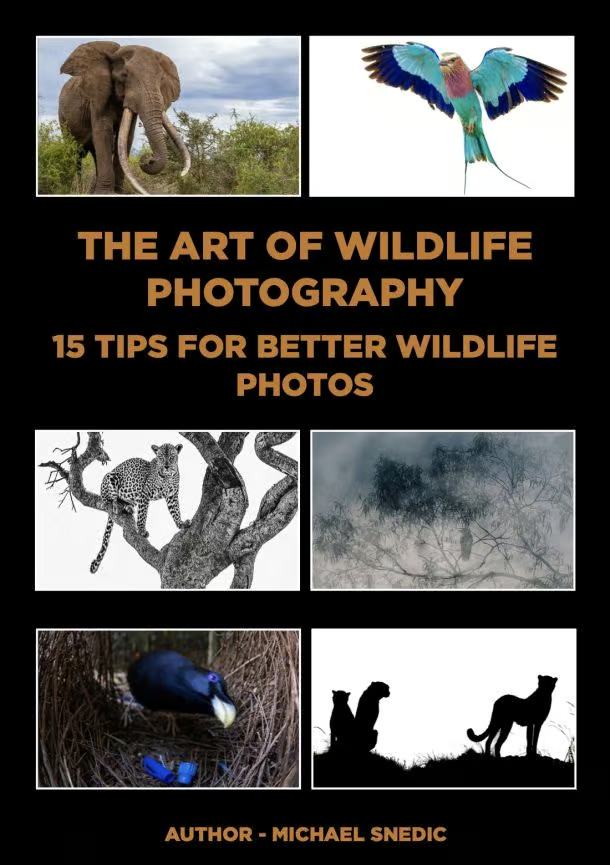
Would you like a FREE copy of my new Ebook?

Download Button

ebook The Art of Wildlife Photography by Michael Snedic July 2026 cover

You have Successfully Subscribed!