2 Day Bunya Mountains Bird Photography Workshop – Queensland

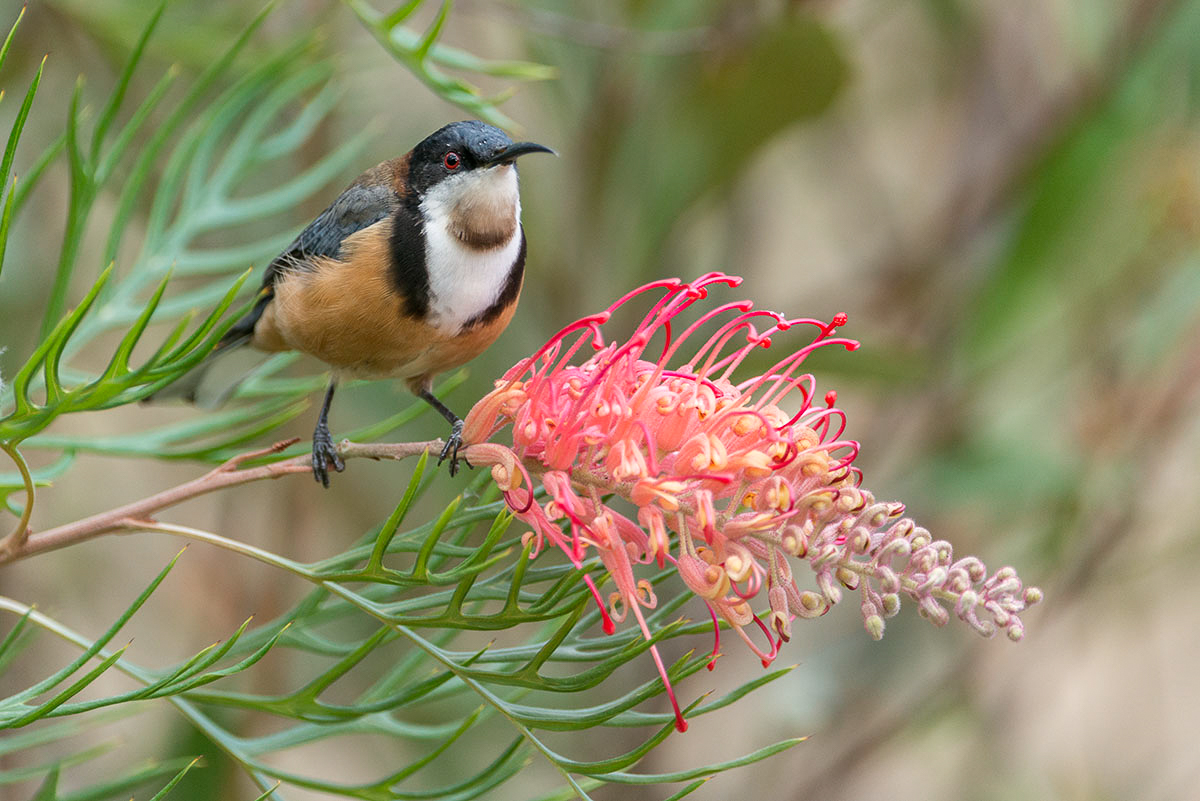
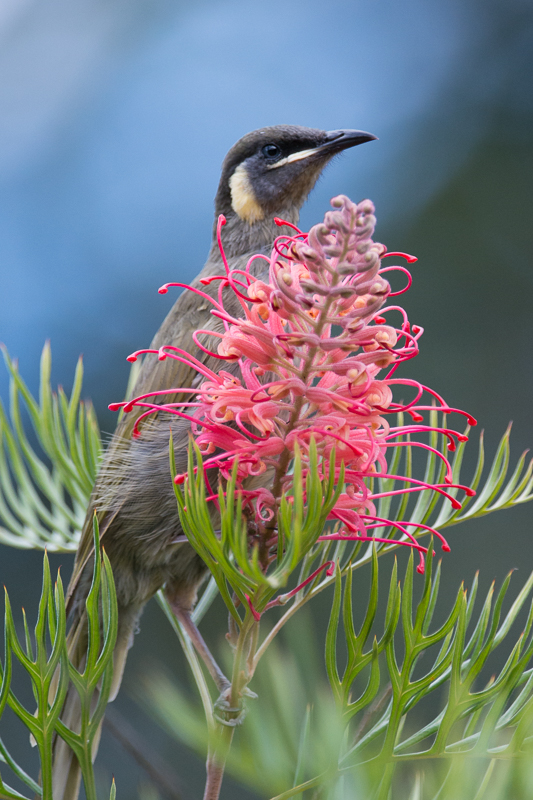
Eastern Spinebill

Date: Monday 2nd and Tuesday 3rd of November 2026

Come and spend two days in Queensland’s beautiful Bunya Mountains region, photographing the many species of birds found there in spring.

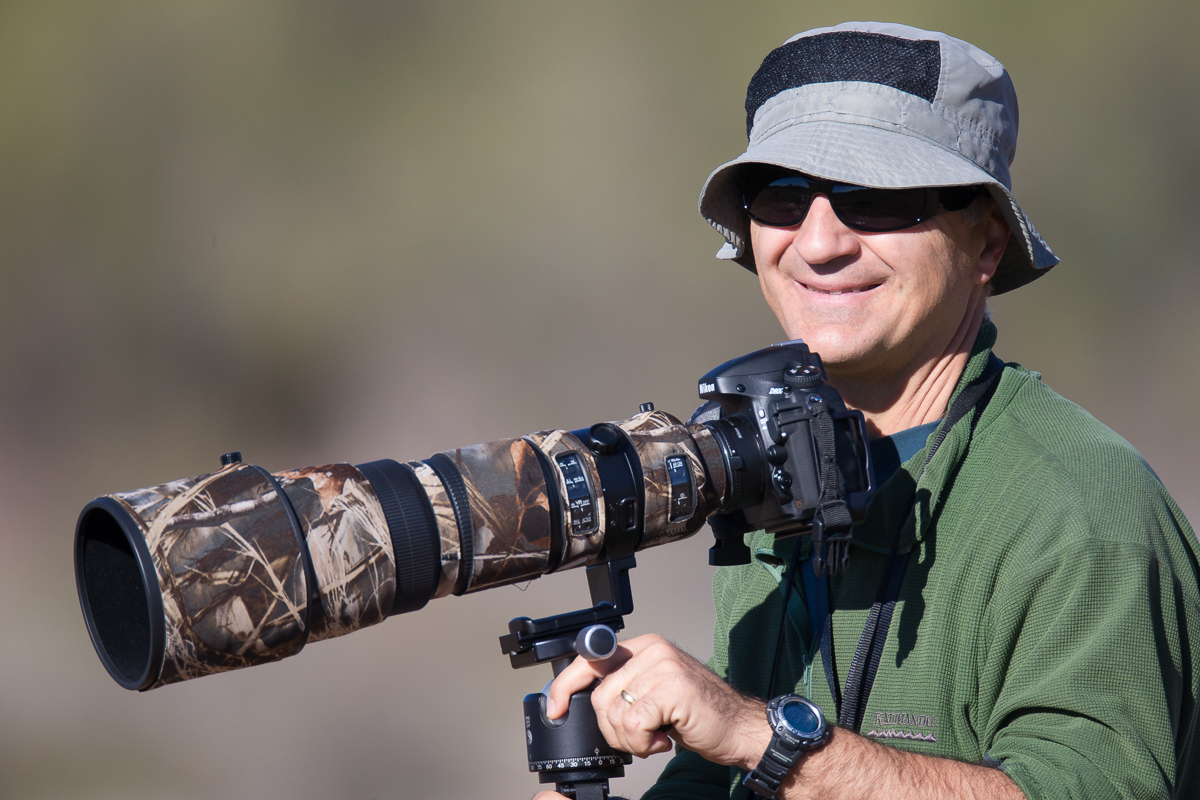
The workshop is hosted by professional wildlife photographer and tutor, Michael Snedic.

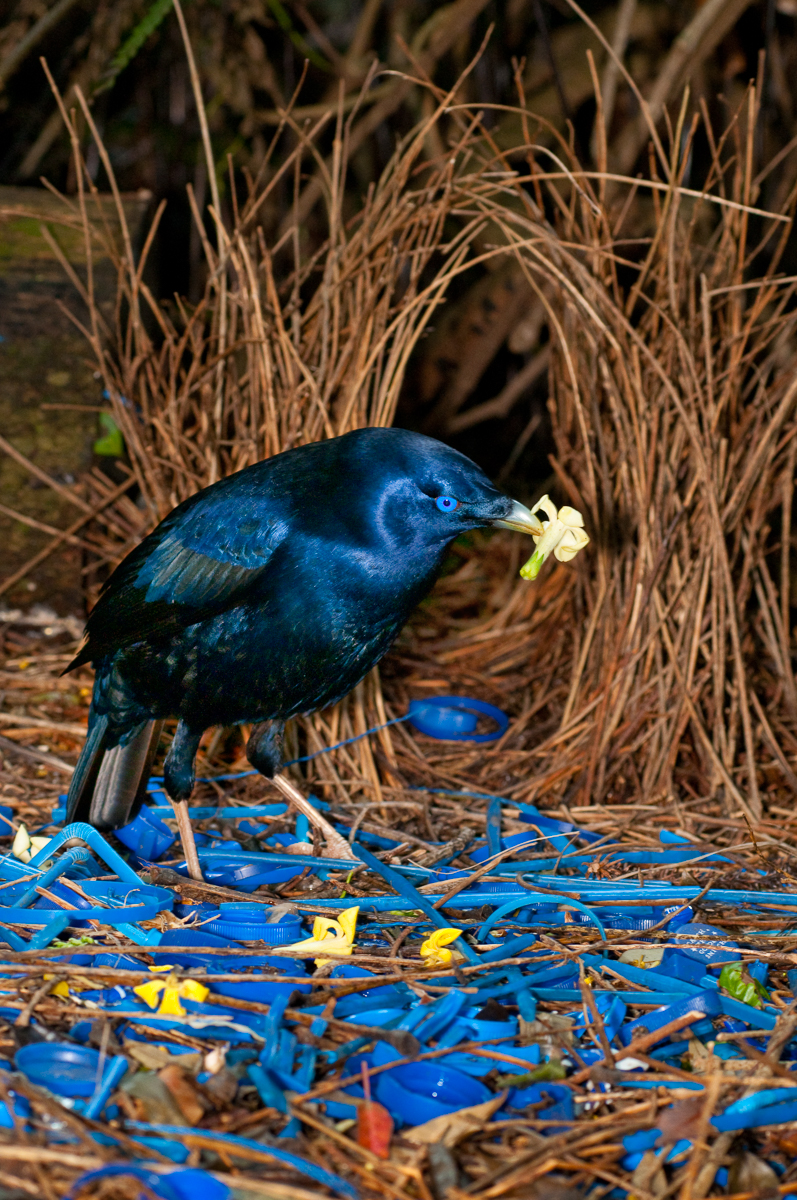
satin bowerbird

Where:

Bunya Mountains - Queensland

When:

Monday 2nd and Tuesday 3rd of November 2026

Time:

7am start on Monday with a 4pm finish

7am start on Tuesday with a 2pm finish

Price:

$695 (plus GST) 

(Does not include accommodation and meals - please see below.)
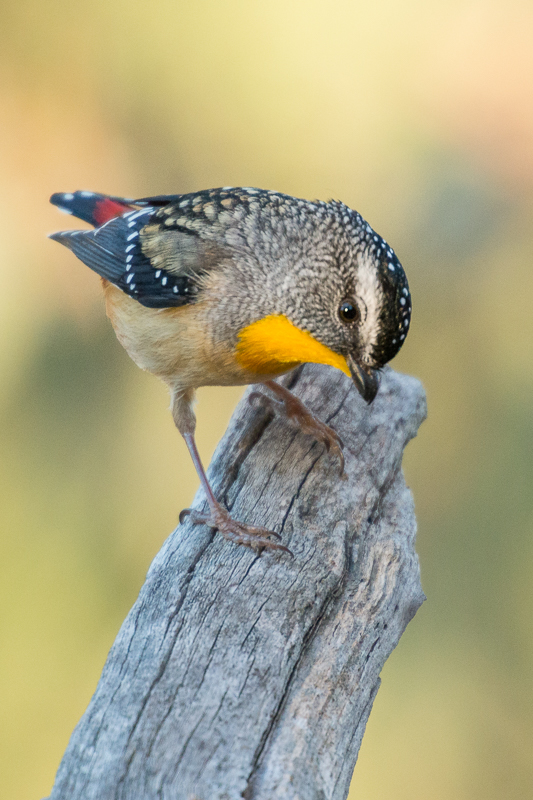
Spottd Pardalote

Contact Michael Snedic directly
on +61 408 941 965

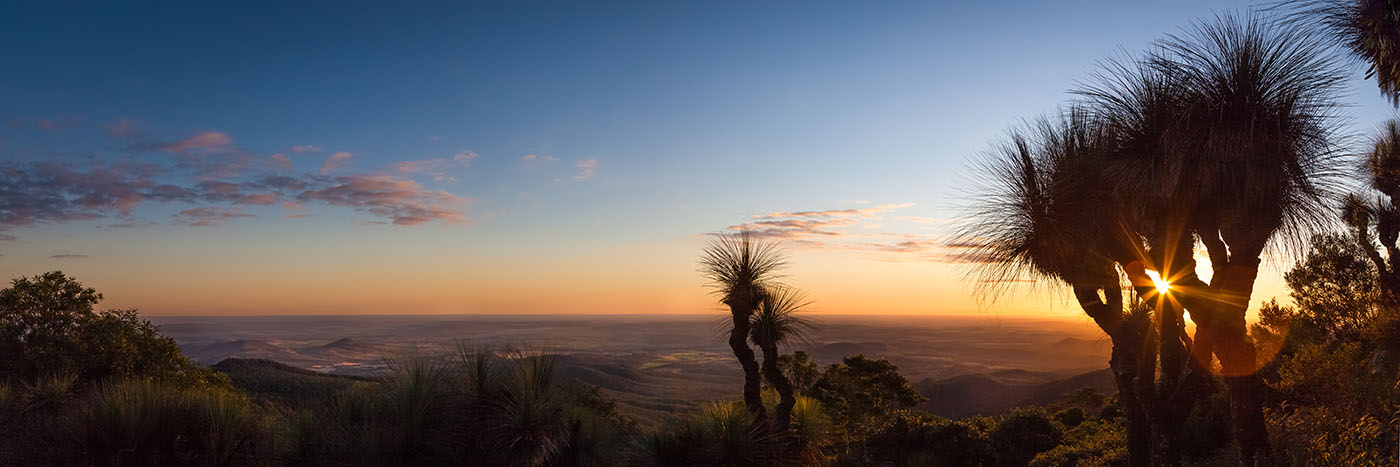
Grass Tree in mist - Bunya Mountains - Qld

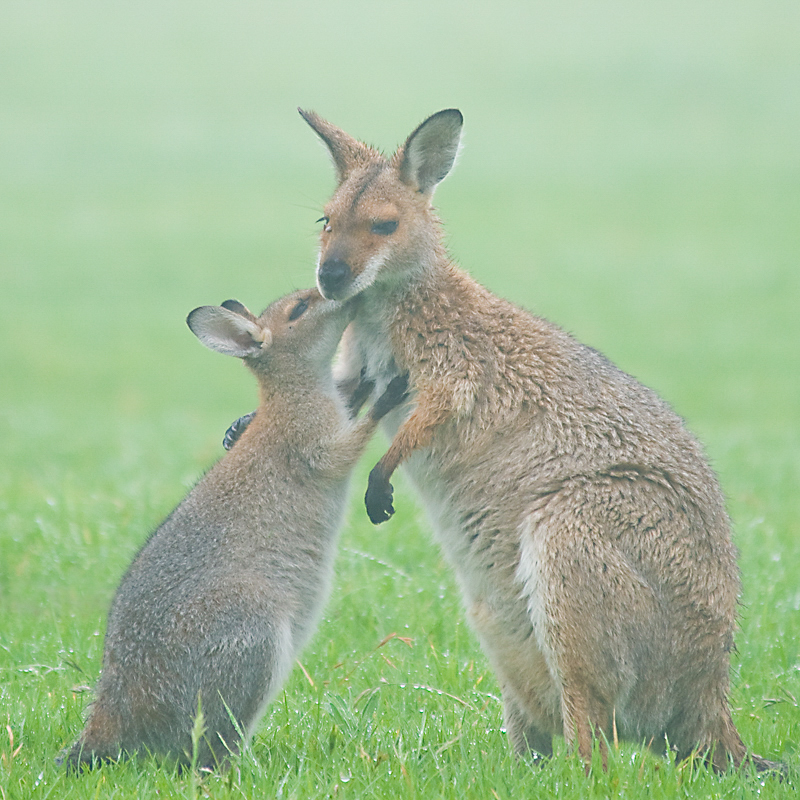
Red-necked Wallabies Bunya Mountains. Qld

Itinerary:

Monday

Our first session starts with Michael presenting a session on how to photograph birds, no matter what camera you own or level of experience you have. Subjects covered will include composition, apertures and depth-of-field, recommended shutter speeds, focus points, metering, lighting as well as the best photographic equipment to use for great bird photos.

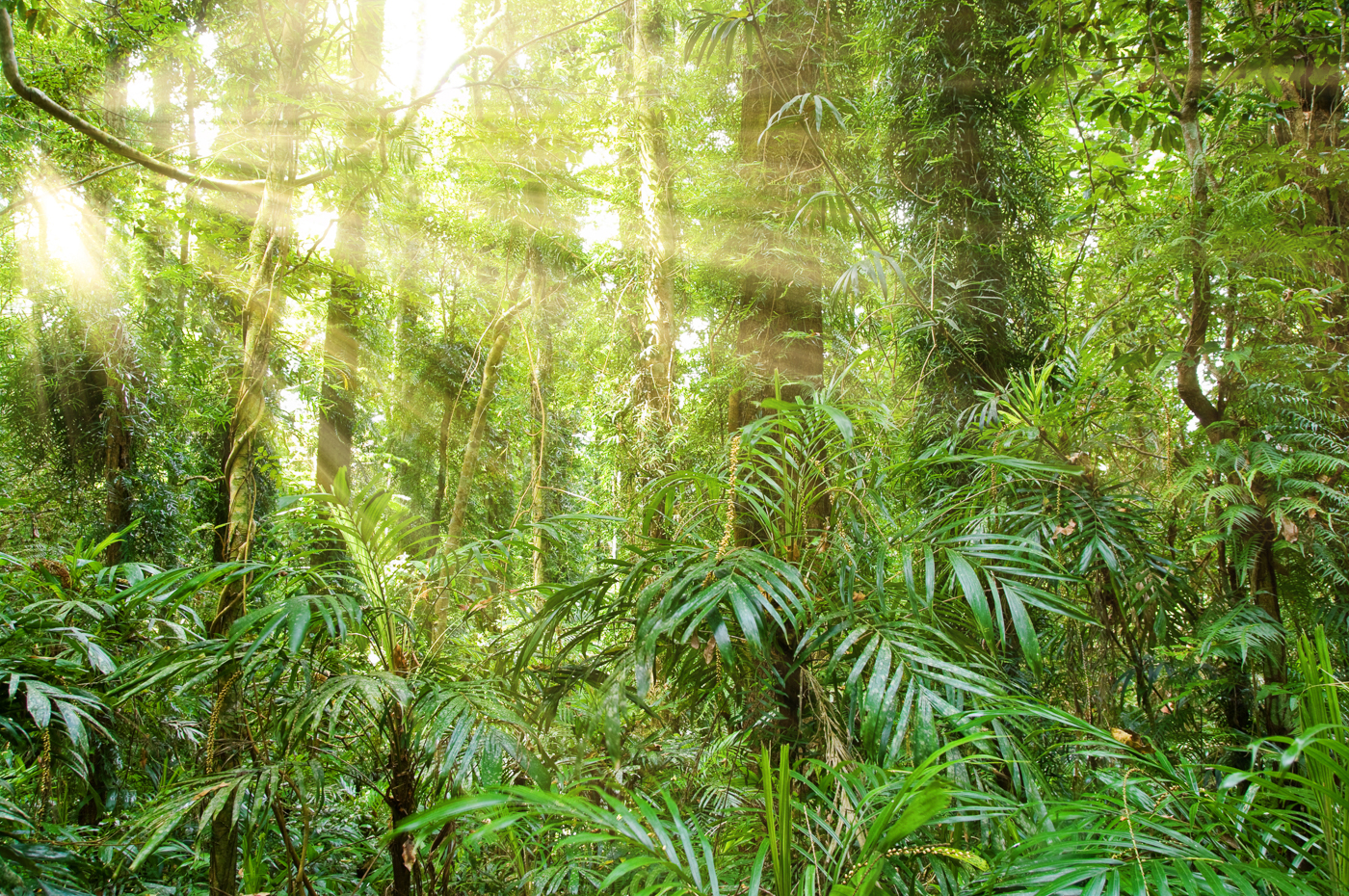
During the next session, we will head into the rainforest for some rainforest bird photography, where Michael will give tips on how to achieve great shots in different lighting conditions.

After lunch, there will be a session on using flash for bird photography.

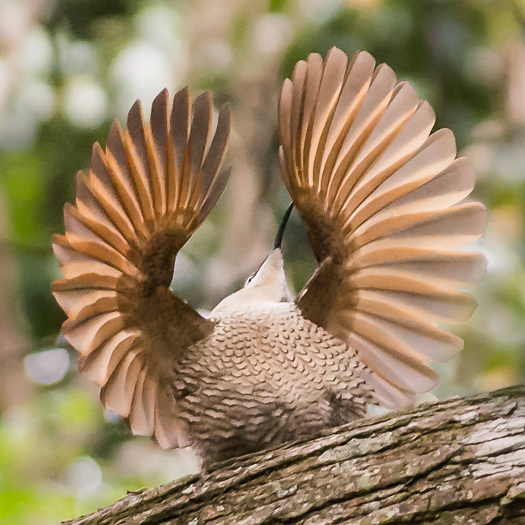
displaying riflebird - juvenile male

Tuesday

This morning we head out to ‘Grass Tree Country’. Here we will spend the first half of the day photographing the birds that live there. Species found may include Spotted Pardalotes, Mistletoe birds, various honeyeaters and many more.

After morning tea, we will spend time searching for the Satin Bower birds in their bowers, plus other species.

       After lunch, there will be a session on how to best capture birds-in-flight.

For our last session of the day, there will be a ‘Question and Answer’ session, where Michael will endeavour to help you with any issues you may still have with your bird photography.

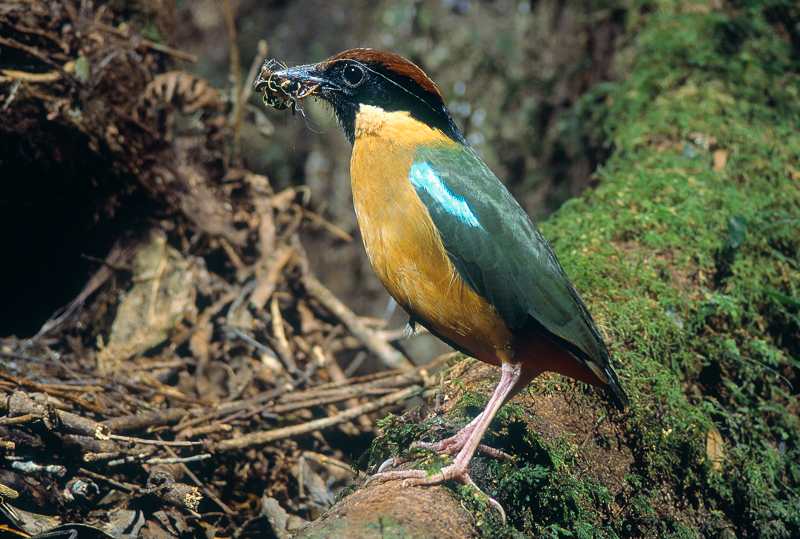
Noisy Pitta

Topics Covered Include:

  • Composition
  • Recommended Aperture
  • Recommended Shutter Speeds and ISO
  • Focal Points
  • Focus Styles
  • Metering
  • Exposure Compensation (for Aperture Priority)
  • Flash Use
  • Lighting
  • Hand-held versus Monopod
  • Recommended Photographic Accessories
  • And Much More…

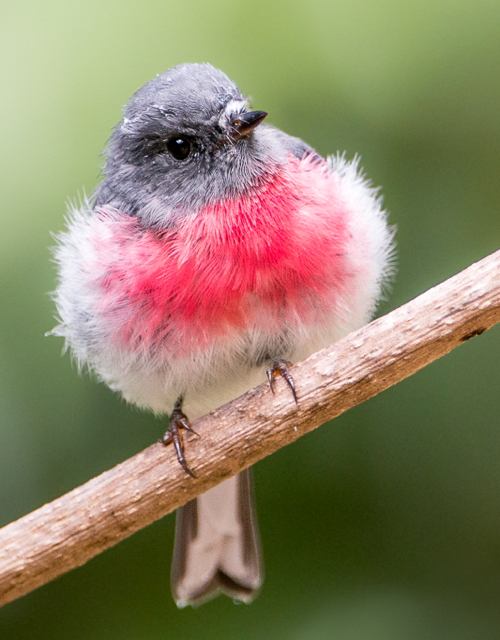
rose robin

Accommodation:

Choose whichever type of accommodation suits your needs and budget. You may camp in the nearby Parks and Wildlife campground or choose to rent one of the many houses available for rent.

The link HERE takes you to the QP&WS, where you can book a campsite.

The link HERE takes you to the Bunya Mountains Accommodation Centre, where you can book accommodation or call the staff for more information.

Food:

Please bring your own (there is a small shop at the campground where you can buy some essentials). There are also restaurants/cafes available if you would like to buy your meals.

Temperature:

The Bunya Mountains are cooler than places such as Brisbane and the Gold Coast, due to its elevation.

Lewin's Honeyeater

Maximum 8 participants

This workshop is covered by Queensland Parks and Wildlife Service permits.

Sunset through the grass trees

Bookings and Contact:

To reserve your place or just to ask more questions about this photo expedition, please contact Michael either via his CONTACT FORM or by calling +61 408 941 965.

Cancellation Policy:

Cancellation between 120 and 90 days before departure - 50% of total workshop price forfeited. Cancellation less than 90 days before departure or during tour, no refund available.

Bunya Mountains Bird Photography Workshop | Weekend Bird Photography Workshop

28 Day Ross Sea Antarctica Photography Expedition

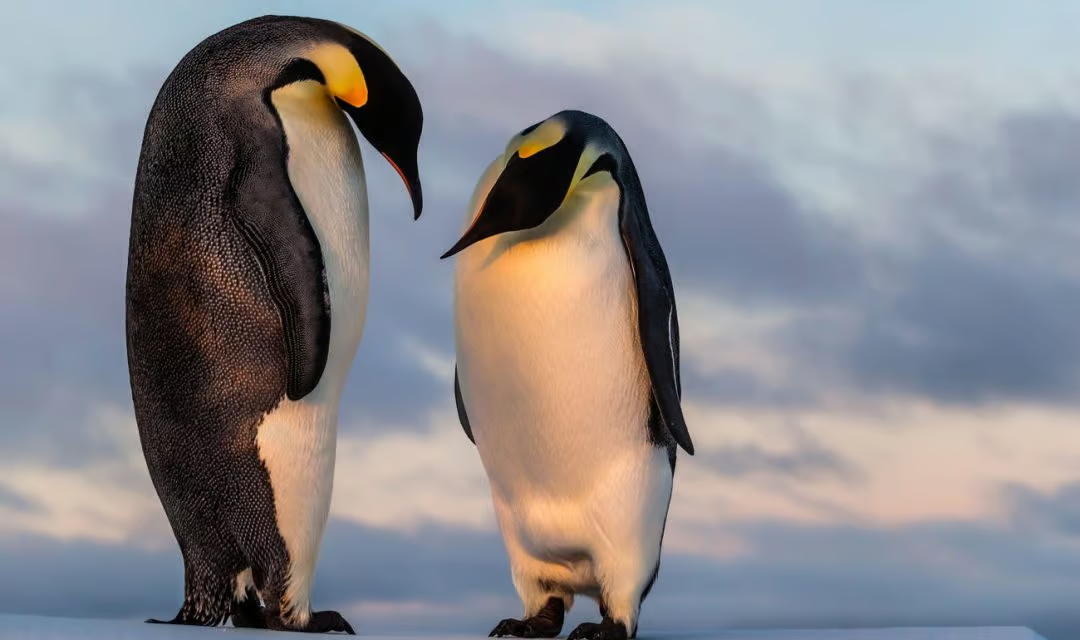
  • Emperor Penguins

TBA

Ross-Sea-map

NEWJoin Michael Snedic on this 30 day photographic adventure starting in Invercargill, New Zealand. We travel by small expedition ship, heading south and exploring some of New Zealand’s amazing subantarctic islands, including Macquarie Island, Campbell Island, Aukland Island and the Snare islands. We will then head to the Ross Sea region of Antarctica, which is one of the most remote places on Planet Earth and one of the most fascinating places in the continent's human history. With shipping restricted by impenetrable pack ice to just two brief months each austral summer, few people have ever visited this strange and beautiful territory, with opportunities for non-scientific personnel limited to a handful of tourist expedition ships.

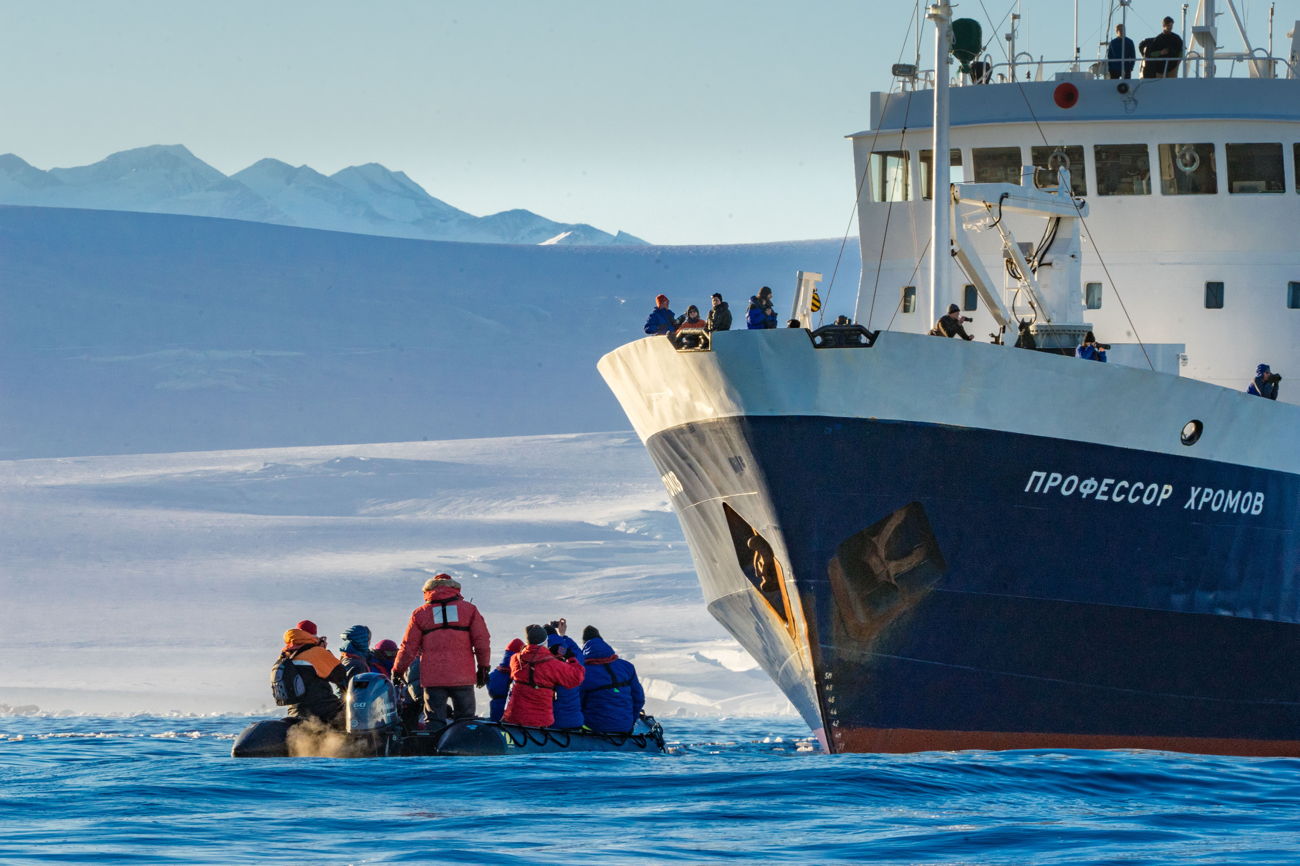
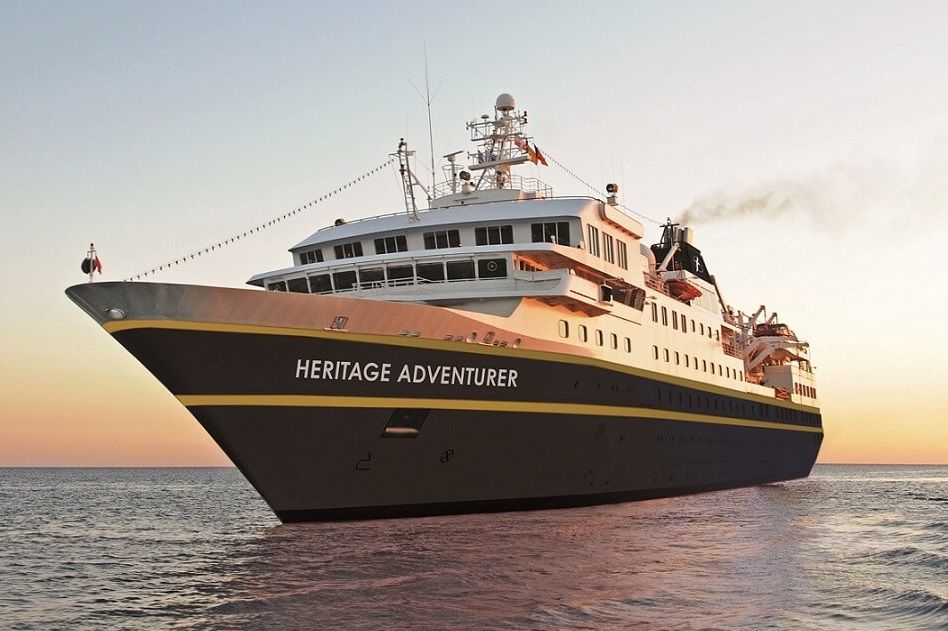
Heritage Expeditions offers such a voyage on its own fully equipped and ice-strengthened ship Heritage Adventurer, crewed by some of the most experienced officers and sailors in the world and staffed by a passionate and knowledgeable expedition team. This is a unique opportunity to experience nature on a scale so grand there are no words to describe it, and featured in TV documentary Go Further South.


Photographers of all experience levels are welcome. Michael will be guiding you and supporting your photography during the expedition. Not just in taking photographs in the field, but also in reviewing and refining your photos along the way.

Looking for something shorter?

Try Michael's 11-day Antarctic Photography Tour departing from Ushuaia, Argentina, or Michael's 13-day Sub-Antarctic Photography Adventure starting in Queenstown, New Zealand.

Contact Michael Snedic directly
on +61 408 941 965
S.Ott

© S. Ott

Subantarctic

Your Photography Tour Leader - Michael Snedic

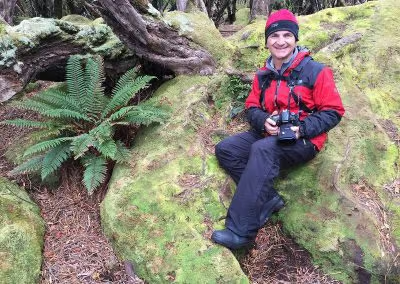
Michael is an experienced (25 years) and widely published wildlife and nature photographer, writer and tutor. His articles and images have featured in many magazines, calendars, diaries, books, brochures, billboards and many other publications. He is the author of two books on Australian wildlife, and is a Nikon School tutor in Australia (although Michael is proficient in all camera makes and models). Michael regularly presents audio-visual presentations at camera clubs and photography conventions, and has been conducting photography workshops and tours across the globe for 18 years.

On this expedition you will have access every day to a professional nature photographer and instructor. Michael is there to help you photograph the stunning scenery and wildlife we will encounter. Michael will be conducting a series of classes throughout the voyage, as well as being on-hand throughout the outings.


Itinerary:

Day 1: Queenstown

Arrive at Queenstown, New Zealand’s world famous alpine resort town. Guests should make their way to the designated hotel where we will spend the first night of the expedition. This evening there will be an informal get-together at the hotel for dinner; an excellent opportunity to meet fellow adventurers on your voyage and some of our expedition team.

© T Bickford
© T Bickford

Day 2: Port of Bluff

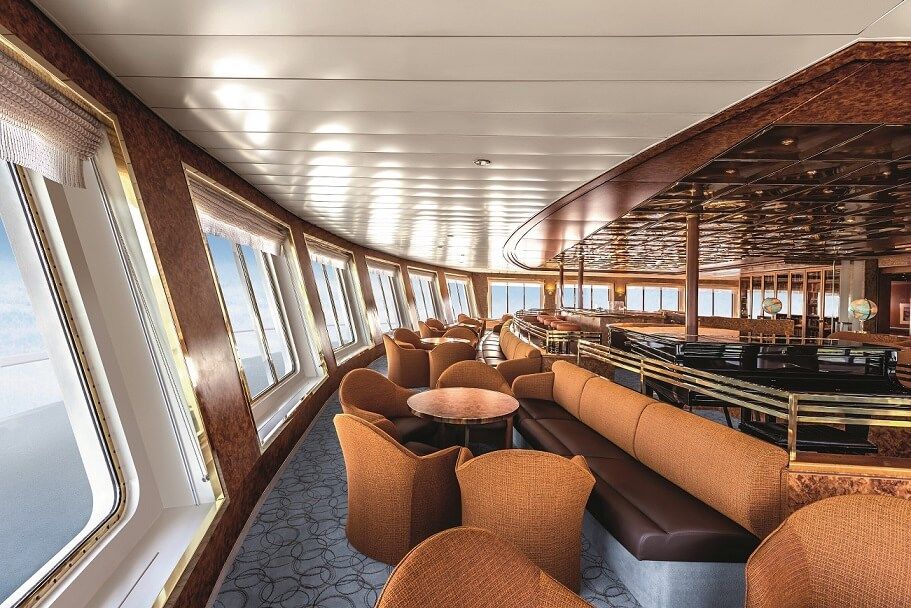
Today we enjoy breakfast in the hotel restaurant and have the morning free to explore Queenstown before returning to the hotel for lunch and departing for the Port of Bluff to embark your ship. You will have time to settle into your cabin and familarise yourself with the ship; we will also take the opportunity to conduct a number of safety briefings. You are invited to join the expedition team in the Observation Lounge and up on the Observation Deck as we set our course to The Snares and our adventure begins.

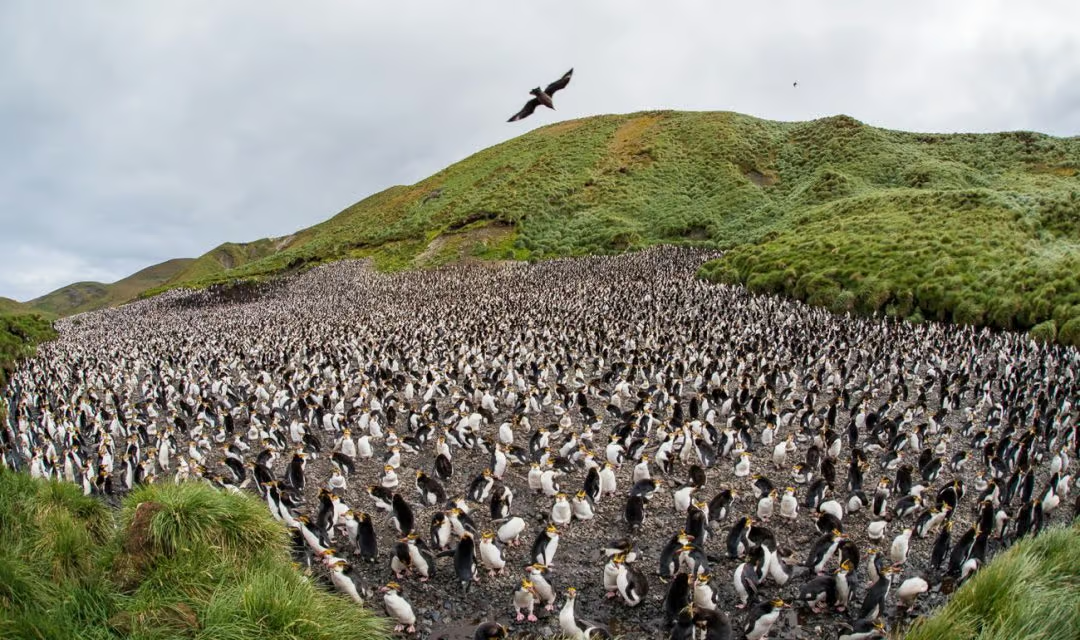
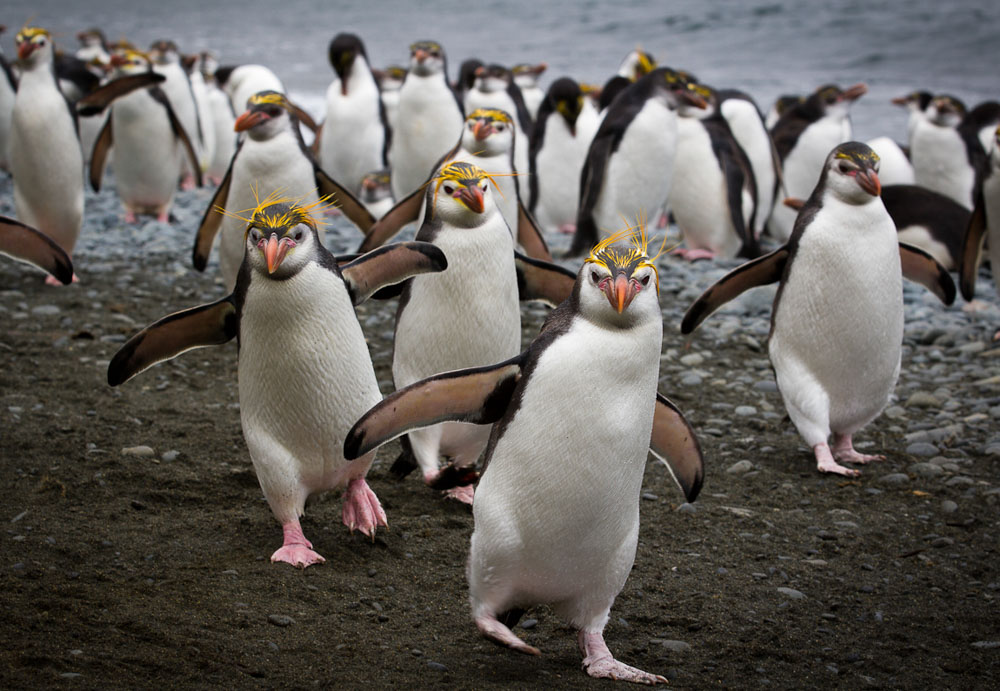
Royal Penguins © Meghan Kelly
© Meghan Kelly

Day 3: The Snares – North East Island

The closest Subantarctic Islands to New Zealand, they were appropriately called The Snares as they were once considered a hazard for sailing ships. Comprising of two main islands and a group of five islands called the Western Chain; they are uninhabited and enjoy the highest protection as Nature Reserves. It is claimed by some that these islands are home to more nesting seabirds than all of the British Isles together. We plan to arrive in the morning, and as landings are not permitted, we will Zodiac cruise along the sheltered eastern side of the main island if the weather and sea conditions are suitable. In the sheltered bays, we should see the endemic Snares Crested Penguin, Snares Island Tomtit and Fernbirds. There are hundreds of thousands of Sooty Shearwaters nesting on The Snares; the actual number is much debated. Buller’s Albatross breed here from early January onwards. There will be opportunities to view the forests of large tree daisy Olearia lyallii which forms a canopy over much of the island group.
Ross Sea trip

Days 4: Auckland Islands – Enderby Island

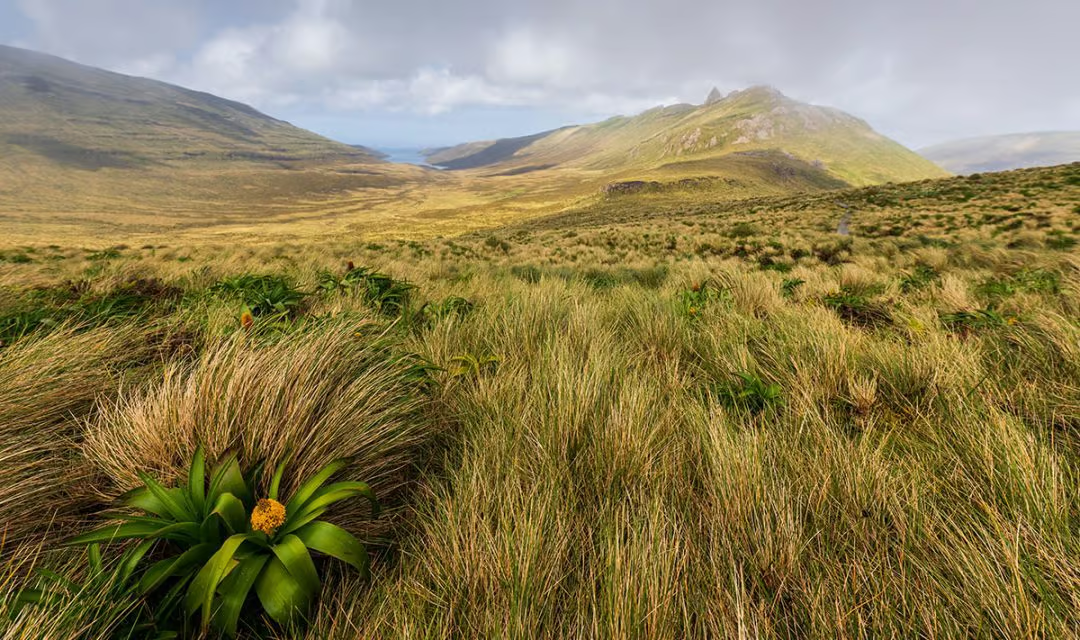
Characterised by towering cliffs and rugged sea stacks, these islands have borne witness to many a shipwreck in days gone by. We spend the day ashore on Enderby Island which is, perhaps, the most beautiful of all the Subantarctic Islands. Here we find parakeets flitting above carpets of red, white and yellow wild flowers and on the beaches beyond, the rare Hooker’s, or New Zealand, Sea Lion. We land in Carnley Harbour and if conditions are suitable, climb to a Shy Albatross colony, otherwise we will explore sites within the harbour.

Day 5: At Sea

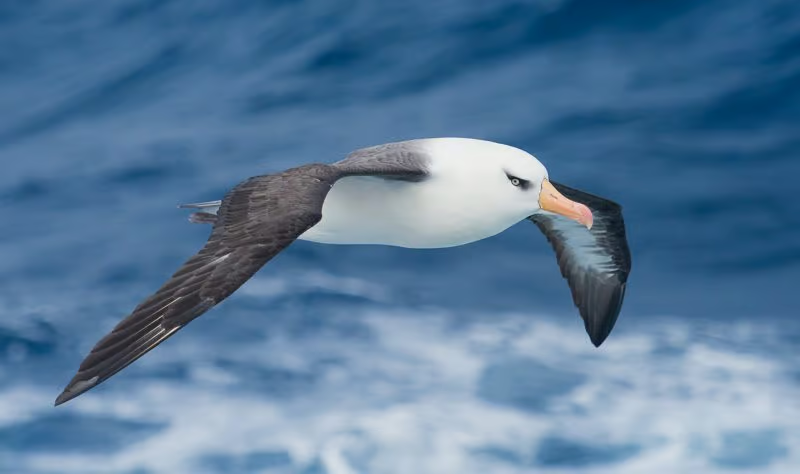
Take the chance to learn more about the biology and history of these islands and the tempestuous Southern Ocean through informal lectures with our experts. This particular stretch of ocean is very productive and we can expect many seabirds, including five or six kinds of albatross and numerous species of petrel.

 N. Russ © N. Russ

Days 6-7: Macquarie Island

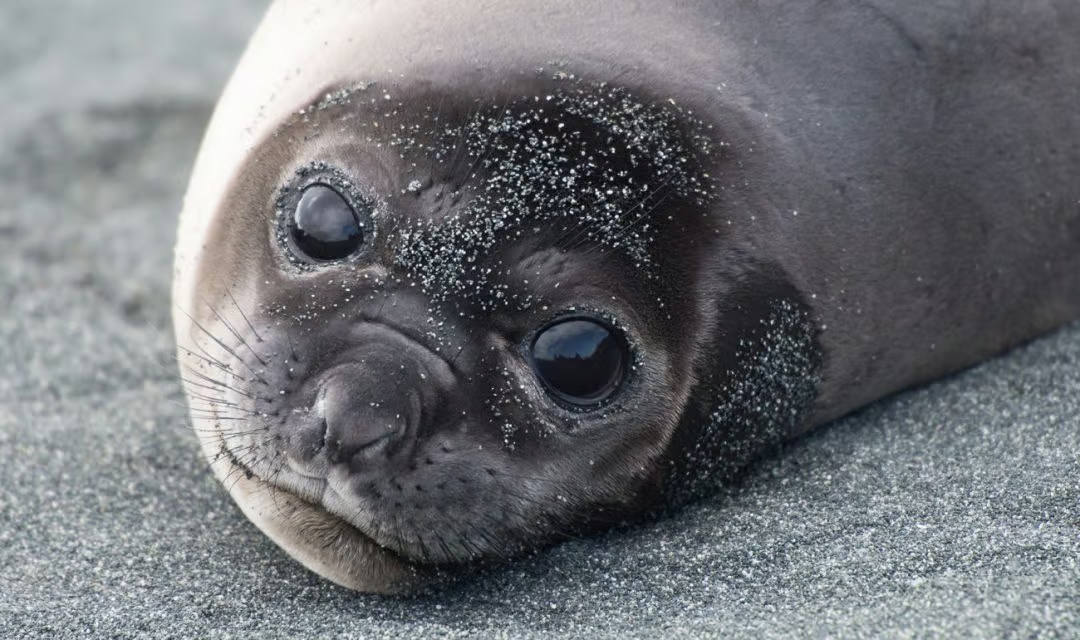
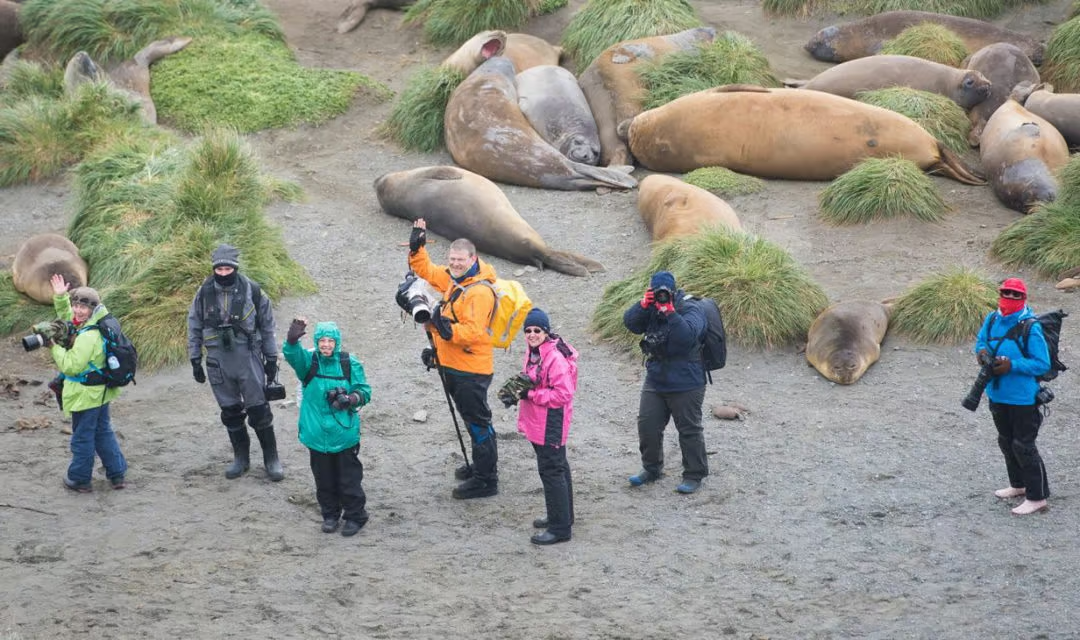
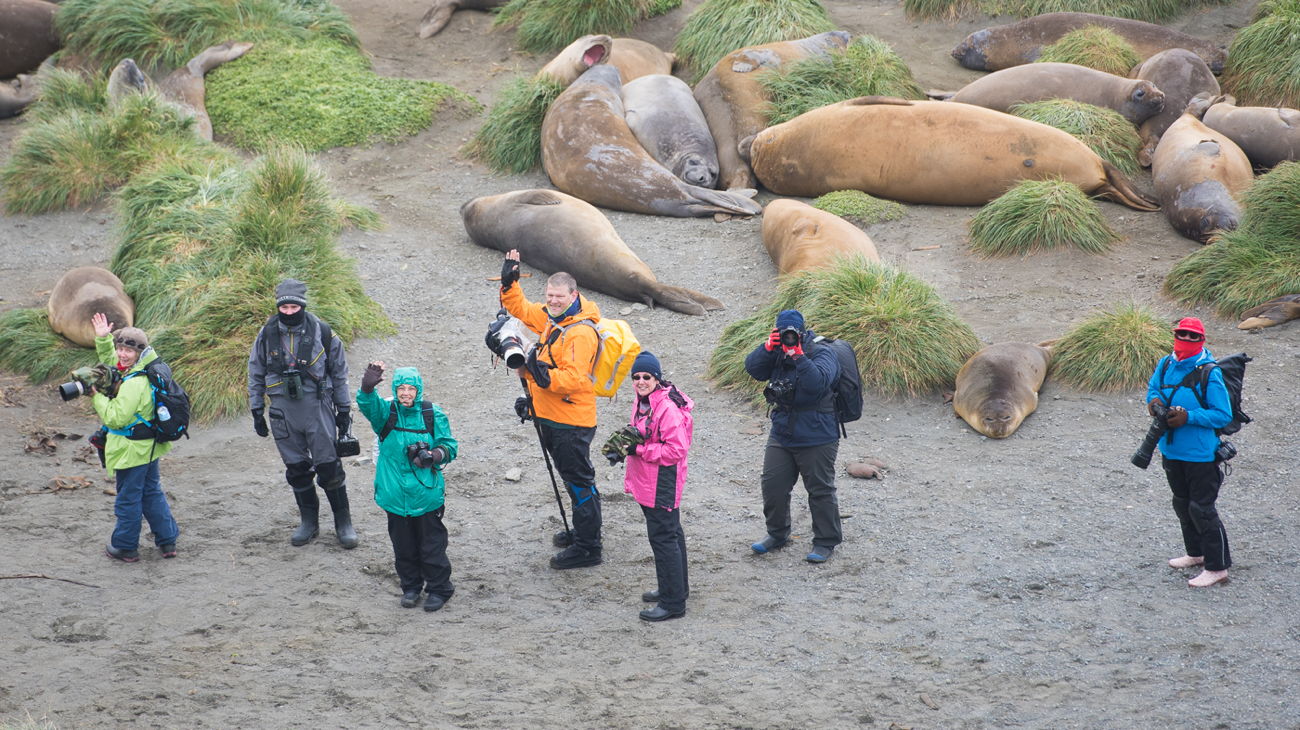
This remote, rocky outpost which endures roaring westerly winds supports one of the highest concentrations of wildlife in the Southern Hemisphere. Four species of penguin; King, Royal, Rockhopper and Gentoo all breed here. You will never forget your first experience in a ceaselessly active ‘penguin city’, where the dapper inhabitants show no fear of their strange visitors. We will also meet with the Park Rangers, visit the Australian Antarctic Base and observe the hundreds of Southern Elephant Seals along the beaches.

photo by Katya Ovsyanikova
© Katya Ovsyanikova

Day 8 to 10: At sea

Soaring albatross and petrels circle the vessel as we steam south through the Southern Ocean. Lectures now concentrate on the Ross Sea region and beyond the bow of the ship; drifting icebergs of extraordinary shapes begin to appear. Manoeuvring in close for your first ice photographs we pass the Antarctic Circle and into the continent’s realm of 24-hour daylight.

Subantarctic Photo Tour

Days 11 to 22: Antarctica’s Ross Sea Region

With unpredictable ice and weather conditions, a day-by-day itinerary is not possible, but we assess the conditions daily and take every opportunity to make landings and launch the Zodiacs. You can anticipate wildlife viewing, visits to scientific bases and historic sites, as well as the spectacular white and blue scenery.
We hope to visit the following areas:

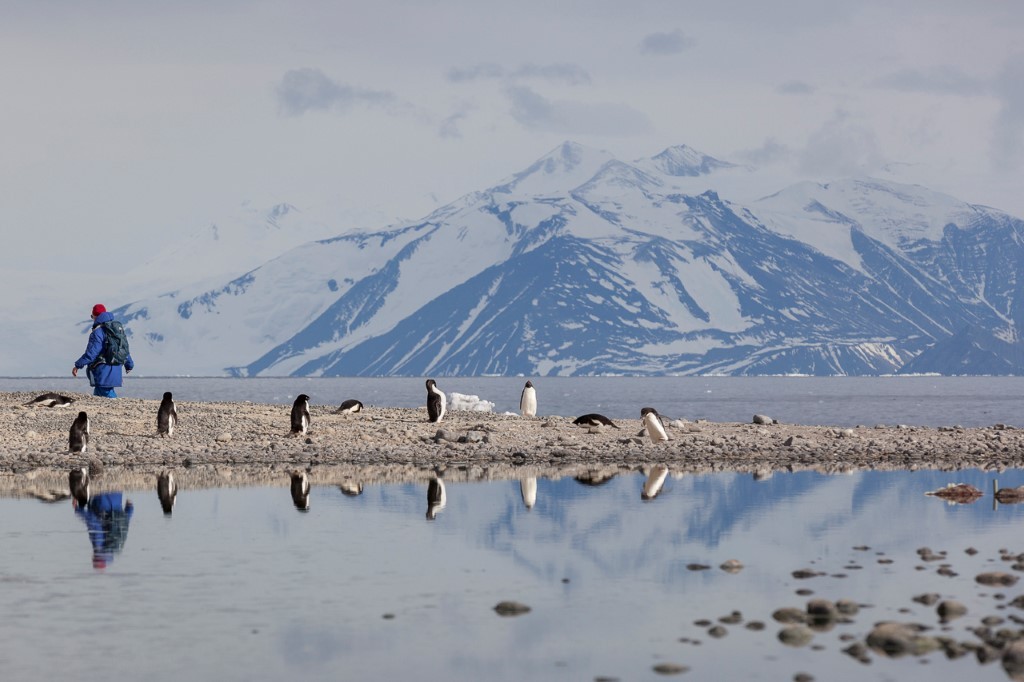
Cape Adare: A large flat spit of land, teeming with the staggering sight of Antarctica’s largest Adelie Penguin rookery: a tumult of chattering, feeding chicks, territorial disputes, petty pilfering and courtship displays. Curious penguins often come very close, offering superb photographic opportunities. Among the shifting mass of penguins we will find Carsten Borchgrevink’s Hut, the oldest in Antarctica, an overwintering shelter for the first expedition to the continent in 1899.

Cape Hallett: The enormous Admiralty Range heralds our arrival; wild and extraordinary, the mountains rear up towering out of the sea to over 4,000-metres high and are bounded by colossal glaciers. We make our landing at an abandoned base site, now home to large numbers of Adelie Penguins and Weddell Seals.

King Penguins

Franklin Island: Desolately beautiful and rugged, this is home to a large Adelie Penguin population and other nesting seabirds. We attempt a landing and explore the coastline. Possession Islands: Rarely-visited, small and rugged, these rocks support tens of thousands of penguins. Observe the birds’ busy and humorous activity, with the Admiralty Mountains forming a superb backdrop across the water.

Ross Ice Shelf: The world’s largest body of floating ice and a natural barrier, at times creating hazardous weather, with sheets of snow blown at gale force by winds off the polar ice cap. Just 800 miles from the South Pole, this daunting spectacle prevented many early explorers from venturing further south. We cruise along its dizzying 30-metre high ice cliffs, perhaps lucky enough to see icebergs ‘calving’.

Ross Sea trip 2

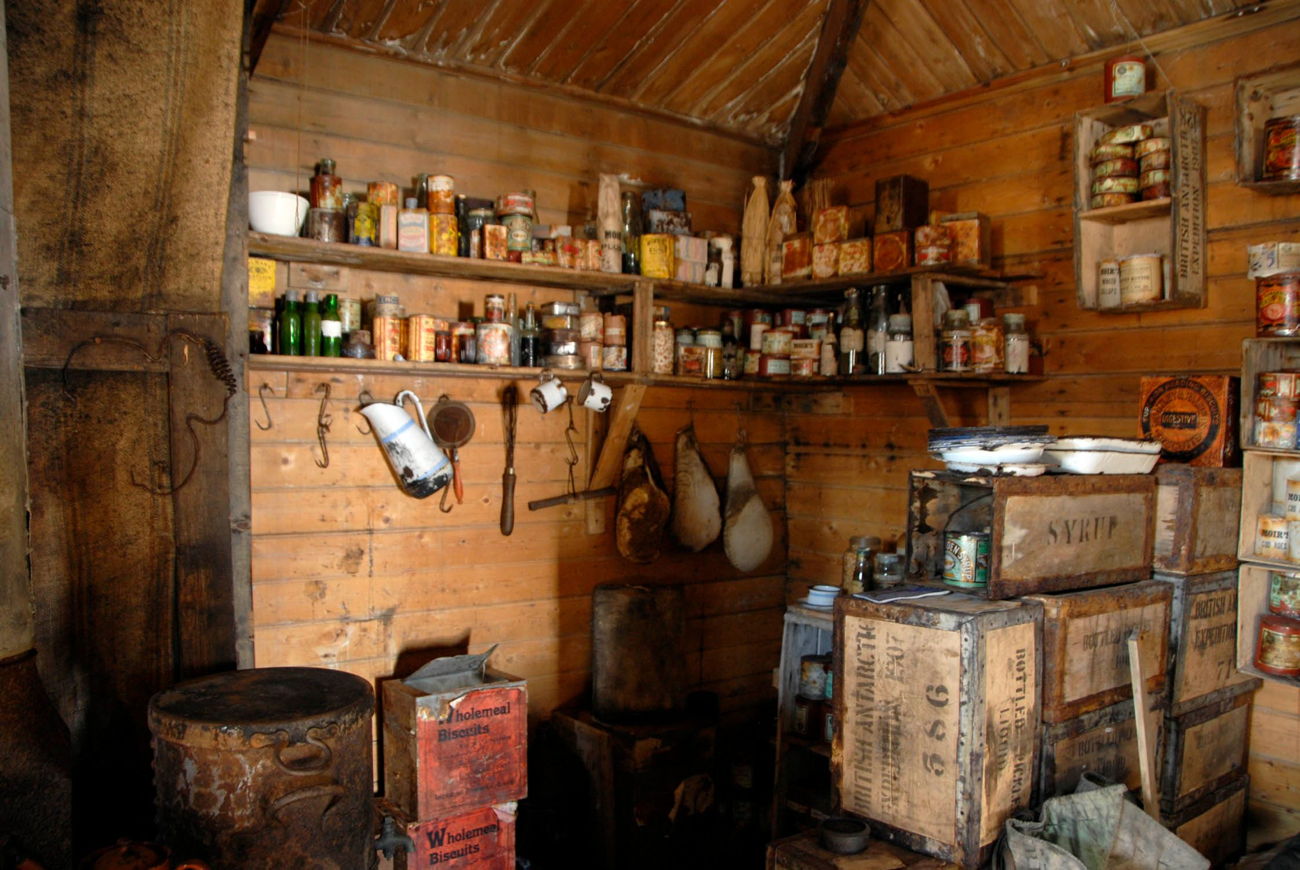
Ross Island: Mount Erebus/Cape Bird/Shackleton’s Hut/Scott’s Hut(s) and visits to a scientific field station (Scott and McMurdo Stations are high on our wish list but ice, weather and station operational requirements often make them inaccessible). Ross Island was, and is, the ‘hub of activity’ in the Ross Sea, dominated by Mt Erebus, a monstrous active volcano named after the ancient Greek God of Darkness. The carefully preserved huts of the ‘Heroic Era’ help make the history come alive. If we can reach the bases, we will get a modern perspective on Antarctic Research.

Terra Nova Bay: An Italian research station where the scientists are always hospitable and enjoy showing us around their lonely but beautiful home. They share with us their scientific research and also, perhaps, the best ‘espresso’ in Antarctica!

Ross Sea trip 4

Days 23 to 25: At Sea

Taking time to rest and enjoy life on board your ship in the bar or library after the excitement and long daylight hours of the Antarctic, we have time for lectures on our final destination and for some pelagic bird spotting.

Days 26: Campbell Island – Perseverance Harbour

We drop anchor in Perseverance Harbour, an occasional refuge for Southern Right Whales who come here to calve. Walk to the nesting site of the Southern Royal Albatross and see the strange and beautiful megaherbs on the hills. These huge wild flowers that have adapted to the harsh conditions have unusual colourings and weirdly-shaped leaves. We also seek out other wildlife such as Campbell Island Shags, Light-mantled Sooty Albatross and sea lions.

S. Blanc

© Katya Ovsyanikova

Day 27: At Sea

Relax and reflect on a remarkable journey as you join our experts for a recap of highlights and enjoy a farewell dinner this evening.

Day 28: Invercargill/Queenstown

Early this morning we will arrive in the Port of Bluff. After a final breakfast we bid farewell to our fellow voyagers and take a complimentary coach transfer to either Invercargill or Queenstown Airports. In case of unexpected delays due to weather and/or port operations we ask you not to book any onward travel until after midday from Invercargill and after 3pm from Queenstown.
Please Note: During our voyage, circumstances may make it necessary or desirable to deviate from the proposed itinerary. This can include poor weather and opportunities for making unplanned excursions. Your Expedition Leader will keep you fully informed. Landings at the Subantarctic Islands of New Zealand are by permit only as administered by the Government of New Zealand. No landings are permitted at The Snares.

Subantarctic Photo Tour

Health and Fitness

Anyone in normal good health can join us on this adventure. There are no special fitness requirements, although we will be often climbing into and out of the inflatable Zodiac boats, and walking on shore. Out on the ocean and exposed to the elements it can get quite cold. But it is summer and at times in the sun it can be quite warm.
The ship has a doctor and basic medical facilities on board. If you have specific health concerns or dietary requirements the staff at Heritage will be able to advise you. There’s also a gym on board if you feel the need to get extra workouts.

K. Ovsyanikova © K. Ovsyanikova

Our Ship

The 'Heritage Adventurer' is one of Heritage Expedition's latest additions to its fleet. Although we won’t be seeing ice on this voyage, the ship regularly visits both polar regions and is a very capable vessel. She also has plenty of vantage points for scenic and wildlife photography from all around the ship.

Heritage Adventurer

Inclusions

  • Professional photography tuition throughout the expedition with Michael Snedic.
  • One night accommodation (with dinner and breakfast) in Invercargill.
  • Shipboard accommodation.
  • All breakfasts, lunches and dinners onboard.
 Coffee, tea, cocoa available around the clock.
  • All zodiac and land excursions.
  • Pre- and post-departure materials.

Exclusions

  • Airfares and other travel expenses to/from Invercargill.
  • Meals in Invercargill (other than one breakfast).
  • Passport/visa expenses.
  • Personal/travel insurance coverage.
Heritage will discuss with you the required insurance coverage (due to the remoteness of our destination).
  • Onboard bar, laundry, and telecommunications charges. Internet access is not available onboard.

Berth Types and Pricing

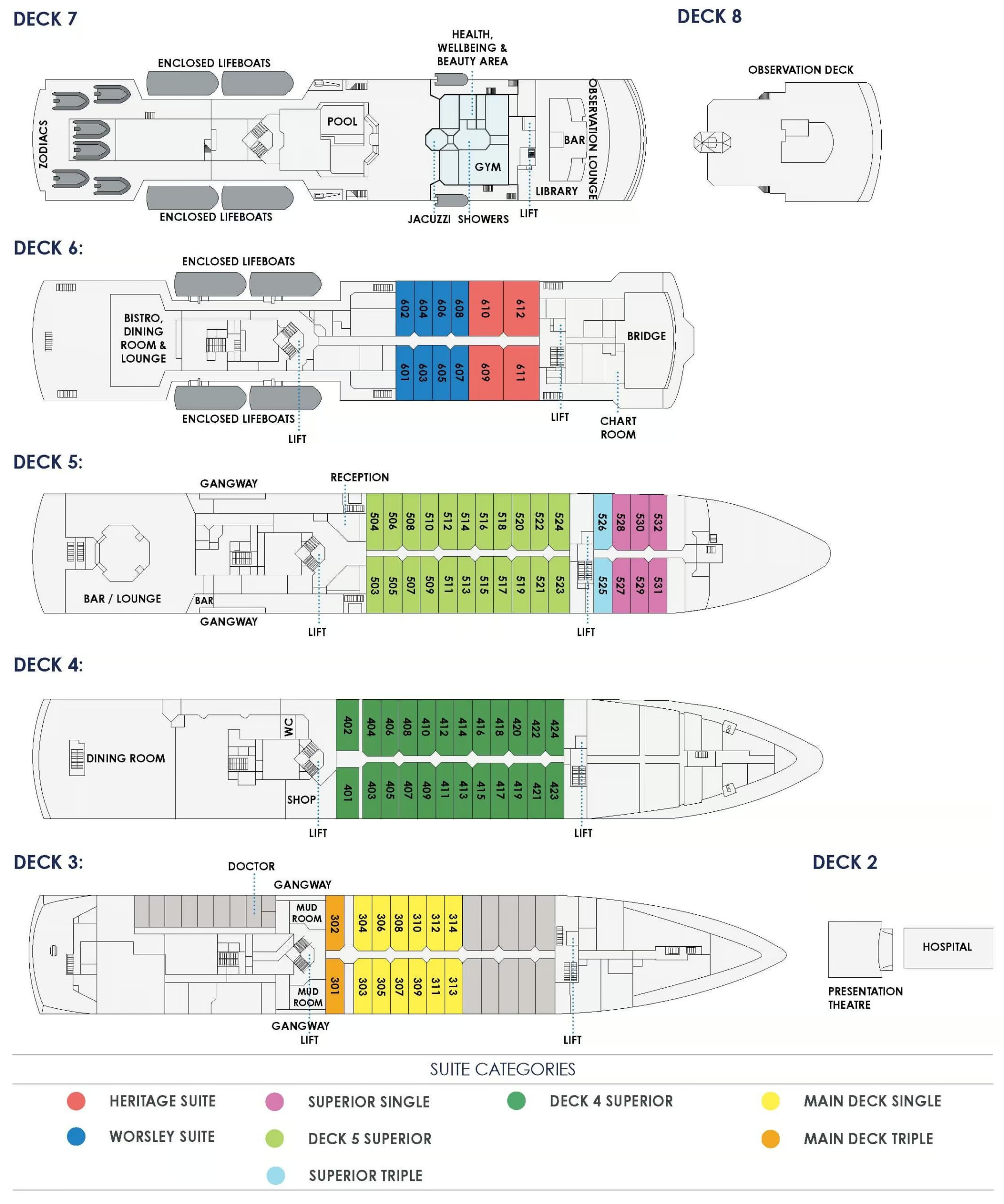
Main deck triple: US$ TBA Deck 3, spacious 22m2 and feature two porthole windows, two single beds and one Pullman bed which folds down from the wall, comfortable lounge, writing desk, private en-suite with shower, ample storage and a flat screen entertainment system.
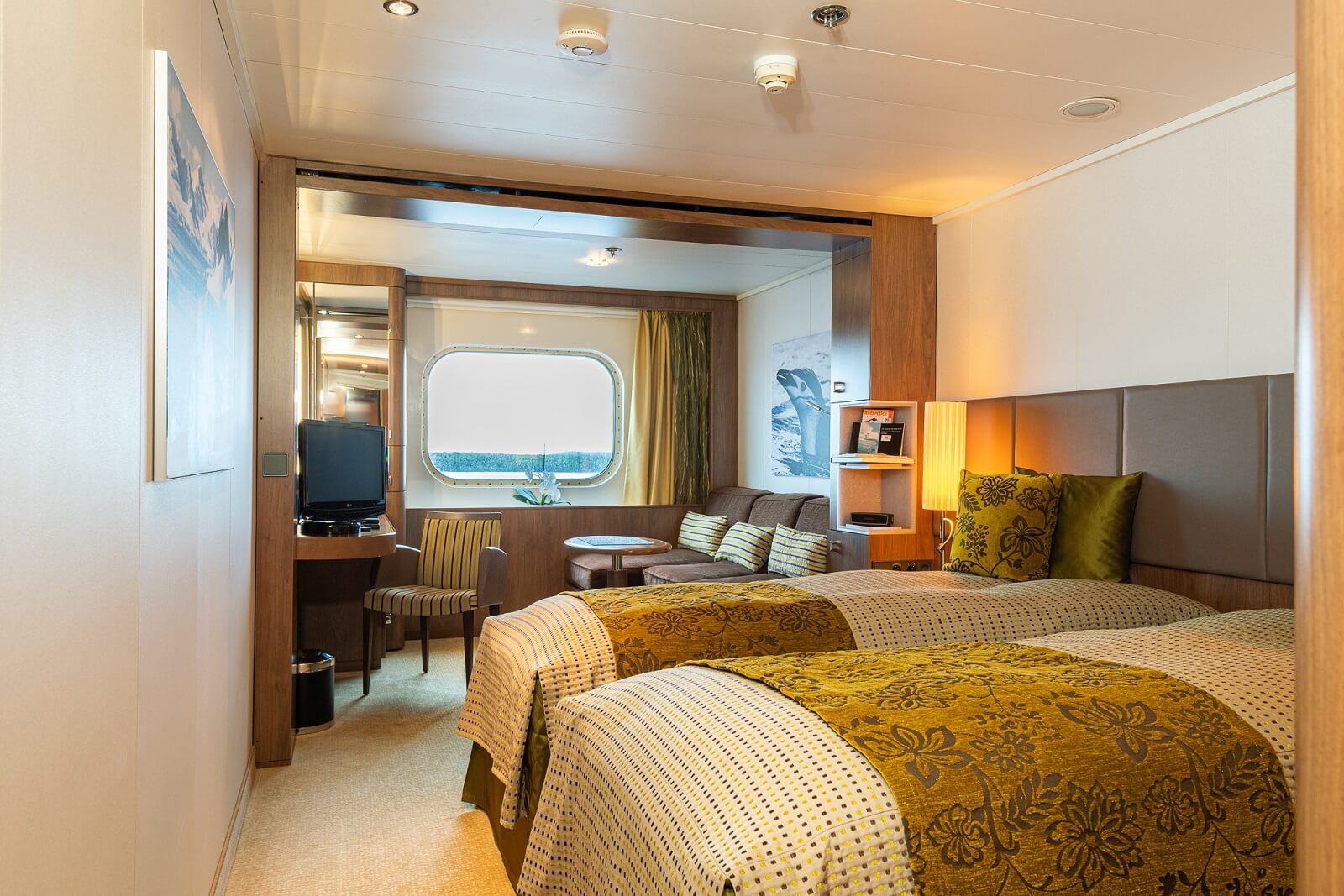
Superior triple: US$ TBA Deck 5, spacious 22m2 and feature large panoramic windows, two single beds and one Pullman bed which folds down from the wall, comfortable lounge, writing desk, private en-suite with shower, ample storage and a flat screen entertainment system.
Superior - Deck 4: US$ TBA Deck 4, spacious 22m2 and feature large panoramic windows, king or two single beds, comfortable lounge, writing desk, private en-suite with shower, ample storage and a flat screen entertainment system.
Superior - Deck 5: US$ TBA Deck 5, spacious 22m2 and feature large panoramic windows, king or two single beds, comfortable lounge, writing desk, private en-suite with shower, ample storage and a flat screen entertainment system.
Main Deck Single: US$ TBA Deck 3, spacious 22m2 and feature two porthole windows, king bed, comfortable lounge, writing desk, private en-suite with shower, ample storage and a flat screen entertainment system.
Superior Single: US$ TBA Deck 5, spacious 22m2 and feature large panoramic windows, king bed, comfortable lounge, writing desk, private en-suite with shower, ample storage and a flat screen entertainment system.
Worsley Suite: US$ TBA Deck 6, Worsley Suites are a spacious 22m2 and feature large panoramic windows, king or two single beds, comfortable chaise-style lounge suite, writing desk, private en-suite with shower, ample storage and a flat screen entertainment system.
Heritage Suite: US$ TBA Deck 6, Heritage Suites are an expansive 44m2 and feature large double panoramic windows, king bed, large living area with a sofa, coffee table and chairs and grand marble bathroom with a double basin, bathtub and shower, large writing desk, floor to ceiling cabinetry for storage and a flat screen entertainment system.

A 25% deposit is required to secure your place.


NB: PRICE LISTED ABOVE INCLUDES PHOTOGRAPHY TUITION FEE BY MICHAEL SNEDIC, WHICH WILL BE INVOICED SEPARATELY

Prices

The trip is being put together with our partners at Heritage Expeditions in Christchurch, and they take care of the bookings and travel arrangements for us, while Michael runs the photography program.

There are a variety of cabin classes: several three-berth cabins and a range of twin-share cabin types. As usual with these ships your choice of berth/cabin type directly impacts the price of your ticket.

These prices are in US dollars per berth. There’s also an additional charge of US$ TBA pp to cover landing fees on these protected islands.


How to book

To reserve your place or just to ask more questions about this once-in-a-lifetime photography expedition, please contact Michael either via his Contact Form or by calling +61 408 941 965.


7 Day Waterfall Way Photography Workshop – New South Wales

About the Workshop and Tour

NEWWould you like to spend 7 days photographing New South Wales stunningly-beautiful 'Waterfall Way"? Take the time to unwind on spectacular coastal walks, stroll through World Heritage listed Gondwana rainforest parks, admire granite formations and enjoy the ambiance of country towns, all with your camera in hand. This circular journey includes many national parks and reserves with a diverse mix of landscapes, vegetation, geology, wildlife and walks. So many photographic subjects!

From our first base in Yamba near the mouth of the Clarence River, our initial explorations include the littoral rainforest in Iluka Nature Reserve and a section of the Yuraygir National Parks. Headlands provide the opportunity to spot marine life while the coastal heath is a haven for birdlife. Heading south west, for a refreshing perspective, we explore the forests and waterfalls in Dorrigo National Park. Nearby New England National Park protects a wide diversity of forest types, along with wallabies, gliders and the inquisitive spotted-tailed quoll.

Wollomombi Falls is accessible via short walks in Oxley Wild Rivers National Park, large population of brush-tailed rock wallabies. A visit to Cathedral Rock National Park offers a contrasting landscape, with its dominating granites of New England batholites. Ebor Falls in Guy Fawkes National Park gives us a final option for waterfall photography. Our inland journey home includes the country towns of Tenterfield, Wallangarra and Girraween National Park, completing our photographic journey. This holiday spends six nights in comfortable accommodation at Yamba, Dorrigo and Armidale.


Yuraygir NP, Yamba

Highlights include:

  • Soak up the ocean views and scenery in Iluka Nature Reserve, Yuraygir National Park and the Coffs Coast
  • Explore rainforest tracks, escarpment lookouts, waterfall walks and woodlands at Dorrigo and New England National Parks
  • Visit spectacular Wollomombi Falls, part of Oxley Wild Rivers National Park
  • Enjoy the granites of New England batholith in Cathedral Rock National Park
  • View the granite outcrops of Girraween National Park
  • Immerse yourself in the cultural heritage and charm of the country towns we visit

New England National Park

Contact Michael Snedic directly
on +61 408 941 965

Meeting Point

Brisbane - Roma Street Station OR Gold Coast Airport

Transport

18 seater bus

Photography Level

There is no “minimum level” required regarding photographic ability. Beginners and highly experienced shooters alike are all very welcome to join us. You will receive plenty of individual one-on-one time that will be geared towards your own personal skill levels and needs.

Yamba

Inclusions

  • 6 nights twin share accommodation - hotel accommodation with private facilities
  • Meals include - 6 Breakfasts, 7 Lunches, and 6 Dinners
  • All transfers as listed in itinerary
  • National Park entry fees
  • Professional photography tuition by pro photographer and tutor, Michael Snedic

Exclusions

  • Airfares & taxes to start / from end of tour
  • Airport transfers
  • Heavy or excess baggage
  • Travel insurance

Accommodation

  • Moby Dick Hotel – Yamba (2 nights)
  • Lookout Mountain Retreat – Dorrigo (2 nights)
  • Armidale Powerhouse – Armidale (2 nights)

Satin Bowerbird at bower

Your Leader: Michael Snedic

Michael Snedic, Professional Photographer and Proprietor of WildNature Photo Expeditions, has been photographing wildlife and nature for twenty five years. He is one of Australia’s most accomplished and published nature photographers, his images having won numerous awards. Michael’s images have been published across Australia and the world, in hundreds of publications. Michael is honoured to be a Nikon School tutor as well as The Nature Conservancy Australia’s Photo Competition Ambassador and judge for three years running.

MS bio shot

Itinerary

Day 1

Sun 21 March | Brisbane / Gold Coast Pick Up - Iluka Nature Reserve - Yamba

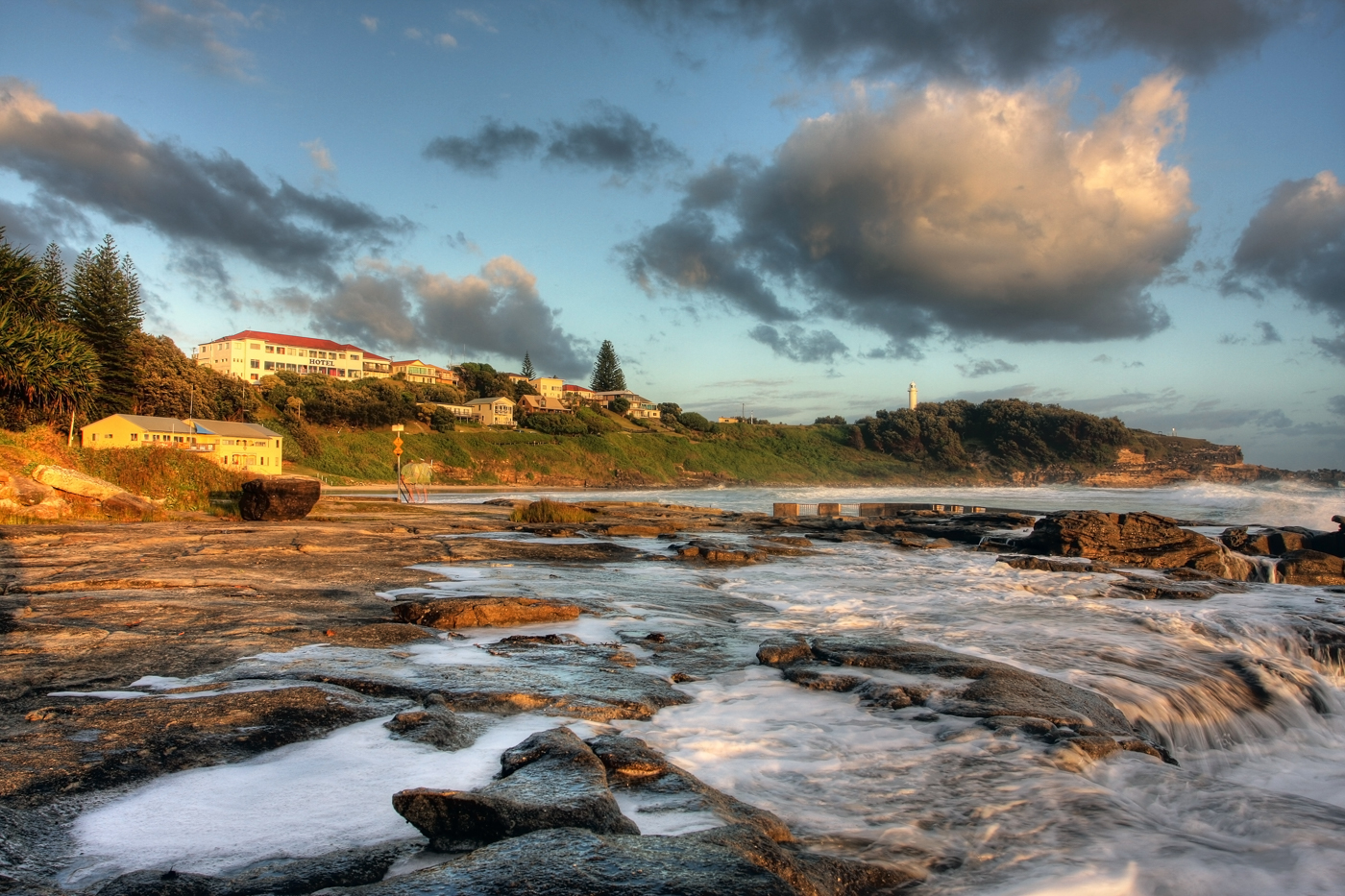
Your tour starts with a 9am pick up at Brisbane Roma Street Station, before we travel south for a second pick up at the Gold Coast Airport. From here we continue to the Northern Rivers area and take a leisurely stroll through the littoral rainforest of World Heritage listed Iluka Nature Reserve. We enjoy fresh fish and chips for lunch at the local fish co-op before continuing just across the river to Yamba.  This delightful village at the mouth of the Clarence River is our base for the next two nights.

Accommodation: Yamba


Dorrigo Rainforest

Day 2

Mon 22 March | Yuraygir National Park

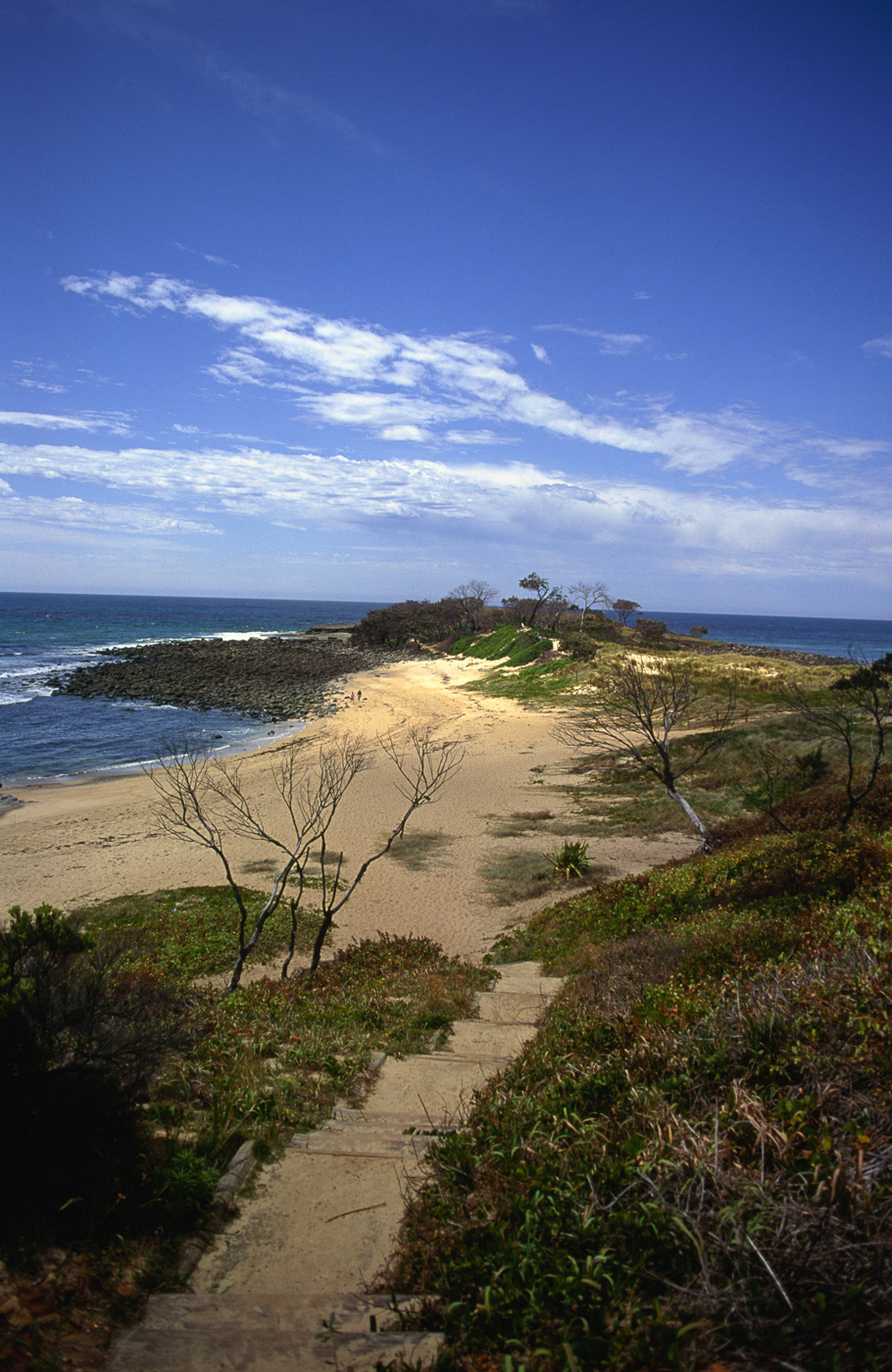
Following breakfast, we explore the coastal surrounds of Yamba, including sections of Yuraygir National Park. The park protects the longest stretch of undeveloped coastline in NSW and features long sandy beaches, rocky headlands, coastal heath, and abundant flora and fauna. We drive to the coastal village of Minnie Water to begin our exploration of this area, with easy walking options available. There is also the Wilsons Headland Walk with its panoramic ocean views and secluded coves.  We return to our accommodation in Yamba for free time.

Accommodation: Yamba

Meals: B, L, D

Guy Fawkes National Park

Day 3

Tue 23 March | Coffs Harbour - Dangar Falls - Dorrigo

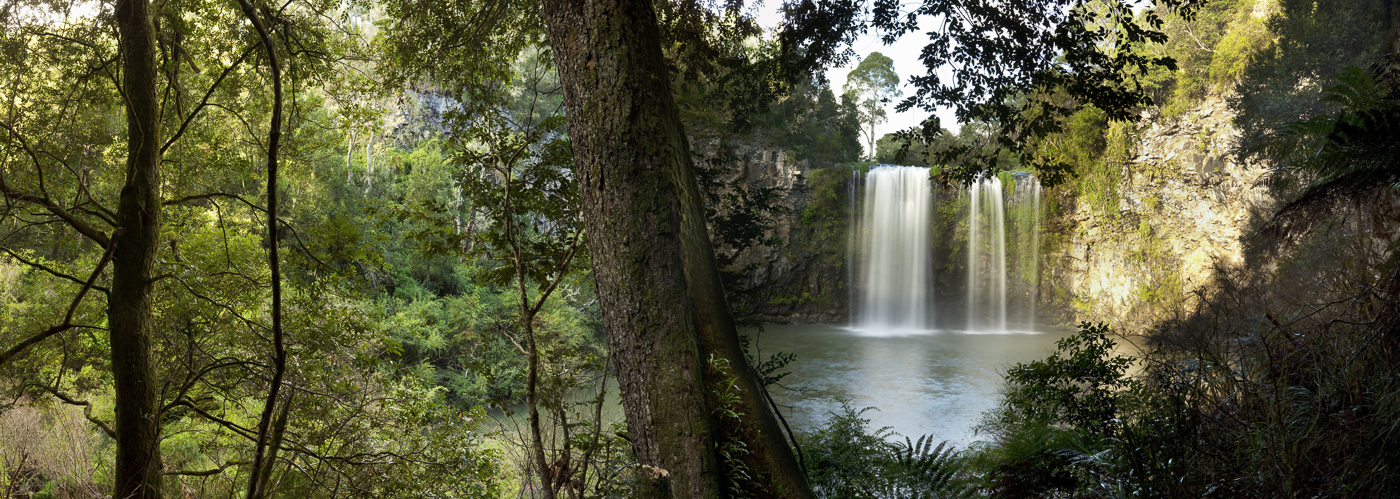
This morning, we leave Yamba and explore further down the coast to Coffs Harbour. Known for its beaches and abundant wildlife, this NSW North Coast city is the gateway to Waterfall Way.  We take advantage of the spectacular scenery and stops may include Emerald beach, Sealey Lookout, and the charming town of Bellingen, on the banks of the Bellinger River. We break for lunch before travelling to Dangar Falls, a beautiful 30 metre waterfall set amidst scenic agricultural and dairy farmland. We end the days travel, checking into accommodation in Dorrigo, our base for the next two nights.

Accommodation: Dorrigo

Meals: B, L, D

Iluka

Day 4

Wed 24 March | Dorrigo National Park

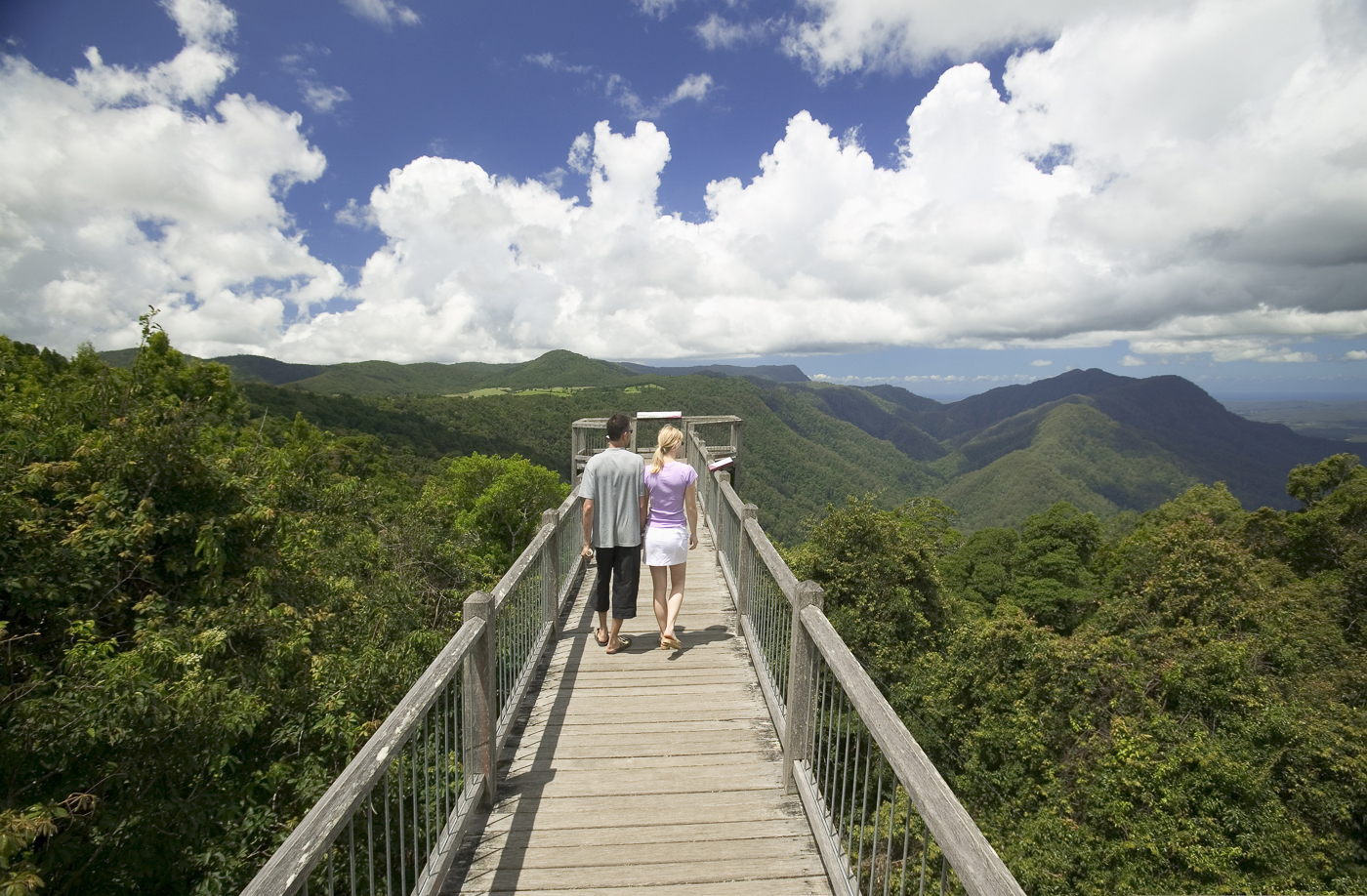
Today we enjoy a full day in the Dorrigo area, starting with a visit to Dorrigo National Park’s rainforest visitor centre and skywalk. This short boardwalk soars over the edge of the escarpment some 21m above the rainforest and offers great views of the rainforest, the Bellingen Valley and east towards Coffs Harbour. We then enjoy part, or all the Wonga Walk in Dorrigo National Park. This easy 6km loop through the lush rainforest to Tristania and Crystal Falls. Following lunch at the Rainforest Café, we have the option to drive to Never Never Picnic Area for a section of the easy Rosewood Creek circuit walk. After a full day of forest photography, we return to our accommodation in Dorrigo for dinner.

Accommodation: Dorrigo

Meals:

Skywalk, Dorrigo NP

Day 5

Thu 25 March | New England & Oxley Wild Rivers National Parks - Armidale
Today we journey west on Waterfall Way to New England National Park, another section of the Gondwana Rainforests of Australia World Heritage Area. At 1600m above sea level, we walk around the summit on the Point Lookout track to take in the magnificent views. We then explore part of the Lyrebird walking track, a 5.5km circuit through eucalypt forest and cool temperate rainforest, past babbling brooks, waterfalls and colourful heath. All the while we will listen for the calls and maybe see the display mounds and courtship of the local lyrebirds. We continue to the spectacular Wollomombi Falls within Oxley Wild Rivers National Park. These are one of the highest falls in NSW where the Wollomombi and Chandler Rivers meet and plunge 220m over dramatic cliffs into an enormous ravine. After viewing the falls from the lookout, we can do the easy circuit around the rim of the Wollomombi Gorge. We continue to the regional city of Armidale, our base for the next two nights.

Accommodation: Armidale

Meals: B, L, D

Noisy Pitta

Day 6

Fri 26 March | Cathedral Rock National Park - Armidale

Today we travel to the Cathedral Rock National Park. The granites of New England batholith, which formed deep beneath the earth’s surface 270 million years ago, dominate Cathedrals Rock National Park. Some areas of the park were badly affected by bushfire in early 2020, so you will notice changes to the landscape as well as signs of recovery. We have two options for our explorations today, depending on the parks conditions, the Woolpack Rocks loop or Cathedral Rock track. Both offer scenic views across the New England Tablelands.  Keep an eye out for Wedge-tailed eagles, cockatoos and Eastern grey kangaroos. In the afternoon, we make a stop at photogenic Ebor Falls before returning to our accommodation in Armidale where we enjoy our final dinner.
Accommodation: Armidale
Meals:
B, L, D

Red-necked Wallabies

Day 7

Sat 27 March | Tenterfield - Girraween National Park – Brisbane / Gold Coast

We leave charming Armidale and travel north on the New England highway to another historic town, Tenterfield. Known as the birthplace of Australia, this is the town where Sir Henry Parkes made his famous 1889 speech calling for Australia’s federation. There are many heritage-listed buildings to view. Time permitting, we also visit the Wallangarra Historic Railway Station on our way to Girraween National Park for a short walk. Girraween, meaning ‘place of flowers’, is a park of massive granite outcrops and precariously balanced boulders. We lunch in the area before travelling onwards to Brisbane, where our estimated drop off time is 4pm. We can also offer a drop to the Gold Coast Airport if required.

Meals: B, L

Sugar Glider

To Make A Booking

Please contact Michael to be sent payment details

Your position on the tour will be guaranteed immediately upon payment of non-refundable deposit of AU$700 (plus GST). The balance will be due 90 days before the start of the workshop date.

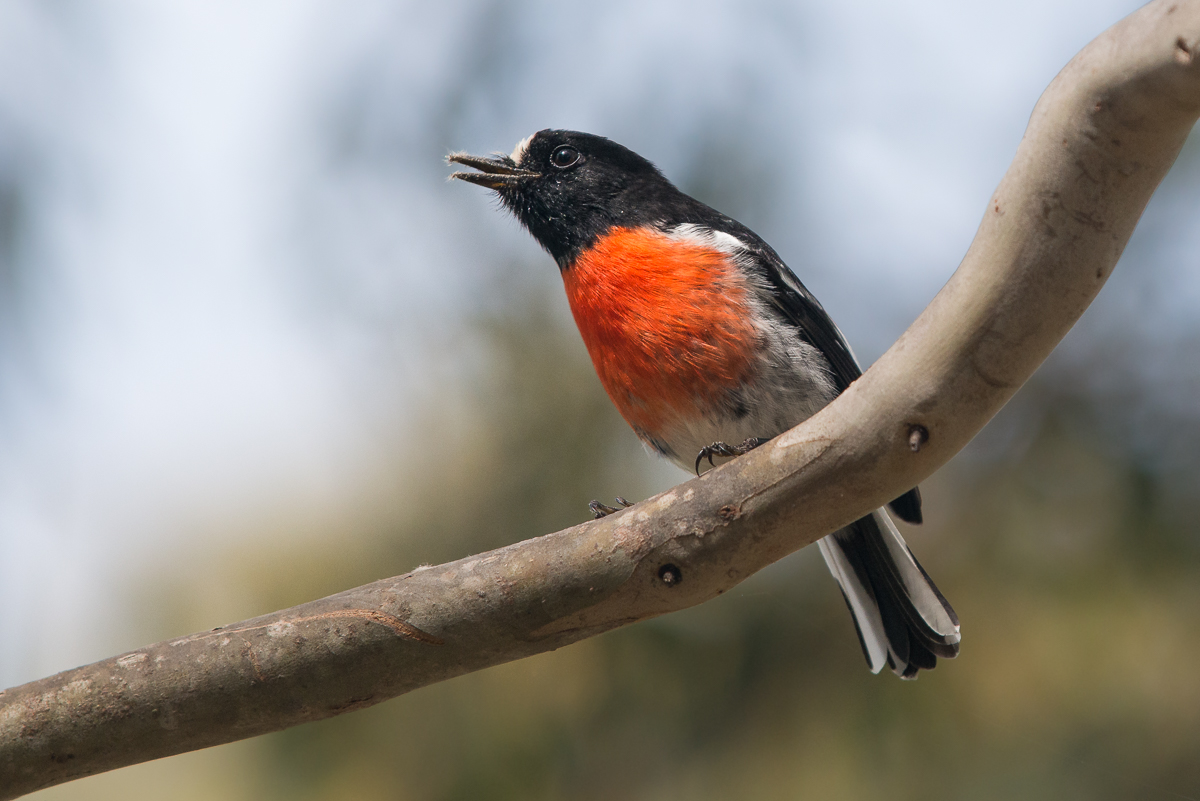
Scarlet Robin

Cancellation Policy

  • Cancellation up to 91days before departure date, your is deposit forfeited
  • Between 90- 61 days if you cancel the whole tour, there will be a 50% cancellation fee
  • If you cancel within 60 days prior to the tour departure date, a 100% cancellation fee applies.

WildNature COVID 19 Cancellation Policy:

In the event of the cancellation of the 7 day Waterfall Way photography workshop, or you are unable to travel to the state of the workshop or tour due to Government-imposed travel restrictions, specifically due to COVID 19, you will be eligible for the following:


  • A full refund, less any cancellation fees incurred by the operator from the tour accommodation and activity suppliers.

8 Day Kakadu and Top End Bird Photography Adventure – Northern Territory

  • Yellow Water - Kakadu N.P. - Northern Territory
    Yellow Water - Kakadu N.P. - Northern Territory

*Nitmiluk Falls image courtesy of Charles Carmichael
*Saltwater Crocodile image courtesy of Geoffrey Reid
*Top End sunset image courtesy of Peter Eve

Next workshop: TBA

About the Workshop and Tour

NEW

Capture the essence of tropical North Australia with your camera, on this 8 day photographic adventure. This unique photography adventure has been designed specifically with photographers in mind. One of the most pristine and photogenic regions in Australia,  immerse yourself in the nature and culture of Kakadu and the Top End. As well as being a bird watchers paradise, it has a rich and ancient Aboriginal culture, pristine and remote waterfalls, some unique flora and fauna, vast wetlands, spectacular gorges, amazing sunsets and wide open spaces.You can certainly escape the crowds here!

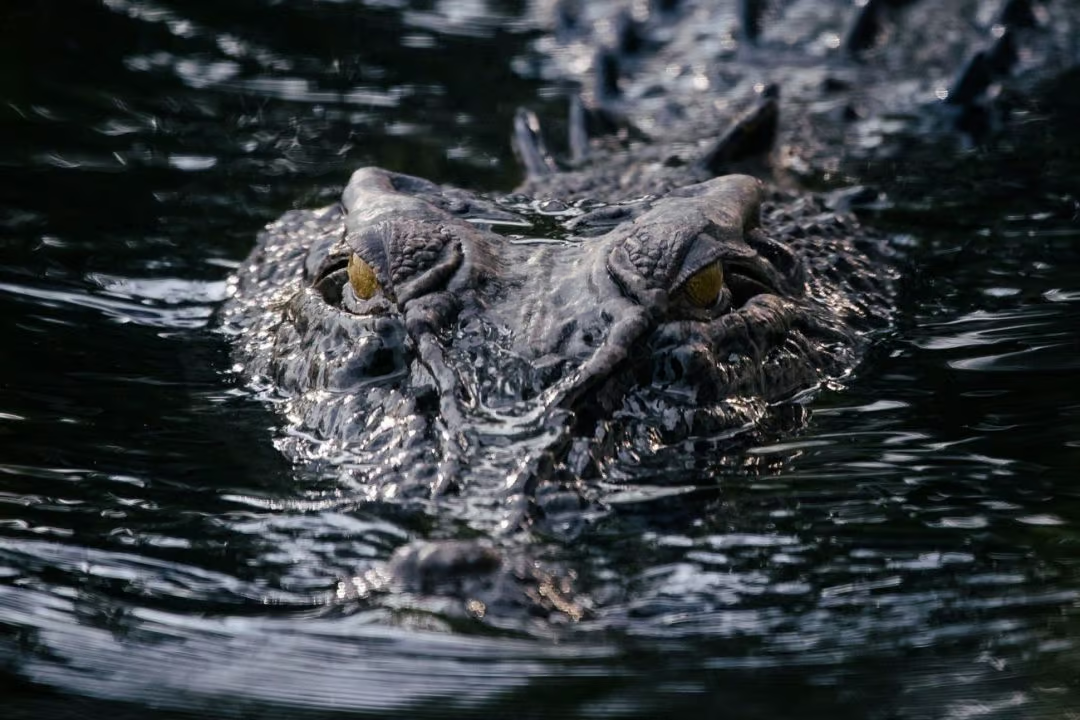
We’ll get the opportunity to photograph some of Kakadu’s 280 bird species, as well as the legendary saltwater crocodile, on two private wetland cruises, for our group only.  We’ll stay at a true Territory Cattle station and enjoy an Aussie BBQ and sunset at a special and private location on the property. We’ll cruise through the spectacular Nitmiluk Gorge at sunset, stay at an exclusive safari camp in a restricted area of Kakadu, view ancient Aboriginal rock art, swim in beautiful waterfalls and enjoy sweeping vistas.

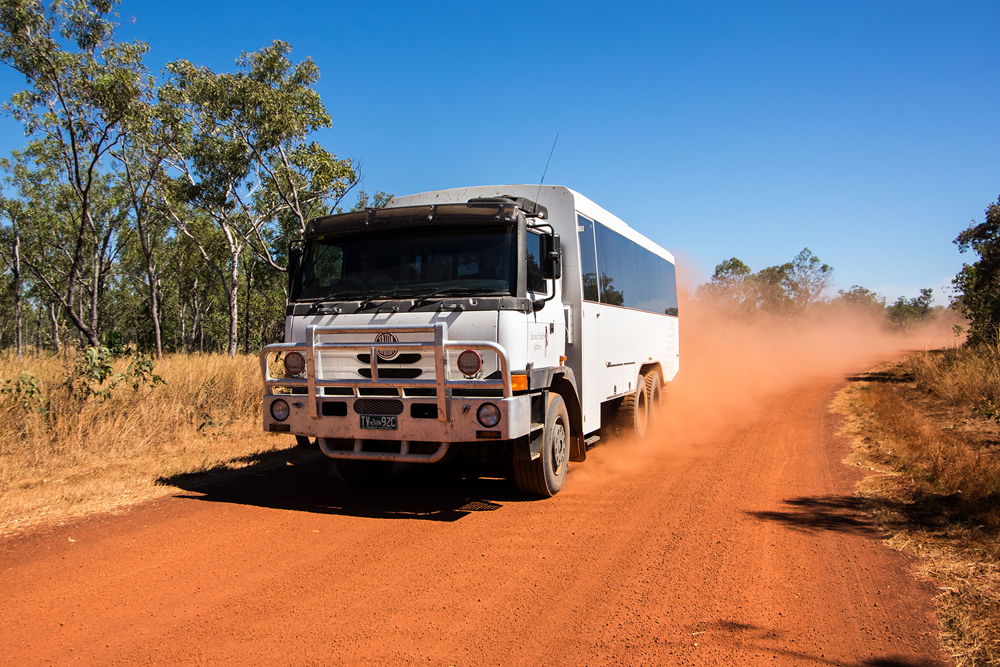
PLEASE NOTE: Rather than being crammed into small 4WD vehicles, you will travel in a 23 seater 6WD air conditioned bus, with a maximum of 13 passengers. This means each person you will have extra room for comfort and for your photographic equipment.

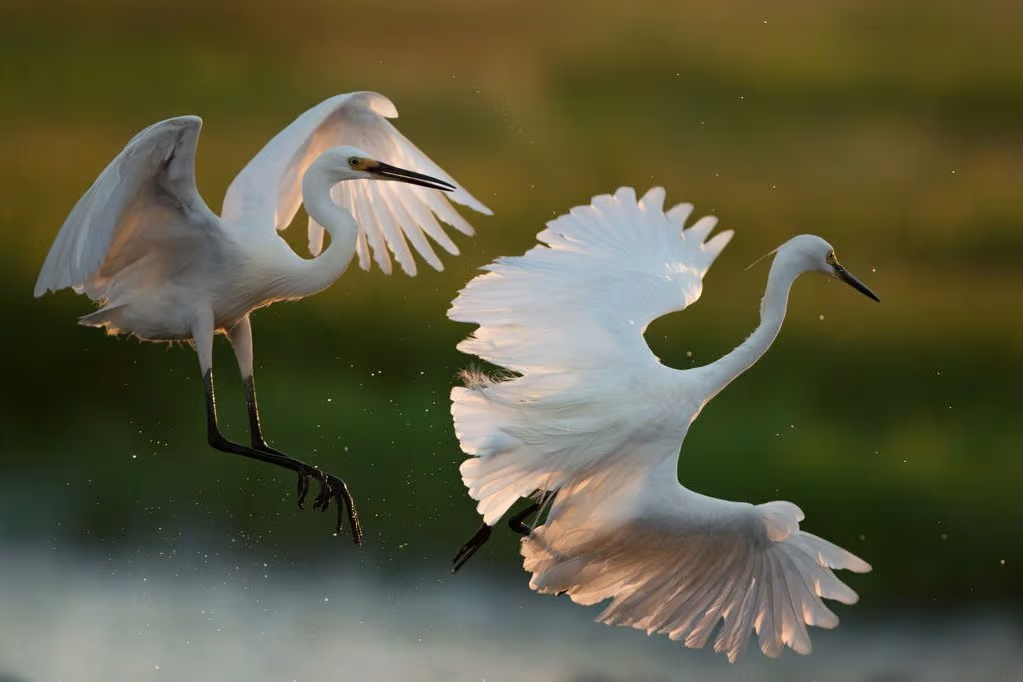
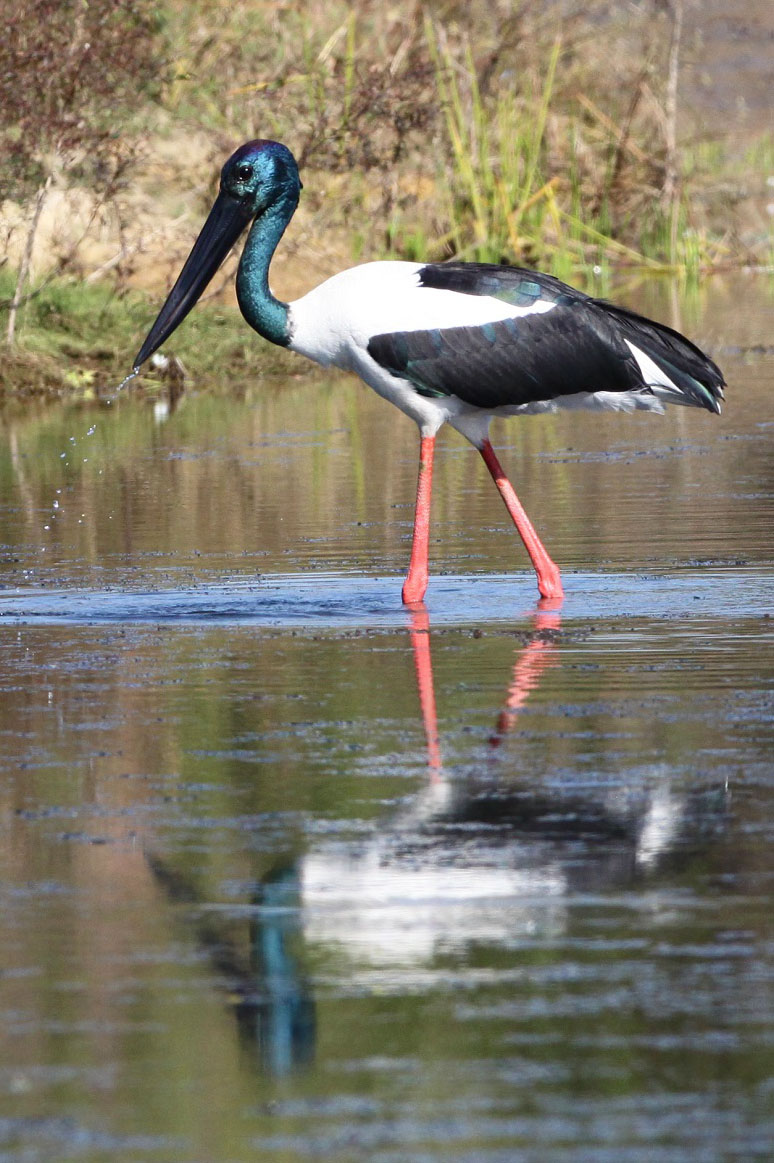
Jabiru

Locations include:

  • Darwin
  • Litchfield National Park
  • Mt  Bundy Station
  • Katherine
  • Nitmiluk Gorge
  • Yellow Waters Billabong
  • Nourlangie Rock
  • Cahills Crossing
  • Mary River
  • Fogg Dam

Dates

TBA

Price

TBA

Your Guides

Professional Photographer and Tutor, Michael Snedic

Kakadu_Photo_Tour_10

Contact Michael Snedic directly
on +61 408 941 965

Meeting Point

Darwin - Northern Territory (WildNature Photo Expeditions can assist you with booking a room in Darwin at the beginning and the end of your photography adventure)

Accommodation

As per itinerary

Transport

23 seater 6WD air conditioned bus 'Tatra'. There will be a maximum 13 guests onboard, for maximum comfort, with two guides.

Kakadu_Photo_Tour_7

Photography Level

There is no “minimum level” required regarding photographic ability. Beginners and highly experienced shooters alike are all very welcome to join us. You will receive plenty of individual one-on-one time that will be geared towards your own personal skill levels and needs.

Kakadu_Photo_Tour_3

Inclusions

  • Sole use of 6WD tour coach, with air conditioning, tinted windows, reclining coach seats and speaker system with professional driver guide
  • All meals and some snacks
  • 8 nights tour accommodation, as listed including exclusive Hawk Dreaming touring for camp guests only
  • Kakadu park entry ticket
  • Private sunset Corroboree Billabong cruise
  • Private sunrise Yellow Waters cruise
  • Private BBQ dinner experience at Mt Bundy Station
  • Sunset dinner Nitmiluk Gorge cruise (not private)

Exclusions

  • Arrival/departure flights
  • Travel insurance
  • Alcohol
  • Airport transfers

Kakadu_Photo_Tour_5

Your Tutor: Michael Snedic

Michael Snedic, Professional Photographer and Proprietor of WildNature Photo Expeditions, has been passionate about the natural world since he was very young and has now been photographing wildlife and nature for twenty years. He is one of Australia’s most accomplished and published nature photographers, his images having won numerous awards. Michael’s images have been published across Australia and the world, in hundreds of publications. He has also written many dozens of magazine articles on nature/photography since 2001, including Australian GeographicWildlife AustraliaBirdlife Australia, the UK’s BBC Wildlife and Australian Photography (Australia’s largest-selling photography magazine) which he has been a feature writer for since 2006.

Michael is honoured to be a Nikon School tutor as well as The Nature Conservancy Australia’s Photo Competition Ambassador and judge for three years running.

Itinerary

Arrival day into Darwin (D)

Upon arrival into Darwin, please make your way to our centrally located accommodation in Darwin City.The rest of the day is at your leisure- perhaps relax in the hotel pool or take a walk along the Esplanade.

This evening we’ll have our first group dinner. Your driver guide and photography tour leader will run through the itinerary with you for the next week and this is a great opportunity to get to know your fellow travellers.

Overnight accommodation- Hotel room with en-suite in Darwin city

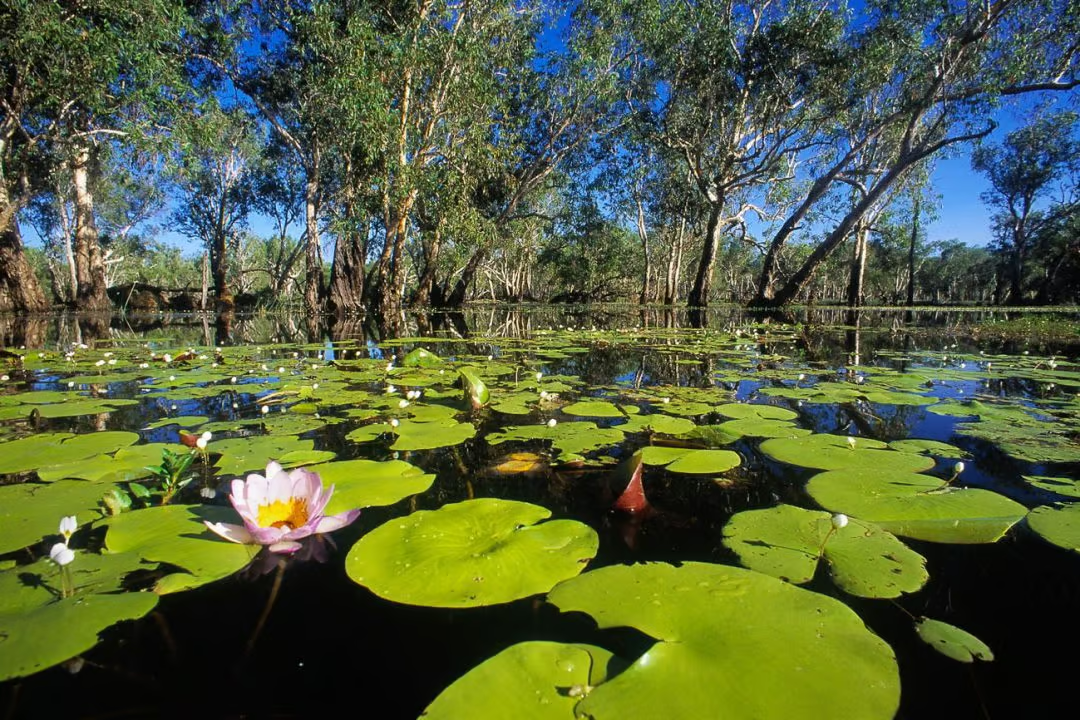
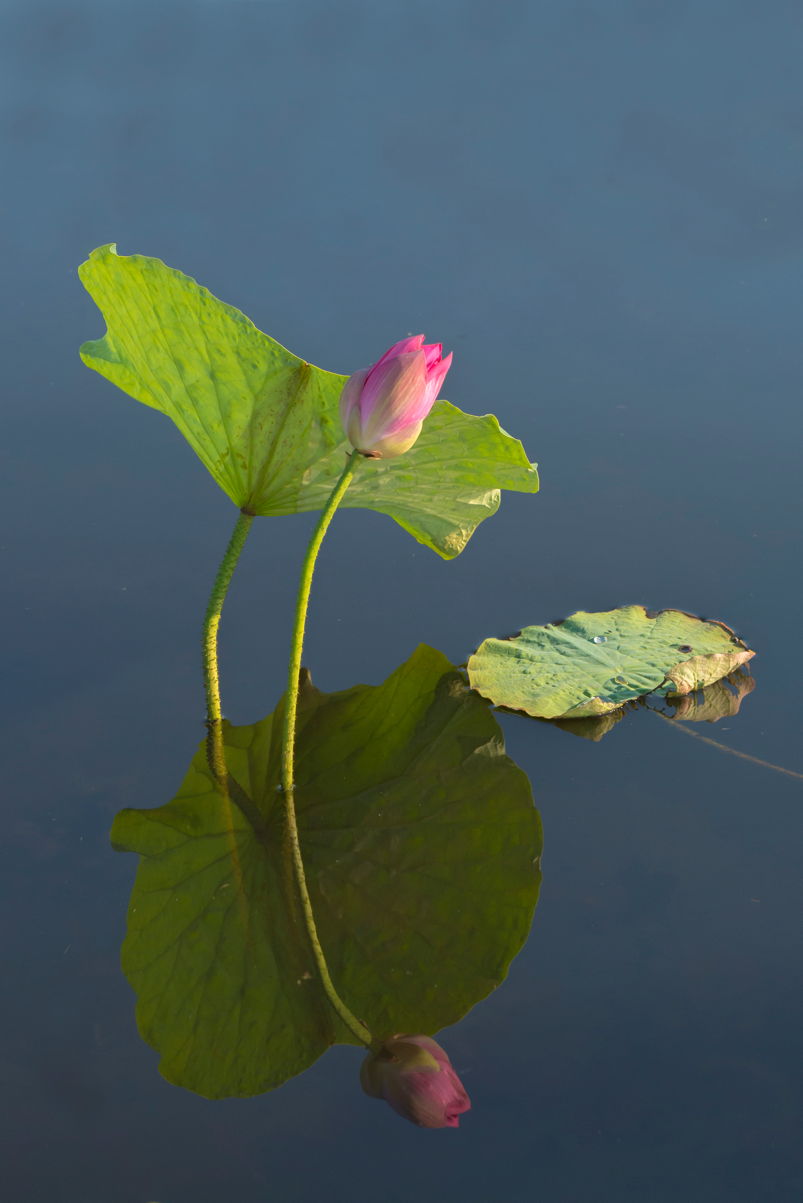
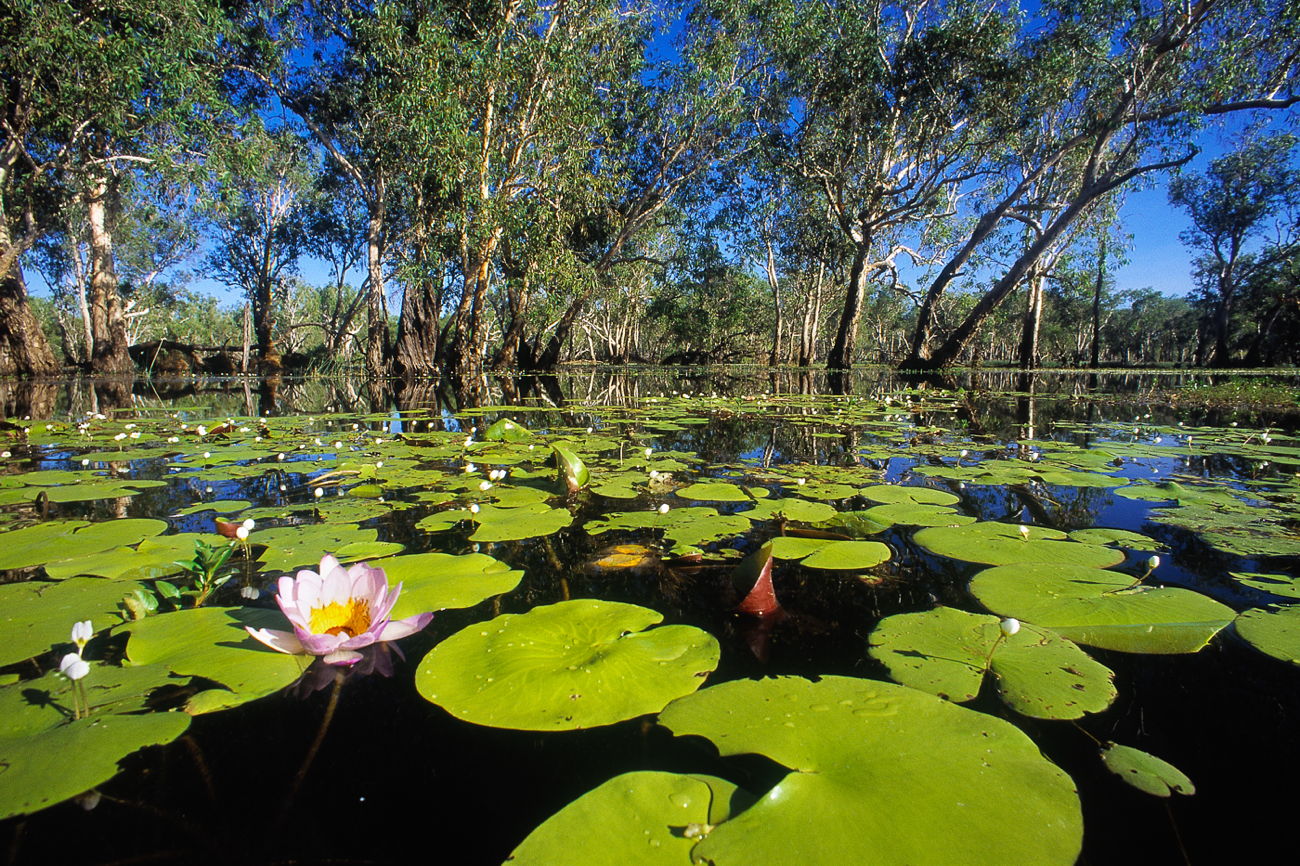
Lotus flower 2

Day 1 (B,L,D)

An early start today (to beat other travellers), departing the hotel at 6.30am and heading south, to the beautiful Litchfield National Park.

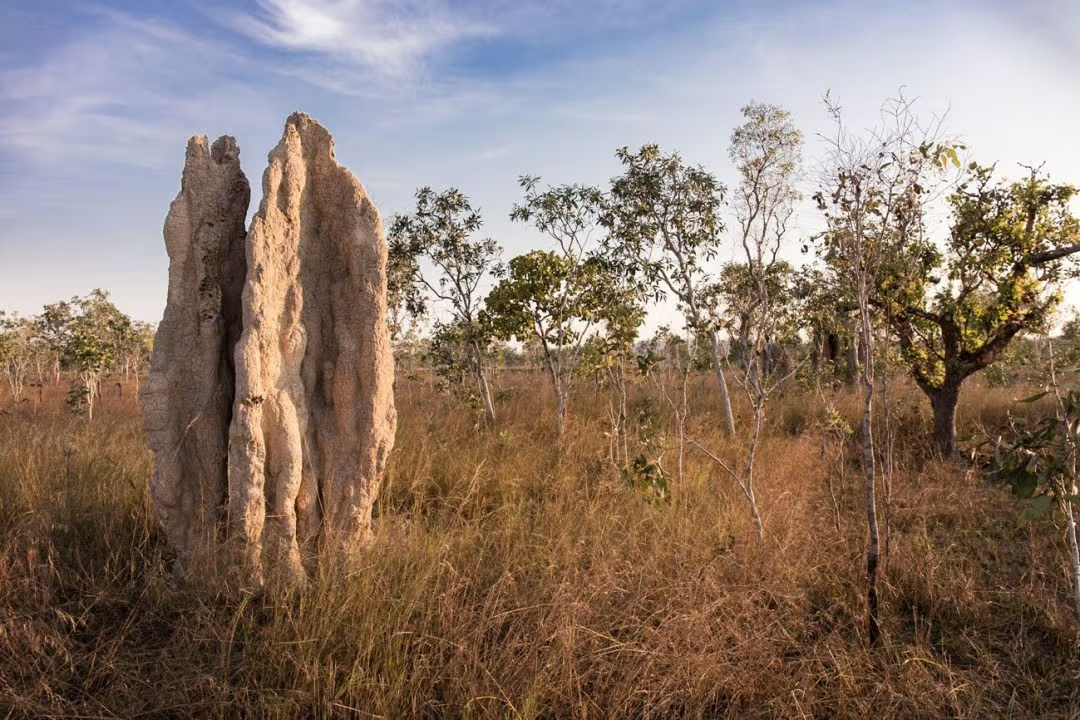
We view the amazing magnetic and cathedral termite mounds and we can have a swim at Wangi Falls, Florence Falls and Buley Rockholes which are a series of small waterfalls that are a great place to simply sit and relax. There is also a lovely hike along the riverbank from Florence Falls to Buley Rockholes,

Mid- afternoon we depart Litchfield and drive to Mt Bundy Station, which is our accommodation for this evening. The station has an interesting history and is set in a picturesque bush setting, attracting a multitude of wildlife- it’s fantastic for photography.

Once we’ve settled into our accommodation, we’ll depart for a special evening dinner experience, exclusively for our group ! About 3km away from the main station area (so no lights or other people !) is Racecourse Billabong. This is a lovely spot for photography with birds, cattle, floodplain, termite mounds, campfire, sunset and we can stop along the way too. Help yourself to the drinks and nibbles, while our dinner, an Outback BBQ is being prepared.

Overnight accommodation at Mt Bundy- rooms with air-con. There is a mix of double, twin and single rooms split between 2 buildings. Bathrooms are shared (2 bathrooms per building- suggest 1 male and 1 female)

Kakadu_Photo_Tour

Day 2 (B,L,D)

A later start this morning, departing Mt Bundy around 10am. For the earlier risers, you may like to watch sunrise or take a wander around Mt Bundy and photograph the wildlife, including heaps of wallabies, water buffalo, horses, peacocks, donkeys and guinea fowl.We’re heading south this morning to the township of Katherine, with a stop en-route in the historic town of Pine Creek. Once we reach Katherine, we make our way out to the Katherine Hot Springs. These natural thermal springs are a lovely spot for a dip in the warm waters, framed by native vegetation. For those that don’t want to swim, there are some short walking trails to enjoy too.

We check into our accommodation and after freshening up, we depart for nearby Nitmiluk Gorge, home to 13 spectacular gorges, carved out of the rock by torrential summer rains, over millions of years. Late this afternoon you’ll cruise for 2 hours through the gorge, discovering the customs of the traditional land owners, the Jawoyn people. Discover the stories and ways of the Jawoyn people against the magnificent backdrop of the Nitmiluk Gorge, changing colour with the setting sun. The tour includes a three course candle light dinner, featuring fresh, local Australian produce cooked on board, a complimentary glass of sparkling wine, tea and coffee.

**please note that this is a public cruise, so there will be other people on board. Tables are 4 seater, so the group will be split up at different tables**

Overnight accommodation- motel room with en-suite in Katherine

Tourism NT and Geoffrey ReidImage courtesy of Tourism NT and Geoffrey Reid

Day 3 (B,L,D)

Departing Katherine, we now head north again to Leilyn (Edith Falls), which is also part of Nitmiluk National Park. Leilyn is well known for it’s picturesque waterfalls and pools, particularly the large pool at the base of the escarpment which is surrounded by pandanus palms and is a great spot for a swim. A large variety of birds can also be seen in this area.You also have the option of taking the Leliyn Trail - a walk that takes you across the top of the waterfall, where you can have a swim in the upper rockpools and will get views of the waterfalls and Edith River from a couple of lookouts.

This afternoon,we make our way into World Heritage listed Kakadu National park through the southern entrance. Kakadu is the largest national park in Australia, has some of the world’s finest rock art and a variety of habitats, including floodplains and savannah woodlands.

Kakadu's many habitats support more than 280 species of birds, or about one-third of Australia's bird species. Some birds range over a number of habitats, but many are found in only one environment, including the Chestnut-quilled Rock-Pigeon, Banded Fruit-Dove, White- Lined Honeyeater and the White-throated Grasswren, which are only found within or near Kakadu National Park.

Overnight accommodation in Kakadu- Kakadu Lodge Cooinda, motel rooms with en-suites (2 night stay)

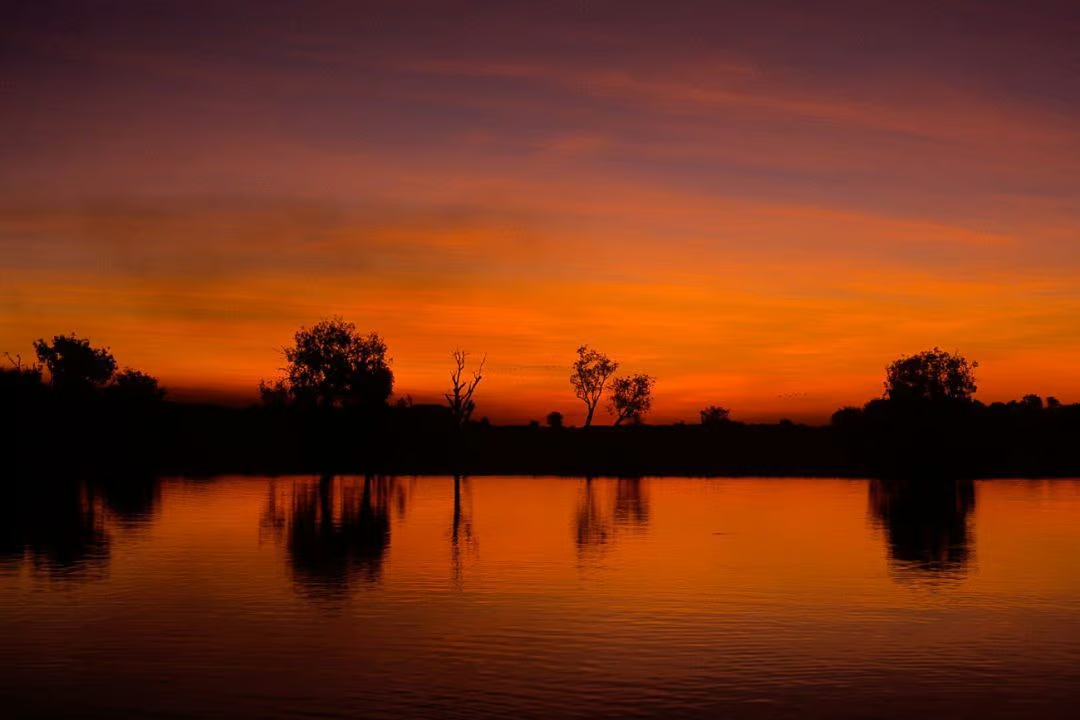
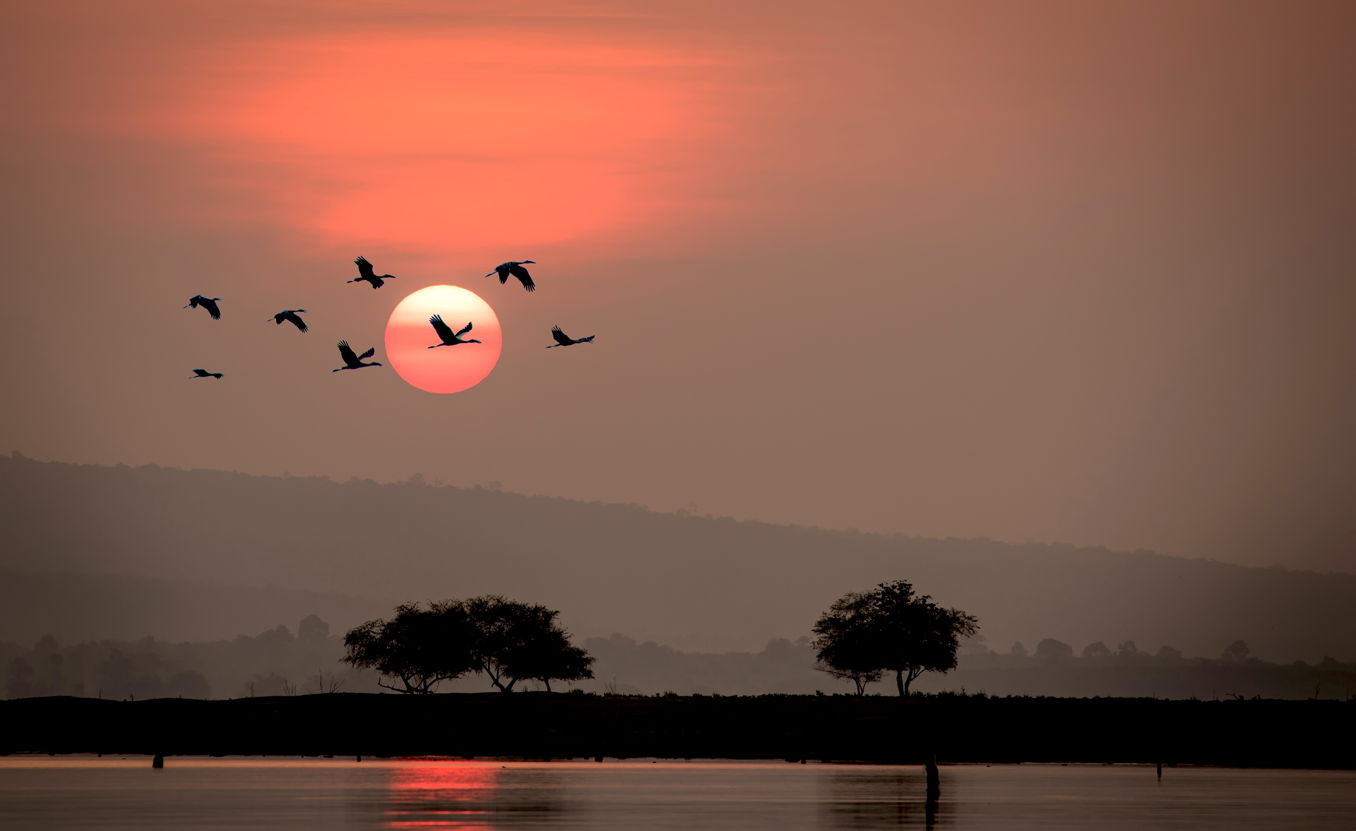
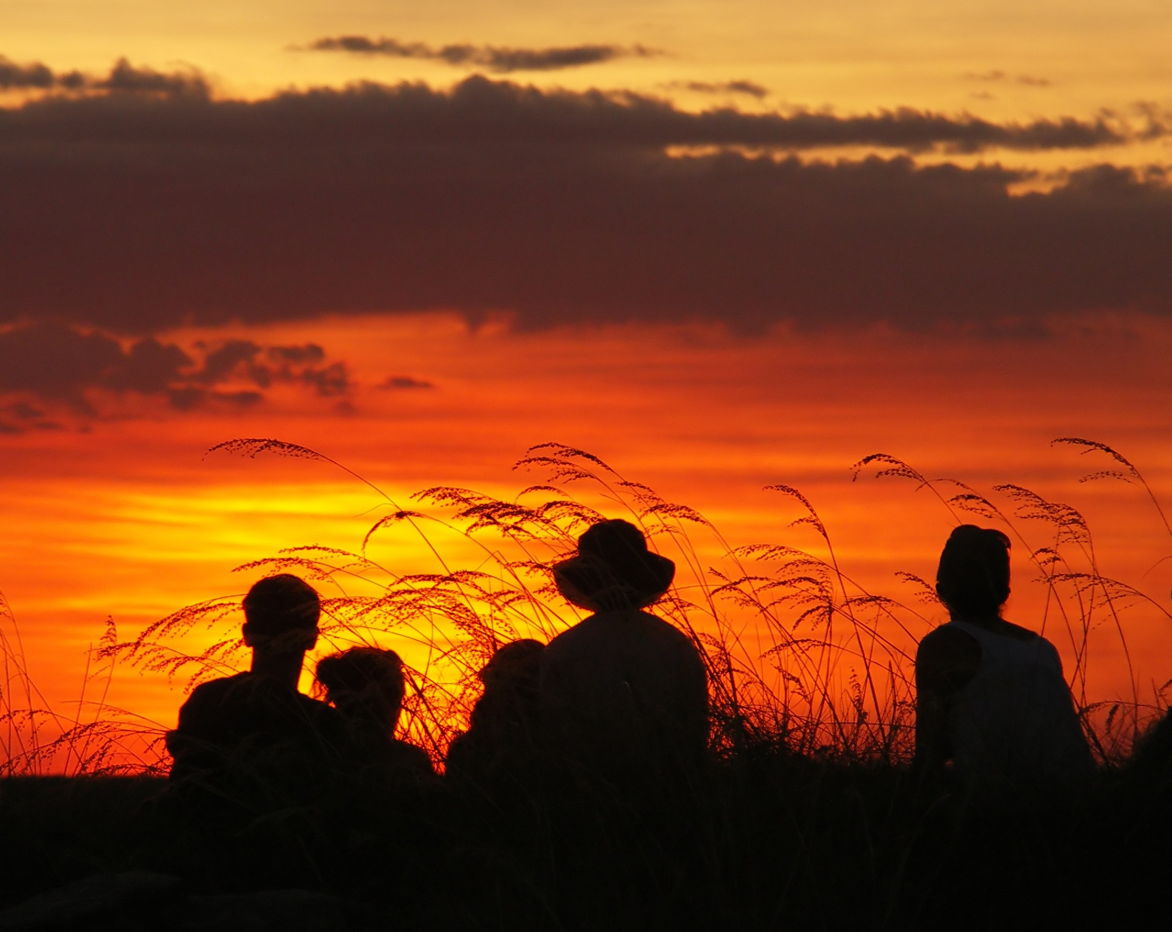
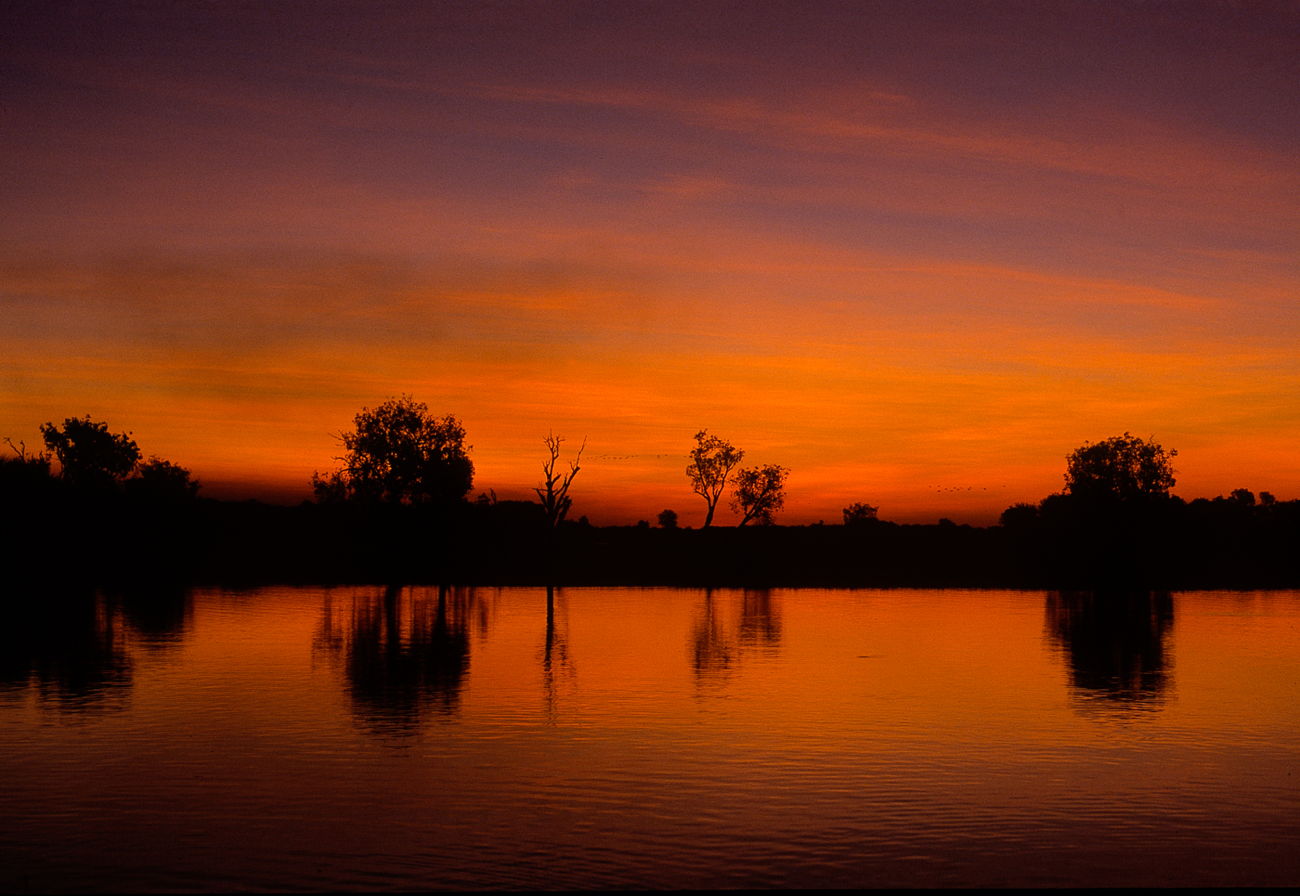
Sunset over Yellow Water

Day 4 (B,L,D)

For those that want to watch sunrise, there is a walk down to the water at Home Billabong and the gardens surrounding the lodge are home to a variety of birds and wildlife.This morning we travel to the very south of the park, and Gunlom. After a scenic drive in, on an unsealed dirt road, we reach a large plunge pool at the base of the waterfall, which is great for a swim. You also have the option to take the walk to the top of the falls where pristine rockpools and a spectacular view await you.

Late this afternoon we travel to Nawalandja lookout and the beautiful Angbangbang Billabong, where you have the choice of taking the loop walk around the billabong to watch the birds, or simply enjoy them from the picnic area. The short hike to Nawalandja lookout is rewarded by a magnificent view over the Arnhemland escarpment.

Overnight accommodation in Kakadu- Kakadu Lodge Cooinda, motel rooms with en-suites

Kakadu_Photo_Tour_8

Day 5 (B,L,D)

We start today on a PRIVATE 2 hour sunrise Yellow Waters Billabong cruise for our group only. Located at the end of Jim Jim Creek, at least 60 bird species are found in these wetlands, the billabong is home to many saltwater crocodiles and you may see other wildlife such as Water Buffalo.Back to the lodge for breakfast and check out. We now travel to the Bowali Visitor Centre (a permit condition for Photography groups), for a look around and a short briefing by park staff.

We have lunch, check into our accommodation and have some time to relax in our rooms.

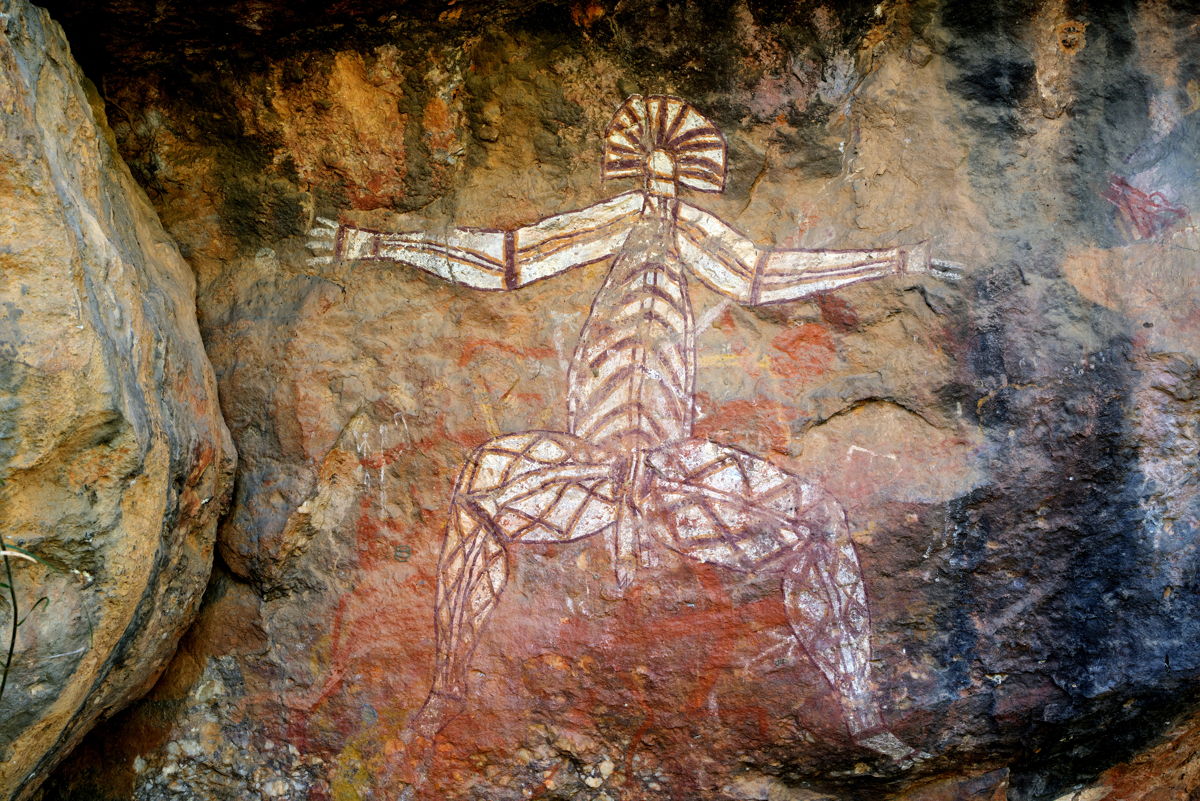
Late this afternoon we drive to Ubirr in the very north of the park. Here we walk through galleries of ancient aboriginal rock art, which your guide will interpret. At the end of the walk we reach the top of the plateau, where you can relax and enjoy the spectacular view over the floodplains and the Arnhemland escarpment. The escarpment is also home to a variety of birds including the Chestnut-Quilled Rock Pigeon, Banded Fruit- Dove, Whistling Kite, Bush Stone- Curlew as well as the short-eared rock wallaby. This is a great spot for sunset and we have plenty of time to enjoy this experience.

Overnight accommodation in Kakadu- Mercure Crocodile Hotel, hotel rooms with en-suites

Kakadu_Photo_Tour_4

Day 6 (B,L,D)

Our destination this morning is Nourlangie Rock, which is an ancient Aboriginal shelter. Here we explore the area and the rock art, which you guide will interpret for you. This area is home to the Black Wallaroo (endemic to the Nourlangie area), short-eared rock wallaby, Banded Fruit- Dove, White-Lined Honeyeater and the Chestnut-Quilled Rock Pigeon.We now travel north again, have lunch and this afternoon you are guests of the Bunitj Clan who are the traditional custodians of the Cannon Hill region. Tonight you’ll stay at the Hawk Dreaming safari camp, an exclusive, indigenous owned camp located in a restricted and culturally significant area of Kakadu National Park.

After you settle in, you are treated to exclusive guided touring to nearby rock art sites and a billabong to take in a spectacular sunset on the escarpment and over the wetlands while enjoying appetisers and cool drinks.

Overnight camp- Hawk Dreaming safari camp in safari tents with en-suites on Dinner, Bed and Breakfast (DBB) basis
There is no air-con here but tents are fly screened allowing the cool air into the tents and they also have ceiling fans.

**please note that your Sacred Earth Safaris guide will not stay with you at Hawk Dreaming, as they have their own guides to look after you during your stay**

Yellow Water - Kakadu N.P. - Northern Territory

Day 7 (B,L,D)

After breakfast you’ll meet up with your Sacred Earth Safaris driver guide again and drive to nearby Cahills Crossing. This is the crossing on the East Alligator River that separates Kakadu and Arnhemland and it’s notorious for the larger number of crocodiles that live in the area. We can view the crossing and crocodiles from the safety of the lookout !We now start our journey back towards Darwin. En-route we call in to the beautiful Mamukala Wetlands, which can be viewed from the observation platform. Mamukala Wetlands are home to an array of wetland birds including thousands of Magpie Geese, Wandering and Whistling Ducks, Green- Pygmy Geese and Australian Pelicans. We may also see birds of prey, such as Black-breasted Buzzard and Square-tailed Kite.

After lunch we depart Kakadu and continue into the Mary River region. After a comfort and coffee stop, we continue to Corroboree Billabong, part of the Mary River Wetlands, which is teeming with bird life. Late this afternoon we’ll take a PRIVATE 2.5 hour sunset cruise (just our group !). The wet season transforms the wetlands into an inland sea and replenishes the earth after the long dry and fish, crocodiles and birds breed and flourish. As the flood waters subside, the dry season offers excellent opportunities for viewing birds and wildlife. Keep an eye out for Saltwater crocodiles, Water Buffalo, Wallabies and of course, birdlife.

Species of birds that can be found in the Mary River region include Gouldian Finch, Rufous Owl, Grey Goshawk, Great- Billed Heron, Black Bittern, Rainbow Pitta, Brolga, Jabiru, Kingfishers, Darters, Cormorants and Sea Eagles.

After the cruise we have dinner at a nearby roadhouse and then travel back to Darwin.

Overnight accommodation- Hotel room with en-suite in Darwin city

Kakadu_Photo_Tour_6

Kakadu_Photo_Tour_9

Day 8 (B)

Our final early start (but worth it !) for a 1 hour drive out to Fogg Dam Conservation Reserve. These wetlands have international significance because of their beauty and natural ecosystems. A variety of fauna may be found here throughout the year as well as a large variety of birdlife (230 bird species have been listed in this area by The Australian Bird Atlas).As well as viewing the wetland birds as we drive across the dam wall, we also have the option of taking one of woodlands walks- either the 2.7k Monsoon Forest Walk or the 2.2km Woodlands to Waterlily Walk.

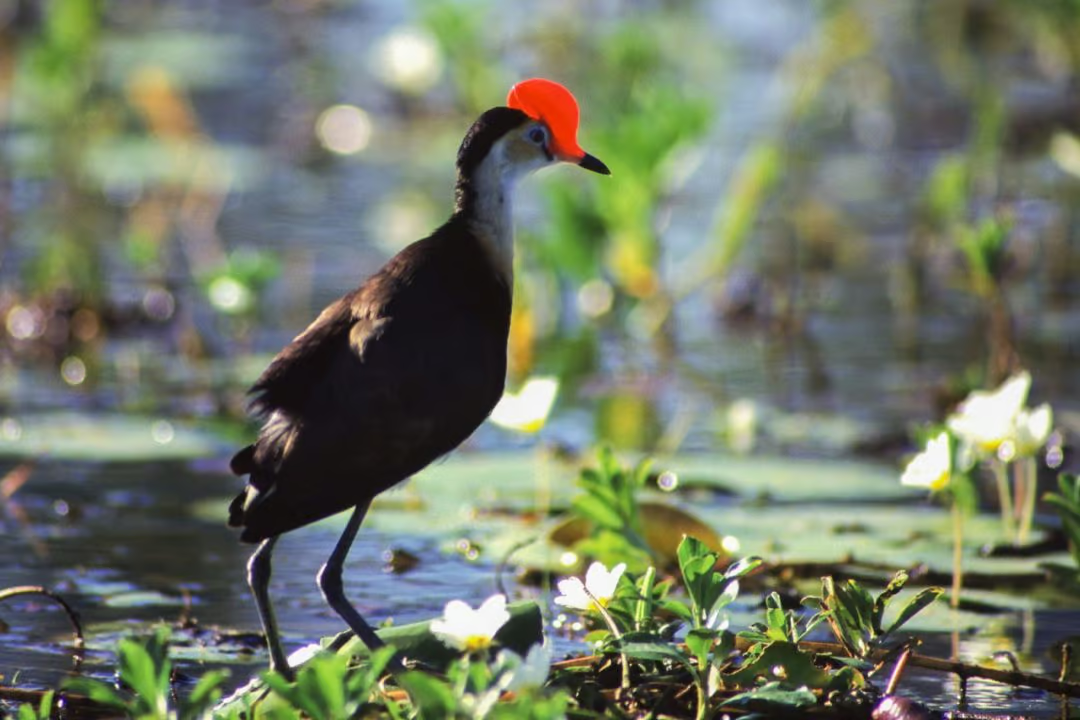
Along with wetlands birds, such as Brolga, Jabiru, Comb Crested Jacana, Sacred Kingfishers and Royal Spoonbills, we may also have the opportunity to see a range of other birds such as Crimson finches, Double Barred Finches, Rainbow Bee-Eaters and the Rainbow Pitta.

After several hours to explore and enjoy this nature hotspot, we return to Darwin, arriving at approximately 12 noon.

Tourism NT

To Make A Booking

Please contact Michael to be sent payment details

Your position on the tour will be guaranteed immediately upon payment of non-refundable deposit of AU$900 (plus GST). The balance will be due 90 days before the start of the workshop date.

Kakadu_Photo_Tour_2

Cancellation Policy

  • Cancellation up to 91days before departure, deposit non-refundable or transferable.
  • Between 90- 61 days if you cancel the whole tour, there will be a 50% cancellation fee
  • If the whole tour is cancelled within 60 days prior to departure, 100% cancellation fee applies.

WildNature COVID 19 Cancellation Policy:

In the event of the cancellation of the 8 day Kakadu and Top End photography workshop, or you are unable to travel to the state of the workshop or tour due to Government-imposed travel restrictions, specifically due to COVID 19, you will be eligible for the following:


  • A full refund, less any cancellation fees incurred by the operator from the tour accommodation and activity suppliers.

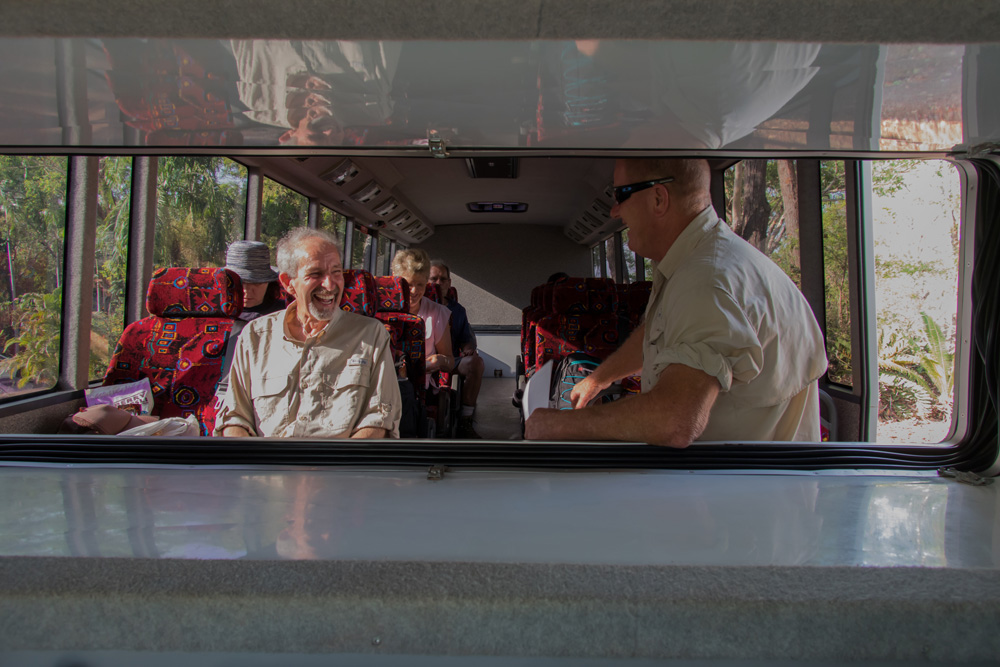
Inside of Tatra

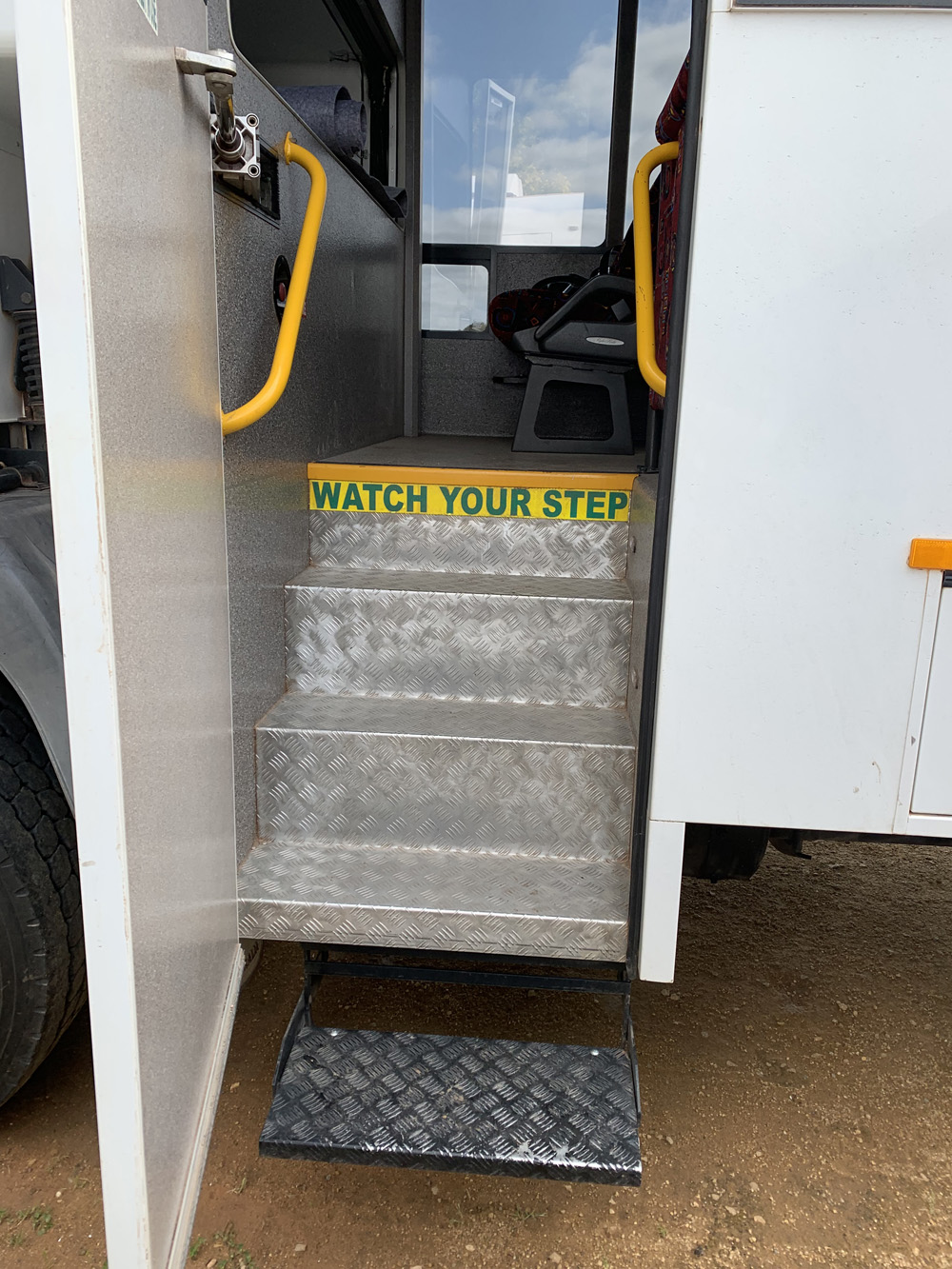
Tatra entry steps

Tatra 6WD coach with 23 guest_seats

Wildlife Photography Workshop – North West Brisbane

AS FEATURED ON CHANNEL SEVEN'S 'GREAT SOUTH EAST' PROGRAM

Where:

Closeburn - N.W. Brisbane, near Samford

When:

TBA

Times:

9am to 11.30am

Cost:

TBA (Price includes photographic tuition from Michael, wildlife usage and two wildlife handlers)

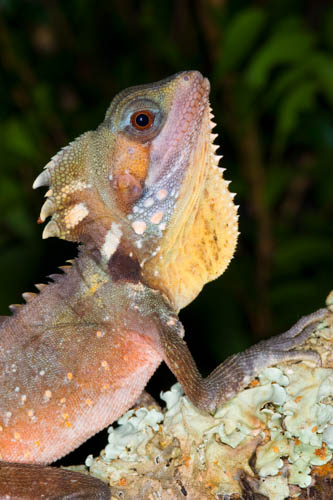
Boyd's Rainforest Dragon | Wildlife Photography Courses

Contact Michael Snedic directly
on +61 408 941 965

Itinerary:

Private property in Marshall Lane, Closeburn, (north west Brisbane) approximately 6kms from Samford (North-west Brisbane

  • Overview on best techniques for photographing mammals, birds, reptiles and frogs
  • Wildlife photography in a natural, bushland setting.
  • Short break and review of camera settings and photographic techniques
  • More wildlife photography with different species


Smooth Knob-tailed Gecko

This workshop is designed to give you, the photographer, the opportunity to photograph variety of mammals, frogs and reptiles at close range. Some of the species are virtually impossible to photograph in the wild, so this is a chance you will not want to miss! All species are set-up in a totally natural environment, so that your images don’t have man-made structures showing.

Michael will also give professional photographic tuition throughout the workshop. He will teach you how to take the best possible photos as well as getting the most out of your camera.

Perentie

Some of the species that may be available on the day:

  • Brush-tailed Bettong (critically endangered)
  • Northern Brown Bandicoot
  • Ringtail Possum
  • Green Tree Frog
  • Great Barred Frog
  • Magnificent Tree Frog
  • Southern Angle-headed Dragon
  • Boyd's rainforest Dragon
  • Shingeback Lizard
  • Lace Monitor
  • Perenti
  • Freshwater Crocodile
  • Woma
  • Black-headed Python
  • Pygmy Python

Magnificent-Tree-Frog

Booking:

To book your place, please use the contact form and you will then receive payment details.

Fresh-water Crocodile

Michael's wildlife photography workshops at Closeburn have been incredibly popular over the years, with many booking out. Please book early to avoid disappointment!

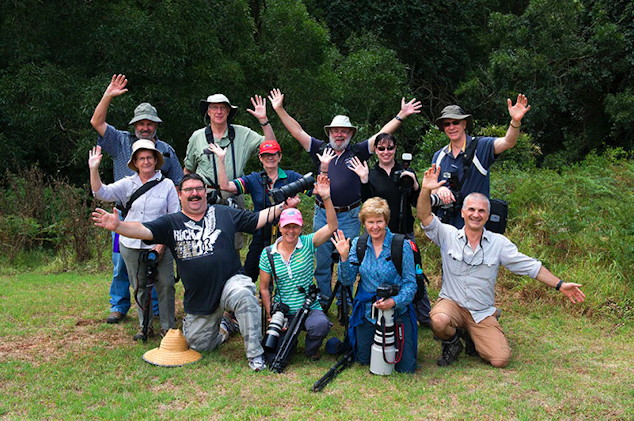
Wildlife Workshop Participants

White-lipped Green Tree Frog | Wildlife Photography Courses

Rufous Bettong | Wildlife Photography Courses

12 Day Sri Lanka Photo Adventure

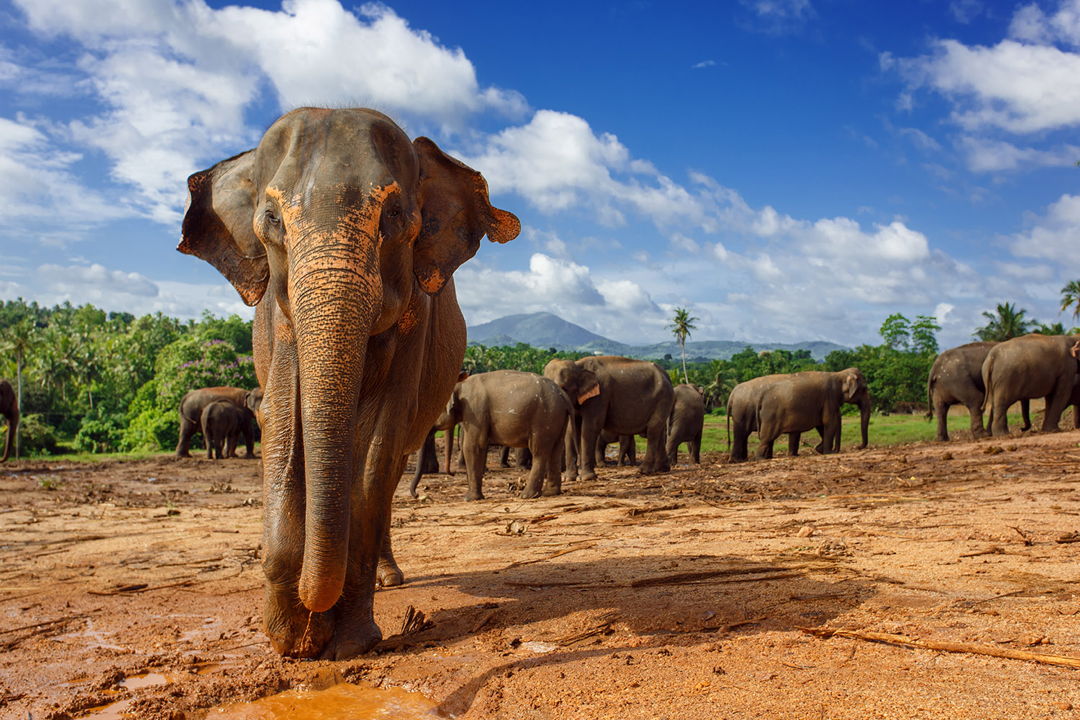
  • Asian Elephants

SRI LANKA – ISLAND ESCAPE

NEW

12 Days / 11 Night

POSTPONED DUE TO COVID 19

Sri Lanka is an island paradise that's embraced by golden beaches and turquoise-blue waters. This biodiversity hotspot has cool mountains, ancient lakes and forests teeming with endemic birds, reptiles, and mammals such as leopard, elephant and sloth bear.

This ancient land has a vibrant culture, magnificent archaeological sites and monuments, old-world cities to explore and friendly people offering warm hospitality.

Price:

TBA

Sloth Bear

It's an incredibly exciting destination for a photo voyage. We begin the adventure in the fishing town of Negombo, before moving into the heart of Wilpattu National Park for our wildlife safari. We will track elephant, leopard and sloth bear before we make our way to the country's "Cultural Triangle" to see ancient cities, temples and an epic national park where elephants congregate in great numbers. The city of Kandy is next – there's a more frenetic pace here that we can capture on slow shutter speed! Then we'll venture up into the misty highlands to see tea pickers in action, take one of the most scenic train rides in the world and wonder at stunning waterfalls. Our voyage finale is the southern coast visiting the second largest blowhole in the world, endless stretches of beaches before making our way to the UNESCO World Heritage-Listed Galle Fort.

Sri Lanka

Contact Michael Snedic directly
on +61 408 941 965

Includes:

  • Service of highly trained English speaking licensed naturalist guide with speciality in photography, nature and wildlife
  • Accompanied by Michael Snedic, professional Australian wildlife photographer and tutor
  • All road transfers in an air-conditioned coaster with ample space and comfort for the group
  • Accommodation as listed
  • All meals (note some lunches are 'on the go' so more like a picnic box)
  • Bottled water, refreshments, and snacks throughout the tour
  • Park entry fees and permits

Exclusions:

  • International airfares
  • Visas
  • Drinks (other than those provided in the vehicle)
  • Tipping
  • Items of a personal nature
  • Any pre or post tour requirements
  • Comprehensive Travel Insurance (compulsory)

Guests in Sri Lanka

Day 1 : Negombo

Upon landing at the Bandaranaike International Airport, you will be given a warm Sri Lankan welcome with the words “Ayubowan” by our Naturalist Guide and escorted to our vehicle.

Thereafter we will transfer to our nearby hotel in Negombo where we will check in and spend the remainder of the day at leisure after along flight.

Our hotel, ideally located by the beach, will give us a beautiful view of the setting sun and we can witness some beautiful tropical sceneries with the traditional catamarans heading out to sea.

Dinner and overnight stay in Negombo as a group at Goldi Sands Hotel in standard rooms with dinner and breakfast/brunch included.

Sri Lanka 3

Days 2 - 4 : Nochchiyagama

Early morning we will head to the Negombo Fish Market, which will be a great insight into daily life for Sri Lankans in this coastal area.

Negombo is a fishing town where most of the locals hail from fishing families by centuries of descent. Currently, over 2,000 boats including traditional outrigger canoes called ‘oru’ in Sinhalese, catamarans and larger mechanised motor boats operate from Negombo harbour. The harbour is best visited early in the morning, when it is a hive of activity. Fishermen can be seen taking fish from their nets, vendors within the market bargain and trade and a variety of different fish species including herrings, sardines, snappers, breamers, croakers, groupers, parrot fish, sprats, catfish, mullets and shellfish such as prawn and crab are stored in all parts of the harbour. A short drive away from the main fish market, is the fruit and vegetable market where local produce from all parts of the country and some imported food items are sold here which include a variety of local spices. Adjacent to the market, you can see fish being dried in the sun on the beach.

Return back to the hotel for a quick brunch, and checkout.

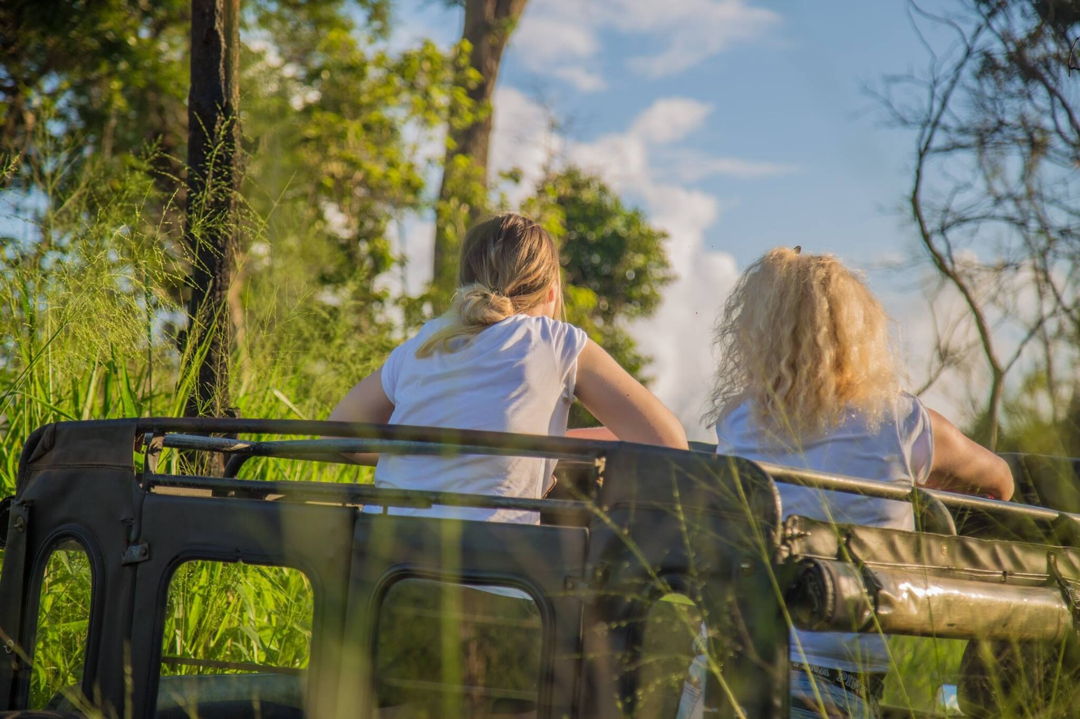
Thereafter we take a 4-hour journey through the countryside to reach Wilpattu National Park.

Here we will switch to a safari jeep and go through a jungle track to reach Wilpattu Safari Camp, our home for the next 3 nights.

We will be welcomed at the camp and check into our tents after a brief camp safety briefing and welcome from the host.

Lunch will be served at camp.

By around 15h00 we regroup and hop onto our safari jeep and embark on our first game drive to Wilpattu National Park.

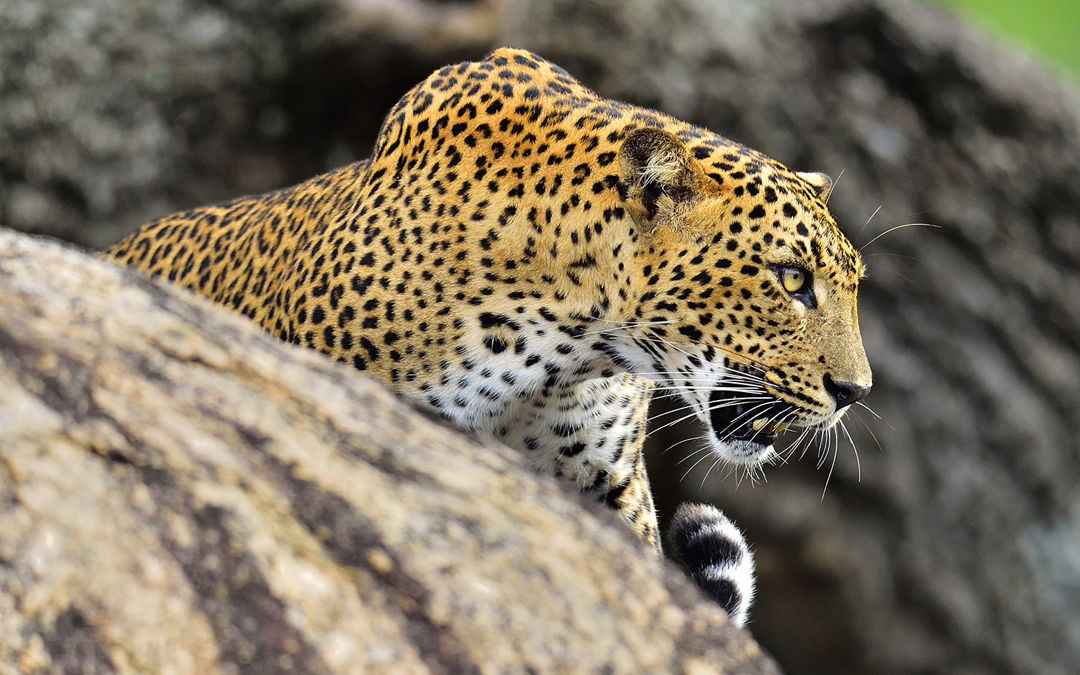
Popularly dubbed as ‘the land of the lakes’, Wilpattu National Park is famous for watching wildlife within its picturesque villus and dry evergreen forests. It is Sri Lanka’s oldest and largest national park which re-opened in 2010 after being closed for nearly three decades due to the civil war. Wilpattu is one of the top spots in Sri Lanka for watching Leopard and Sloth Bear. Other larger animals seen regularly here include Elephant, Jackal, Mugger Crocodile, Sambar, Spotted Deer and Buffalo are among the larger animals regularly encountered.

The park closes at 18h00 so we will get back to camp around dusk or just after.

Dinner is served and afterwards, we can head out on a night drive through the park buffer zone and village tracks with a spotlight in search of rarities such as the Jungle Cat, Fishing Cat, Rusty Spotted Cat and the Eurasian Otter, all best seen during this time of year and come out after dark. If you are truly lucky you might come across a prowling leopard.

Afterwards, we return to camp for a night of good night sleep.

Hornbill

YOUR NEXT TWO DAYS... will be spent on full day game drives in Wilpattu National Park.

Your morning breakfast will be provided packed and taken into the park.

Lunch will be served at the designated picnic site and served freshly delivered from the camp.

The full-day safaris enable you to get the most out of your Wilpattu experience, and spending time at water holes, and patiently reading the tracks and waiting, listening to alarm calls are all part of the game to get the perfect leopard sighting. Your naturalist guide, as well as jeep driver with their years of experience and instinct, will work tirelessly throughout to get the best sightings possible for you.

Return back to camp at dusk for dinner and rest.

Day 5 : Habarana

After our morning safari and breakfast, it's time to check out.

We will head towards Habarana.

Along the way, we visit a local village and tour in tuk tuks. We are then taken to a nearby lake where we load into boats and head to a little village. Here, we meet a local family and enjoy a walk around their property before joining the women in the kitchen to learn how to cook coconut roti.

The best part is we get to eat what we make and a full lunch is savoured from our banana leaf plates.

Afterward, we bid the family goodbye and head onwards to Habarana. It's only an hour drive so we will arrive before sunset.

We will check in to Cinnamon Village for three nights with all meals and activities included.

After dark, either before or after dinner (depending on your preference) we head out to an isolated park about 30 minutes’ drive from the hotel for a unique night walk which will bring us closer to the “Elves of the Forest” the secretive Slender Loris*. One of the most iconic wildlife experiences on the island, these almost “alien” like creatures are in fact primates and strictly nocturnal. They feed on small insects, reptiles and even birds and are seen at night in this location regularly. These are one of the most enigmatic creatures in the Sri Lankan wilderness and along with this, you might also get a glimpse of other rarities such as the Mouse Deer of Chevrotain, the Fishing Cat and much more, which your naturalist guide will keep an eye out for.

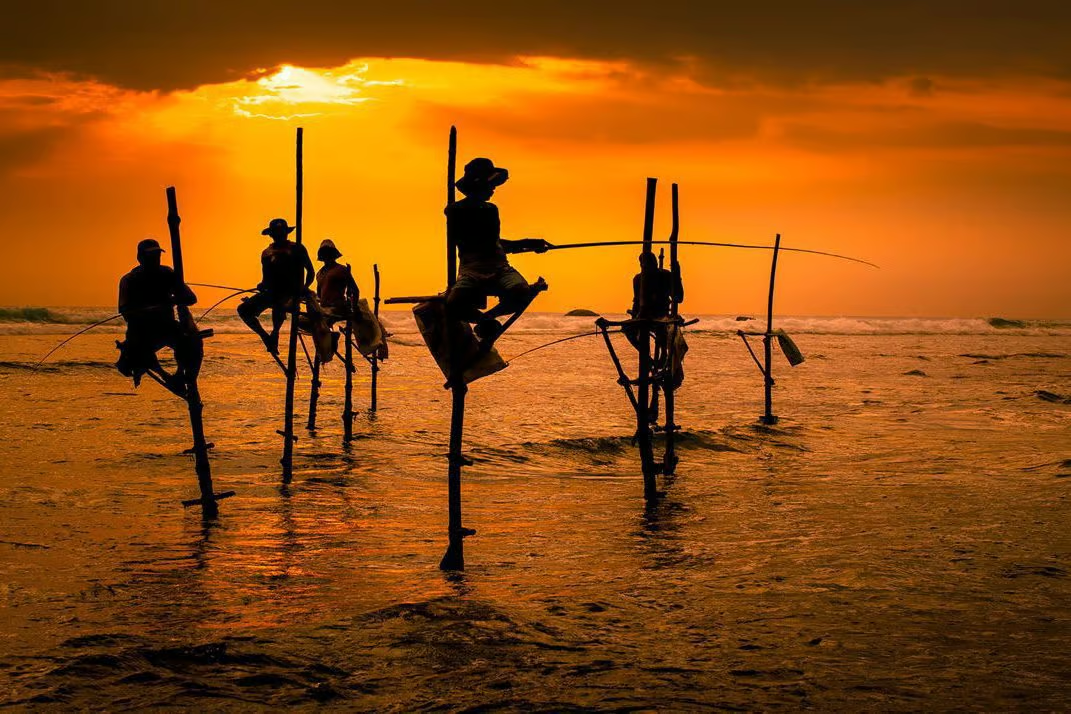
Sunset fisherman

*The red slender loris is a small, nocturnal strepsirrhine primate native to the rainforests of Sri Lanka. If you are into wildlife, this will fascinate you - the Loris is #6 of the 10 focal species and #22 of the 100 EDGE mammal species worldwide considered the most evolutionarily distinct and globally endangered.

Day 6 : Habarana

t's an early morning start as we head to Pidurangala, and climb the rock to witness a stunning backdrop which is excellent for photography (decent level of fitness required).

Pidurangala is a massive rock formation located next to the iconic Sigiriya rock fortress. The area has been occupied for over two thousand five hundred years by Buddhist monks who took residence in the caves around the site. The rock came into prominence when King Kassapa (477- 495AD), built Sigiriya, and moved the monks living around the Sigiriya Rock to a newly refurbished and enlarged temple and monastery complete at Pidurangala. The climb to the rock is a pleasant one, where you are surrounded by lush forest, and can hear the beautiful songs of birds. The summit has a stunning view of the surrounding landscape and a great view of Sigiriya at eye level.

We head back to our hotel for lunch and some time out.

Afterward we head towards the ancient city of Polonnaruwa, which is one of the most significant archeological sites in ancient Sri Lanka.

Polonnaruwa took its place in history after King Vijayabahu I defeated the invading Cholas and moved the capital from Anuradhapura to Polonnaruwa. It is renowned for its well-preserved 12th-century ruins and impressive stone culture. Exploring Polonnaruwa, which is today a UNESCO World Heritage site, one can see Brahmanic monuments built by the Cholas and the monumental ruins of the fabulous garden-city created by Parakramabahu I in the 12th century.

Sri Lanka 2

Enjoy the sunset over the majestic Parakrama Samudra the massive lake built by King Parakramabahu the Great.

Thereafter we return back to our hotel for dinner and overnight stay.

Day 7 : Habarana

It's another early morning so we can climb Sigiriya before it gets too hot. This allows us to explore and photograph the ancient Rock Fortress.

Rising dramatically from the central plains, the enigmatic rocky outcrop of Sigiriya is perhaps Sri Lanka's single most dramatic sight. Near-vertical walls soar to a flat-topped summit that contains the ruins of an ancient civilisation. Top of this rock contains ruins of an ancient palace complex, built during the reign of King Kasyapa (477AD – 495 AD) and surrounding rock is the Royal Garden. Ruins of various chambers, stairways and pools can be seen at the top of this rock. There is a stone stairway leading from the base to the top of the mountain. About half way to the top, there is a giant pair of lions paws which is in fact are the remains of a huge head of a lion whose open mouth served as the entrance to the royal palace. Surrounding the palace complex are the ruins of a garden complex consisting of two moats and various pools, some with water fountains still functioning after 1500 years.

Thereafter we return back to the hotel for a late breakfast.

Spend the next few hours at leisure.

After an early lunch , head towards Minneriya or Kaudulla National Parks by 14h00 for a safari to witness the Great Elephant Gathering. (We will visit the park where the large elephant herds are known to be at this time.)

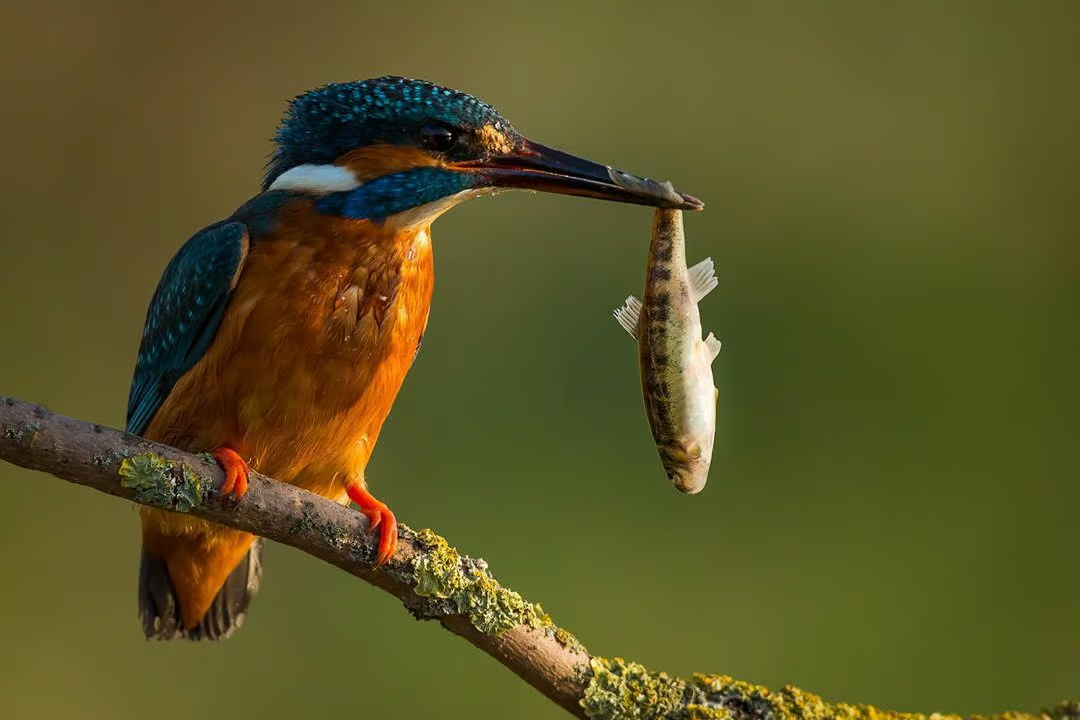
Kinhfisher with fish

The Gathering of Elephants, which is ranked among the world’s top wildlife viewing spectacles runs from June – October each year. Each afternoon, around 150 - 200 individual elephants come out of the forest in to the open to graze on the fresh green pasture by the water’s edge at Minneriya and Kaudulla national parks. You have excellent opportunities here to observe the social dynamics of the Asian Elephant as the large bulls in musth compete among each other and seek the females within the herd, while young calves with carefree abandon get up to their mischievous antics often to the displeasure of its alert mothers within the herd. Water birds such as Painted Stork, Asian Openbill, Woolly-necked Stork along with raptors such as White-bellied Sea Eagles and Grey-headed Fishing Eagles are abundant around these large man-made lakes.

Return back to camp at dusk for dinner and a decent night sleep.

Day 8 : Kandy

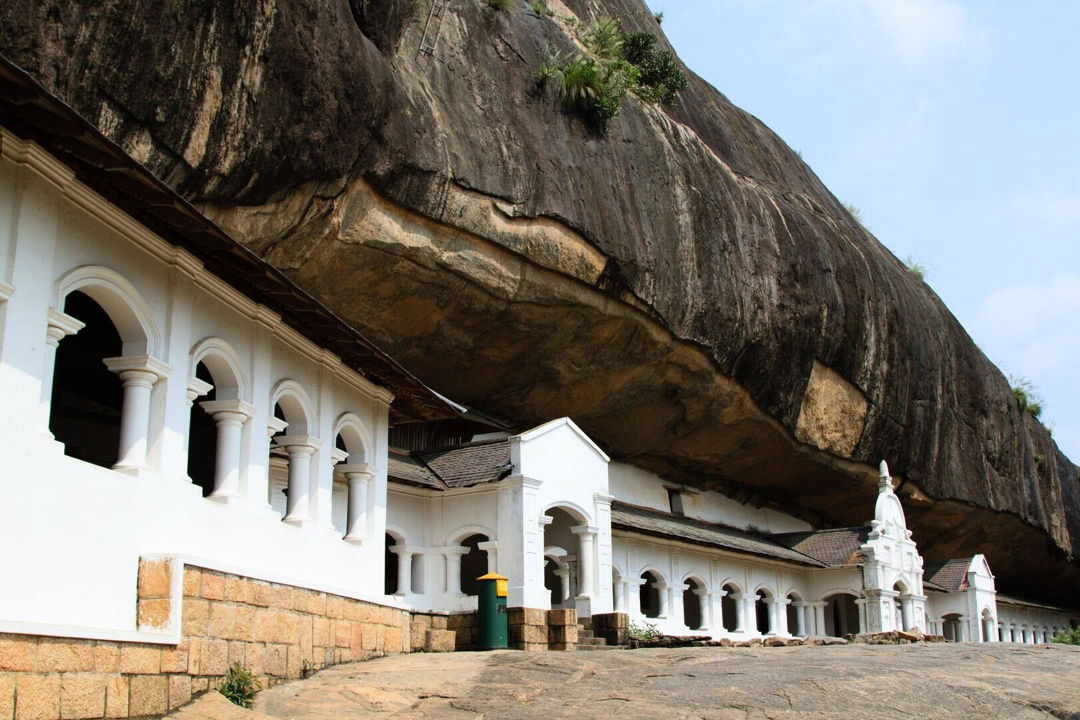
After an early breakfast, we will checkout and head towards the city of Kandy. Along the way we stop to visit the Ancient Cave Temple of Dambulla.

Dambulla Cave Temple, which is famous for its rock paintings and is among the best-preserved monastic temple cave complexes in Sri Lanka. Dambulla’s origins as a place of worship dates back to the reign of King Valagamba in the 1st century BC, who took refuge in these caves when driven out of Anuradhapura by Chola invaders. Once he regained the throne, the king had the interior of the caves transformed into magnificent rock temples. More paintings and statues were added over time by later kings.

Afterward head towards Kandy, and visit the Sacred Temple of the Tooth Relic.

This sacred temple was built in the 16th century AD and is located adjacent to the Royal Palace complex of the former Kingdom of Kandy and overlooks the expanses of the Kandy lake. Referred locally as the Sri Dalada Maligawa, the Temple of the Sacred Tooth Relic is the most revered site in the country. This temple complex houses the sacred tooth relic of the Lord Buddha, and with strong political sway to who holds possession of the tooth, as it was believed that the possessor of this sacred relic had the right to rule the country.

Lunch will be served at a select restaurant in Kandy. We then head to our accommodation, the beautiful Simpsons Forest Hotel.

If time permits we can explore the hotel's very own spice garden.

Sri Lanka has been famous for centuries for its trade in spices and spice gardens. A visit to one of these herb and spice gardens provides a visitor with a firsthand experience on how these amazing treasures are grown and prepared. Some of the herbs and spices grown here can include Sandalwood, Margosa, Cocoa, Citronella, Almond, Jasmine and Coconut and spices such as cloves, pepper, ginger, nutmeg, cinnamon, and saffron are grown in these gardens.

Return back to camp at dusk for dinner and a decent night sleep.

Train to Kandy

If time permits we can explore the hotel's very own spice garden.

Sri Lanka has been famous for centuries for its trade in spices and spice gardens. A visit to one of these herb and spice gardens provides a visitor with a firsthand experience on how these amazing treasures are grown and prepared. Some of the herbs and spices grown here can include Sandalwood, Margosa, Cocoa, Citronella, Almond, Jasmine and Coconut and spices such as cloves, pepper, ginger, nutmeg, cinnamon, and saffron are grown in these gardens.

Return back to camp at dusk for dinner and a decent night sleep.

Day 9 : Ella

We have an early breakfast, check out and head with a packed lunch to the Royal Botanical Gardens for a guided tour.

The Royal Botanical Gardens is the largest of Sri Lanka’s botanical gardens with over 4,000 different species of plants and is regarded among the finest in Asia. The origins of the Botanical Gardens date to 1371 when King Wikramabahu III took to the throne and kept his court at Peradeniya near the Mahaweli, where the gardens were reserved exclusively for Kandyan Royalty. Some of the highlights when visiting these unique gardens would be the Orchid collection, walking through a stunning avenue of Royal Palm Trees as well as a giant Javan Fig Tree on the great lawn. Another key feature of the gardens is the large collection of medicinal plants and spices.

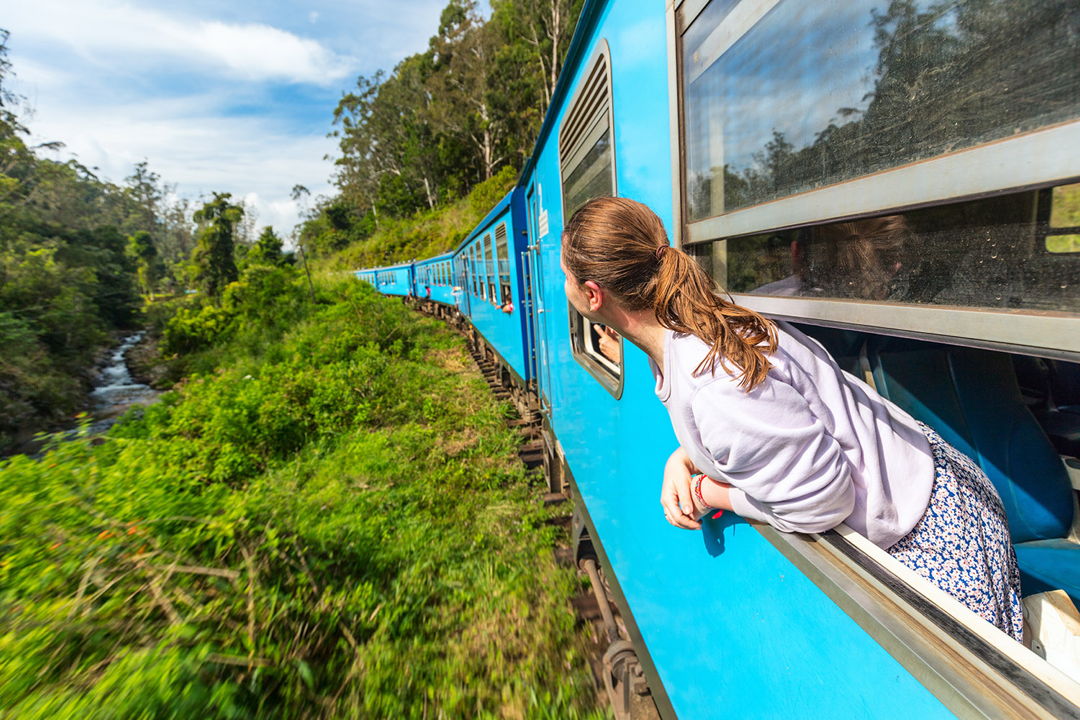
Afterwards we head to Peradeniya Railway Station where you will hop on a train which will take us on a very scenic ride through the highlands*

One of the best ways to enjoy the breathtaking scenery of the central highlands is to travel by train from Kandy through to Ella. The train stations in Peradeniya and most of the towns in the highlands were built during the time of the British, where minimal changes have been made to the buildings giving it a distinct old world charm. The train journey takes you through the back of small towns where you can see the local people go about their day to day work and through the mountain ranges providing beautiful views of the tea fields, patches of cloud forests, numerous streams and waterfalls.

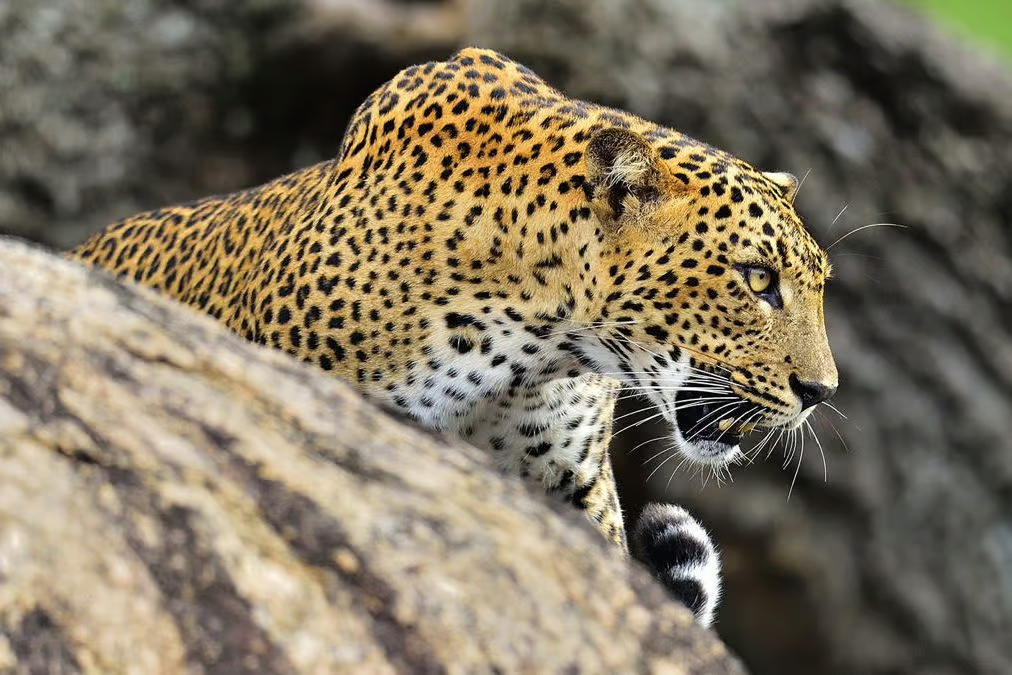
Asian Leopard

Upon reaching Ella, late afternoon, we meet our guide and transfer to our hotel, Ella Mountain Heavens for two nights with all meals included.

*Please note train ride cannot be guaranteed due to popularity. It may be possible but on a different day. The final itinerary will detail arrangements closer to the time of travel.

Day 10 : Ella

Early morning we head towards Haputale, and load into tuk tuks that take us up to the scenic Liptons Seat View Point.

Lipton’s seat is one of the best observation points of the surrounding landscapes and is located on the top of the Poonagala hill which is close to the Dambetenna tea factory. This place gets this name after the famous tea planter Sir Thomas Lipton who was said to have used this spot to observe the surrounding region of his tea plantations. From the Lipton’s view itself one gets an astounding view of areas such as the Handapanagala lake, Chandrika tank, Udawalawe Reservoir and the Wedi Hiti Mountains, as well as the Hambantota Harbour on the southern coast.

Thereafter we head down and visit the Dambetenne Tea Factory. A visit to the hill country will not be complete without a visit to a tea factory and estate. You can stroll through the beautifully manicured tea fields and thereafter head to the tea factory where the magic of converting raw leaves into black tea happens. An art developed during the British colonial period, some machines used date back over 100 years. The creation of black tea is an art form which has remained relatively unchanged for over a century.

If time permits and the Bungalow is open, we will visit the Adisham Bungalow.

The Adisham Bungalow is a monastery of the Sylvestro Benedictine monks and is a delightful site to visit near Haputale. This large stone building was initially built by Sir Thomas Lester Villiers in 1931 who was a tea planter and later sold in 1961 to the Benedictine monks. The novice monks are trained for a period of a year at this monastery. The building has a unique old-world charm which is brought out by the antique furniture and architecture. There is a welfare shop which sells jams and other fresh produce made by the monks.

The charming St Andrews Church was said to have been built by a gentleman named James Andrews in 1875, who worked at Sherwood Estate as well as Richard Wylie from Pita Ratmale Estate. The atmosphere of this little parish seems timeless and peaceful.

Thereafter we return to Ella and enjoy lunch back at the hotel to savour those views!

Asian Elephants

Afterwards we continue towards Demodara where we ride on a tuk tuk once again to reach the Nine Arches Bridge.

Close to Ella is the famous Nine Arch Bridge, which is a beautiful example of English engineering and design and built entirely out of solid rocks, bricks and cement without the use of steel. The bridge was commissioned in 1921 and is still used to date by trains that travel from Kandy through to Ella.

You will also pass and be able to photograph the spectacular Ravana Falls. This is in close proximity of the legendary cave which is considered a place there Sita (from the Indian saga the Ramayana) was hidden by the Lankan Demon King Ravana.

Afterward we can explore the busy market scenes in Ella, which are great for photographs of typical Sri Lankan life and colourful items for sale.

After dusk we return back to our hotel.

Dinner and overnight.

Day 11 : Galle

We enjoy breakfast and our mountain views and then pack up and check out. Today we're bound for the south coast and Galle. It's a 4 - 4.5 hour drive and we may stop along the way for some photographic opportunities.

vUpon reaching Galle, we head into the historic Galle Dutch Fort where we check in to our accommodation, the fantastic Fort Printers.

After a quick break, we'll venture out on foot for a tour of this historic fort, learning of its intricate past and photographing the wonderful architectures and local life. There is a heady mix of religions and culture and most fascinating is how this fort is its own micro-economy in a multi-religious and multi-ethnic setting.

We then enjoy our final dinner together as a group at the hotel. Nightlife here is rather fun so we can take a stroll and photograph the fort's buzz.

Day 12 : End of Itinerary

Good morning! Can you believe the tour has come to an end. We highly recommend an early rise so you can head out and capture the morning light on Galle Fort.

Enjoy breakfast at your leisure and be ready at the agreed time to transfer back up to Colombo. We can even stop in Colombo for a walk around the city because most flights are late evening! Guests can be dropped off at the airport or we can relax for the afternoon utilising facilities of a wonderful hotel to freshen up before our long haul flights home.

We trust you absolutely loved our Island Escape: Sri Lanka Photo Voyage.

Bookings and Contact:

To ask any questions you may have regarding this very unique photographic adventure, or to book one of the limited places, please contact Michael via the contact form or call +61 408 941 965

NB - COMPREHENSIVE TRAVEL INSURANCE IS COMPULSORY WHEN BOOKING THIS PHOTO TOUR

Encompass Africa

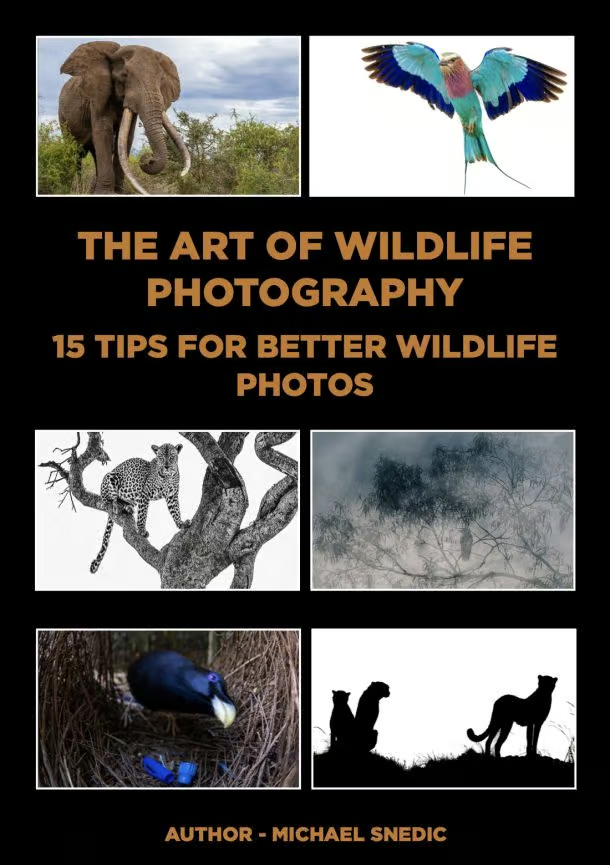
Would you like a FREE copy of my new Ebook?

Download Button

ebook The Art of Wildlife Photography by Michael Snedic July 2026 cover

You have Successfully Subscribed!