The Maasai Mara National Reserve stands out as one of Africa’s most spectacular wildlife photography destinations. You’ll find an incredible diversity of animals across the sweeping savannahs.
On my Maasai Mara photo safari, you can expect to have a good chance of seeing the Big Five (lions, elephants, leopards, buffalo, and rhinos), along with cheetahs, giraffes, zebras, wildebeest, hippos, crocodiles, and over 450 bird species throughout the year. The open grasslands and acacia woodlands make spotting and photographing these magnificent creatures surprisingly accessible, and an 8-day photo safari presents many opportunities.
One of the things that sets the Maasai Mara apart is the Great Migration spectacle, when millions of wildebeest and zebra travel from Tanzania’s Serengeti between July and October.
During these months, predators follow the herds, creating dramatic hunting scenes and river crossings. If you want once-in-a-lifetime photographic opportunities, this is the time to go.
Even outside migration season, the Maasai Mara teems with resident animals. I’ve often watched everything from massive elephant herds to leopards lounging in fever trees, no matter when I visit.
Key Takeaways
- The Maasai Mara is home to the Big Five plus cheetahs, giraffes, zebras, and hundreds of bird species for year-round photography opportunities.
- The Great Migration from July to October brings countless wildebeest and zebra, creating the most dramatic wildlife spectacle on earth.
- Expert guides and diverse habitats ensure exceptional animal sightings, whether you visit during migration season or throughout the rest of the year.
The Big Five of Maasai Mara
The Big Five animals in Maasai Mara include lions, massive elephants, elusive leopards, dangerous buffalo, and critically endangered black rhinos. These iconic species are the most sought-after wildlife encounters during game drives, and rhino’s can be some of the most difficult to find.
Lion: King of the Grasslands
Lions really are the stars here—they rule the Maasai Mara grasslands in large, social groups. The 850 to 900 lions living in the conservancies make this one of Africa’s best places for lion viewing.
Pride Structure:
- Males: 2-3 adult males per pride
- Females: 10-15 related females
- Cubs: Various ages, cared for communally
Lions live in complex prides where females do most of the hunting, while males defend the territory from rivals.
During the heat of the day, we often spot lions resting under acacia trees. They tend to get active around dawn and dusk when it’s cooler.
Best Viewing Times:
- Early morning: 6:00-8:00 AM
- Late afternoon: 4:00-6:00 PM
- Evening: 6:00-7:00 PM
Lions mainly hunt large ungulates like zebras, wildebeest, and gazelles. Their teamwork during hunts is impressive and often leads to dramatic moments on the savannah.
African Elephant: Gentle Giants
African elephants are the largest land mammals on Earth. I’ve watched these giants use their trunks—packed with over 40,000 muscles—for everything from drinking to communicating.
Physical Features:
- Weight: Up to 6,000 kg
- Height: 3-4 metres at shoulder
- Tusks: Used for digging and defence
- Ears: Large for heat regulation
Elephants live in matriarchal societies led by the oldest female. Family herds move single file, with mothers keeping calves safe in the middle.
These gentle giants can eat up to 300 kg of vegetation a day. It’s wild to see how much they shape the landscape, creating paths and water holes that other animals use.
Elephant Behaviour I’ve Observed:
- Mud bathing for sun protection
- Trunk greeting between family members
- Teaching young calves to use their trunks
Elephants show the most activity in the early morning and late afternoon. We often find them near the Mara River, drinking and socialising.
Leopard: Elusive Beauty
Leopards are by far the trickiest of the Big Five to photograph. These solitary, nocturnal cats love dense bush, where their spots blend in perfectly.
Leopards prefer early mornings and dusk. They’re insanely strong climbers and will stash kills in trees to keep them safe from scavengers.
Leopard Characteristics:
- Hunting style: Ambush predator
- Prey: Small antelopes, birds, rodents
- Territory: Solitary and territorial
- Adaptability: Thrive in various habitats
These cats move with incredible stealth and power. Watching a leopard drag prey up a tree is something you don’t forget.
Best Photography Tips:
- Use telephoto lenses (400mm minimum)
- Focus on tree branches during rest periods
- Watch for movement in dappled shadows
- Be patient and quiet during sightings
Buffalo and Rhino: Formidable Forces
Cape buffalo and black rhinos are the most dangerous of the Big Five. We always approach both species with serious caution—they’re unpredictable and fiercely defensive.
Cape Buffalo Facts:
- Travel in herds of 50-500 individuals
- Weigh up to 900 kg
- Known as Africa’s most dangerous animal to humans
- Require daily water access
Buffalo have incredible memories and can charge without warning. Massive herds move across the plains, kicking up dust you can see from far away.
Black rhinos in Maasai Mara are critically endangered, with fewer than 40 individuals left. They look almost prehistoric, with two horns and pointed lips for browsing shrubs.
Rhino Characteristics:
- Weight: 800-1,400 kg
- Diet: Leaves, shoots, thorny plants
- Behaviour: Solitary and territorial
- Vision: Poor eyesight, excellent hearing
Safety During Encounters:
- Maintain minimum 25-metre distance
- Never exit vehicles
- Avoid sudden movements or loud noises
- Respect their space and retreat routes
Both buffalo and rhino play big roles in the Maasai Mara ecosystem by shaping the landscape and dispersing seeds as they move and graze.
Other Predators and Iconic Wildlife
The Maasai Mara’s predators are some of nature’s most skilled hunters. From the lightning-fast cheetah to the complex social world of hyenas, these apex predators dominate the savannahs and grasslands.
They create dramatic photographic opportunities as they stalk and chase their prey.
Cheetahs: Masters of Speed
The fastest land animals love the Mara’s open plains and prefer areas with scattered acacia trees for a good lookout.
These spotted cats hunt during the day, making them perfect subjects for photographers. With their slender build and dark tear marks, you won’t mix them up with leopards.
Prime Cheetah Locations:
- Open grasslands near the Mara River
- Areas with termite mounds for elevated hunting positions
- Plains with scattered acacia cover
Cheetahs rest in the shade during the hottest parts of the day. I suggest heading out early or late for the best sightings when they’re on the move.
Hyenas: Social Hunters
Spotted hyenas live in clans—big, complicated social groups. These predators have bone-crushing jaws that can break through the toughest remains.
I’ve seen hyenas both scavenging and hunting together. Their whooping calls echo across the plains, especially at dawn and dusk.
Hyena Behaviour Patterns:
- Daytime: Rest in dens or shade
- Evening: Begin hunting activities
- Night: Most active period for hunting
Hyenas clean up what others leave behind, eating bones and hide. They’re nature’s ultimate cleanup crew.
These clever animals have a matriarchal society—females outrank all males.
Other Notable Predators
Beyond the famous big cats, the Mara hosts several other predator species that create exciting photographic opportunities. Wild dogs sometimes show up in the northern conservancies, but spotting them is rare.
Caracals and servals prowl the grasslands for smaller prey. These elusive cats reward patient photographers with unique shots if you’re lucky enough to find them.
Additional Predators to Watch For:
- African wild dogs (rare)
- Caracals and servals
- Black-backed jackals
- Various mongoose species
Jackals follow bigger predators to scavenge scraps. We sometimes see them near lion prides or at leopard kills, just waiting for a chance.
The Great Migration: Spectacle of the Savannah
The Great Migration brings over 1.5 million wildebeest and zebras through the Maasai Mara between July and October.
Wildebeest and Zebras on the Move
During my game drives in the Maasai Mara, I’ve seen countless wildebeest and zebras making this annual journey. The herds arrive from Tanzania’s Serengeti, forming endless columns across the savannah.
The timing is always fascinating—these animals follow seasonal patterns in search of fresh grazing and water. Wildebeest usually lead, with zebras often mixed in among them.
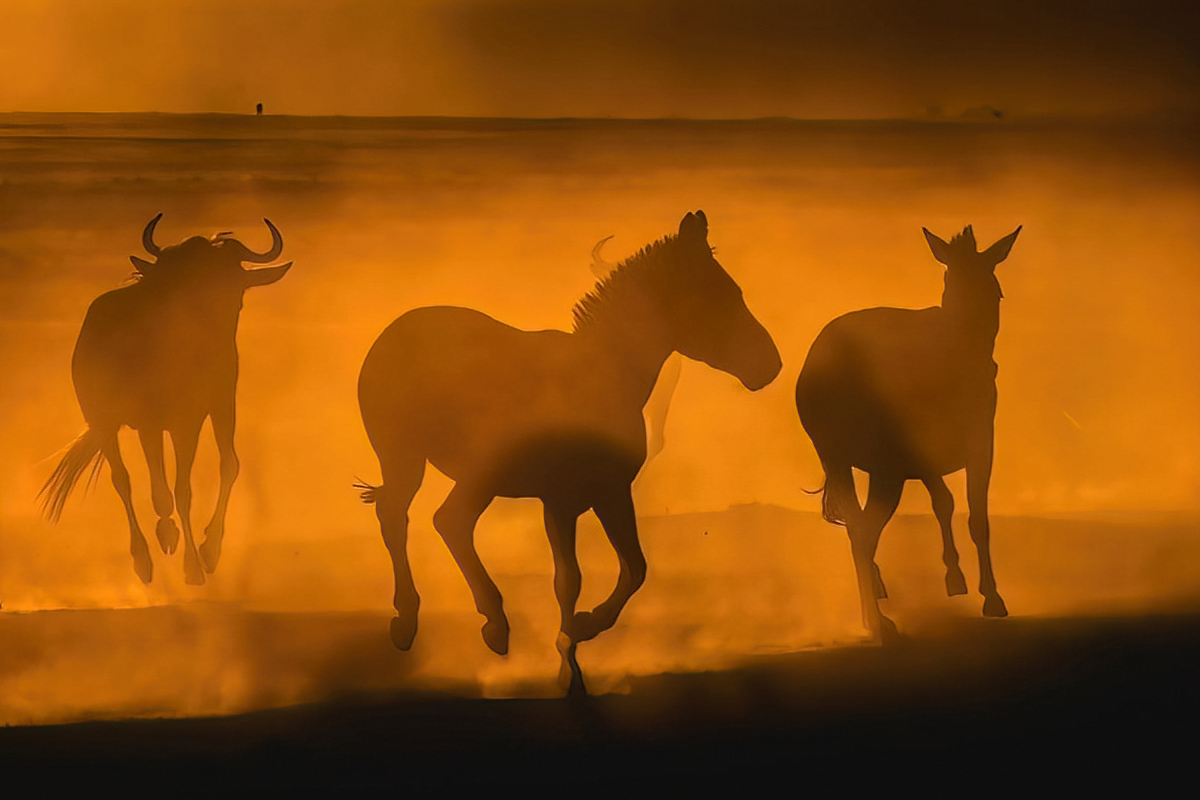
Peak season is just wild. I’ve seen herds stretching for kilometres, dust clouds billowing from thousands of hooves. The constant movement offers non-stop chances for action shots as the animals graze, mingle, and navigate the terrain.
Best Photography Times:
- Early morning: Herds head to water sources
- Late afternoon: Animals graze in golden light
- Midday: Dust clouds and moving herds
Predator Interactions During Migration
The migration attracts a stunning range of predators. Lions track the migration herds, usually staking out river crossings and grazing zones.
Cheetahs take advantage of the abundance, going after young or weak animals. Leopards stay elusive but get more active during migration. Hyenas follow the herds too, always ready to scavenge or steal a kill and vultures circle overhead, making dramatic silhouettes against the sky.
Predator activity always ramps up near water, where exhausted migration animals get vulnerable.
Other Remarkable Mammals and Birds
The Maasai Mara is packed with iconic and lesser-known wildlife—towering giraffes feeding on acacias, massive hippos, ancient crocodiles in the rivers, and elusive nocturnal creatures like bat-eared foxes and aardvarks.
Giraffes and Their Unique Behaviours
The Maasai Mara is home to the striking Masai giraffe, easy to spot thanks to its jagged-edged patches and deeper colour. These gentle giants can reach 5.5 metres, making them the tallest mammals around.
On safari, I often see giraffes stripping leaves from acacia trees. Their 45-centimetre tongues let them snag leaves from even the thorniest branches.
Key giraffe behaviours to photograph:
- Necking: Males swing their necks in territorial battles
- Tower formations: Groups of giraffes create stunning compositions
- Drinking postures: That awkward, wide-legged stance at waterholes
Hippopotamus and Crocodiles: River Dwellers
The Mara and Talek rivers are full of crocodiles and hippos. These waterways serve up some of the most dramatic wildlife photo moments in the reserve.
Hippos spend their days submerged, surfacing every few minutes to breathe. At night, hippos wander out to graze, sometimes up to 10 kilometres from water. Their jaws can snap a canoe in half—definitely not animals to mess with.
Nile crocodiles here can grow over 4 metres long. During migration, they are known to ambush wildebeest at river crossings.
Small Mammals and Nocturnal Species
The reserve hides all sorts of smaller species that most visitors miss. Bat-eared foxes are nocturnal and rare elsewhere in Kenya, so spotting them here feels special.
These foxes use their huge ears to find termites and beetle larvae underground. We were fortunate to spot them on our last 8-day safari!
Aardvarks are extremely elusive. They feed only on ants and termites, using pig-like snouts and powerful claws to dig into mounds all over the savannah.
The reserve is also home to around 470 bird species, like secretary birds, lilac-breasted rollers, and crowned cranes that stick around year-round.
Wildlife Habitats and Photo Safari Experiences
The Maasai Mara National Reserve offers everything from open grasslands to acacia woodlands, each with its own photo opportunities. Game drives and walking safaris let you explore these landscapes in different ways.
The Open Plains and Acacia Woodlands
The Maasai Mara’s habitats stretch from open grasslands and savannahs to acacia woodlands, offering perfect backdrops for wildlife shots. These landscapes support different animals at different times of day.
The open savannahs seem to go on forever. We find big herds of zebras, wildebeest, and gazelles grazing in the morning light.
Acacia trees dot the plains, giving shade to resting lions and leopards. They also make natural frames for wildlife photos.
The grasslands shift colour with the seasons. In the dry months, golden grass adds warmth to your images.
Best photography spots include:
- Open plains near the Mara River
- Scattered acacia groves
- Rolling hills with sweeping views
- Seasonal wetlands that draw in birds
Exploring the Reserve: Game Drives
Game drives are the main way to explore the Mara. My photo safaris run from dawn to dusk (with some rest time over lunch and early afternoon) to maximise wildlife encounters.
Early morning drives offer the best light. Animals are most active while it’s still cool.
Evening drives are all about golden hour, think sunsets and silhouettes! Predators often hunt at this time, so there’s a good chance for action shots.
I’d suggest doing several game drives in different areas of the reserve. Each spot has its own wildlife mix and scenery. That’s a big part of why I opted to make my photo safari’s 8 days long.
Game drive timing:
| Time | Best For | Wildlife Activity |
|---|---|---|
| 6:00-10:00 AM | Golden light, active animals | High |
| 10:00 AM-3:00 PM | Resting animals, harsh light | Low |
| 3:00-7:00 PM | Golden hour, hunting | High |
Photography Tips for Capturing Wildlife
Camera settings change a lot with light and animal behaviour. Go for fast shutter speeds when animals are on the move, and slow things down if they’re just hanging out.
For action shots, set your shutter speed as fast as possible. That way, you can actually freeze the moment when something wild happens—like a chase or a sprint.
Portrait photography often feels better with a shallow depth of field. Use wide apertures like f/2.8 or f/4, which softens the background and really makes the animal pop, especially when you get their eyes in focus, looking straight at you.
Essential equipment includes:
- Telephoto lens (300-600mm)
- Sturdy tripod or a bean bag (I have photographers’ bean bags available on my photo safaris)
- Extra batteries and memory cards
- Lens cleaning kit for all the dust
Early mornings and late afternoons? That’s when the light is honestly at its best. Midday sun just makes everything look harsh and flat, so we usually take a break, get lunch and relax at the safari lodge.
Composition techniques make a huge difference. Use the rule of thirds, follow lines from acacia branches, and experiment with framing shots using leaves or grass.
Patience is everything out here. Animals do their own thing, so I’ve learned to wait for those real, unscripted moments.
Frequently Asked Questions
Most people heading to the Maasai Mara ask which animals they’ll get to photograph—and when. The reserve pretty much always delivers on the big stuff, though the vibe changes with the seasons.
Which species can be commonly spotted during a Maasai Mara photographic safari?
I see elephants, buffalo, giraffes, zebras, and all sorts of antelope every time I go. They’re around all year, in big numbers.
Lions show up a lot, too, usually snoozing under acacia trees when it gets hot.
Spotted hyenas are busy both day and night. You’ll usually find them near kills or grabbing a drink at the waterholes.
Hippos hang out in the Mara River pools during the day.
What are the prime wildlife photography opportunities in the Maasai Mara?
River crossings during the Great Migration are wild, especially from July to October. Wildebeest and zebras take their chances with the river while crocodiles wait below.
Predator hunts happen most in the early morning or late afternoon. Keep an eye out near likely prey when the light’s golden.
Mating behaviours and births happen all year, and February through April bring a bunch of newborns. Those are some of the most intimate moments to catch on camera.
Watering holes pull in a crowd during dry spells.
Are big cats like lions and cheetahs regularly seen on Maasai Mara safaris?
Lions are a permanent fixture in the Maasai Mara, with around 850-900 individuals. I see them on nearly every safari, especially near kopjes and riverine forests.
Cheetahs stick to open grasslands, so they’re a bit harder to find but we still spot them regularly.
Leopards? They’re the real hide-and-seek champs, usually tucked away in thick brush or rocky spots. The high concentration of leopards at Maasai Mara does mean we have a good change of spotting them.
Morning game drives are best for big cat photos. They’re up and about before the heat kicks in—usually before 10 AM.
What notable bird species might one encounter on a Maasai Mara safari?
The Maasai Mara has over 450 bird species. We often see raptors like secretary birds, martial eagles, and a mix of vultures.
Ostriches wander the plains in small groups. They’re massive and look incredible against the open savanna.
Lilac-breasted rollers love perching on acacia branches. Those colours are unreal—makes for a killer portrait.
Ground hornbills, crowned cranes, and bee-eaters are all over the place too. Migrant birds show up between November and April, which really boosts the variety.
How likely is it to see the ‘Big Five’ during a single Maasai Mara safari?
You will likely spot four out of the Big Five on most three-day safaris. Elephants, buffalo, lions, and leopards all live here in good numbers.
Black rhinos are the tricky ones. There are fewer than 70 in the reserve, so they’re tough to find and photograph.
If you can swing a longer trip, your odds go way up. That’s part of why my Maasai Marai photo safari’s are 8 days long, giving us a really good chance of spotting them all (plus many more)
What are the best months for wildlife photography in the Maasai Mara?
July through October brings the Great Migration—millions of wildebeest and zebras flood the plains.
January to March is great for general wildlife shots. The dry season leaves the grass short, so you’ll spot animals more easily.
April to June, everything turns lush and green. Fewer tourists are around, and you’ll catch a lot of newborns with their families.
December gets tricky. Heavy rains and thick vegetation make things tough, but if you’re after moody skies and quiet scenes, it might just be your month.
If you have a passion for African wildlife, nature or travel photography and would love to go on a specialised small-number, professional African photo safari, please get in touch with Michael Snedic at WildNature Photo Expeditions. You can call him on 0408 941 965 or fill in this Contact Form and he will get back to you ASAP.