I am often asked the question “What makes for a great photo”? With millions-upon-millions of photos being taken everyday around the world, you could easily feel like your images are ‘swallowed up’ in the sheer quantity of images taken. The thing is, no matter what camera(s) you own, you can capture a moment, such as a particular wildlife behaviors, simply by knowing your camera and its settings and by being prepared.
 For landscape photography, it could be an amazing sunset or Aurora that you are trying to capture. By getting out there on a regular basis with your camera, it greatly increases the chance of capturing that ‘magic moment’. Knowing your camera’s settings and capabilities also reduces the chance of ruining a shot.
I recommend you research where certain wildlife species are found and then do a reconnaissance trip. See where they mostly likely are at certain times, where they might feed, any spots such as waterholes where they might bathe or drink, or courtship spots. Once you have done this, go back a few times and sit quietly, camera in-hand. The chance of capturing that ‘special’ wildlife behaviour on camera is far greater.
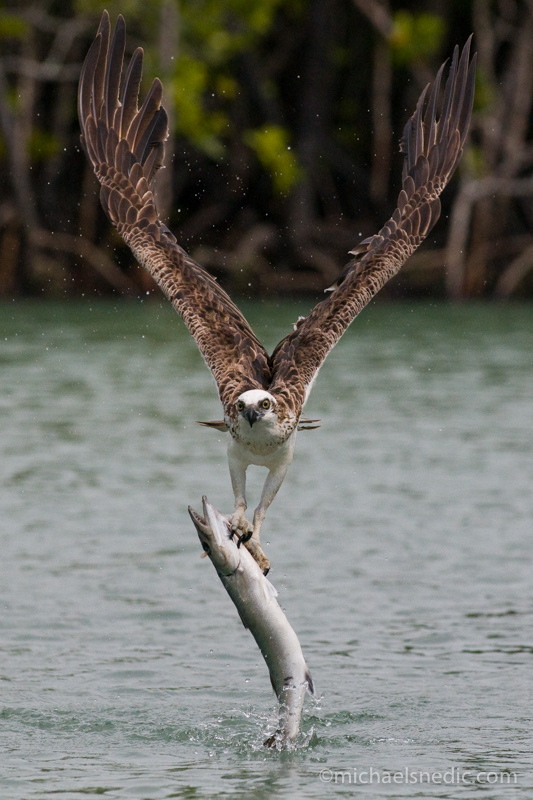
People regularly tell me how lucky I am to have captured an osprey that has just caught a fish, flying straight towards me. The thing is, there was no luck involved but instead lots of planning and patience. I spent three years trying to get that ‘perfect’ shot. It took six plane flights, thousands of kilometres of driving, 50-60 boat trips and hundreds of hours of time, to get the shot (pictured below). In the end, I could virtually predict what the osprey would do and was ready with my camera. Luck wasn’t a factor in any way….
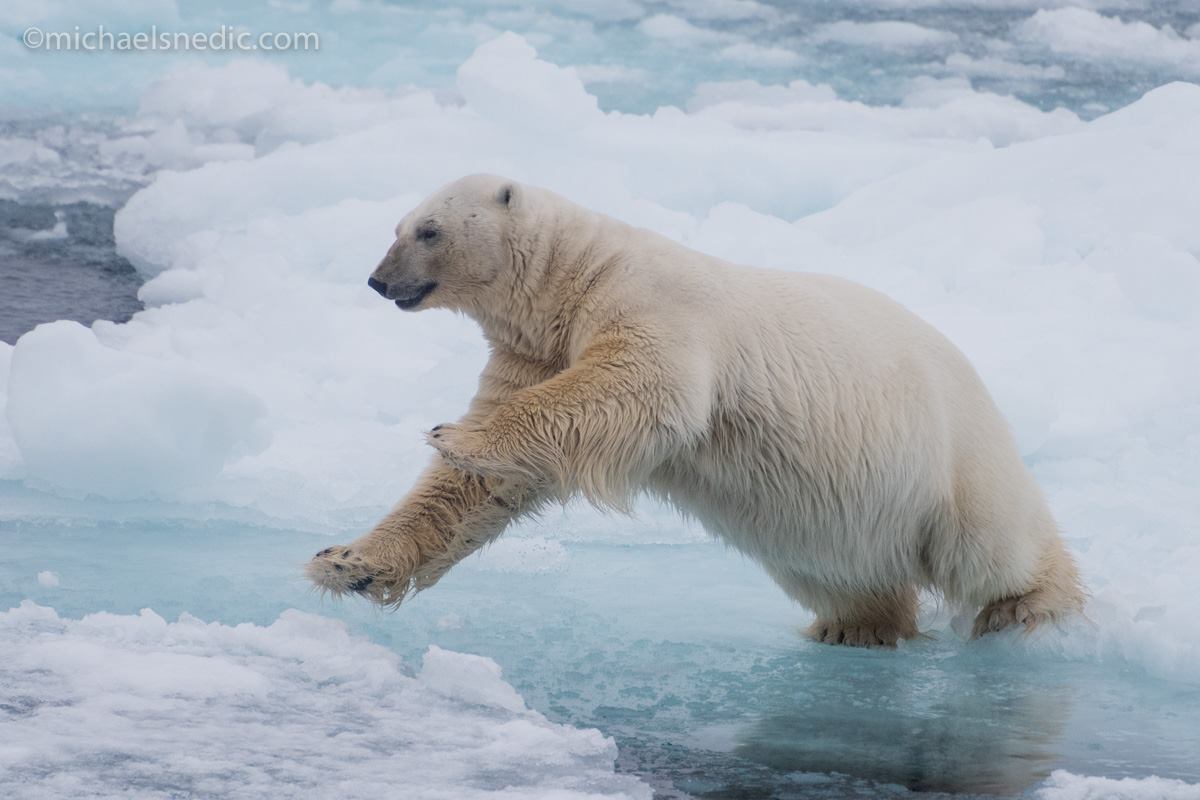
With so many images wildlife images out there, a shot needs to have that special ‘something’ to make it stand out. It may be an unusual behaviour by an animal or a once-in-a-lifetime event. Only recently, while presenting a Photo Expedition of the Arctic Circle, a polar bear came right up to our ship, completely unafraid. I carefully followed it with my camera and lens, not leaving my focus off it for one second. This went on for quite some time then suddenly it leapt across some ice. I was ready with my camera and took some shots, using a fast shutter speed to freeze any action.
Above all, I encourage you all to get out there with your camera and have fun. The more you are out there, the higher the chance of capturing that special shot.
If you have a passion for African wildlife, nature or travel photography and would love to go on a specialised small-number, professional African photo safari, please get in touch with Michael Snedic at WildNature Photo Expeditions. You can call him on 0408 941 965 or fill in this Contact Form and he will get back to you ASAP.