8 Day Maasai Mara Photo Safari – Kenya

8 Day Maasai Mara Photo Safari – Kenya

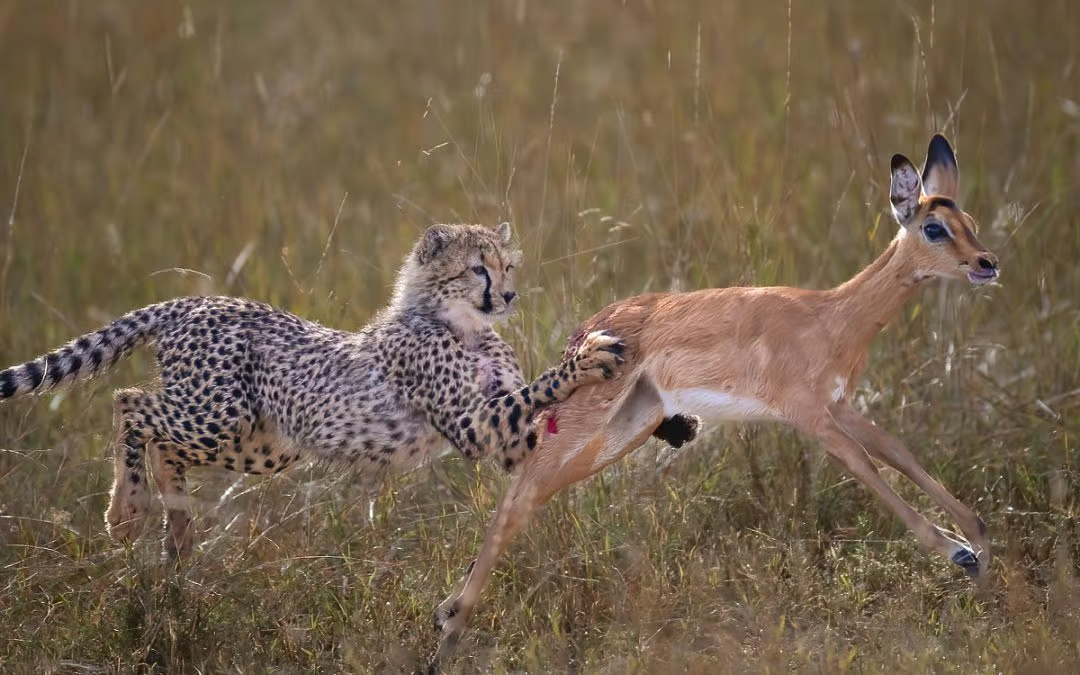
Cheetah cubs

JUNE 2027

MAASAI MARA

THE GREATEST WILDLIFE SHOW ON EARTH!


Are you ready to take off on the ultimate Maasai Mara photographic safari experience?

With a maximum of just six guests and only three guests per vehicle, you’ll be guaranteed an unmatched level of exclusivity.

You’ll always have an exclusive-use vehicle with your own safari guide, and be accompanied by professional wildlife photographer, Michael Snedic, to help you capture spectacular shots on your unforgettable adventure .The Maasai Mara is known as the original safari country and the ultimate wildlife safari destination. Here you can photograph some of the biggest prides of lions in Africa, witness impressive herds of elephants, experience colourful cultures and so much more. The photographic opportunities are endless!

WHAT TO EXPECT

On this eight day luxury Kenya photo safari we'll take in the world famous Maasai Mara, home to an incredible variety and numbers of wildlife! The 'Mara' island of great plains, big cats and adrenalin-fuelled wildlife action! Our Maasai Mara photo safari offers incredible photographic opportunities, including outside of the typical migration period. In fact, many an award-winning image have been captured during the shoulder season either sides of the migratory movements. The Mara remains a quintessential safari experience in the Mara Experience Season and is still one of the bucket list items that any wildlife and nature enthusiast and photographer should tick off.I only use the most experienced guides, who are photographic specialists. They know where to go for the best wildlife experiences and when the best times are to go. Once there, the guides navigate their safari vehicles for best angles and lighting to ensure the best possible photos. They also take ‘requests’, especially if you have certain species you wish to photograph.

We generally leave camp around 5.30am, heading out to search for wildlife to photograph, as the sun is rising. At around 8.30-9am, we search for a suitable location to have out 'bush breakfast'. We then head on out searching for more photographic opportunities, before heading back to our safari lodge for lunch. After lunch there's time to have a break and rest during the heat of the day and download any images if you wish. I will be available for any photography questions and to help with any issues you may be experiencing. At around 3 to 3.30pm, we head on out once again on a game drive, before returning back to base after sunset.

As a professional wildlife photography tutor with over 20 years of experience, I am with you on each and every game drive, giving instruction on how to best capture amazing images of African wildlife and landscapes. I guarantee you will be thrilled with your Maasai Mara Photography Safari!
20250709_Cheetahs-DeNoiseAI-standard

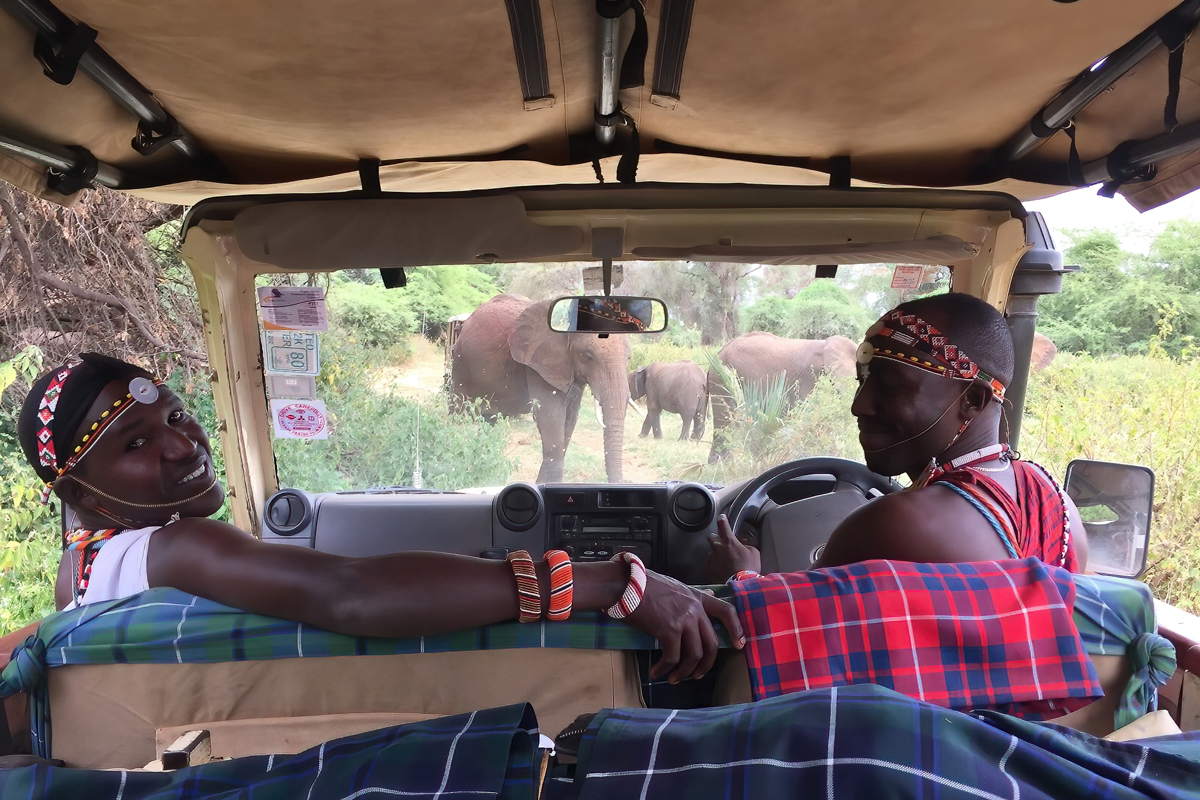
20250709_Massai Guides - Kenya

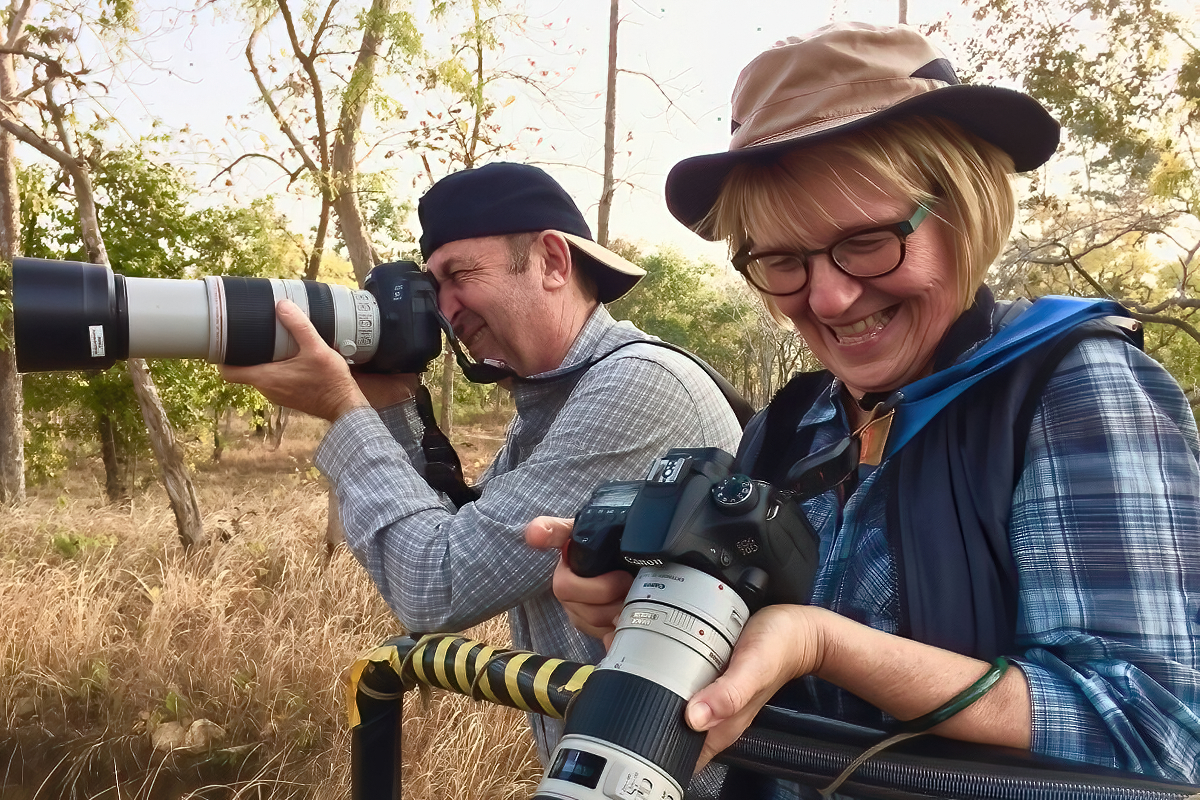
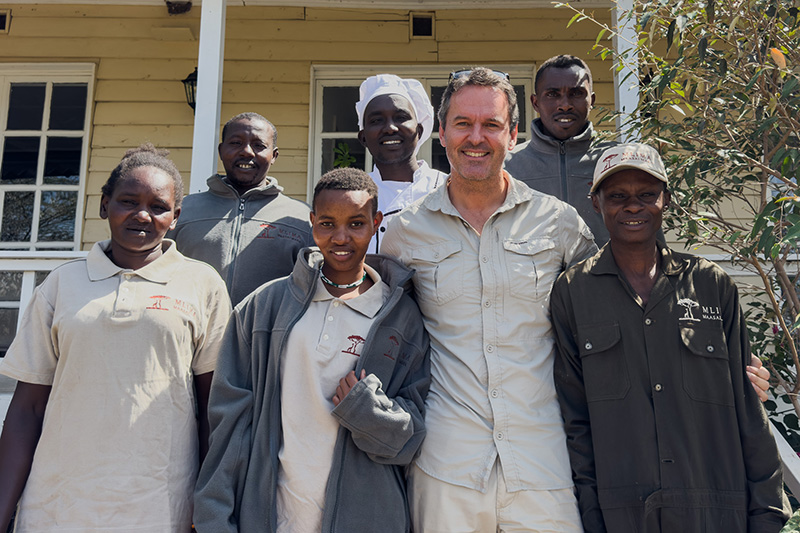
20250709_Photo Safari participants-DeNoiseAI-standard

ACCOMODATION AT MLIMA COTTAGE – WE DON’T STAY IN TENTS!

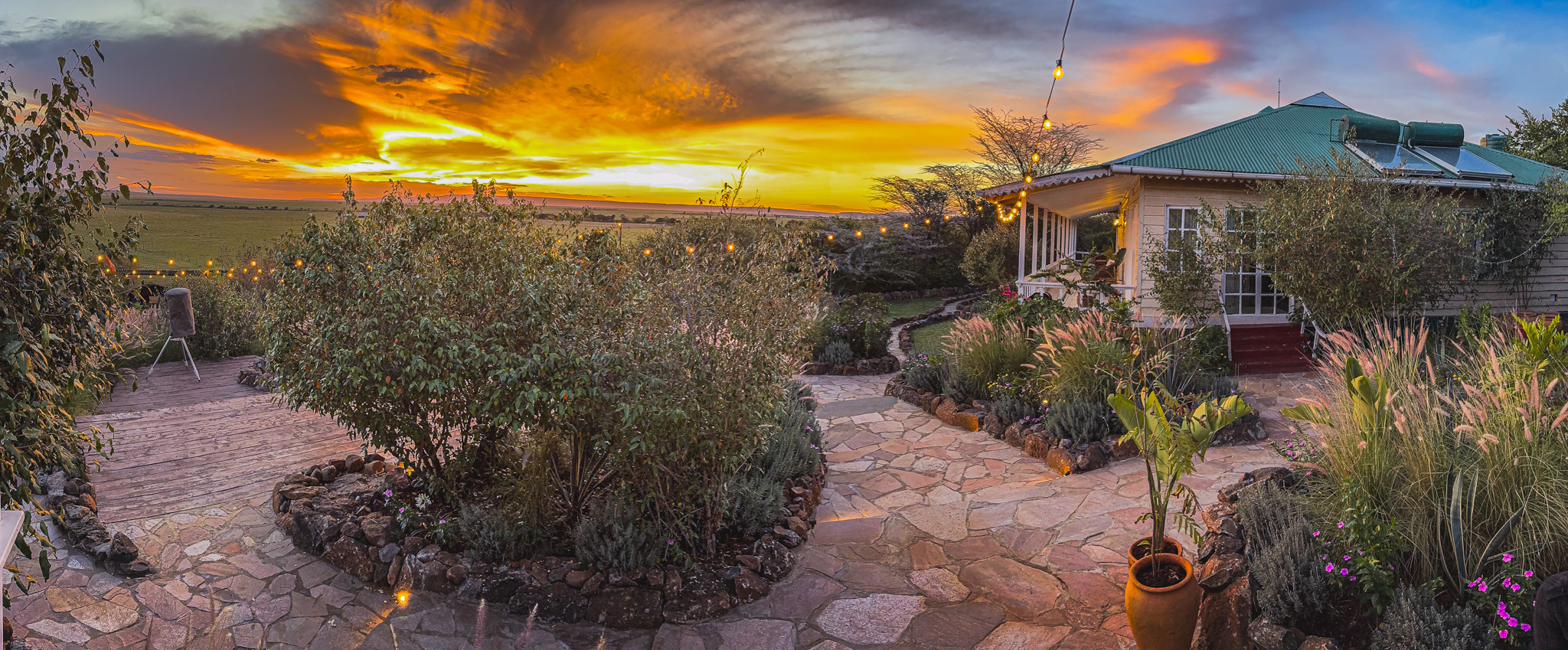
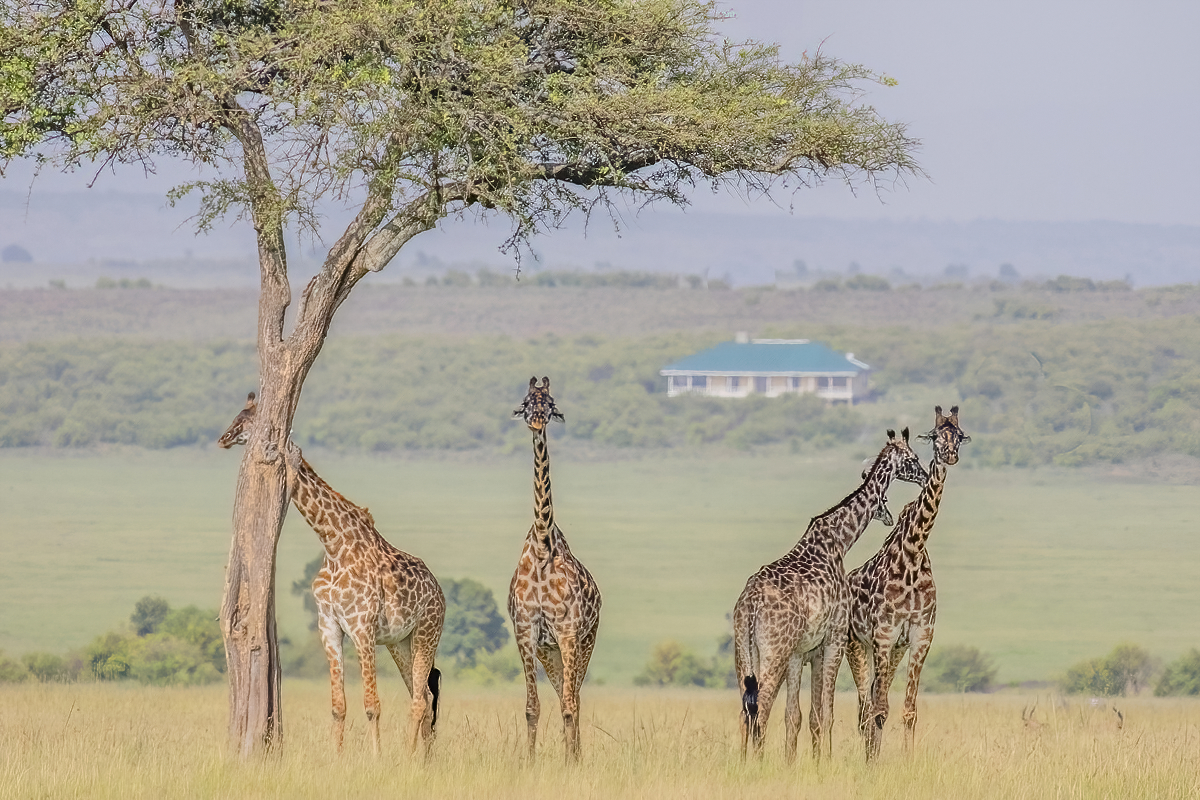
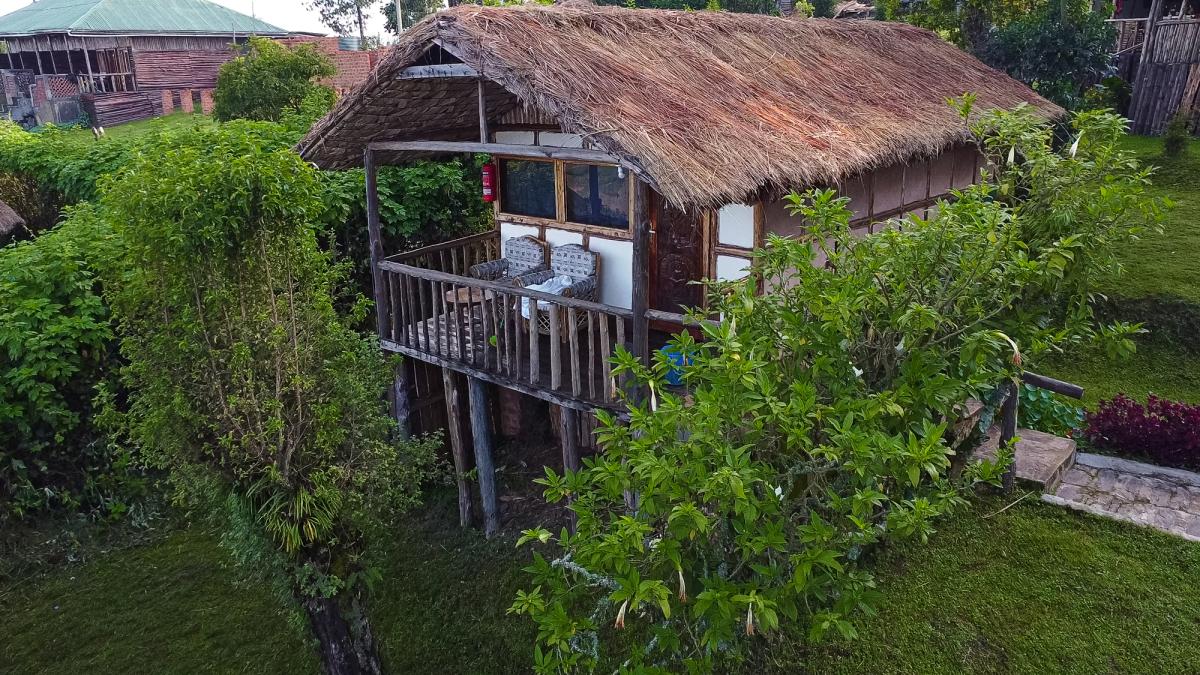
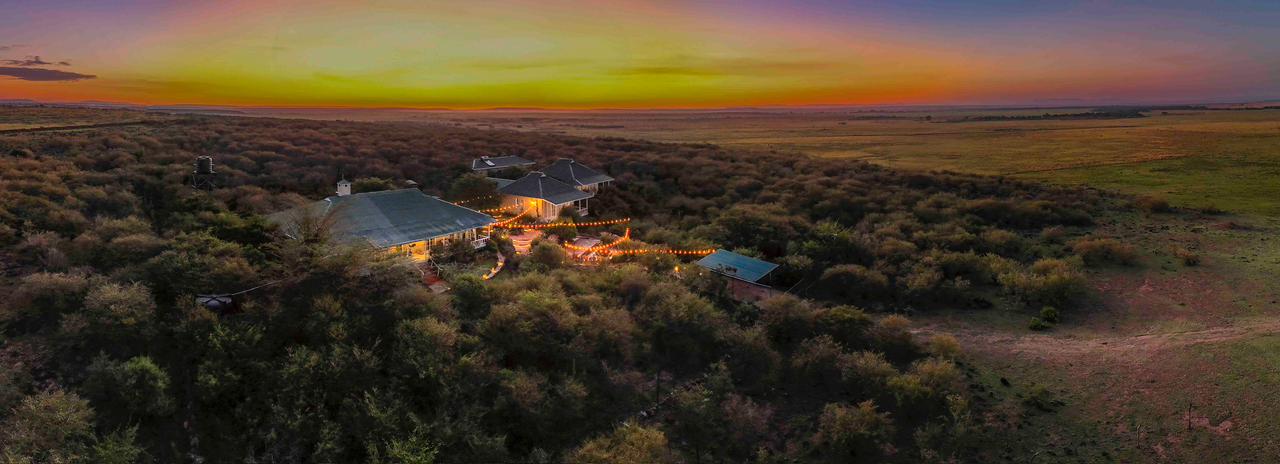
At Mlima Cottage, we have the place to ourselves. Your accommodation will be very comfortable, with each room having its own toilet and shower, electricity and fast wifi. Over the many safaris I have presented over the years, I still get chills up my spine when I’m in my room and I either encounter wildlife up close or I hear them nearby. Giraffes, zebras, wildebeest, jackals and more can be sign right near the cottages. Don’t worry, there are electric fences around the property to keep out any unexpected  furry guests! Unlike many other safari camps, we have the place to ourselves - NO OTHER GUESTS!

And yes, there’s a fireplace we can sit around at night : - ))

PRIME LOCATION

Our camp is situated in the heart of the Maasai Mara, Kenya and close to prime wildlife habitat, reducing travel time and increasing time spent in the field.Understanding the unique needs of wildlife photographers, we’ve designed our facilities and schedules to prioritise field time, ensuring you have every opportunity to capture those once-in-a-lifetime shots.
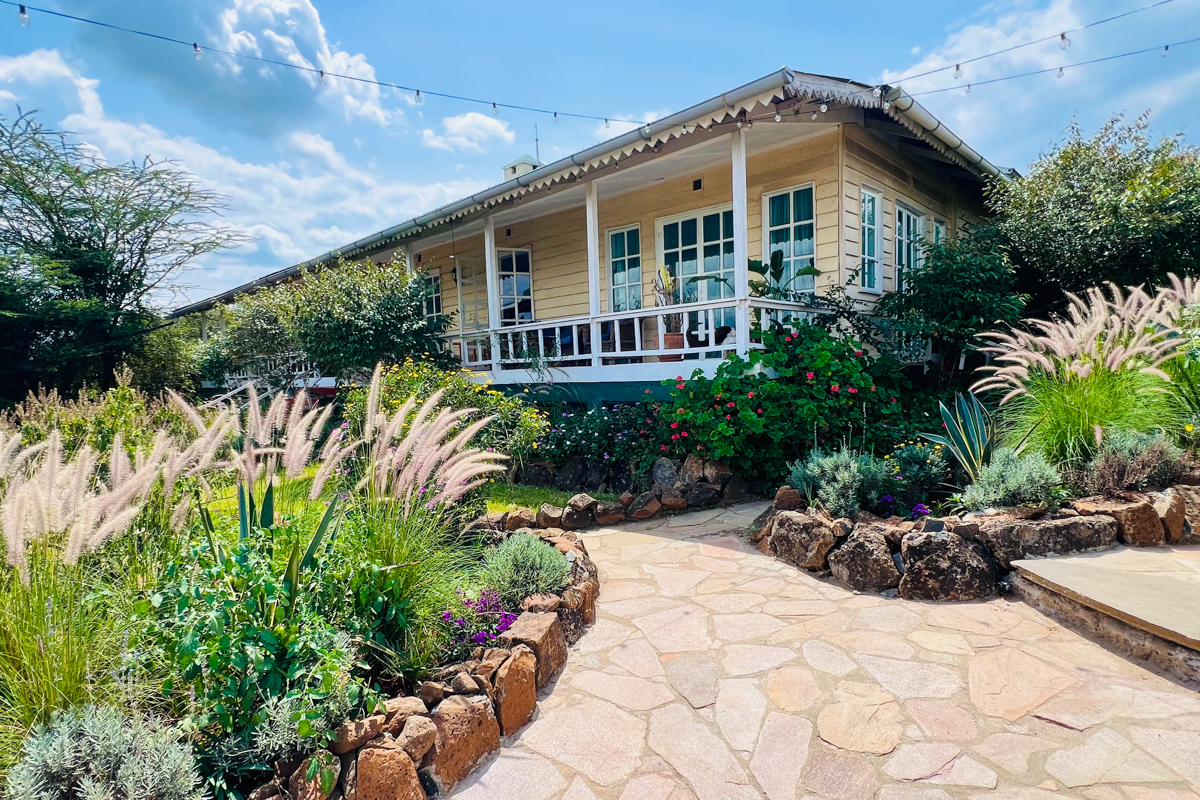
Mlima

20250620_Mlima Cottage

20250709_Mlima-with-giraffes-DeNoiseAI-standard

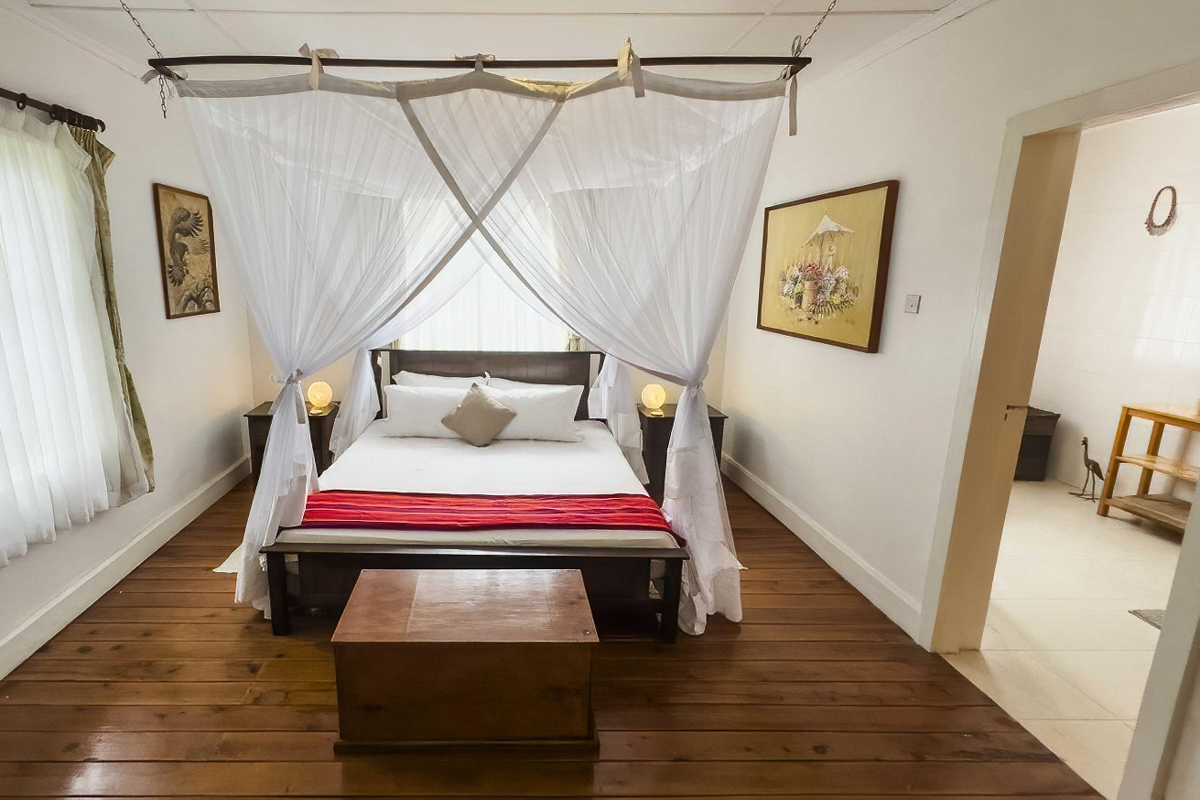
20250709_Mlima bedroom

ROOMS

The camp has four self contained cottages, each accommodating two people on a sharing basis, or sole occupancy if room is available, which includes:

  • King-size double bed (or two twin beds) with egyptian cotton bed linen and cotton bath towels
  • Ensuite bathroom with hot showers and/or baths, flush toilets, shampoo and body wash  and hairdryers
  • Living areas with desk and chairs for photography editing and charging with free high-speed WiFi (Starlink)
  • Veranda space with outdoor seating

MEALS
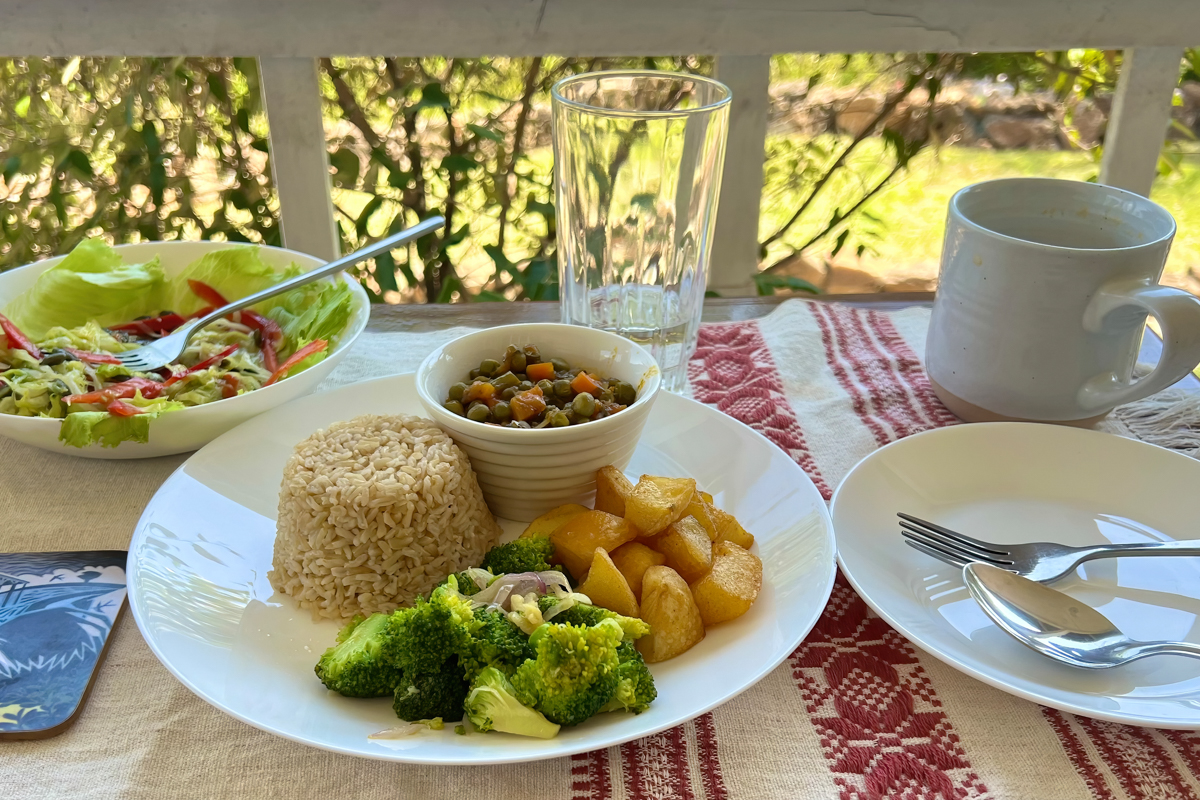
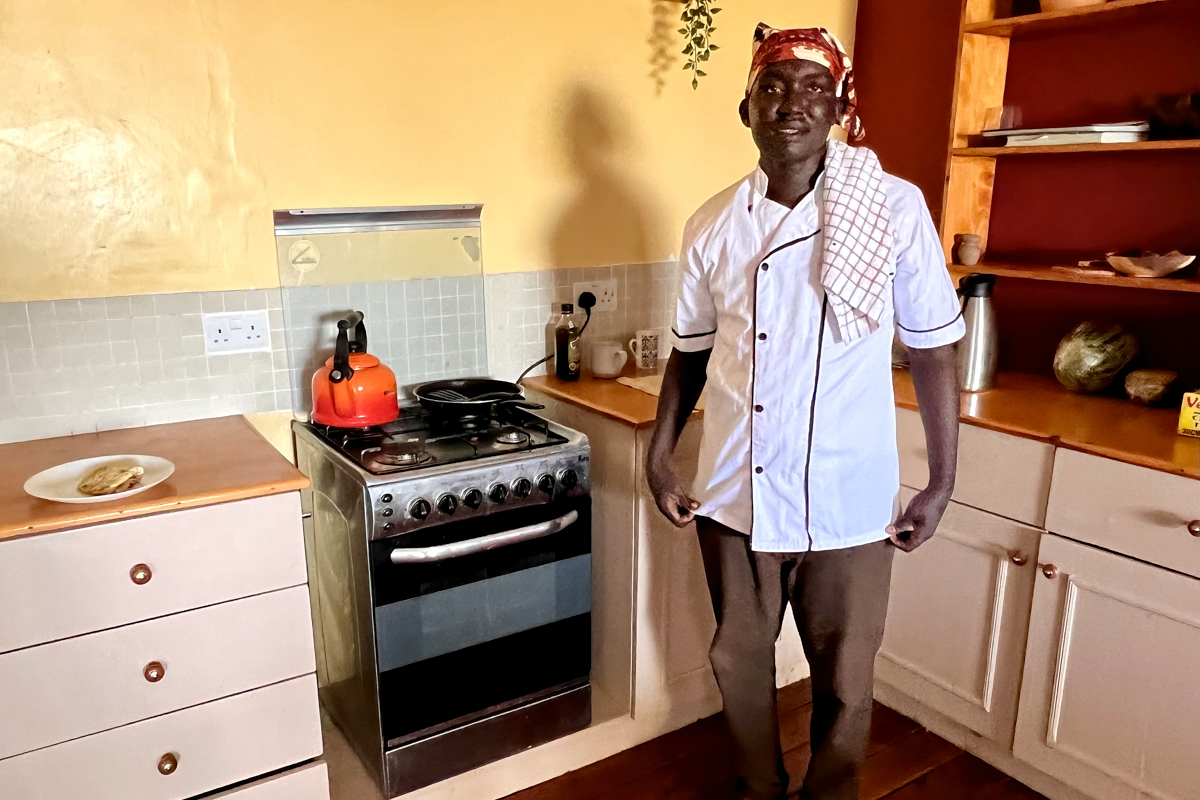
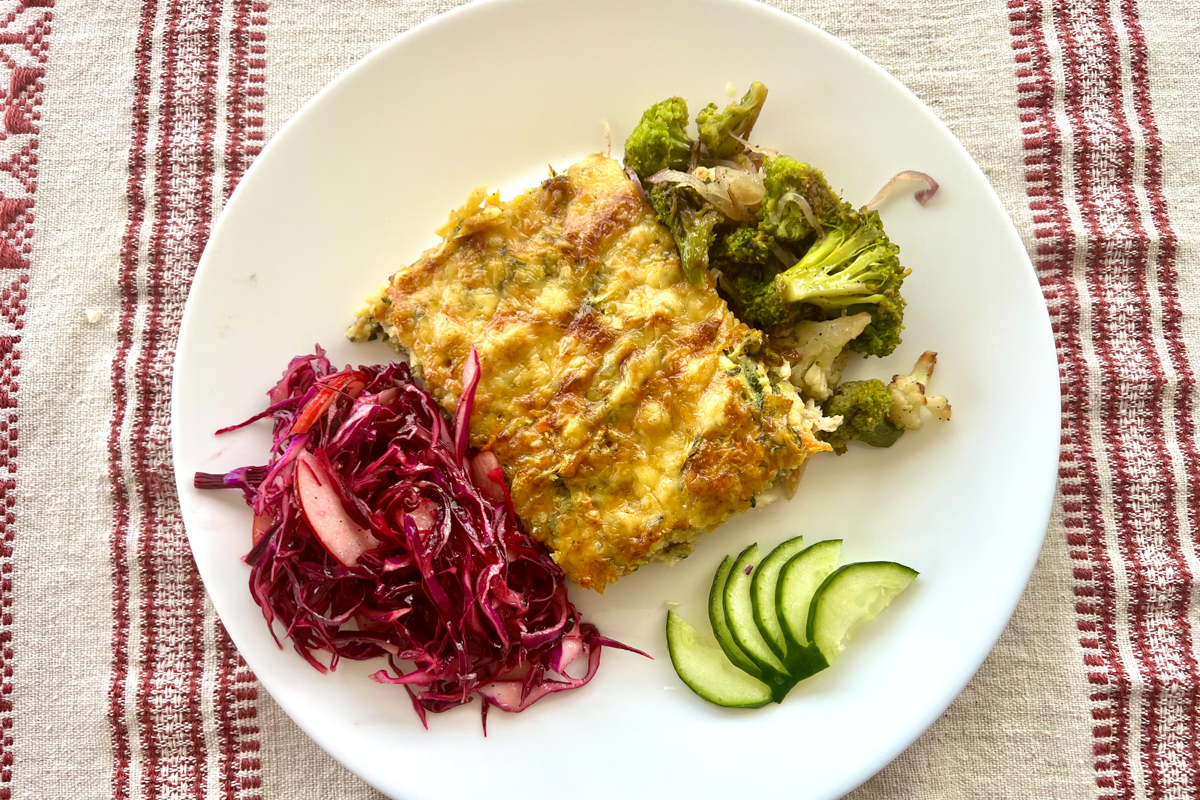
All meals are cooked fresh at Mlima Cottage, by our very own chef! Local produce is used where possible and meals are hearty and scrumptious. Food intolerances and preferences are catered for.

20250614_Meals

20250614_Meals_2

20250617_Meals_3

CUSTOMISED VEHICLES FOR PHOTOGRAPHY

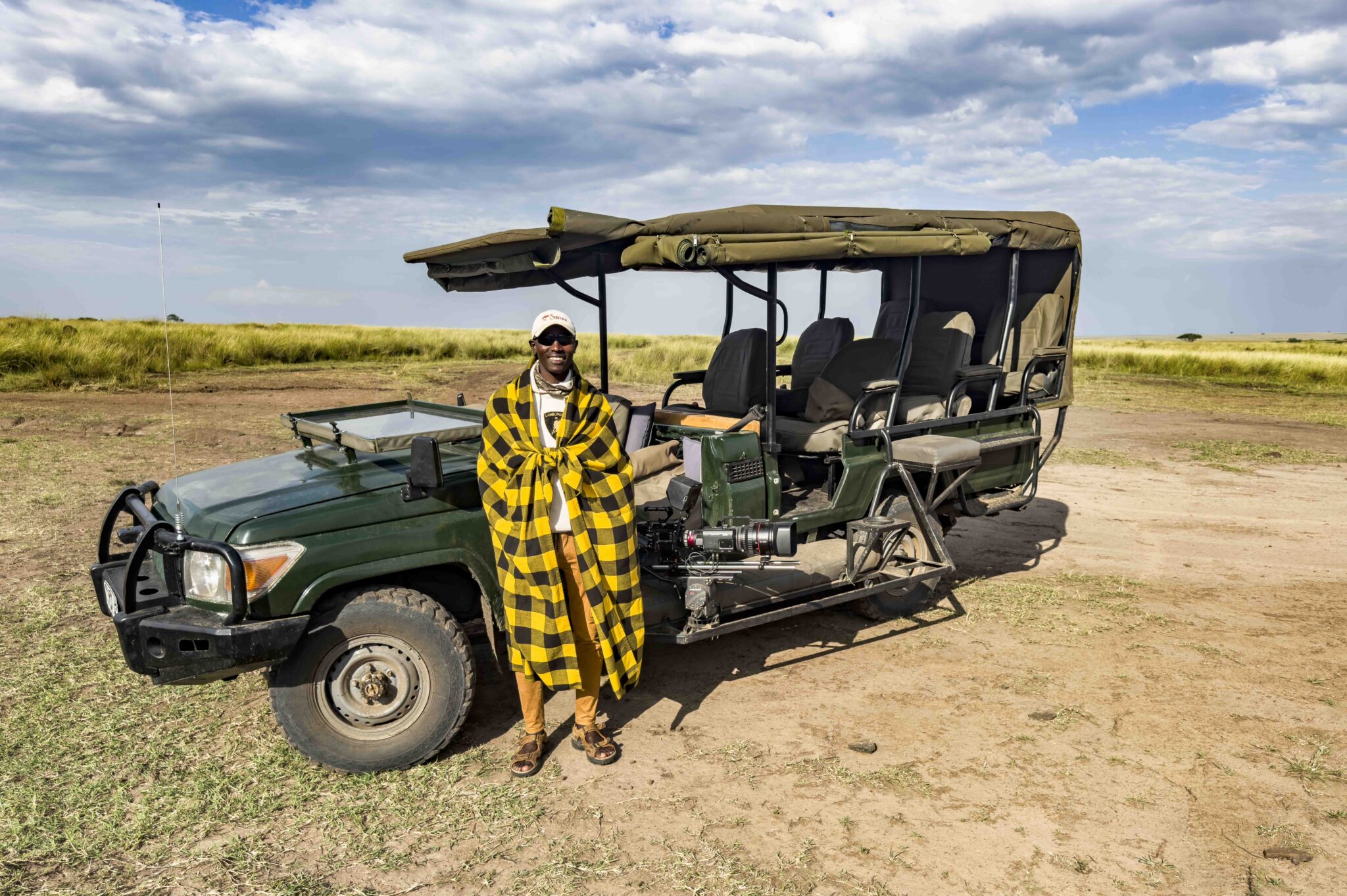
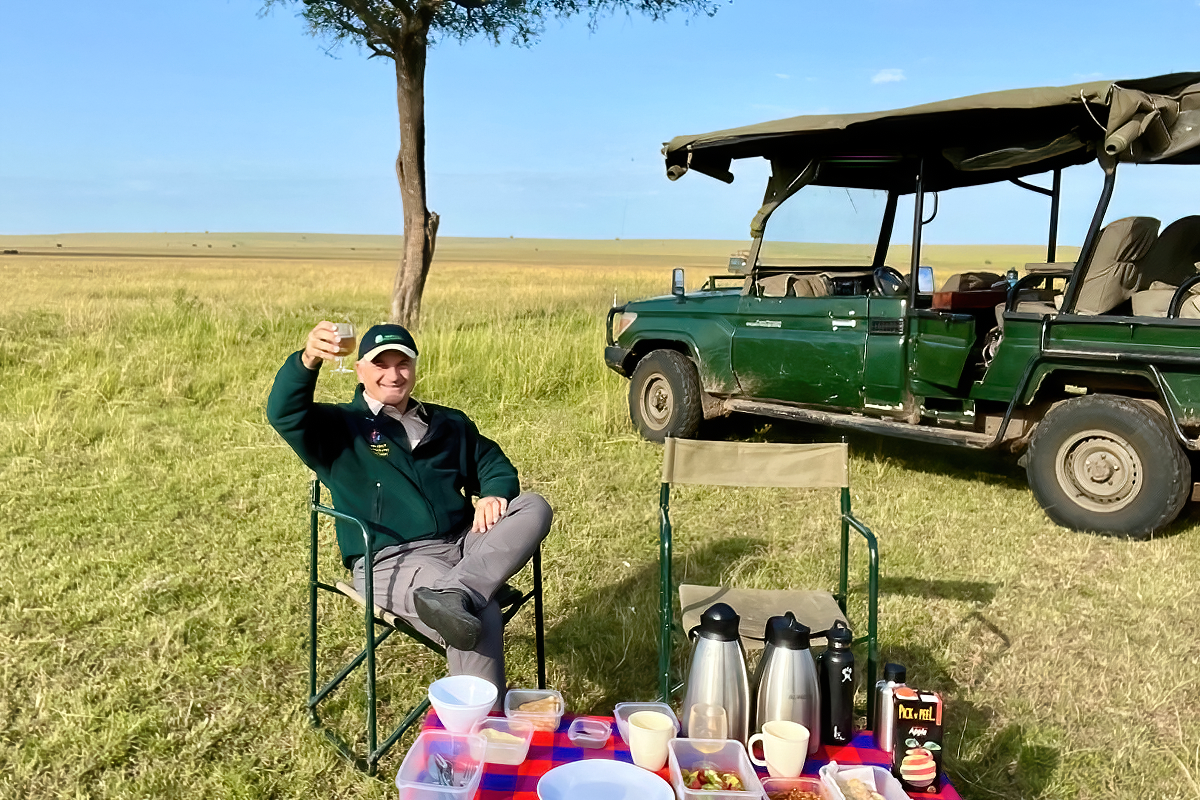
Understanding the unique needs of photographers, our safari vehicles are specially modified to enhance the photographic experience.

Features include:

  • Dedicated spaces to accommodate camera equipment
  • Open-sided designs provide clear lines of sight for capturing wildlife in action.
  • Photographer's beanbags available to help stabilise heavy lenses
On safari

Kenya safari group

20250620_Vehicle_1

EXPERT GUIDES

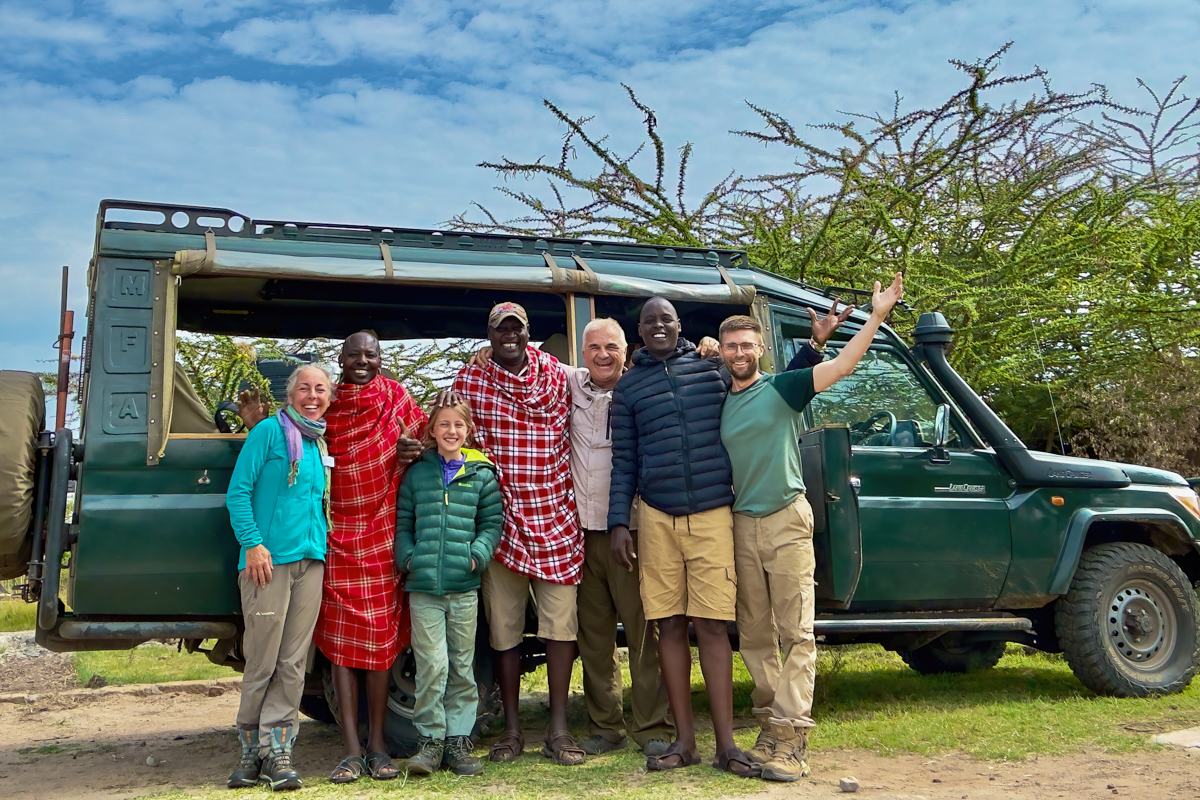
Our team comprises local Maasai who were born in the Mara. They are seasoned professionals with extensive experience in wildlife photography and guiding, working with professional photographers and film makers.

Our guides offer:

  • A deep understanding of animal behaviour and movements to anticipate and position for the perfect shot.
  • Radio connection to a local network of Maasai guides to always allow us to know immediately what sightings are happening.
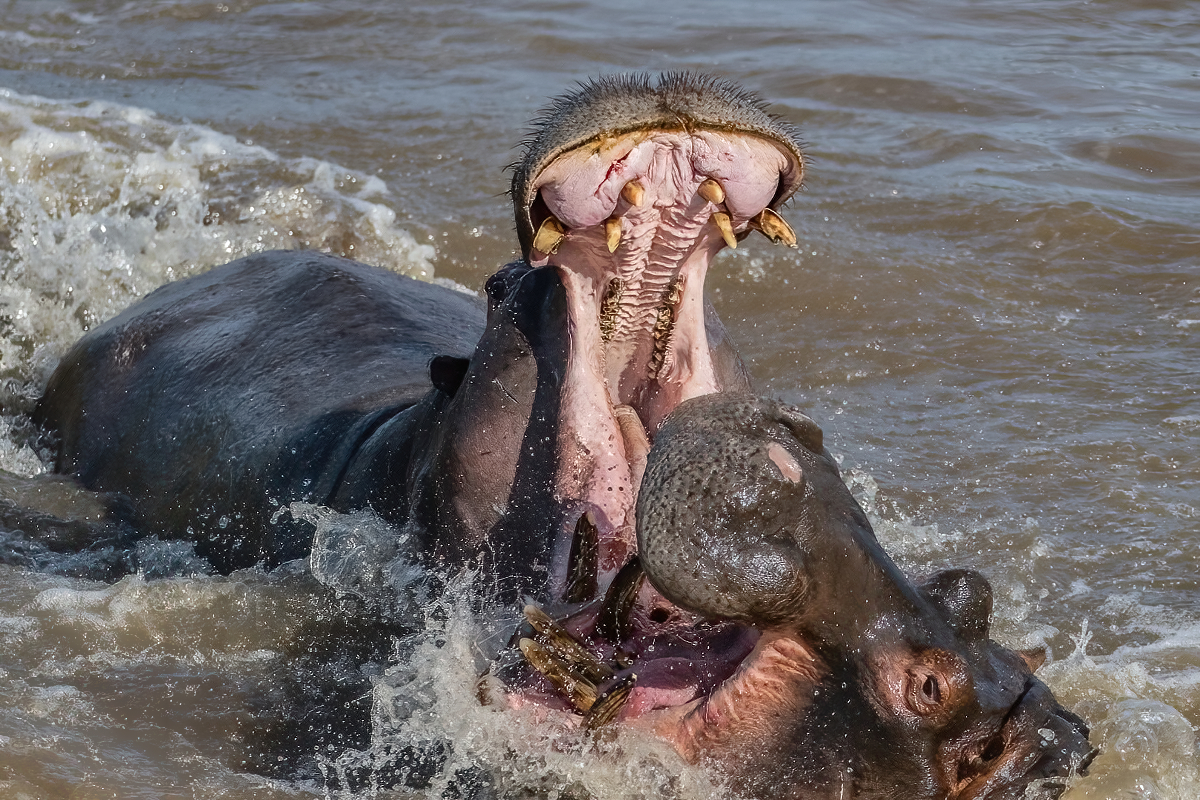
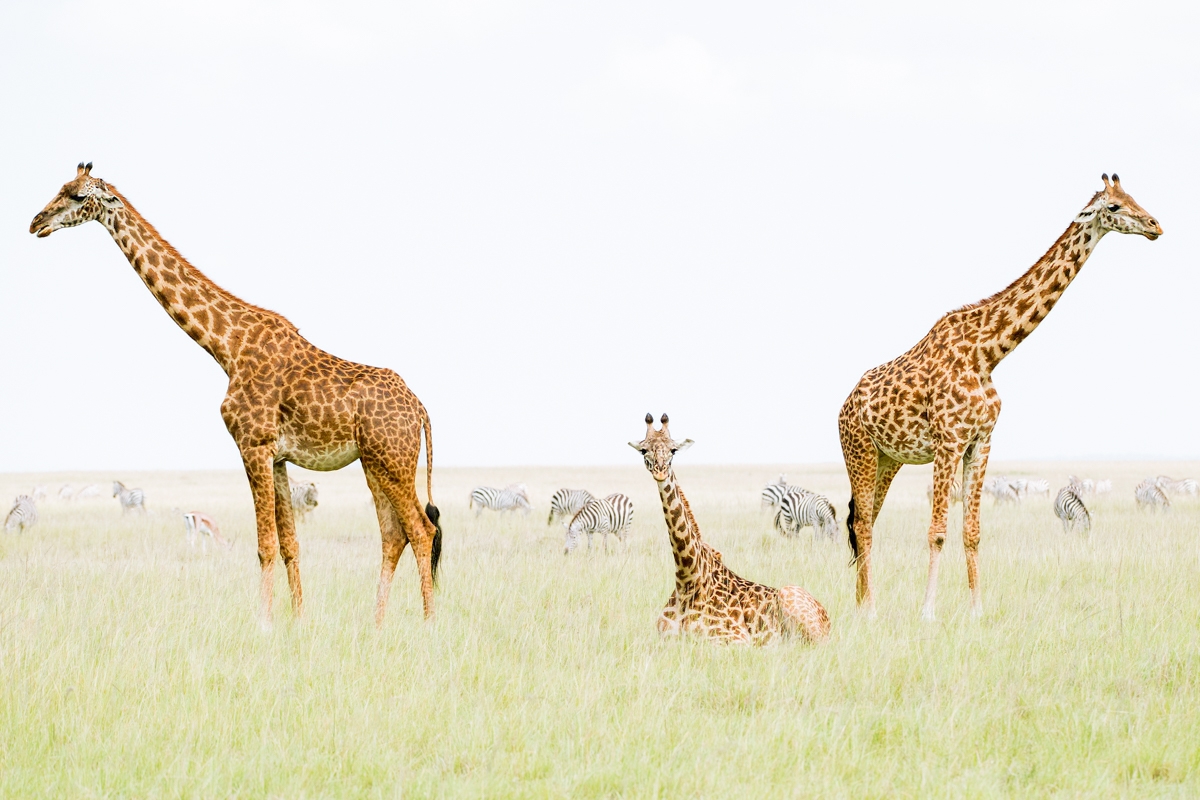
20250627_Fighting Hippos-DeNoiseAI-standard

20250618_Giraffe-DeNoiseAI-standard

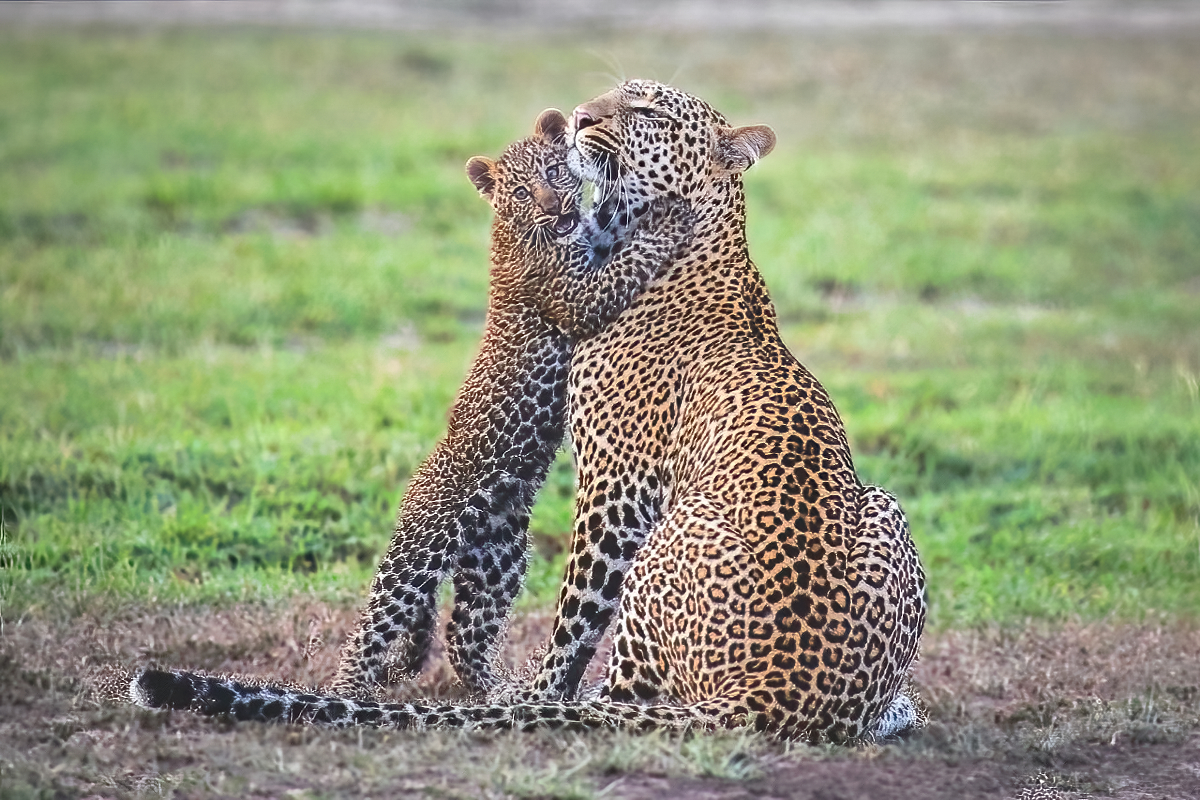
20250710_Mother and cub-DeNoiseAI-standard

WILDLIFE IN ABUNDANCE

The Maasai Mara National Reserve, also known as "The Mara," a wildlife conservation area in southwestern Kenya, is renowned for its abundance of wildlife, both in species types and numbers. I call it ‘The Greatest Wildlife Show On Earth’ for good reason!

The Mara is especially known for the high concentration of big cats like leopards, cheetahs and lions. It also hosts a vast array of other wildlife. Apart from the various cats, some other mammal species found there include the ‘regulars’ such giraffe, rhinos, hippos, wildebeest and elephants, as well as Black-backed jackals, Bat-eared foxes, various types of mongoose, to name but a few. Bird species are abundant and include the Hammerkop, Lilac-breasted Roller, Secretary bird, Bateleur and Fish eagles, Kingfishers and more, as well as a variety of reptiles. During my latest trip to the Mara (June 2025) we saw an astounding 136 different wildlife species in eight days!! Most of these were able to be photographed, many at incredibly close range!

YOU WON'T BE DISAPPOINTED IN THIS MAASAI MARA PHOTO SAFARI!
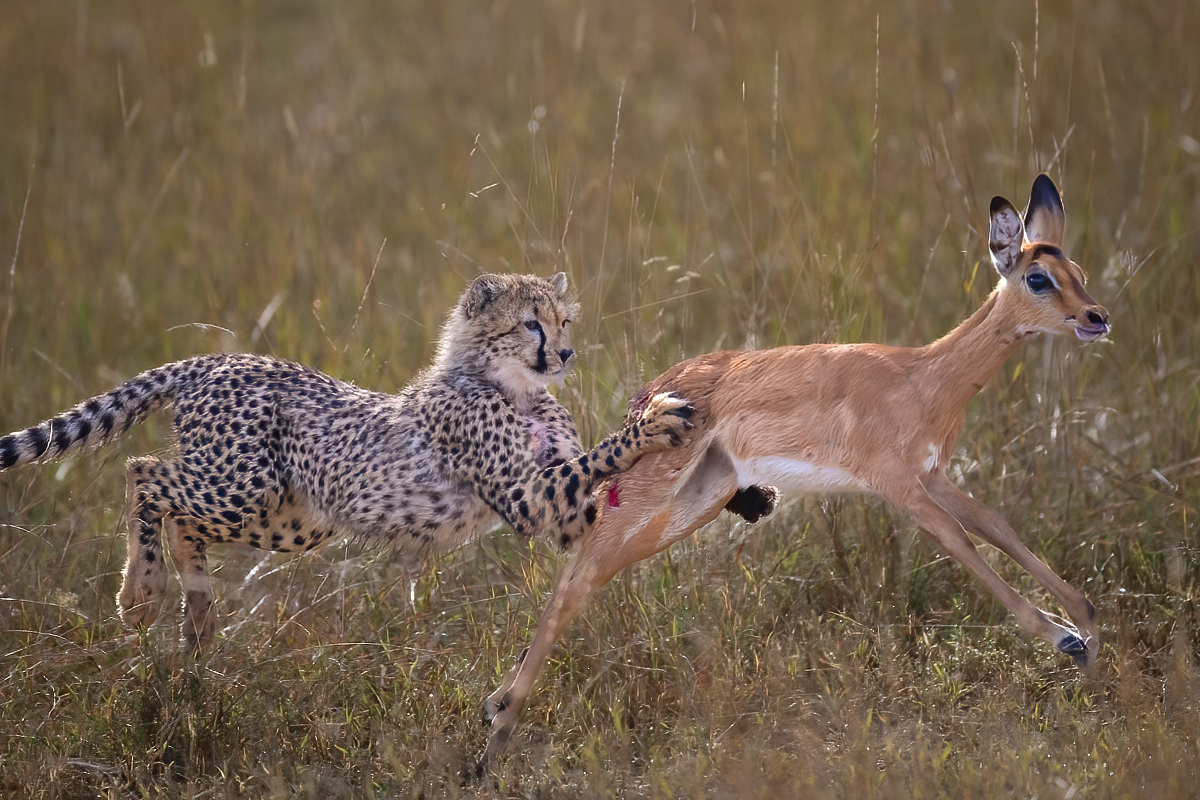
 

20180827_Practise hunting-DeNoiseAI-standard

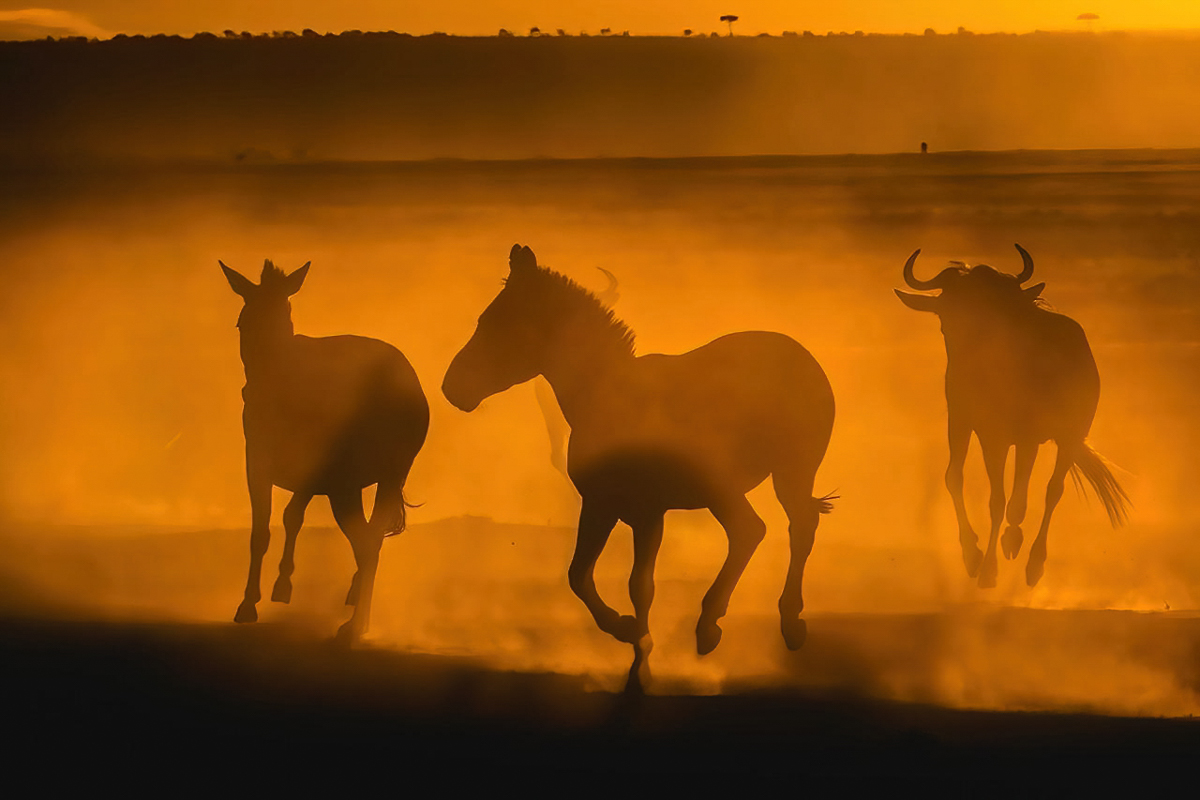
20250710_Sunrise Zebras

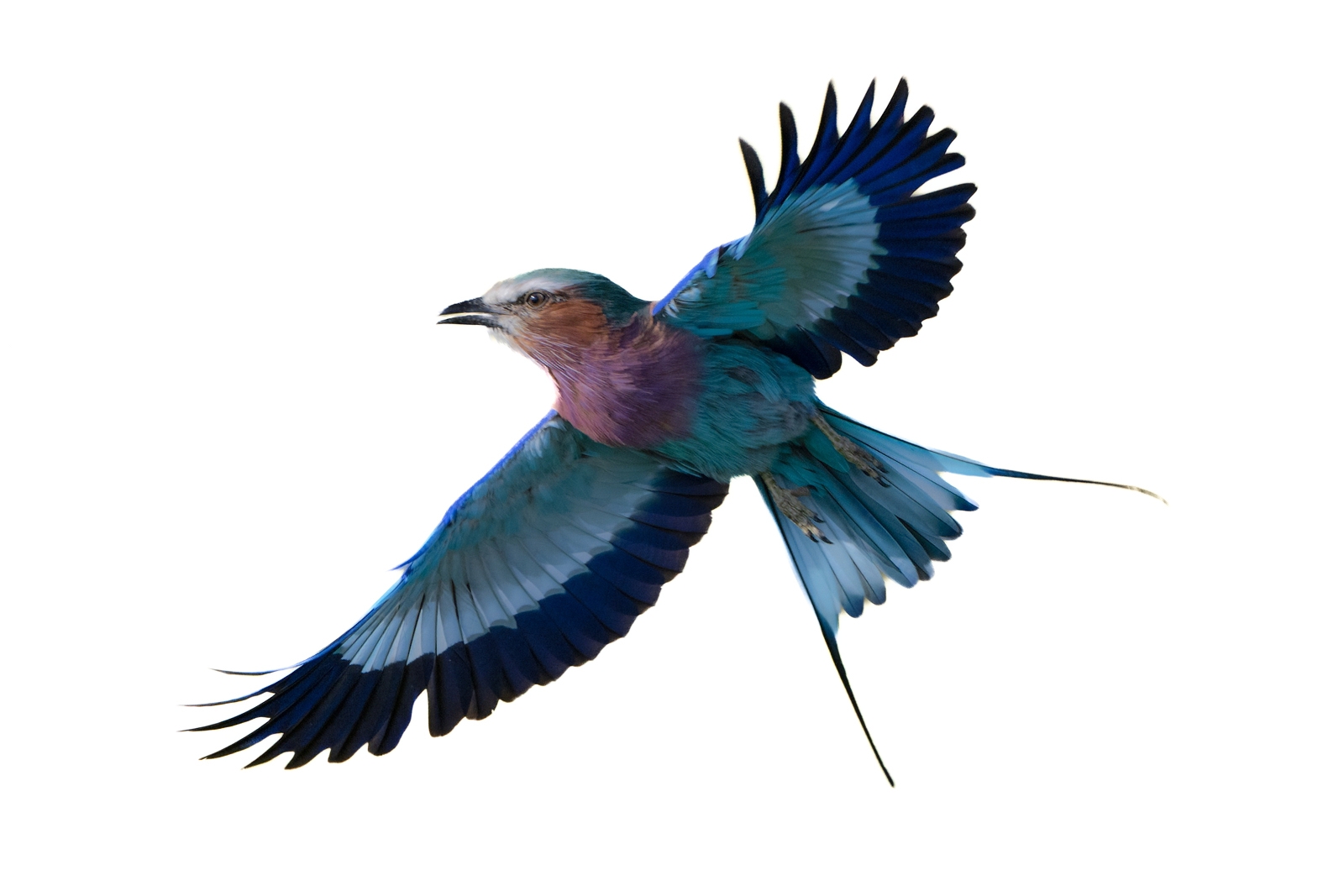
20250621_Lilac-breasted Roller-DeNoiseAI-standard

COST

PRIICE PER PERSON SHARING: 

6TH TO 13TH OF JUNE 2027 - $AU8795 (price includes $US100 per day parks fee) 

Single supplement to guarantee exclusive room use: $AU1750 PER PERSON (If no other guest is available to share, the single supplement will be charged and you will have your own room)

Minimum departure: 3 guests

Maximum departure: 6 guests, using two guides and two vehicles for maximum comfort and photographic opportunities

PLEASE NOTE:

FOR THREE GUESTS, WE USE ONE GUIDE/VEHICLE WITH MULTIPLE ROWS, SO EVERYONE GETS A 'WINDOW SEAT'

FOR FOUR TO SIX GUESTS, WE USE TWO GUIDES/VEHICLES WITH MULTIPLE ROWS. ONCE AGAIN, EVERYONE GETS A 'WINDOW SEAT'

INCLUSIONS

  • A private eight day photographic safari in the Maasai Mara, Kenya, accompanied by professional photographer and tutor Michael Snedic from WildNature Photo Expeditions
  • Park and conservancy fees. These fees are $US100 per day in the off season (January to June) and $US200 per day in the high season (July to December)
  • Exclusive accomodation at Mlima Cottage. We do NOT stay in safari tents but in newly-renovated cottages.The cottages are for us only with NO OTHER GUESTS
  • All meals, including 'bush breakfast' whilst out on safari, lunch and dinner. Delicious, home-cooked meals are cooked by our own chef
  • Laundry
  • Fast wifi (Starlink)
  • Pick and drop off to local airstrip (Musiara)

EXCLUSIONS

  • International and local airfares
  • Kenya Visa
  • Travel & medical insurance (required)
  • Gratuities
  • Extra luggage allowance

LOCAL TRAVEL PACKAGES AVAILABLE

We have a service available, at an extra cost, which includes the following:

  • International Airport greeting and drive to hotel
  • Top class hotel in Nairobi
  • Transfer to Nairobi Wilson airport
  • Return flights from Nairobi Wilson airport to Mara Musiara airstrip 

That way, you can travel stress-free and enjoy your bucket-list Maasai Mara Photo Safari : - ))

Bookings and Contact:

To secure your booking, we require a 25 percent non-refundable deposit. The balance is due 120 days before the safari start date. TRAVEL INSURANCE NECESSARY

CANCELLATION POLICY - Deposit is non-refundable. Cancellation up to 120 days before departure - 50% of total workshop price forfeited. Cancellation less than 90 days before departure or during tour, 100 percent of the safari will be forfeited.

To ask any questions you may have regarding this unique photographic safari, or to book one of the limited places, please contact Michael Snedic from WildNature Photo Expeditions via email or call 0408 941 965
mlima maasai mara

Carol-and-Laureen-Kenya

Learn how to take better photos of African wildlife

7 Day Mountain Gorilla, Chimpanzee & Shoebill Photo Safari – Uganda

Uganda Photo Safari

14th to 20th of September 2026

WHAT TO EXPECT

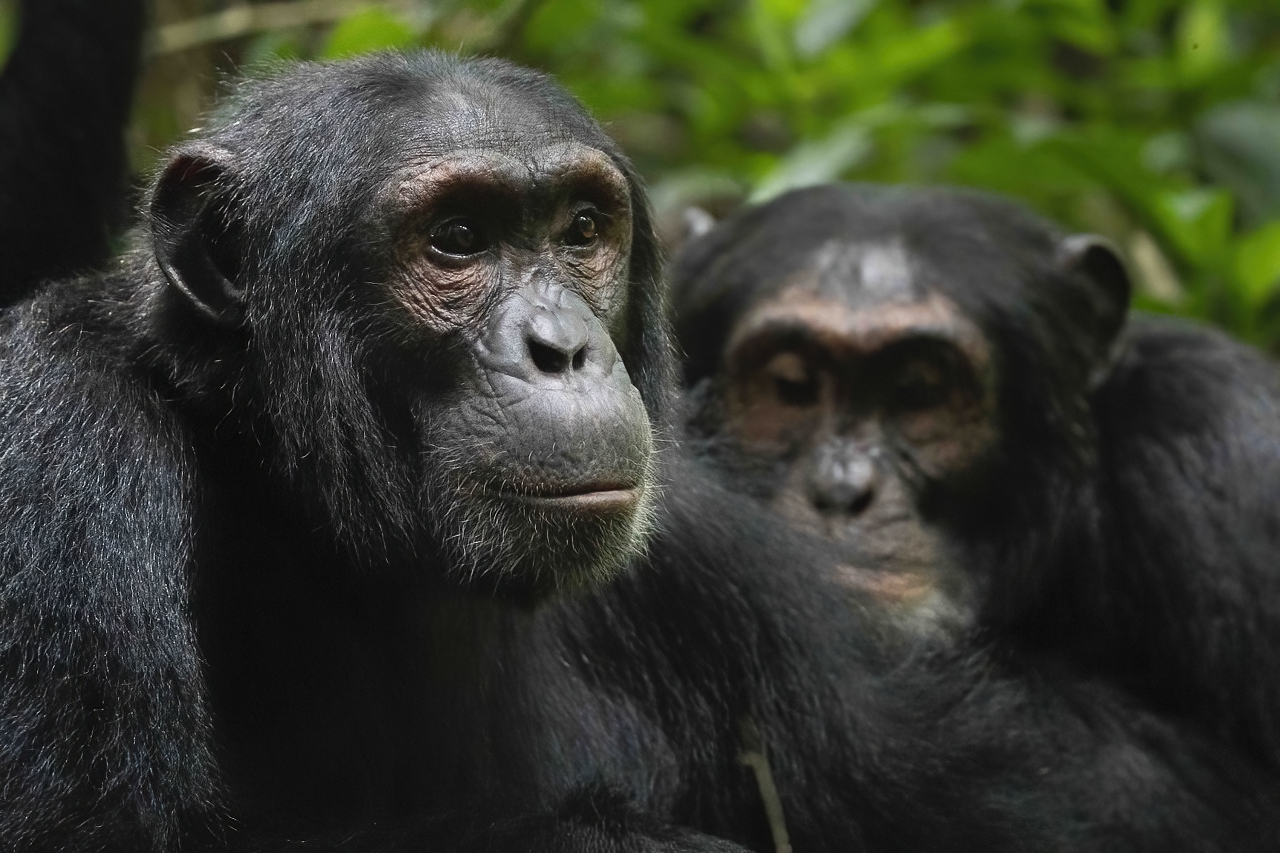
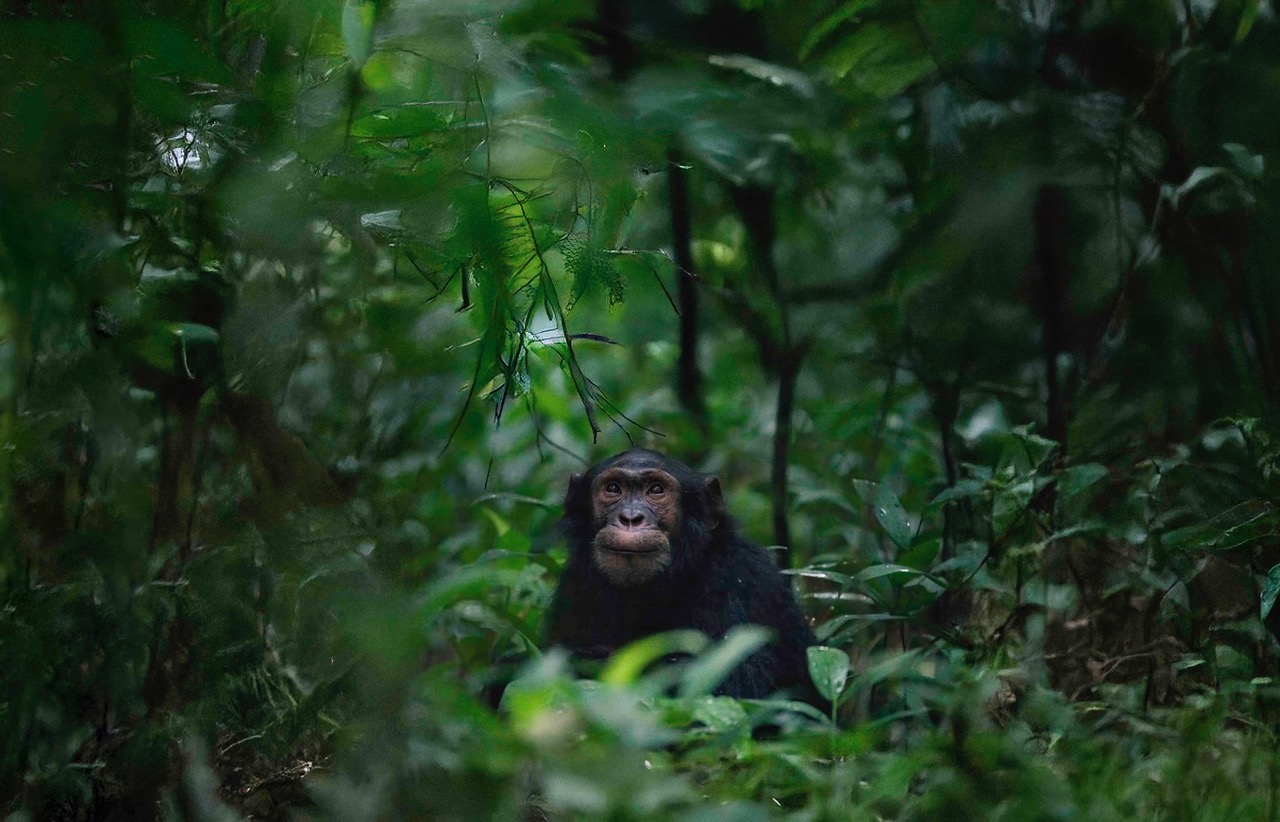
We journey into the heart of Kibale Forest, Uganda – one of Africa’s most enchanting rainforests and home to the highest density of primates on the continent, including chimpanzees. Kibale offers a unique and rare opportunity to intimately observe and photograph our closest relatives in their natural habitat. Towering fig trees, dappled forest light, and the calls of chimpanzees echoing through the canopy set the scene for an unforgettable experience.
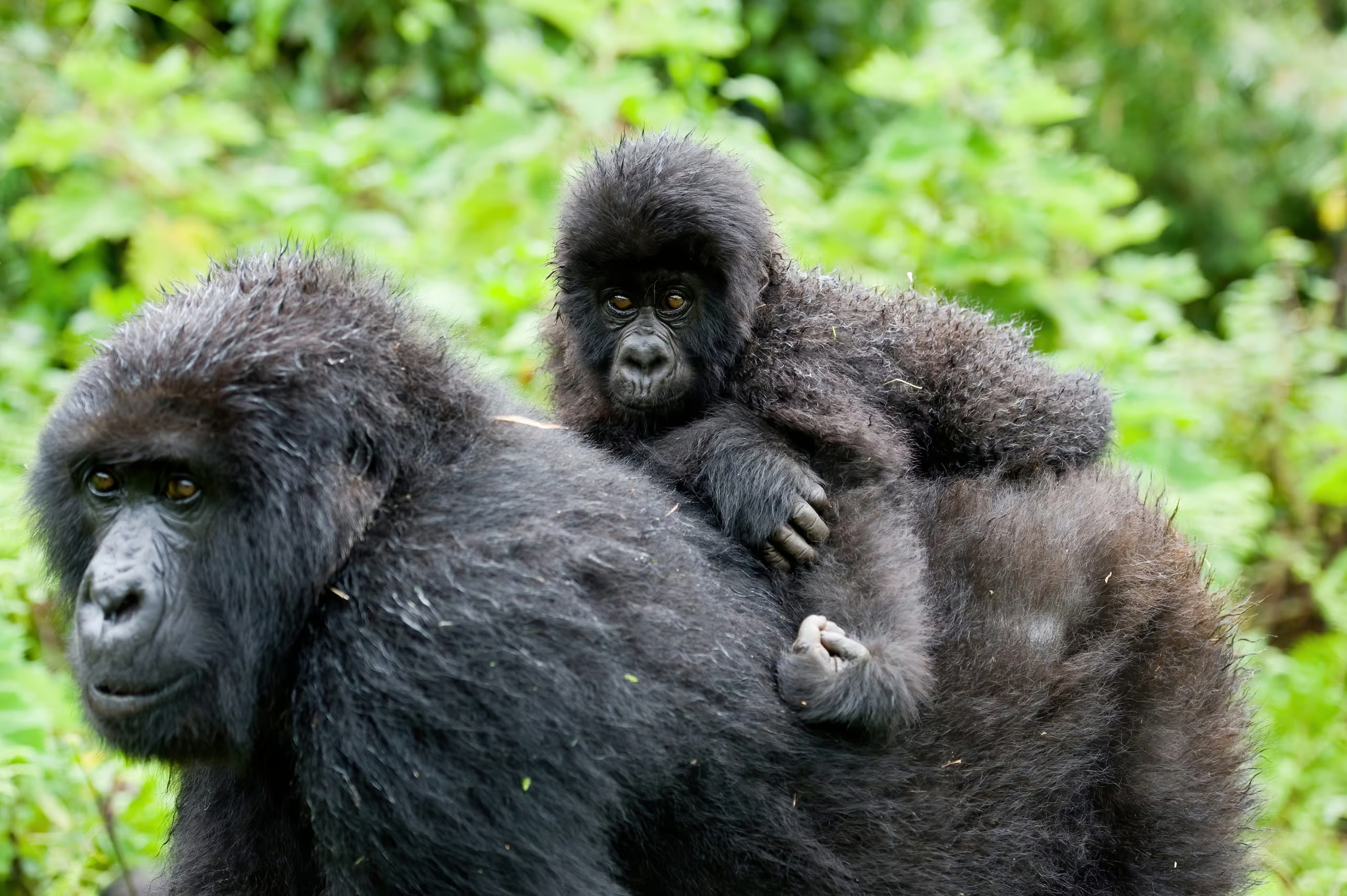
We then venture deep into the misty montane forests of southwestern Uganda for one of the most profound wildlife photography experiences on Earth — coming face to face with the endangered mountain gorilla in Bwindi Impenetrable National Park.

This immersive expedition is crafted specifically for photographers, offering rare access to spend intimate moments with habituated gorilla families in their natural environment. Led by experienced guides and trackers, and with special permits, we will follow these gentle giants, documenting everything from playful juveniles to silverbacks resting in regal silence. With extended time in the forest and support tailored to photographers, you’ll have the best chance to frame powerful and authentic images.

Perfect for photographers and non-photographers, this journey combines immersive primate encounters with the magic of one of East Africa’s most biodiverse ecosystems.

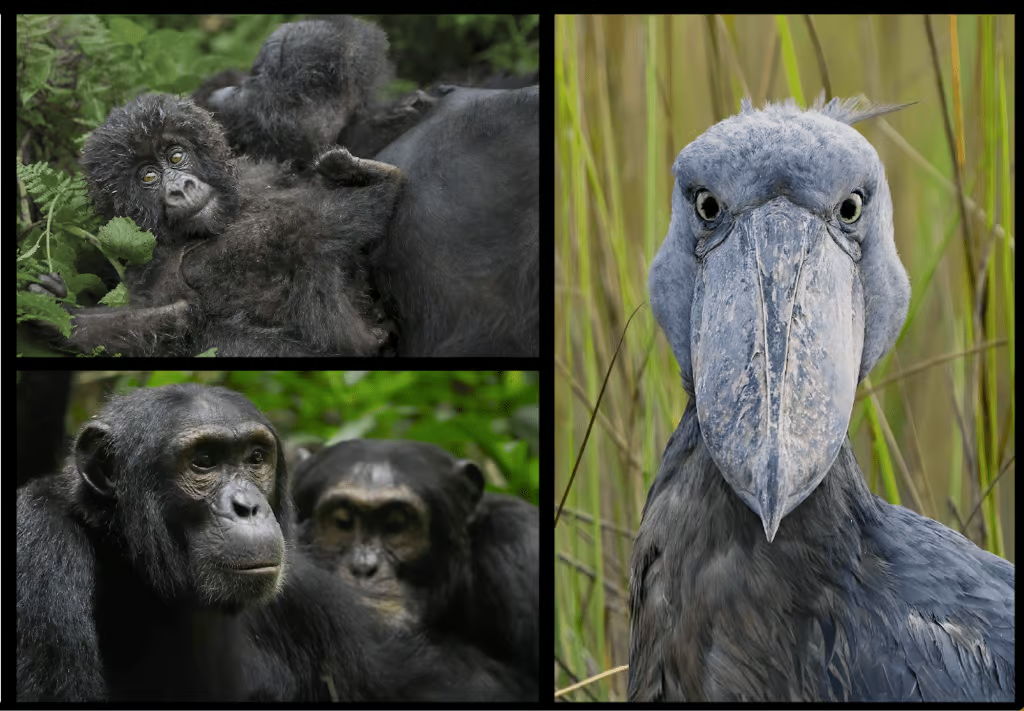
Chimps

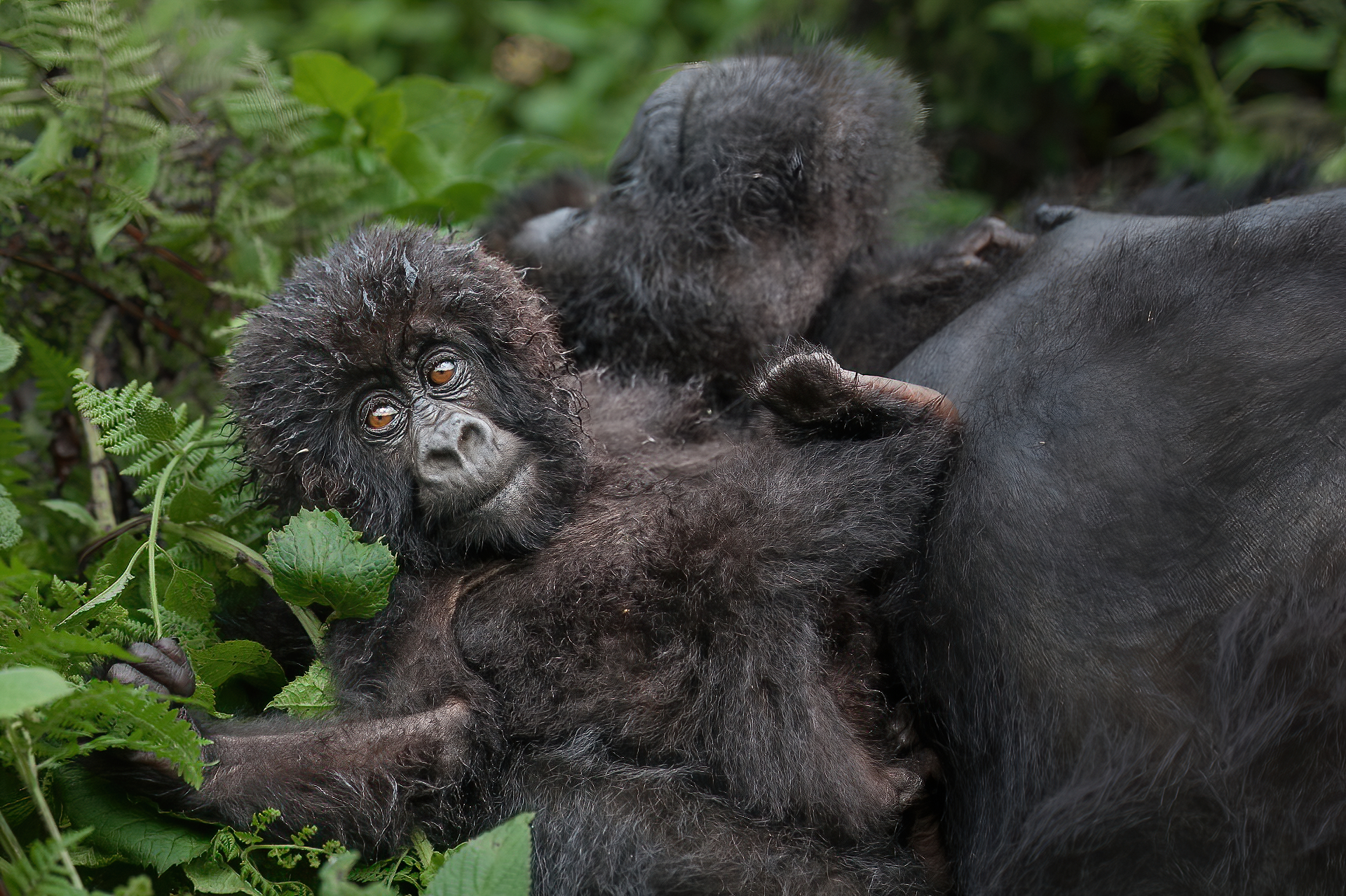
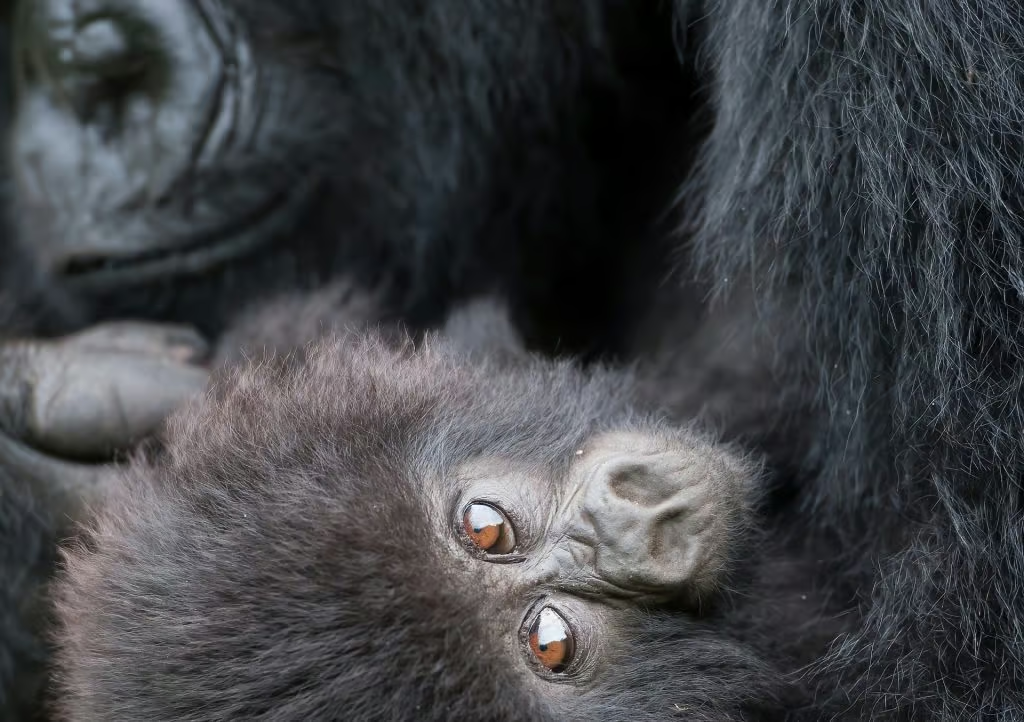
Cute Baby Mountain Gorilla

Chimp_2

ITINERARY

DAY ONE

We fly from Nairobi to Entebbe on the afternoon, and arrive to our lodge for the first night.

Accommodation – Hotel Horizon Entebbe

DAY TWO

The following morning we depart early for Kibale Forest. We stop in Fortal Portal in time for lunch en route and arrive in the afternoon to our forest lodge. We take a bird watching and primates photography walk in the early evening at the community reserve.

Driving – 4x4 Landcruiser. Around 6 hours.

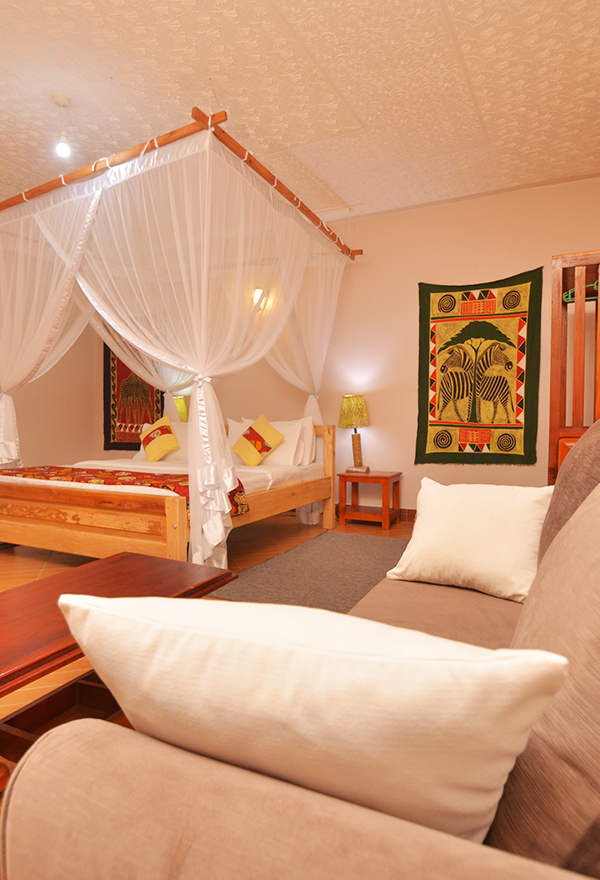
Accommodation - Guereza Canopy Lodge

DAY THREE

We set out before sunrise to meet our forest trackers and local guide. We will spend all day in the forest walking with the Kanyantale chimpanzee community.

The Kanyantale chimpanzee community is the most well-known and habituated group of wild chimpanzees in Kibale and has been the focus of chimpanzee tracking and research for several decades.

They are a large community of around 120 individuals (numbers fluctuate) with a well- established social hierarchy and dynamic social interactions. Encounters typically involve following the chimpanzees as they move, feed, groom, vocalise, and sometimes display dramatic interactions. It’s common to observe intimate family moments, dominance displays, tool use, and other complex behaviours. The forest itself is alive with other primates, birds, and a rich diversity of flora and fauna.

Accommodation - Guereza Canopy Lodge

DAY FOUR

The following morning we depart early for Bwindi Forest. We fly from Kasese to Kisoro and then drive the remaining distance to arrive to our forest lodge and take time to rest with expansive views of the forest.

Driving / Flight – 2 hours drive to Kasese. 1 hour 15 mins flight to Kisoro. 2 hours 30 mins drive to Bwindi.

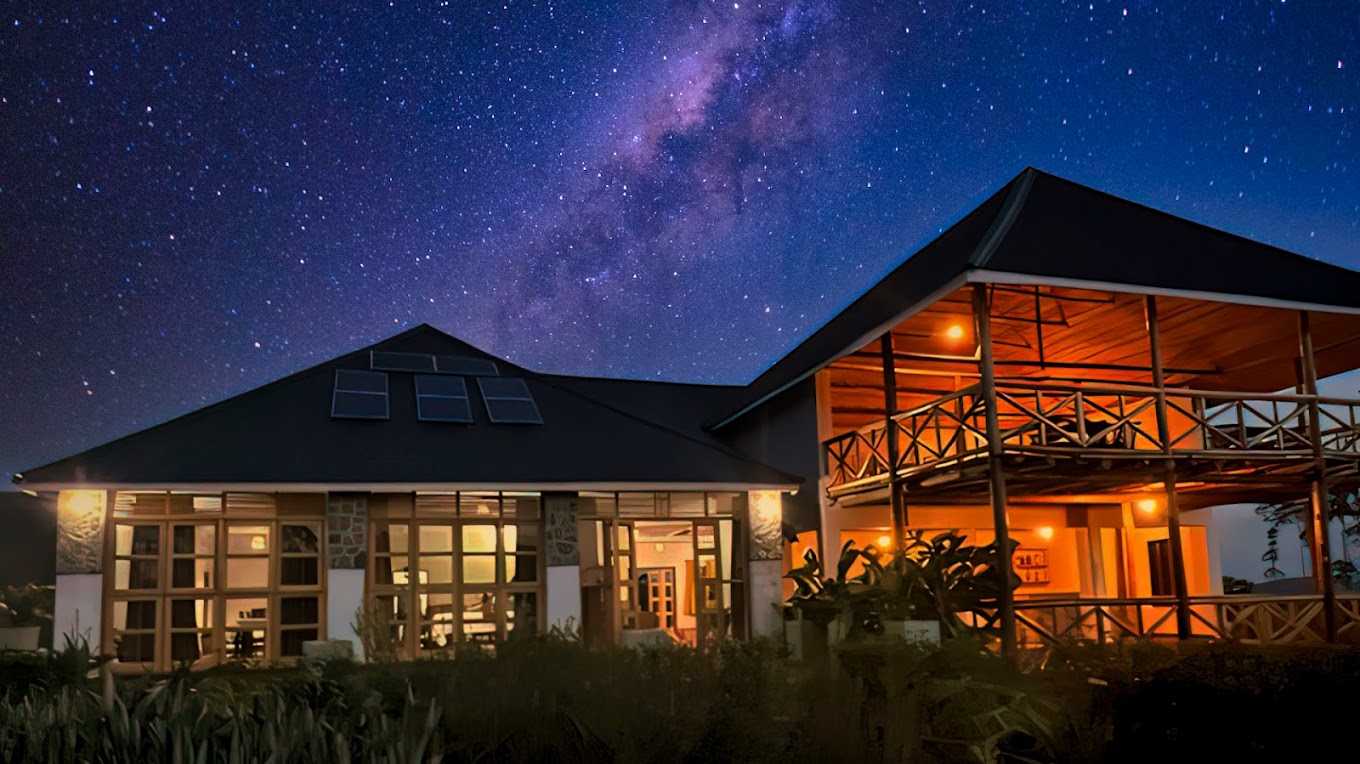
Accommodation – Gorilla Mist Lodge

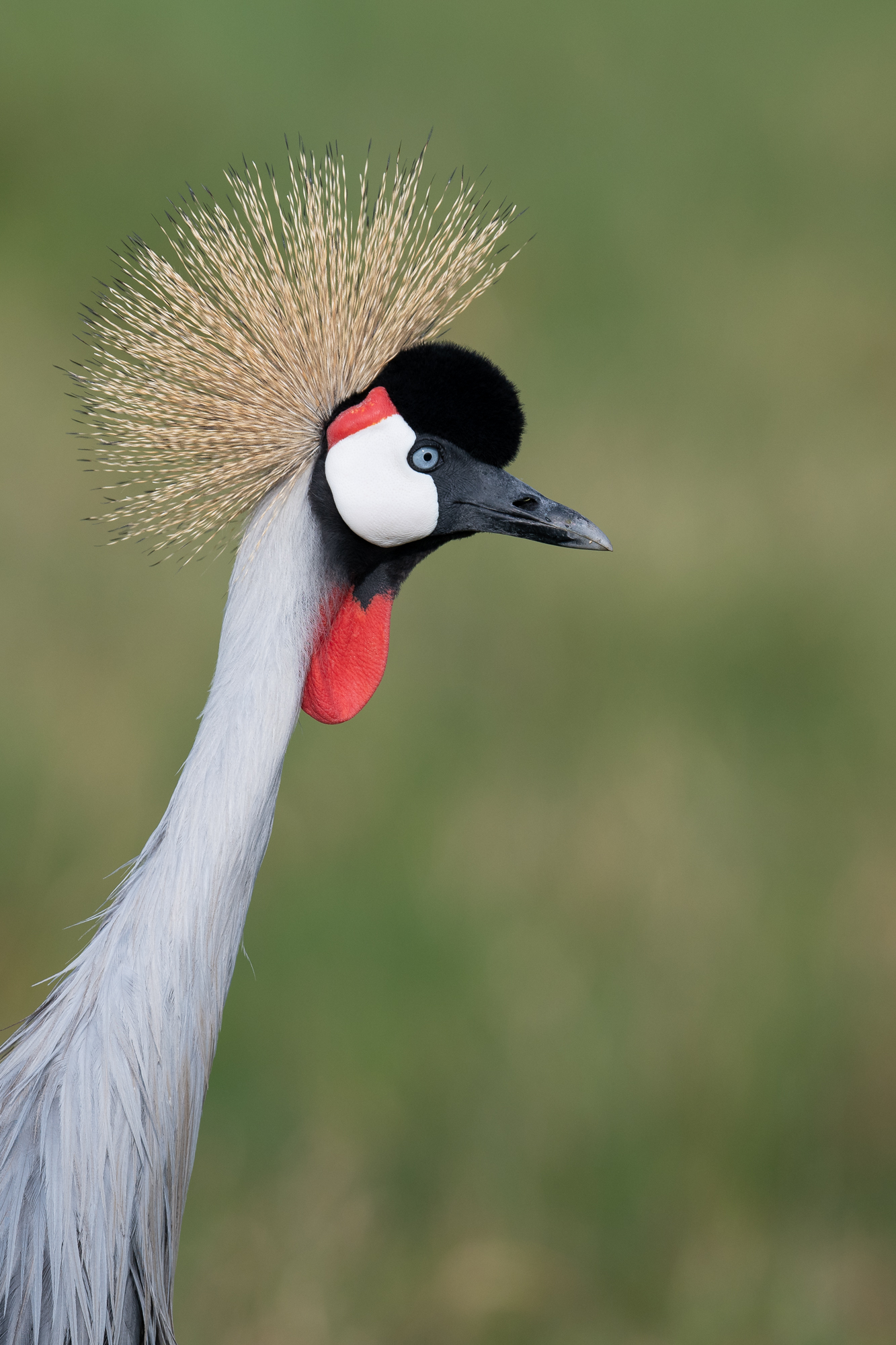
Crowned Crane

Baby_Mountain_Gorilla

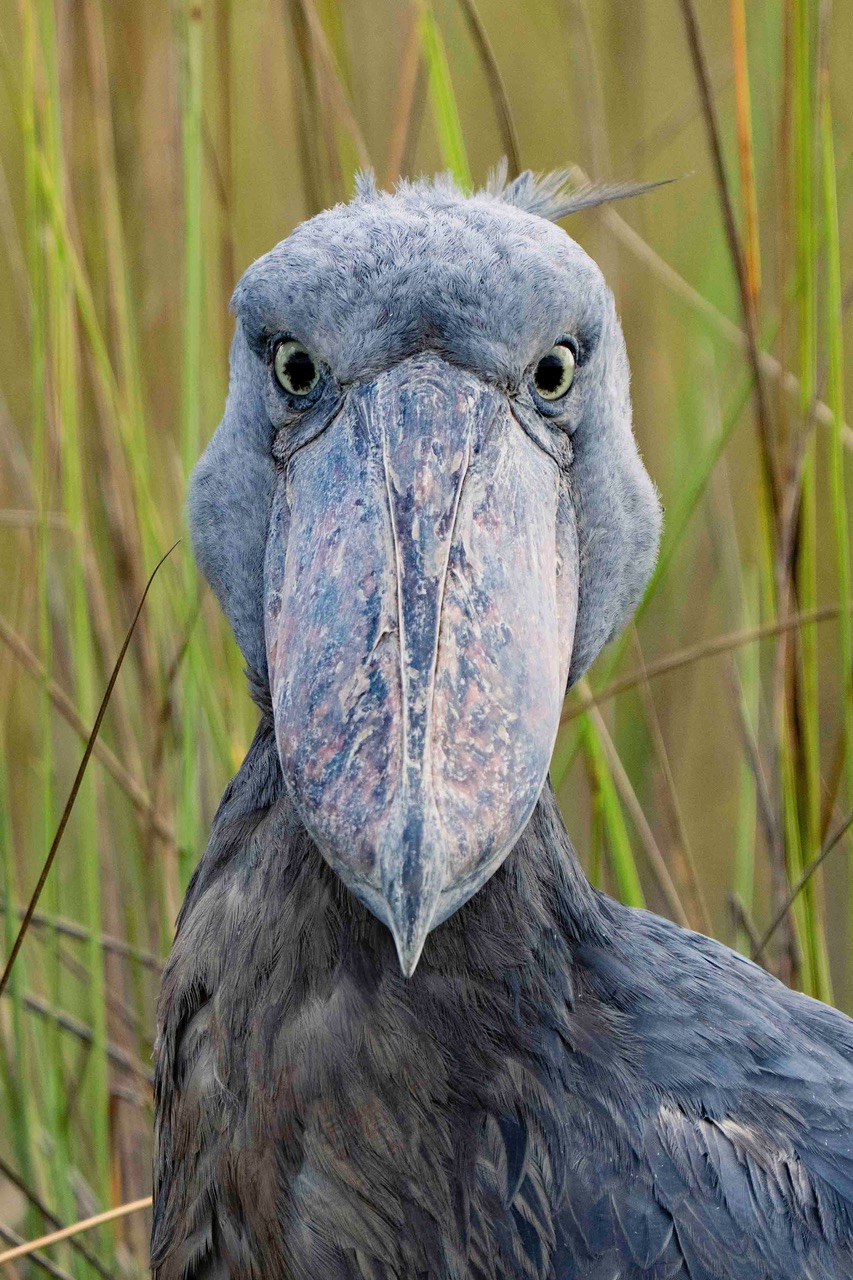
Shoebill

DAY FIVE

We set out before sunrise to meet our forest trackers and local guide. We will spend all day in the forest walking with the Mukiza gorilla family group. The Mukiza famliy is one of the habituated mountain gorilla groups located in the Ruhija sector of Bwindi. The group is named after its dominant silverback, Mukiza, whose name means “saviour” in the local language. The Mukiza typically consists of 10–15 members, including females, juveniles, and infants. The family offers rich photographic opportunities of family interactions, mother-infant bonding, and playful behaviour among young gorillas.

Ruhija is one of the quieter tracking areas, making encounters more intimate and less crowded. The diverse age groups in the family provide a range of natural behaviours to photograph—from feeding and grooming to playing and resting.

Accommodation – Gorilla Mist Lodge

DAY SIX

We fly back to Entebbe in the morning and take a late lunch at our hotel. We venture out to remote wetlands of Mabamba Swamp near Lake Victoria in the late afternoon to look for the elusive shoebill. Towering at over four feet tall with its prehistoric appearance and massive shoe-shaped bill, this is a once-in-a-lifetime experience for wildlife enthusiasts and bird photographers alike.

Driving / Flight – 2 hours 30 mins drive to Kisoro. 1 hour 30 mins flight to Entebbe.

Accommodation – Hotel Horizon Entebbe

DAY SEVEN

We leave early morning on a guided canoe tour to again look for the shoebill in the soft morning light, surrounded by a misty landscape teeming with other waterbirds. Patience is rewarded with breathtaking close-up shots as the shoebill remains remarkably still while hunting, providing ample opportunities for dramatic portraits. Uganda’s pristine wetlands not only offer intimate access to this rare species but also a serene, unforgettable adventure into one of Africa’s richest birding habitats.

We return to the hotel for lunch and to pack, before departing on our international flight in the afternoon / evening.

Guereza Lodge_1

Guereza Lodge Bedroom

Gorilla Mist Camp

COST

$AU10985 per person (plus $AU1600 for single supplement))

INCLUSIONS

  • Photography tuition by professional photographer and tutor, Michael Snedic
  • Permits for both Mountain Gorilla and Chimpanzee treks
  • Private vehicle, driver and guide
  • Guided canoe tour looking for Shoebills and other birds
  • Accommodation for six nights, as stated above
  • All meals
  • Internal flights

EXCLUSIONS

  • International flights
  • Uganda Visa
  • Tips and gratuities

Bookings and Contact:

To secure your booking, we require a 25 percent non-refundable deposit. The balance is due 120 days before the safari start date. TRAVEL INSURANCE NECESSARY FOR THIS SAFARI

CANCELLATION POLICY

The deposit is non-refundable. Cancellation up to 120 days before departure - 50% of total workshop price forfeited. Cancellation less than 90 days before departure or during tour - 100% of the workshop will be forfeited.

To ask any questions you may have regarding this unique photographic safari, or to book one of the limited places, please contact Michael Snedic from WildNature Photo Expeditions via email or call 0408 941 965

Carol-and-Laureen-Kenya

Learn how to take better photos of African wildlife

A First-timers Guide to Photographing African Wildlife

A First-timers Guide to Photographing African Wildlife

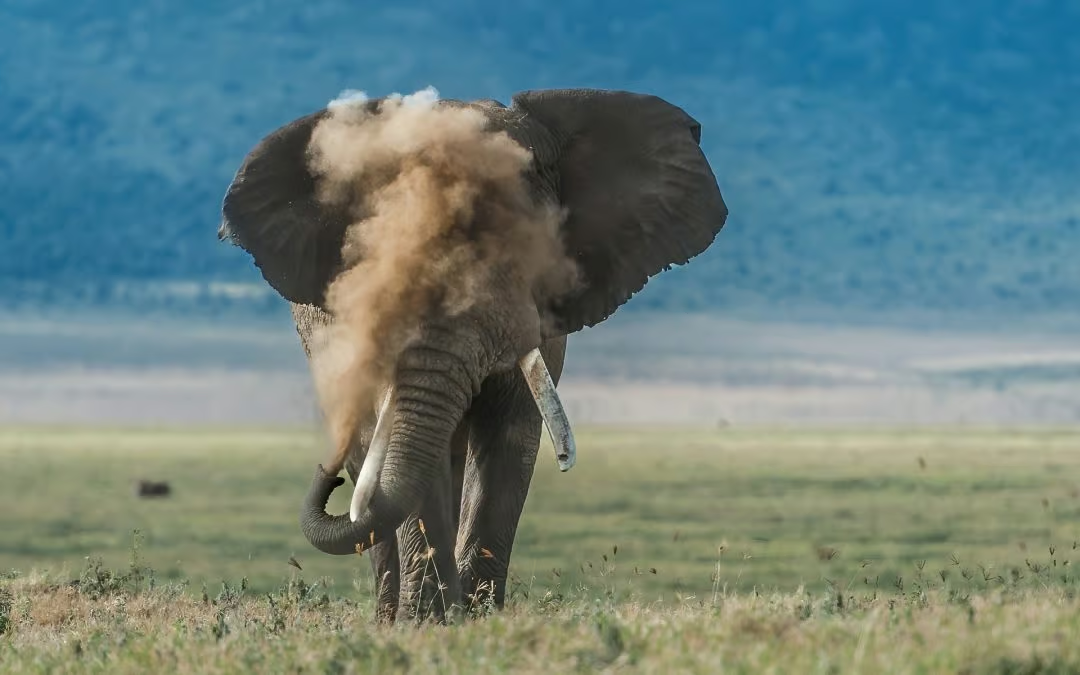
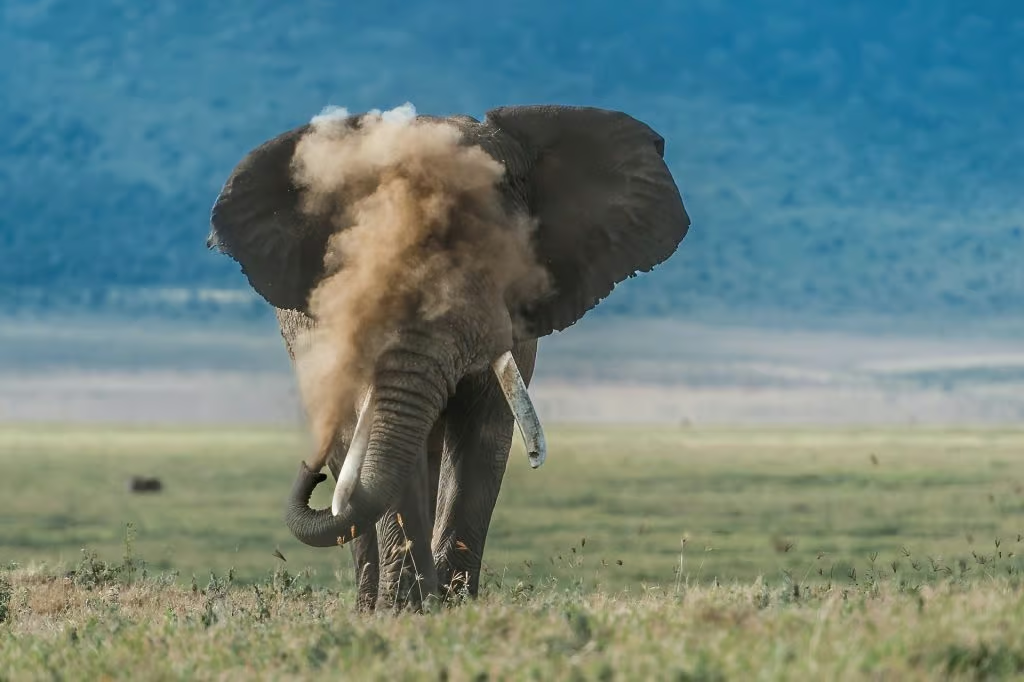
African elephant puffing dust

Text and images by Australian wildlife and nature photographer, Michael Snedic

Africa is a true wildlife photographers ‘paradise’. Yes, the phrase ‘paradise’ may be a cliché and overused but in the case of Africa, it certainly is true. The African continent is, of course, made up of many different countries, with most of them having plenty of unique wildlife photography opportunities. I have travelled to Africa many times over the years to present photographic safaris to destinations such as Kenya, Tanzania, Sabi Sabi Reserve, Namibia, Botswana, Madagascar and the Volcanoes National Park in Rwanda (Mountain Gorillas). Each and every location has been truly awesome!

Best Way to Get Around

There is no doubt in my mind that the best way to visit countries in Africa with the aim of photographing wildlife is to seek out a reputable African Safari company. Once you find one, they will work with you to stylise an individual itinerary that suits your requirements and budget. I have been working with one African safari specialist for many years now and I wouldn’t go any other way! You may want to photograph particular wildlife species which are most prevalent at certain times and in particular areas, so having a professional to fine-tune your itinerary is a definite advantage.

Those Eyes

Best Countries to Visit for Wildlife Photography

Kenya

For a photographer who is planning to go to Africa for the first time, I highly recommend visiting Kenya first. Each and every time I have gone there with a group, I am blown away by the sheer variety and number of wildlife species we get to see and photograph (and often at very close proximity.) I personally like to choose private game reserves in Kenya, where you are able to go ‘off road’ to reach the wildlife rather than having to stay on the designated roads. Also, safari vehicles are limited to just a handful at any one time so you don’t have scenarios where dozens of vehicles are racing to get the best position for an individual animal. In these reserves, the safari guides know each and every corner of the place and can take you to where different individuals or herds go to eat, rest, play or groom each other. On one occasion we drove out to a particular tree that an individual leopard climbed every morning around sunrise. Sure enough, just as the sun was rising, the said leopard walked to that exact tree and started climbing. The perfect opportunity to photograph the quintessential ‘leopard silhouette’. Another example is where lions form a herd where males, females and cubs will often all be together. The experienced safari guides usually know where they usually stay and rest/play and at what times.

Within Kenya, the Massai Mara is a great area to visit. Here the wildlife numbers are quite amazing and wildlife are generally quite relaxed. So often we have had cheetahs walking metres from our safari vehicles (often they jump on the bonnet of the car!), as do herds of elephants and giraffes. To be so incredibly close to these majestic animals and to be able to photograph them easily is a very special experience indeed.

Botswana

Botswana is another great country to visit if you are wanting to photograph a variety of African wildlife. There are the usual methods of going out with safari guides in vehicles but you can also take guided canoe trips on places like the Chobe River. Here you experience wildlife in a completely different way, including hippos in the water, which is their natural habitat. You may see elephants drinking or wallowing in the mud or various birds perched on trees along the river’s banks. In Botswana you can regularly see and photograph the ‘Big Five’: the lion, leopard, rhino, African elephant and Cape buffalo. Apart from the diversity of wildlife, the country is also has stunningly beautiful landscapes. The fact that the animals are so habituated and used to people and vehicles makes approaching them quite easy.

Tanzania

The fact that Tanzania , in east Africa, boasts an impressive number of wildlife (over four million!), which include an amazing 430 species, makes this African country another favourite on many wildlife photographers.

One popular destination is the Serengeti, Tanzania’s oldest National Park. At almost anytime throughout the year, it offers fabulous game drive experiences. The annual wildebeest migration, as they travel north, is a favourite for many wildlife photographers. Between July and August (??)is generally the best time to go to experience this once-in-a-lifetime event, as the wildebeest move in staggering numbers into Kenya’s Massai Mara, crossing the Mara River.

A personal favourite of mine is Ngorongoro Conservation Area. The area includes vast expanses of forests, savanna and highland plains. It includes the incredible Ngorongoro Crater, the world’s largest caldera. The Ngorongoro Conservation Area covers more than 809 000 hectares and the sheer number of wildlife that live there has to be seen to be believed. Being watched and protected around the clock by multiple anti-poaching teams means that species such as rhino are relatively safe from poachers.

Volcanoes National Park – Rwanda

For a truly breathtaking experience, you can’t go past a stay at Volcanoes National Park in Rwanda, to see and photograph the ‘gentle giants’ of Africa – the Mountain Gorillas. I have had the privilege of going on treks to see the gorillas on six occasions and each time I have been so incredibly moved by the experience. You can stay at one of the lodges or guestahouses in the valley and get driven to the base of the national park early in the morning. There you are assigned a group to go with and experienced guides will take you on a hike in search of a designated Mountain Gorilla family. For photographers, I strongly recommend you pay for a porter (relatively cheap) to carry your camera gear. This not only makes your climb easier but gives much-needed work to locals.

Sometimes you may only need to hike a very short distance to reach the gorillas and other times you may spend many hours climbing up to find the group you are seeking. No matter how long it takes to get to your gorilla group, you are guaranteed an hour with the Mountain Gorillas. Each time I have visited the national park I have gone to a different family group and each time they have been very relaxed by our presence. Taking a photo of a lone Silverback as he walks straight past you or a group of young Mountain Gorillas wrestling is an experience you will never forget.

Best Times of Day to Photograph African Wildlife

On most of the safari camps I haver stayed at, we awake pre-sunrise and start the day with a tea or coffee, before heading out in small groups in safari vehicles, driven by experienced guides. We are already out before sunrise, as we want to be amongst the wildlife as the sun is rising. This is definitely the best time to see and photograph most wildlife. On a recent photo safari I presented in Kenya, our guide drove my group and I to a couple of locations right on top of the savanna plains where giraffes regularly walked. He then positioned the vehicle so the rising sun was behind them. We then photographed giraffes silhouetted against the vivid orange sunrise. After this, we drove around looking for any wildlife we could find. The ‘golden hour’, as it is known in photography circles, is a magical time to be out photographing animals. That subtle, golden light is hard to beat. We normally return back to camp before lunch where we have a bit of a rest, download photos or wander around the base with your camera. We then have lunch and relax, before heading out a few hours before sunset in the safari vehicles ,once again in search of wildlife.

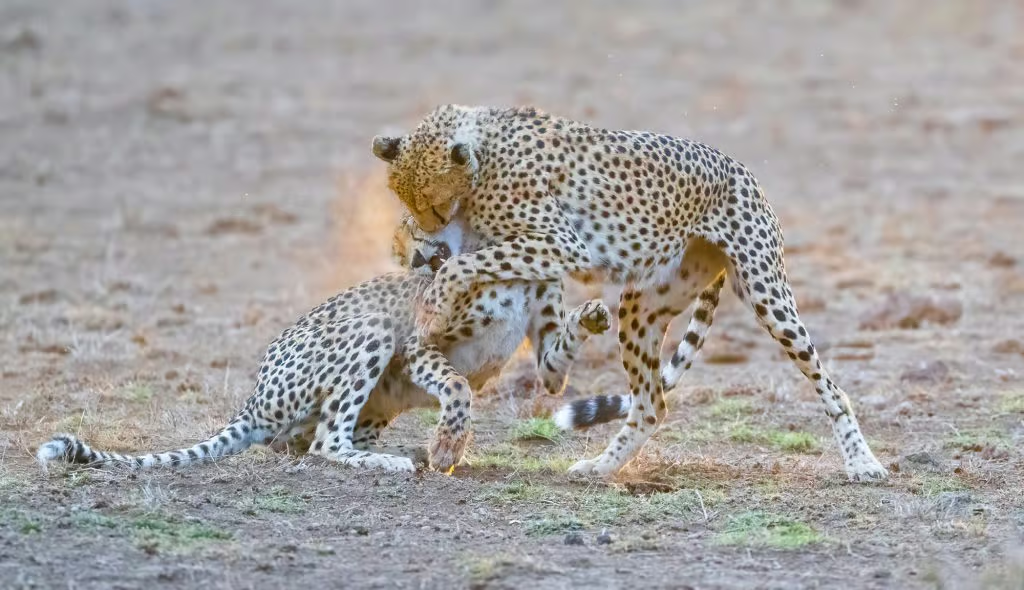
Cheetahs at Play

Suggested Photographic Equipment

Long Lens

Even though the wildlife in Africa may often at close proximity to you, there are many occasions where they are further away. This is why I always recommend bringing along a lens with a large focal length. Telephoto lenses such as a 500mm or 600mm f4 are incredibly sharp and fast to focus, but they are also very heavy to transport around. Using a zoom lens with a decent focal length is handy as you are able to recompose your shot quite easily by zooming your lens in or out.

Photographer’s Beanbags and Gimbals

For larger, heavier lenses beanbags are an essential item in your safari vehicle (I always request beanbags at every safari camp I stay at), as they help stabilise the heavy lenses, especially in low light. These are filled with either rice, seeds or beans, but NOT polystyrene, as this filling is way too light to stabilise heavier lenses and cameras. By nestling the heavy lens and camera into the beanbag, you will be surprised as to how well they stabilise your gear.

Some safari vehicles are fitted out especially for photographers. They have permanently affixed gimbals which you attach a heavy lens and camera to. These gimbals are designed to help you move your camera effortlessly in most directions, using a very smooth, non-jerking action.

Monopod

A monopod can also be used to help stabilise larger lenses and are quite easy to cart around with you. I prefer using a dedicated monopod head attached to the monopod, which then attaches to the collar of the heavier lenses. Monopods are especially useful when your safari vehicle is stationary or when you are actually on land with your guide, such as back at base.

Capturing Fast-Moving Animals

There aren’t many things more exciting than photographing a cheetah chasing down its prey or a pride of female lions hunting! To do this, you definitely need to use a very fast shutter speed, with a minimum of at least 2500th of a second . I suggest setting your camera to either manual mode or shutter priority so that your camera’s shutter speed will take priority. In lower light situations, you may need to increase your ISO settings quite high. Too much noise can easily be removed by programs such as Topaz DeNoise, but an image taken at a lower ISO and therefore a lower shutter speed, creates a blurry image which in most cases cannot be ‘saved’.

For many of the current mirrorless cameras out on the market nowadays, the eye-tracking focus features are quite amazing. When you have locked focus on the eye of a fast-moving animal such as a cheetah running, you simply follow the individual and press the shutter button. Combine eye-tracking focus with burst mode and you have a much higher change of nailing that exact action shot you were hoping for.

Animals in the Environment

There is an ever-growing trend in the world of wildlife photography to capture animals in stunning environments, rather than close-up portraits of animals. This is where the use of a wide-angle lens comes in extremely handy. Many of the premier wildlife photography competitions in the world have categories called ‘Animals in the Environment’ or similar and they are becoming more and more popular with photographers. Try capturing images of a variety of African wildlife species, set amongst truly beautiful African landscape backdrops.

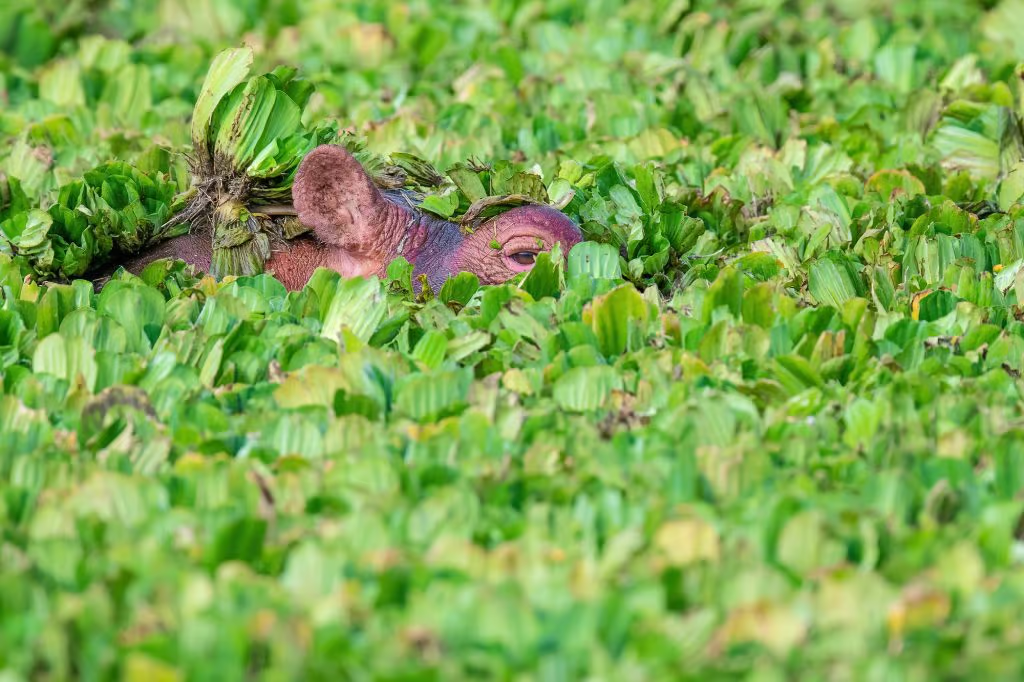
Peeking Hippo

Get Creative!

ICM – Intentional Camera Movement

When light conditions are low (such as sunrise, sunset or when dark, brooding clouds have rolled in) and its tricky to capture sharp images of wildlife, then you can also get creative by trying some intentional camera movement (ICM). This is where you set your camera to manual mode at around 30th of a second and pan with a moving mammal or flying bird. Yes, it takes a bit of practise to get it right but it’s a lot of fun trying!

Overview

Many photographers who planned on visiting Africa to photograph its wildlife as a one-off ‘bucket list’ destination, keep returning over and over again. I have heard this so many times and as someone who has been to many countries on the continent (and countries such as Kenya and Rwanda multiple times), I fully understand why. Apart from some of the countries I have recommended visiting, there are so many more choices to choose from. Countries such as Zambia, South Africa, Zambezi or Ethiopia are also well worth worth visiting. All I can say is that if you are even thinking of going to Africa to photograph its incredible array of species and in great numbers, don’t think about it. Just do it! You won’t be disappointed.

For photographers looking to hone their African wildlife photography skills, I run an 8-day Maasai Mara Photo Safari in Kenya. Make sure to register early to secure your place.

If you have a passion for African wildlife, nature or travel photography and would love to go on a specialised small-number, professional African photo safari, please get in touch with Michael Snedic at WildNature Photo Expeditions. You can call him on 0408 941 965 or fill in this Contact Form and he will get back to you ASAP.

Bird Photography Techniques

Bird Photography Techniques

Lilac-breasted Roller

Birds are fabulous subjects to photograph, something I have been enjoying immensely for the past 28 years. Rather than capturing standard portrait shots of well-focused birds, sitting on a stick in nice light, there are other ways you can photograph birds which can be quite pleasing to the eye.

Close Ups

Photographing an area of a bird is one way to achieve interesting shots. People usually don’t get to see, at close range, the feather detail of a bird or a close-up of its eye. This method can accentuate a bird’s feathers or it can show the intricate detail of its eyes. I suggest using a lens with a long focal distance (such as 400mm or 500mm) to hone in on one area, concentrating on that detail. Alternatively, if you have a camera with decent megapixels, take the shot as close as you can, then crop the image during post processing to create the image you want.

Birds in the Environment

Photographing birds as part of a landscape is becoming more and more popular and you don’t need to use a lens with a long focal length. Bird photography competitions such as the Birdlife Australia Photography Awards and Bird Photographer of the Year (UK based) both include the category ‘Birds in the Environment’, where the bird is a small part of the image. Basically, the idea is to find a beautiful landscape and photograph a bird (or birds) in that landscape. Using a wide-angle lens such as a 16-35mm or even a 24-70mm enables you to capture the whole landscape and using an aperture such as f16 allows greater depth of field so that the whole landscape is in focus. When a bird enters the landscape you choose, it is important to focus on the bird as this will be the first object the viewer of the image normally looks at.

Birds as Silhouettes

Rather than seeing the colours of a bird and the texture of its feathers, a silhouette of a bird, when photographed correctly, allows you to identify it simply by its shape or outline. If the silhouette is taken during an amazing sunrise or sunset, it also creates a stunning background for your image.
To be able to create great silhouettes, you need to use certain settings for the shots to work. Firstly, compose your shot by placing the bird in front of beautiful light. This can be a sunrise, a sunset or a bright or overcast sky. The settings on your camera are similar to taking standard bird images but the important thing is to use the correct metering setting. This is Matrix metering for Nikon cameras, Evaluative for Canon, Multi Pattern for Sony, ESP for OM Systems (Olympus), Multi for Fuji and Multi Zone for Panasonic.

By exposing for the background, your subject ends up being black. Basically, you have just created a beautiful silhouette!

Capturing Action

One of my favourite types of bird photography is capturing ‘action’. To me, it’s the ‘thrill of the chase’ that makes this type of photography so exciting. Capturing that split-second moment in time, frozen forever in-camera, is very rewarding. I suggest picking a bird species you would like to photograph, then do some research as to the best locations to photograph them. Doing a reccy beforehand is something I have always done. And thoroughly recommend. This allows you to see where the birds are, as well as observing their behaviour.

Once you have done this, it’s time to start shooting. I suggest using shutter priority, setting the camera’s shutter speed to 2000th of a second. That way if the bird is flying, fighting or any other behaviour where it is moving rapidly, the action sequence can be ‘freeze-framed’. You will also need to set your camera to burst mode, where the camera takes multiple shots while you press down the shutter button. That way you are capturing the full sequence of action.
Different camera brand sand models have different types of focusing modes, so there isn’t one straight answer as to which one to use to capture split second moments in time. If you own a mirrorless camera, especially some of the more recent models, many have bird-tracking focus modes which when used correctly can achieve incredible results. Some models have 3D tracking, which helps you to follow moving subjects and with others you need to use a single focus point based in the centre of your screen and try and track the bird that way. Yes, it can be tricky to ‘nail’ that shot with a single focus point but practice certainly will help you achieve sharp action shots.

Black and White or Monochrome

You can photograph birds in colour with the aim of editing them later as black and white images. Alternatively, most cameras have a black and white mode as a setting. By shooting or editing an image in black and white, it isn’t the colour of the bird that wows the viewer of your images. It ends up being the mood of the landscape the bird is situated in or the behaviour you have captured.
I always shoot using RAW and in colour, then when I’m editing my images I can choose the type of image I want as the end result. There are different black and white settings available in Lightroom, for example, where all you need to do is click on the style of black and white and see which one works best for you. Easy!

Intentional Camera Movement (ICM)

If you like to experiment with your bird photography and prefer the more artistic approach, then Intentional Camera Movement (ICM) is well worth trying. This is where you intentionally capture slowed-down movement of birds in action, especially in flight. The best results are achieved by photographing flying birds on an overcast day. My favourite settings for ICM are anything between 1/10th to 1/30th of a second shutter speed, especially on a cloudy or overcast day. I either pan with the bird as its flying past or let the bird fly past without my moving the camera. If conditions are bright, you can also use a neutral density filter to lower the camera’s shutter speed.

Whatever method of bird photography you choose, the best way to get great shots is by experimenting and practising. Above all, enjoy the process!

If you have a passion for African wildlife, nature or travel photography and would love to go on a specialised small-number, professional African photo safari, please get in touch with Michael Snedic at WildNature Photo Expeditions. You can call him on 0408 941 965 or fill in this Contact Form and he will get back to you ASAP.

5 Day Tarkine Photography Workshop (Tasmania)

5 Day Tarkine Photography Workshop (Tasmania)

Tarkine Photography Workshop and Tour - Tasmania

Sunday 25th to Thursday 29th of October 2026

Date

Sunday 25th to Thursday 29th of October 2026

Price

$AU4495 (plus GST) per person twin share

$AU1100 (plus GST) extra for single room supplement


Please note: WildNature Photo Expeditions will endeavour to find someone to share with you, from the photography group. If no one is available to share, then a single supplement will be added and you will have your own room.

Pieman River

Tutor

Professional Photographer and Tutor, Michael Snedic

Meeting Point

Hotel Grand Chancellor, Launceston

Transport

12 seater bus with luggage trailer

Photography Level

All levels of photography are catered for. You will receive plenty of individual one-on-one time that will be geared towards your own personal skill levels and needs.

Common Wombat

Accommodation

4 nights at Corinna Cabins, surrounded by the Tarkine Wilderness.

Meals

Meals can be purchased at Corinna Wilderness Lodge

Tarkine accomodation

Inclusions

  • Photography tuition by Michael Snedic
  • Four nights accommodation at Corinna Homestead (twin share)
  • All transport during workshop (12 seater bus)
  • Two different river cruises, including a trip to the rugged west coast of Tasmania

Pieman River Cruise

Exclusions

  • Meals
  • Alcohol
  • Accomodation at the Grand Chancellor Hotel on the 25th of October 2026
  • Transport to/from Launceston
  • Hotel “in-room” expenses
  • Other personal expenses

Maximum 8 Participants

This workshop is capped at 8 participants, giving you maximum tuition time with Michael and Georgina

Highlights


  • Rainforest photography including moss covered forests
  • Pieman River Cruise on Arcadia ll to the Pieman heads on Tasmania’s wild west coast
  • Sweetwater cruise on the Savage River, including a visit to Lover's Falls
  • Landscape shoot over the plains of Mt Donaldson
  • Image critique session
  • Audiovisual presentation

Copyright - Michael Snedic

About Michael

Michael is a widely-published photographer. He has authored many articles over the years, for magazines such as BBC WildlifeAustralian Photography, Australian Geographic, Australian Birdlife and Wildlife Australia. His images have featured in calendars, diaries, books and billboards and has had his own photographic books published on Australia’s wonderful wildlife. His work has also featured at Tasmania’s own Wilderness Gallery at Cradle Mountain. Michael is also a Nikon School tutor. He is passionate about photography and loves sharing his knowledge and enthusiasm with workshop participants.

Michael Snedic bio

Itinerary & Other Important Information

  • Day 1:   Depart Launceston approx 10:00am, with a rainforest walk along the way.  Arrival at Corinna Homestead at approx 6:00pm.
  • Day 2:   Photography around the numerous rainforest trails around Corinna. ASfternoon landscape shoot overlooking Mt Donaldson.
  • Day 3:  Cruise along the Pieman River, including beach walk to the 'Heads'.
  • Day 4   An early morning cruise to photograph the stunning Savage River, including a hike to Lover's Falls. Landscape shoot in the afternoon, then more fungi and macro photography.
  • Day 5:  Early morning bird photography session. Depart Corinna and transfer to Grand Chancellor Hotel in Launceston, with photographic stops on the way.

Philosophers Falls

Bookings and Contact:

To reserve your place or just to ask more questions about this photo expedition, please contact Michael either via his CONTACT FORM or by calling +61 408 941 965.

Your position on this workshop will be guaranteed immediately upon the receipt of a AU$1100.00 (plus GST) non-refundable deposit. The balance will be required 90 days before the workshop commencement date.

Tarkine landscape

Cancellation Policy:

Cancellation up to 90 days before departure - deposit non-refundable or transferable. Cancellation between 90 and 60 days before departure - 50% of total workshop price forfeited. Cancellation less than 60 days before departure or during tour, no refund available.

Red Fungi

Misty Tarkine

Tarkine

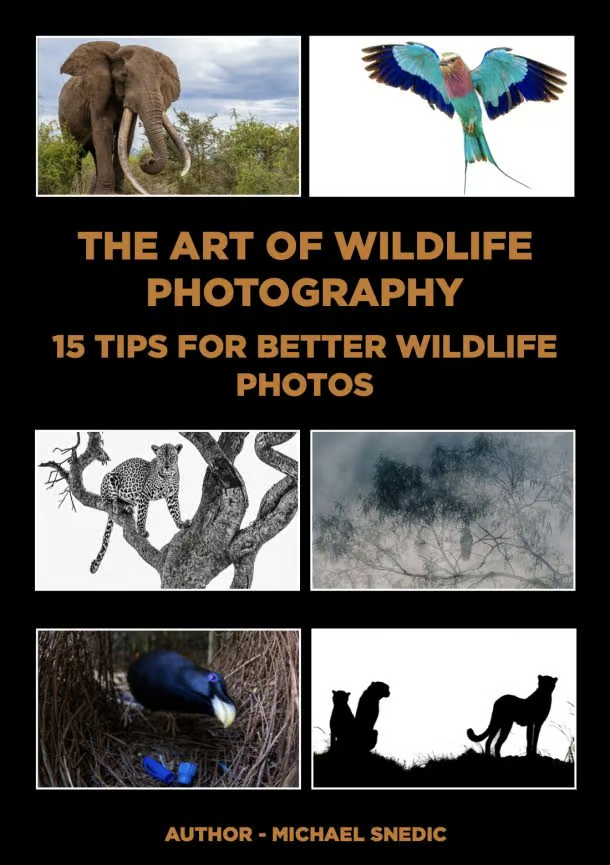
Would you like a FREE copy of my new Ebook?

Download Button

Would you like a FREE copy of my new Ebook?

You have Successfully Subscribed!