The Do’s and Don’ts of Wildlife Photography – Part 4

The Do’s and Don’ts of Wildlife Photography – Part 4

Breaching Humpback whale

010 – Recommended Equipment

There are a number of different photographic accessories that are invaluable when photographing wildlife. Hand-holding a large lens can be quite difficult and tiring, especially for long periods of time. If your subject is stationed in one spot (the subject could be preening, displaying, bathing, feeding etc), then using a tripod with some type of gimbal, such as a Wimberley, is highly recommended. A gimbal lets you move the camera and lens in all directions quite easily, without getting sore arms and shoulders. If your plan is to walk a reasonable distance with your camera and heavy lens, searching for wildlife, then a carbon fiber monopod with a dedicated monopod head is the way to go. Much lighter than a tripod and allows you the freedom to move around. Another important piece of equipment to own is a photographer’s beanbag, used to stabilise heavy lenses. Beanbags can be filled with rice, birdseed or beans and can be placed on car bonnets or half-opened car windows, rocks or fence posts. You’ll be amazed at how much beanbags help minimise movement of your camera and lens, allowing for shots to be taken at quite low shutter speeds. I recommend using some sort of neoprene covering for your lenses and tripods, to protect them from scratches and bumps, dust, rain as well as minimising reflections caused from the sun bouncing off the metal. The most well-known and popular brand used by wildlife photographers around the world is called ‘Lenscoat’. I also suggest some type of rain cover for your camera and lens, especially if you are a wildlife/nature/outdoor photographer.

011 Shoot Closer, Shoot Further

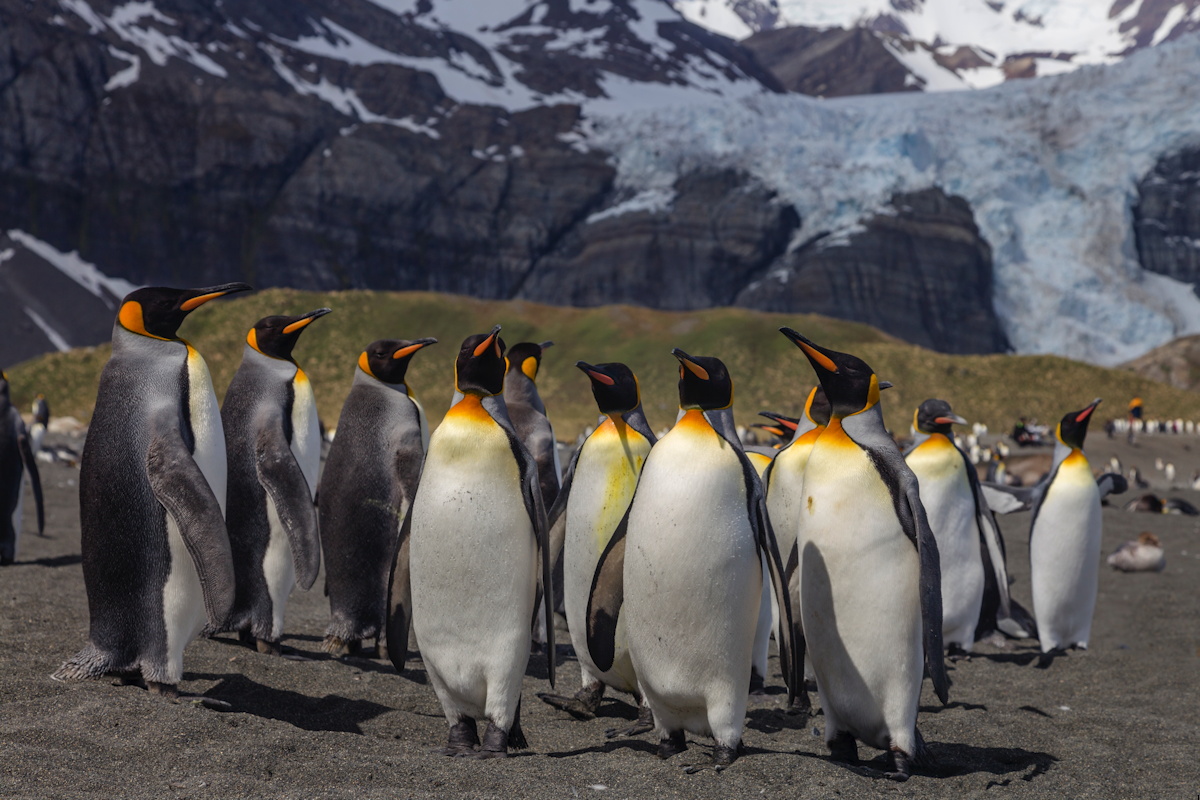
For many photographers, it seems the most important aspect of wildlife photography is purchasing, and using, a lens with the longest focal length. As much as it is beneficial to own a lens with a longer focal length, especially when trying to photograph smaller birds/wildlife, many a great shot can also be taken of the animal as part of a larger landscape. You might be in a place like Antarctica, photographing a stunning, icy vista, with a penguin just visible in the foreground. The viewer’s eyes naturally go for towards the penguin, then at the rest of the scene.   Rather than a close up-image of an animal, photographed with a long lens and wide aperture (which creates a smooth, blurred out background), an image of an animal, taken with a wide-angled lens also gives you a sense of space. It clearly shows the environment the animal lives in and gives the image a sense of scale.

012 It’s All About Light

One aspect of wildlife photography that I have always deemed very important, is photographing, where possible, in decent light. Rarely do I head out in the middle of a sunny day to photograph birds, as it’s the post-dawn and pre-dusk light that is the most subtle and evocative. No harsh shadows and over-blown highlights, just even, diffused light on your subject.   It may not always be possible to photograph pre- dawn or pre-dusk. You may happen to be in an environment, with lots of wildlife around to photograph, and it’s the middle of a bright, sunny day. In these instances, I suggest you photograph with the sun behind you (or to the side), if at all possible, rather than directly in front of you. In these circumstances, I like to move around and take my wildlife shots at various angles to the sun, eventually settling on a position that works best.  

013 Think Outside The Box

One of the joys of photography is that there are so many different ways to take images. You can try different types of composition or experiment with lighting, but there are also many ways to take the same subject, simply by using different lenses. Sure, most photographers think of telephoto or zoom lenses with wider focal lengths as the way to go when photographing wildlife, but why not try a wide-angled lens really close? If your subject is really tame and used to people, such as an individual in a zoo or wildlife park, then try getting down to eye level, very close and getting a totally different perspective. It’s a lot of a fun and you may well be surprised at the results!     I hope the photographic tips and techniques mentioned in this article, as well as the pitfalls to avoid, will help you take your wildlife photography to another level.

If you have a passion for African wildlife, nature or travel photography and would love to go on a specialised small-number, professional African photo safari, please get in touch with Michael Snedic at WildNature Photo Expeditions. You can call him on 0408 941 965 or fill in this Contact Form and he will get back to you ASAP.
17 Day/16 Night Alaskan Wildlife and Wilderness Photo Adventure

With Michael Snedic

12th to 28th of August 2019

Would you like to spend 17 days in one of the greatest wilderness and wildlife locations on the planet, camera-in-hand, learning how to take the BEST images? Then why not join Michael Snedic on this exclusive 17 day Alaska Photo Adventure?

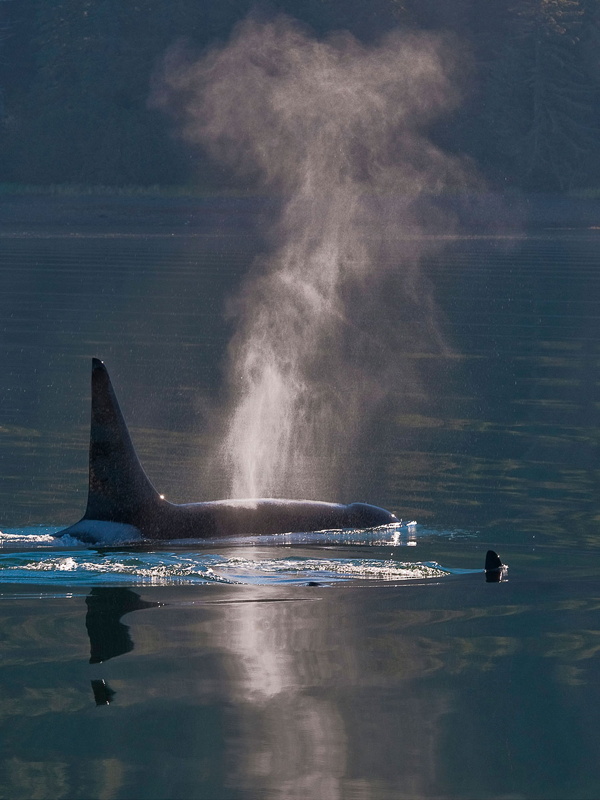
hoonah orca

Alaska At Its Best!


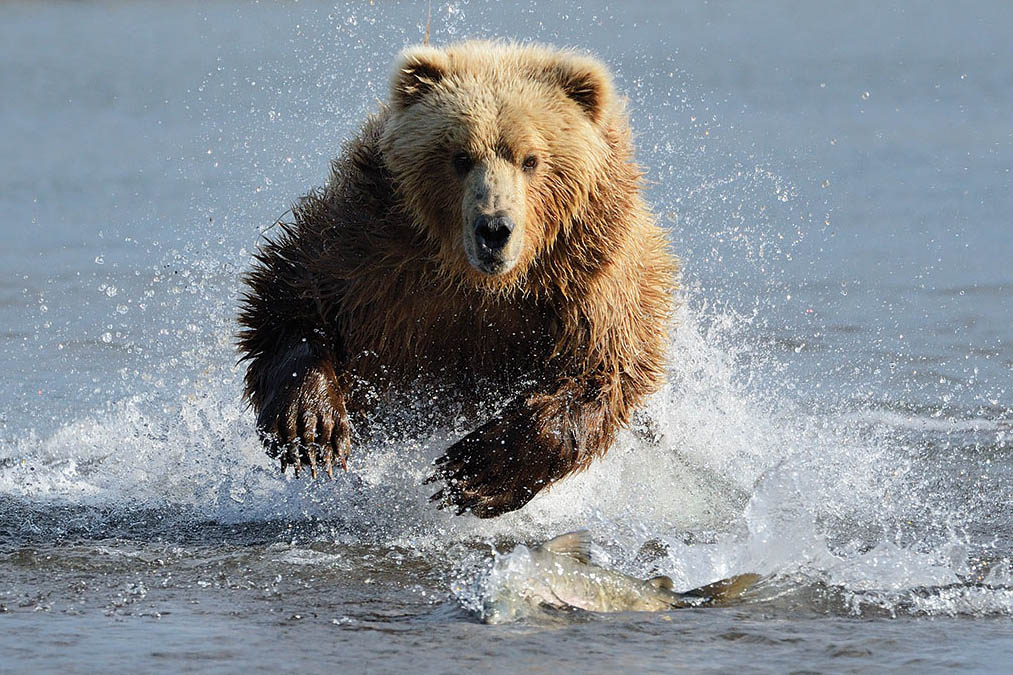
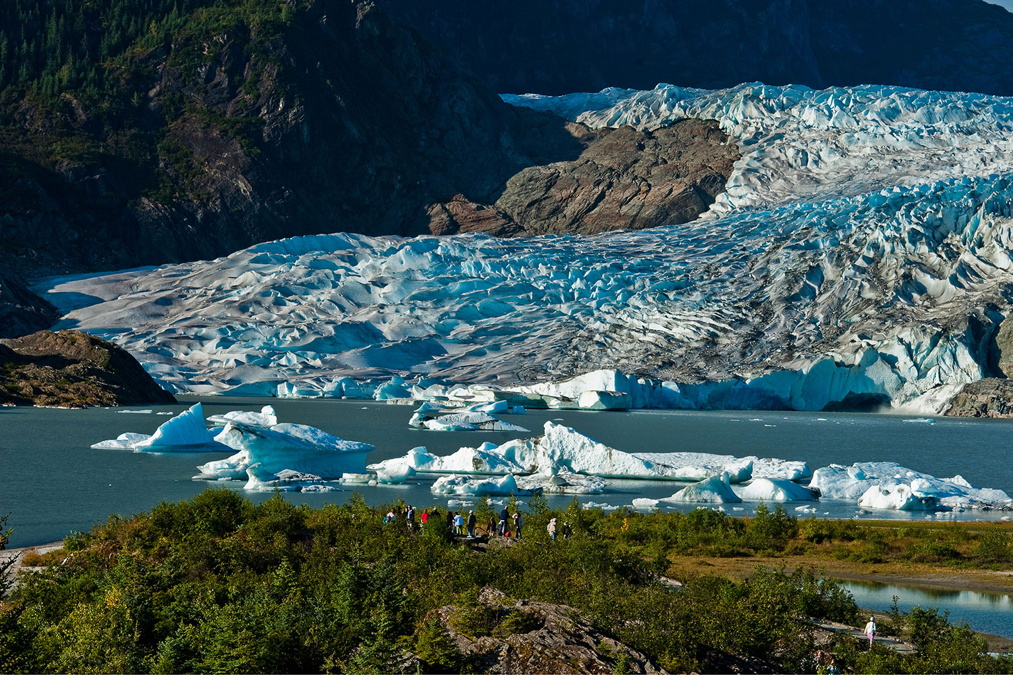
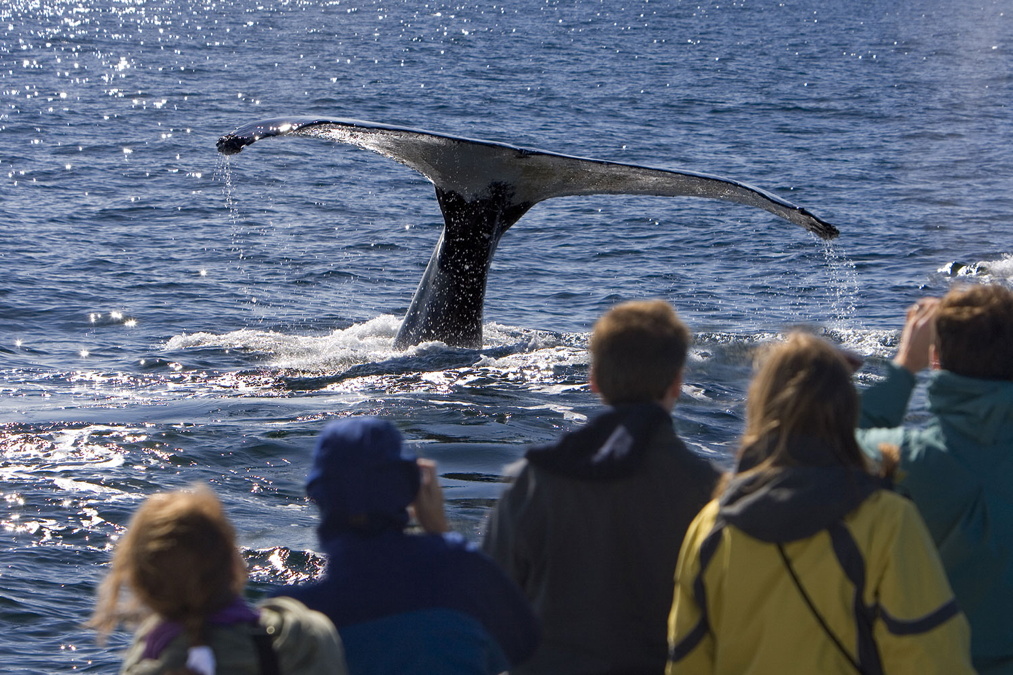
Photography opportunities may include Brown and Grizzly Bears fishing for salmon, Humpback Whales, Orca Whales (possibly breaching or bubble-feeding), Porpoises, Sea Lions, Sea Otters, Moose, Caribou, Ground Squirrels, Wolves, Porcupine, Fox, Golden Eagles, Puffins and loads of other wildlife and birds. Add in lots of incredible scenery, including calving and tide water glaciers, coastal mountains and gravel beaches.

Our exclusive, boutique itinerary has been designed from ‘the ground up’, so as to give you, the customer, every possible photographic opportunity, in the most stunning natural places. Every single detail has been designed to give you the BEST possible photographic experience.

Limited to 9-10 participants and led by Professional Wildlife and Nature Photographer and Tutor, Michael Snedic, you will be in for an unforgettable photographic experience of a lifetime!

Contact Michael Snedic directly
on +61 408 941 965

Highlights include:

  • Breathtaking Helicopter Adventure To Dog Sled Camp, then Dog Sledding on a Glacier
  • Denali to Anchorage Alaska Railroad Trip
  • Kenai Fjords National Park Private Cruise - Get Close To Glaciers Whilst Small Ship Cruising
  • Seward to Anchorage Alaska Railroad
  • 7 Nights Staying At The Exclusive Katmai Wilderness Lodge, the only private establishment on the coast of Katmai National Park’s 3.6 million acre wilderness. Highlights include Brown Bears interacting and fishing for salmon

flying eagle

Itinerary:

Our itineraries are always subject to weather conditions, but the basic plan is as follows:

Mon 12 Aug:

Arrive in Anchorage, staying at The Historic Anchorage Hotel.


Tues 13th of Aug – Talkeetna

Today you will be transferred from Anchorage to Knik River Lodge in Palmer and enjoy a Helicopter Adventure Glacier Dog Sled Tour.

After a 1-1.5 hour transfer (one way) from Anchorage you arrive at Knik River Lodge. From Knik River Lodge you will take a breathtaking 15 minute helicopter ride. After landing, you will experience a dog sledding adventure that you will never forget. Meet an experienced Iditarod Musher who will teach you to mush your own dog sled team along one of the most scenic snow covered glaciers! (approx. 1 hour on the glacier).

PS - If snow conditions do not allow for dog sledding, your helicopter flight will take you to a glacier for a trek.

Important – Helicopter Weight Restrictions

There are strict passenger weight limits applicable to helicopter flights. 

Staying at Susitna River Lodge - Talkeetna

Meals: Breakfast at hotel

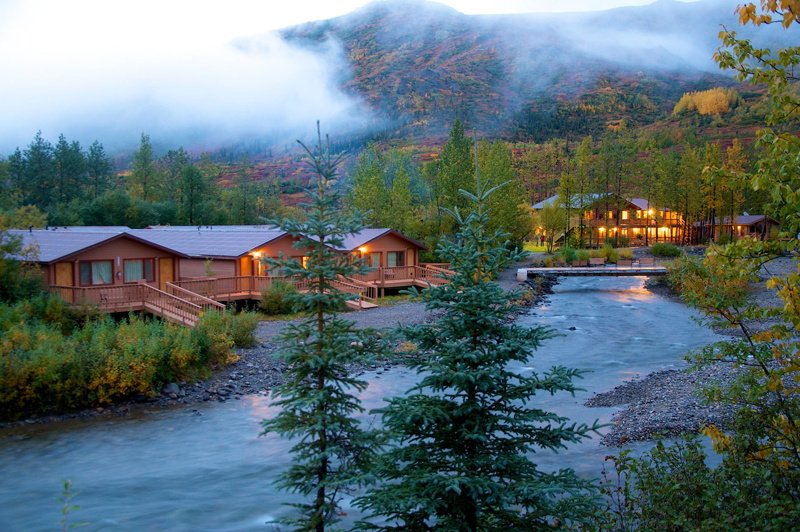
Denali backcountry lodge

Wed 14 Aug to Fri 16th Aug – Denali National Park

Today take the minicoach transfer to Denali.

From the Denali Park entrance you will be transferred by private bus from the train station to Denali Backcountry Lodge. Your Denali Wildlife Drive from the park entrance to the lodge offers the opportunity to search for bears, moose, and caribou.

We will spend a few days searching for the best photographic opportunities, with our experienced local Alaskan Guides there to help us achieve this.

Staying at Denali Backcountry Lodge

Meals:
Breakfast and dinner included on 14 Aug
Breakfast, lunch and dinner on 15 and 16 Aug

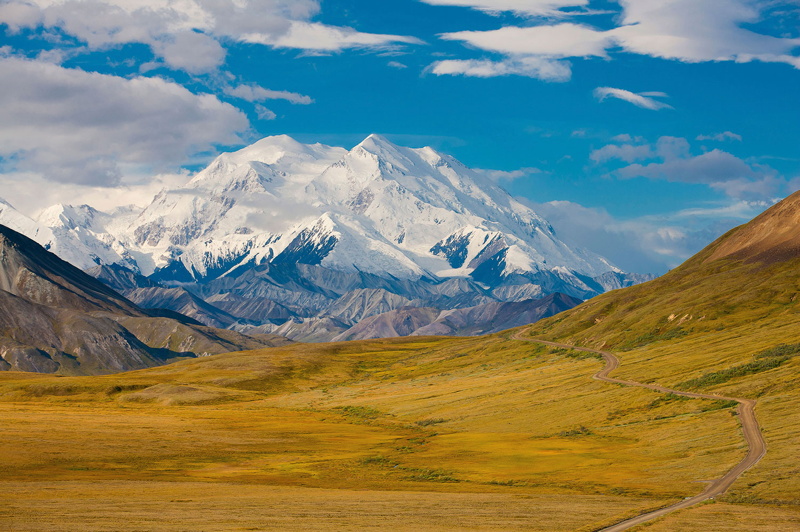
denal mt mckinley

Sat 17 Aug Anchorage

Denali to Anchorage Alaska Railroad

You will know from the very moment you climb aboard the Alaska Railroad, you are riding on one of the best trains in the world. The charm and scenic appeal of this great and vast land is amplified through panoramic windows and underscored by historical narratives of lifelong Alaskan conductors and tour guides. The scenery is sublime and there will be photographic opportunities everywhere!

Staying at Historic Anchorage Hotel

Meals:
Breakfast at lodge, lunch and dinner on the train

Sun 18 Aug Anchorage

Kenai Fjords National Park Cruise

Whether you are onboard the Steller Sunrise or Steller Explorer you will enjoy heated cabins, bathrooms, salon areas, sleeping areas, life rafts, and walk around decks for excellent viewing. Each is equipped with the most modern navigational equipment such as radar, global positioning system (GPS), video chart plotters, video depth sounders, and marine radios which allow us to contact other vessels and the USCG at all times. These small vessels will give you the opportunity to get really up close with glaciers and various marine life and wildlife.

Following your cruise take the Alaska Railroad train journey to Anchorage.

Staying at Historic Anchorage Hotel

Meals:
Breakfast at the hotel, boxed lunch on cruise and dinner on train

Mon 19 Aug – Anchorage to Kodiak

Today you will be collected from your hotel and transferred to the airport for your flight to Kodiak.

Staying at Best Western Kodiak InnPlease note that this flight from Anchorage to Kodiak is not included in the price at this stage.

Important - Luggage Weight Restrictions

There is a suggested luggage limit of 20 kg for the float plane flight to Katmai including hand held luggage and
camera equipment. A soft sausage-type bag should be used. Excess luggage and hard suitcases can be
stored at Andrew Airways in a secure room until your return.

Meals:
Breakfast at the hotel

fairbanks dog sled

Tue 20 Aug to Mon 26th of August – Katmai Wilderness Lodge

Today you will be met and transferred by float plane from Kodiak to Katmai Wilderness Lodge.

Katmai National Park is located on the northeast coast of the Alaska Peninsula. The park was first named a national monument in 1918 after exploration following the eruption in 1912 of Novarupta Volcano. In 1980 the monument was enlarged and designated a national park. Katmai has a large population of protected brown bears - more than 2000. As they are not hunted and food during summer is plentiful, the bears are extremely tolerant of humans and extraordinary viewing is possible. Katmai Wilderness Lodge is the only private establishment on the coast of Katmai National Park’s 3.6 million acre wilderness, located in Kukak Bay against a backdrop of majestic mountains. Comfortable accommodation is provided in modern log cabins with private bathrooms. Deluxe meals are served in the dining room and a basic assortment of beverages is included. The lodge is powered by solar, wind and gas generator. Whilst at Katmai Wilderness Lodge all meals and drinks (excluding spirits) are included.

Staying at Katmai Wilderness Lodge

Meals:
Breakfast at the hotel, lunch and dinner at lodge on 20 Aug
All meals at Katmai Wilderness Lodge 21-26 Aug

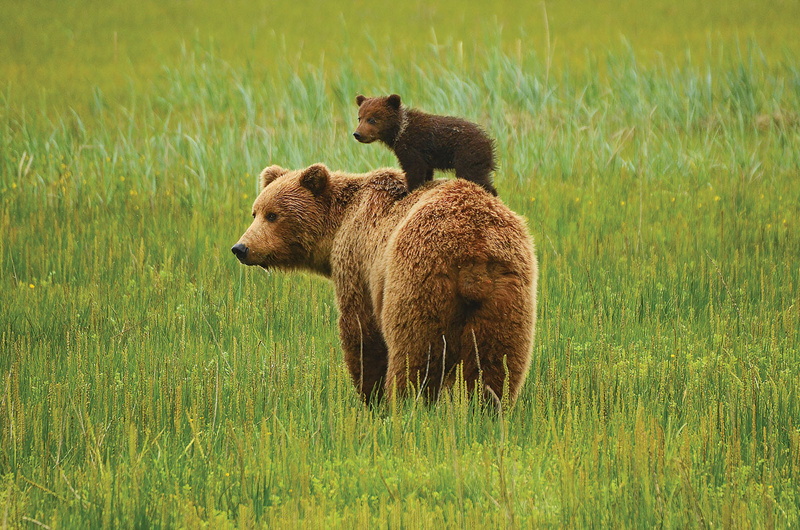
bear and cub

Staying at the Katmai Wilderness Lodge offers guests an exclusive and small intimate bear/wildlife viewing opportunity to experience a true Alaskan adventure. Each day you will set out on landing craft boats (vessels specially designed) in which the bow of the boat lowers into a ramp for easy get on and off access to explore this beautiful wilderness area. Activities include guided bear viewing & hikes, sea kayaking and fishing. Since the lodge is located on the coastline, guests are able to appreciate both the land and the marine wildlife.

Tue 27 Aug- Anchorage

Today you will be flown back to Kodiak to connect with your onward flight to Anchorage.

Please note that the flight from Kodiak to Anchorage is not included in the price.

Meals:
Breakfast at the lodge

Tue 28 Aug – Anchorage / Tour ends

After breakfast, transfer to Anchorage airport where your adventure concludes.

Meals:
Breakfast at the hotel

Your 
Experienced Photography 
Leader – Michael Snedic

On this expedition you will have access every day to professional nature photographer and instructor, Michael Snedic. He will be there to help you photograph the stunning scenery and wildlife we will encounter. He will be conducting a series of classes throughout the voyage, as well as being on-hand throughout the outings. As a full-time professional, Michael is an accredited member of the Australian Institute of Professional Photographers (AIPP). As well as being experienced an photographer, he is an experienced photographic tutor, with 15 years experience presenting photography expeditions and adventures across the globe.

He is also a widely-published photographer and writer. Michael’s photography articles and images have featured in numerous publications in Australia and across the world, and he has been a feature writer for Australia’s largest-selling photography magazine ‘Australian Photography’, since 2006.

Michael is also an Australian Ambassador for Lowepro, LensCoat and the Nature Conservancy Australia. Michael loves sharing his photographic knowledge and passion with workshop participants, helping them improve their photographic skills.

Australian Institute of Professional Photography

Nature Conservancy

Photo Competition Ambassador 2015, 2016 and 2017

LensCoat

Australian Ambassador

Photographic Locations and Subjects Include:


Anchorage

  • Anchorage has over 2500 resident moose that may be found in the metropolitan parks or even downtown. 
  • Anchorage sits at the convergence of Knik Arm and Turnagain Arm, tucked between Cook Inlet and the Chugach Mountains.  Sleeping Lady mountain sits across the Inlet, outlined by the Alaskan sunset. Explore the mountains and get a birds-eye view of Anchorage, Alaska’s largest city with the Tordrillo Mountains in the background.

Talkeetna

  • Talkeetna is the starting point for most climbers, embarking on the journey to climb Denali.  Talkeetna is actually closer to the mountain than the Denali Park Entrance.  It is home to three converging major glacial rivers and with the Alaska Range and Denali in the background, it is an unforgettable sight.
  • A variety of hiking trails weave through the area offering alpine forests, pristine lakes, and stunning vistas.  Moose and bear may be seen throughout the forests as well as wildflowers and loon on the lakes.
  •  

Denali National Park

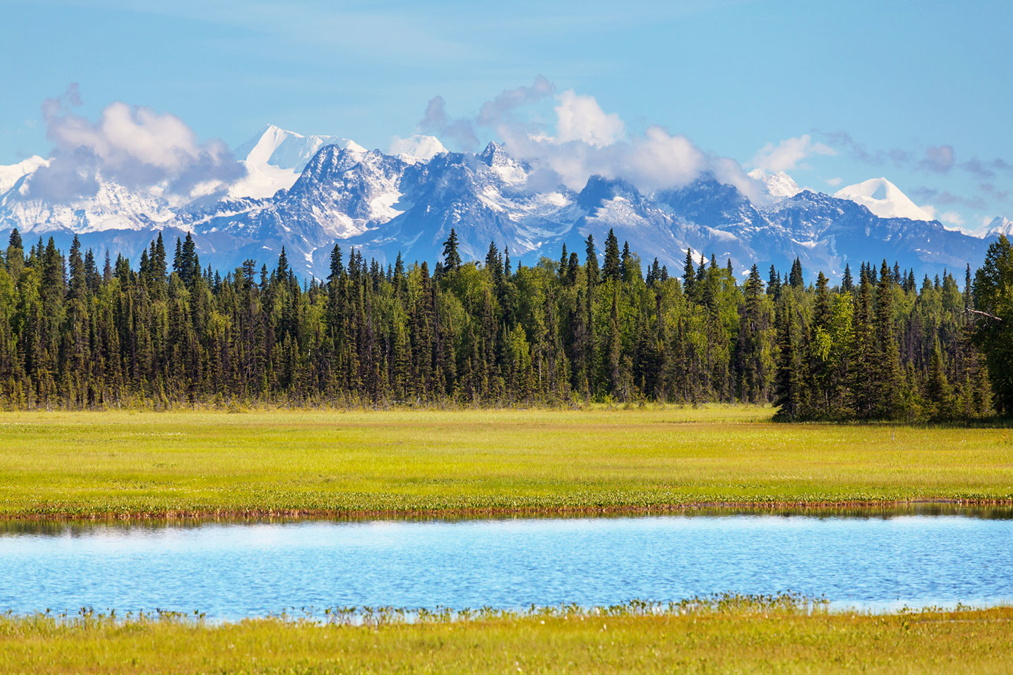
  • Travelers in Denali National Park see the relatively low-elevation taiga forest give way to high alpine tundra and snowy mountains, culminating in North America's tallest peak, 20,310' Denali.
  • During your visit to Denali search for and photograph wolves, Dall sheep, moose, grizzly bears, caribou, ground squirrels, rabbits, the elusive lynx, porcupine, Alaska’s state bird the ptarmigan, golden eagles, and fox

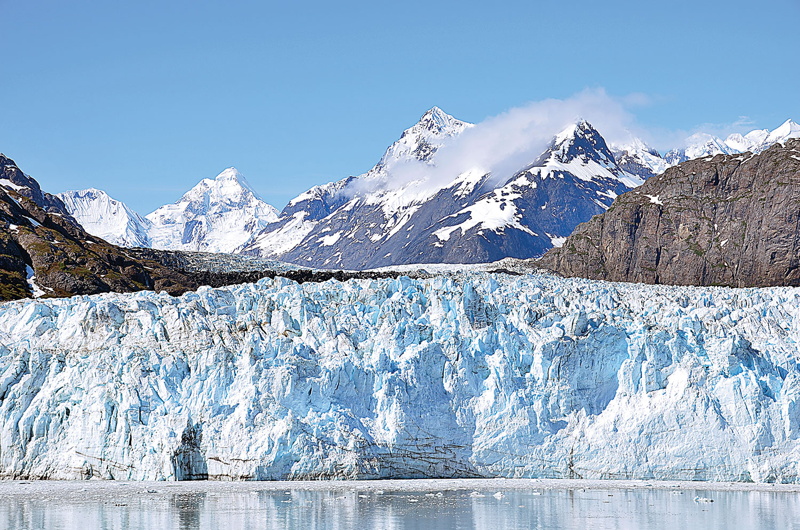
icy mountains

Girdwood

  • Located between the Chugach Mountains and Turnagain Arm, the resort community of Girdwood is in the northern most rainforest.
  • Girdwood offers a maze of walking trails allowing guests to get into the wilderness just steps from their hotel.  The lush forest is home to wildlife such as moose, bears, ground squirrels, porcupine, and a host of birds., which will be great fodder for your cameras!

 
Seward

  • At the edge of the Kenai Peninsula lies a land where the ice age lingers. Nearly 40 glaciers flow from the Harding Icefield, Kenai Fjords' crowning feature. Wildlife thrives in icy waters and lush forests around this vast expanse of ice.
  • Kenai Fjords National Park photography landscape highlights include active tide water glaciers, coastal mountains, gravel beaches, and hanging glaciers
  • Search for and photograph sea lions, whales, porpoises, sea otters, eagles, mountain goats, Steller sea lions, bears, and birds such as puffins and kittiwakes.

Cost:

Approximately $AU19 950 per person, twin share (Single Supplement available upon request).

(NB - ALL PRICES QUOTED FOR 2019 ARE PROVISIONAL & SUBJECT TO CHANGE AS NEXT SEASONS PRICES ARE YET TO BE FINALISED, HOWEVER EVERY EFFORT WILL BE MADE TO KEEP THE PRICE SIMILAR TO THE ONE QUOTED HERE)

We have incorporated the best accommodation locations, gourmet food, various trips (helicopter, dog sledding, boat cruises, train trips etc) and the most AMAZING experiences to make this one very special trip!

Maximum Number of Participants: 8 - 10

cub on bear

Inclusions

  • Professional photography tuition throughout the expedition by Michael Snedic.
  • All accommodation, as per itinerary
  • All meals, as per itinerary
  • Helicopter Glacier Trip, with dog sledding
  • Kenai Fjords National Park Private Cruise
  • Seward to Anchorage Alaska Railroad
  • All activities at Katmai Wilderness Lodge
  • Pre-departure materials.

Exclusions

  • International and domestic airfares
  • Airport/hotel transfers unless specifically stated
  • Passports
  • Visas
  • Passenger taxes
  • Travel Insurance
  • Extra meals not shown in the itinerary
  • Laundry
  • Tips
  • Items of a personal nature including medication
  • Excess baggage charges

Bookings:

For more details or to book one of the limited spots: please contact Michael Snedic either via the Contact Form or call him on +61 408 941 965.

Contact Michael Snedic directly
on +61 408 941 965

Photographing Birds – Capturing Behaviour

Photographing Birds – Capturing Behaviour

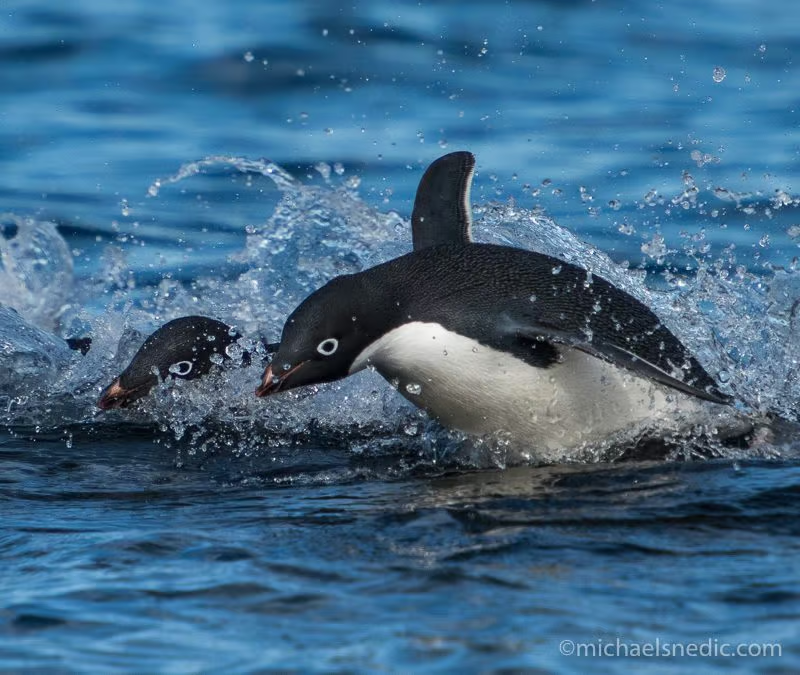
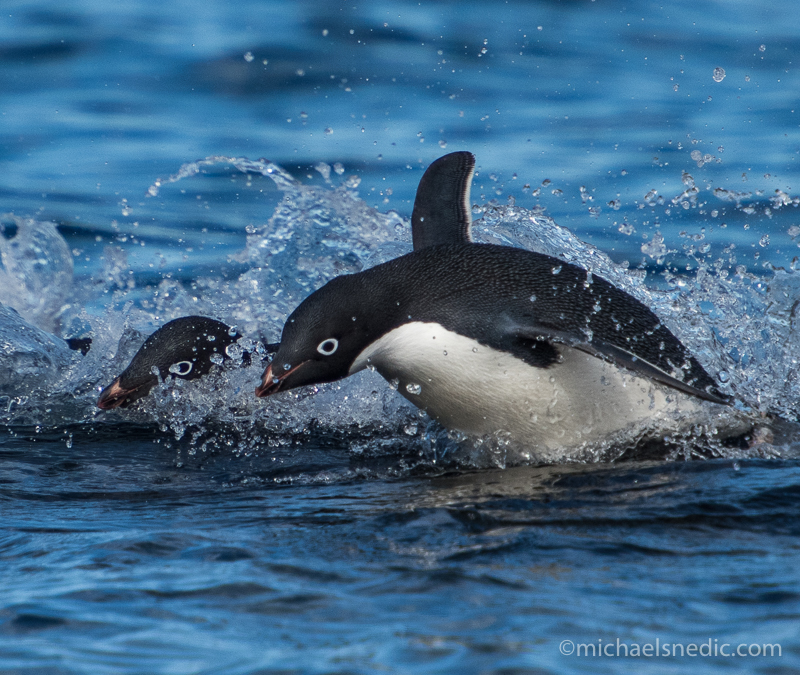
Adelie Penguins

Birds are found in every imaginable shape, size and colour, all over the world. Photographing them is a delight but capturing pin-sharp images of moving birds such as flying, diving into water or displaying, can be a challenge. Below are some tips and techniques that I have been teaching my photography workshop participants for the past 20 years.

1. Fast Shutter Speed

One of the most important things when trying to capture bird behavior is to make sure your camera’s shutter speed is high enough to capture the movement. For SLR or Mirrorless camera users, when shooting at a focal length of around 400mm, I generally suggest a minimum of 1/1500th or 1/2000th of second, so as to capture the movement without blur. For fast-flying bird, even higher speeds are recommended.

2. Back-button Focus

Back-button Focus is a feature on many various camera models that works really well when taking action shots. With back-button focus, you use your thumb to focus and your index finger to press the shutter button. Once focus is locked on a moving subject, when used in conjunction with continuous focus, it won’t leave the subject and try and focus on the background, especially if the subject has moved faster than you can track it. Many pro photographers use back-button focus to great effect and I have been encouraging my photography workshop participants to use this method for many years now.

3. Using Continuous Focus

To keep focus on a moving bird, it is imperative that you switch your focus mode to ‘Continuous’, so as to achieve greater focus accurately. Nikon, Sony, Olympus, Panasonic, Pentax etc call their moving subject focus style ‘Continuous’, while Canon call their focus style ‘AI Servo’. It is important to lock focus on the moving bird by half depressing the focus button and keeping it that while following the subject. You can then take the shots whelp not the subject is in the best position. I always recommend using ‘Continuous Focus’ with continuous shutter mode or ‘burst’.

4. Best Focusing Method

If you are new to photographing bird behaviour, especially birds in flight, I suggest using a single focus point in the center of the frame. That way, no matter which direction the bird is flying from, you have a much better chance of capturing the perfect moment. Also, if the sky is blue and there are no distractions in the background, using 3D tracking or similar can be advantageous in helping with the focus locking onto the bird.

5. Preempting Bird Behaviour

One very important aspect of capturing that exact ‘split-second’ bird behaviour moment is to wait patiently until something happens. Recently, while presenting a photo expedition to Antarctica, we had dozens of penguins standing on the rocks near the shoreline. My group waited patiently for that exact moment when they started jumping into the water, then clicked away like crazy!! Carefully observing the penguins and preempting when they were about to jump, helped our photography group in getting great action shots.

If you have a passion for African wildlife, nature or travel photography and would love to go on a specialised small-number, professional African photo safari, please get in touch with Michael Snedic at WildNature Photo Expeditions. You can call him on 0408 941 965 or fill in this Contact Form and he will get back to you ASAP.
Wildlife Photography Tip –  SLR camera versus Compact Digital Camera?

Wildlife Photography Tip – SLR camera versus Compact Digital Camera?

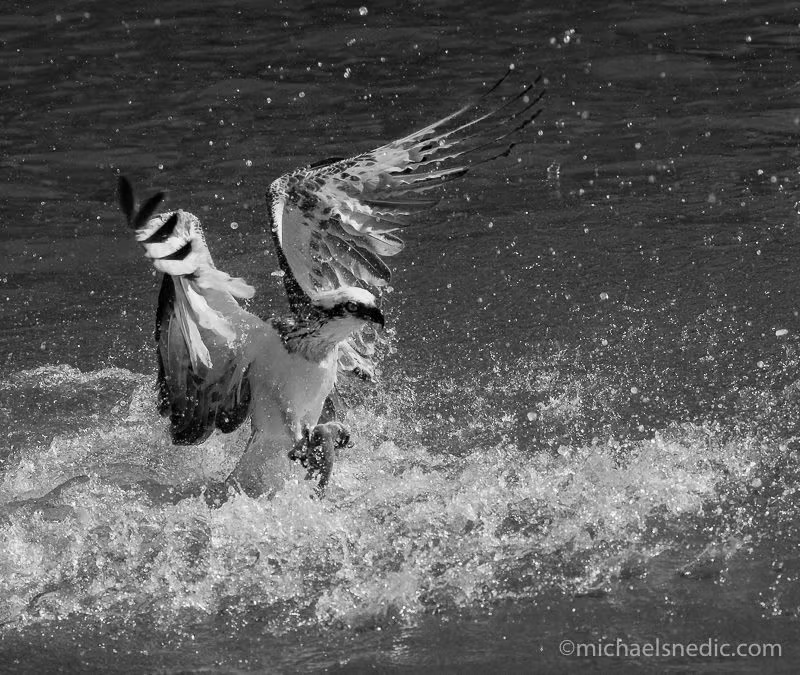
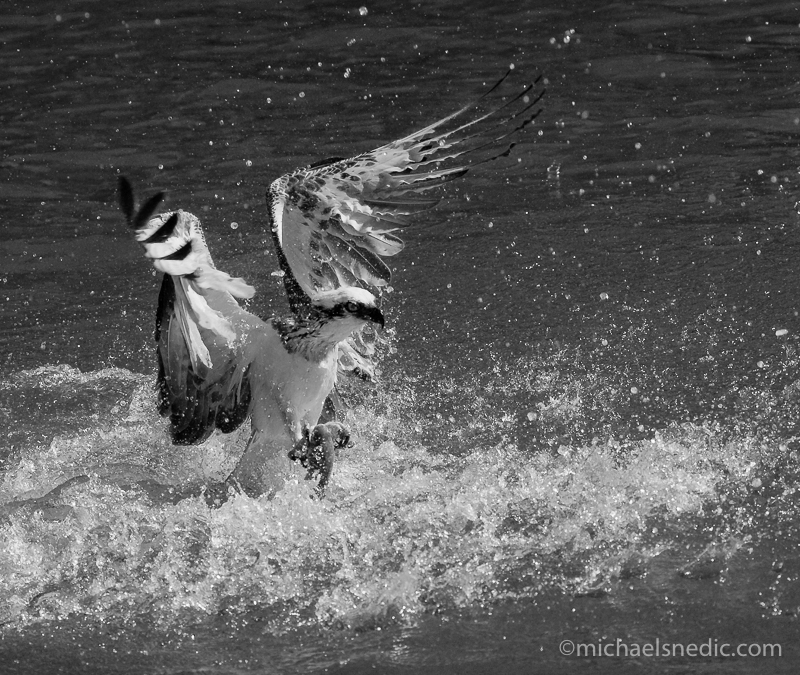
Osprey with fish
As far as a recommended camera goes for photographing wildlife behaviour, it is preferable to use an SLR (single lens reflex) camera. One of the reasons is that you are able to capture a certain behaviour the instant the shutter button is pressed and you can also choose the zoom or telephoto lens you wish to use. With a compact digital camera or a ‘point-and-shoot’, it is a bit more difficult to take a photo at the precise moment when a behaviour is happening. Compact cameras have an inbuilt shutter-lag, which basically means there is a delay from the time the shutter is pressed until the photo is taken. Photographers who use compact cameras often tell me they are frustrated by missing that special wildlife ‘moment’, due to the delay in the shutter button on their camera. If your subject is stationary, you first need to compose your photo then press the shutter button partially to pre-focus on it. Wait for the right moment when a behavior is happening and then press the shutter button to take the shot. It takes a bit of practice and there will no doubt be many near-misses, but once you are used to this technique, it becomes much easier.

A photography tip for photographing birds and bats in flight, or mammals running, is to use a fast shutter speed to freeze the ‘action’. In good light, it is quite easy to achieve a high shutter speed but when lighting conditions are poor, I suggest raising the ISO setting on your camera, which will subsequently increase the shutter speed on your camera. The higher the shutter speed, the better chance of capturing a sharp, focused shot, without blur or movement. Be aware that when using a digital camera, depending on the camera’s make and model, you will experience some “noise” or digital grain if the ISO setting is set too high.

If you have a passion for African wildlife, nature or travel photography and would love to go on a specialised small-number, professional African photo safari, please get in touch with Michael Snedic at WildNature Photo Expeditions. You can call him on 0408 941 965 or fill in this Contact Form and he will get back to you ASAP.
Recommended Photographic Destination – Cradle Mountain, Tasmania – Autumn Fagus Colour Changes

Recommended Photographic Destination – Cradle Mountain, Tasmania – Autumn Fagus Colour Changes

Nothofagus Tasmania
One of the most spectacular natural destinations in Australia is, without doubt, Cradle Mountain in Tasmania. For people who haven’t been before, it often takes their breath away and as a wildlife and nature photographer, it’s definitely one of my favourite locations in Australia to take my camera. I have been to Cradle Mountain countless times, either photographing, presenting photo tours or as a holiday destination. The scenery is stunning and quite majestic and there is so much variety in the types of habitats to photograph.

The end of April/early May is a great time to visit Cradle Mountain with your camera, as this is when the incredible autumn colour changes occur. This is known as the ‘The Turning of the Fagus ’ (short for Nothofagus gunnii, the botanical name for this deciduous Beech trees). This annual event lasts only a few weeks each year and being Tasmania’s (and Australia’s) only deciduous tree, makes this event very special. The autumn colour leaves change and make for spectacular scenery that just has to be photographed! Apart from the ‘Turning of the Fagus’, there are also lush, green forests filled with King Billy and Pencil Pines, which are also very photogenic. Mosses, lichens and liverworts are everywhere and it’s also one of the best locations to photograph a wide variety of beautiful fungi, found in every conceivable shape, size and colour.

For the first time ever, I am presenting a five day photography workshop at Cradle Mountain, in Tasmania, based around the time of the autumn colour changes. My first ‘Cradle Mountain Autum Colour Changes ‘photography workshop booked out in 5 days, with a second one straight after now only having four places left!  If you would like to join me on the 5 day photography workshop of Cradle Mountain, or find out more about this exciting photography workshop, please click HERE for full details.

If you have a passion for African wildlife, nature or travel photography and would love to go on a specialised small-number, professional African photo safari, please get in touch with Michael Snedic at WildNature Photo Expeditions. You can call him on 0408 941 965 or fill in this Contact Form and he will get back to you ASAP.
Would you like a FREE copy of my new Ebook?

Download Button

ebook The Art of Wildlife Photography by Michael Snedic July 2026 cover

You have Successfully Subscribed!