14 Day ‘India Wildlife and Culture Photo Safari’

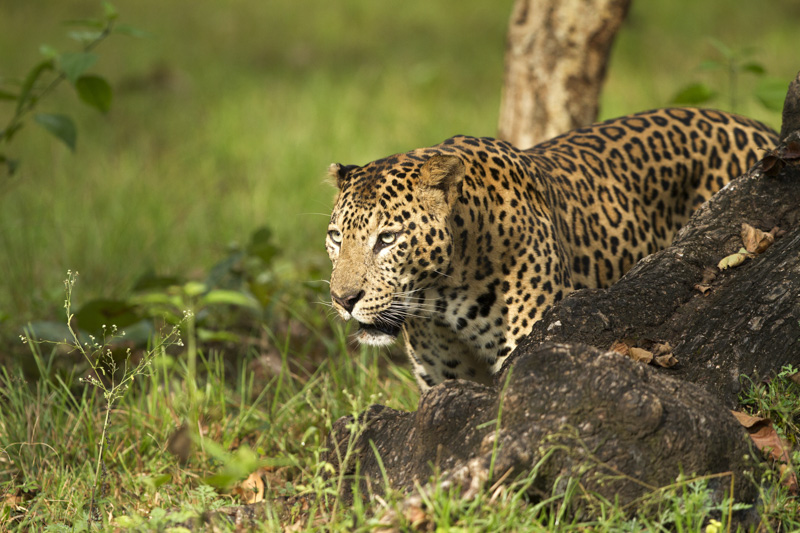
India Safari - Asian Leopard

Visit 'The Wild Heart of India'!

Come And Join Me On This Very Exciting Photo Safari,
In Partnership With Mantra Wild Adventures.
Experience India's Best Wildlife And Cultural Highlights!


Date

12th to 25th of January 2018

Price

Pay $7999 AUD per person (twin share)

*Single Room Supplement: $2,989 AUD

8 Guests Only For Maximum Tutor/Participant Ratio
India Safari

Contact Michael Snedic directly
on +61 408 941 965

India Safari - Udayagiri Caves

Experience Central India with its unique mix of ancient culture and its breathtaking wilderness. Indian art, culture and spirituality all developed amidst a rich, natural beauty.

We will see vivid Indian art dating back to prehistory, visit sacred Buddhist and Hindu sites, and begin to comprehend the origins of modern India.

We explore the variety and biodiversity of the National Parks of Madhya Pradesh while taking Wildlife Safaris in India’s most beautiful National Parks.

We will visit highland habitats, teak forests, bamboo and grasslands areas as well as riverland areas.

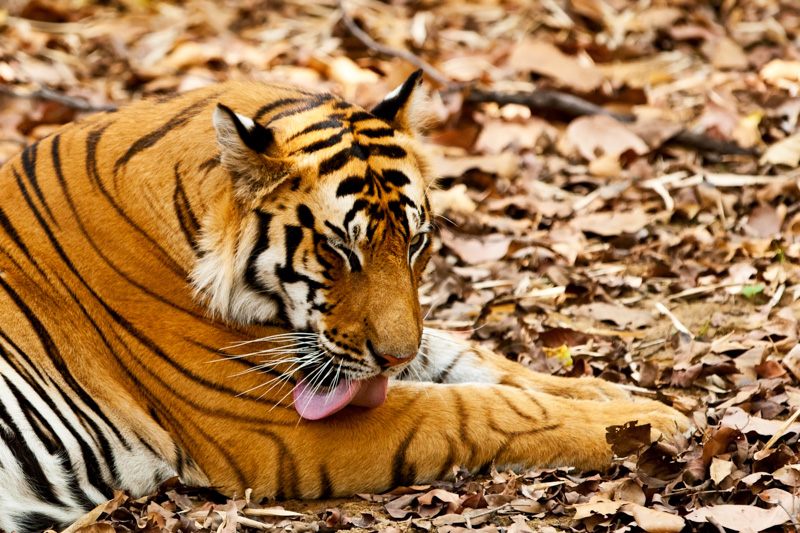
We will go on safari to seek out the big cats—tigers and leopards—as well as monkeys, crocodiles and a huge number of bird species.

Explore India’s biodiversity

Madhya Pradesh has some of India’s most important and significant national parks and reserves.

Satpura National Park is 1400 square kilometres of highland habitat for some of India’s most important wildlife.

Pench Tiger Reserve consists of over 700 square kilometres—primarily of teak forest—and is considered one of India’s finest tiger reserves.

Kanha National Park is one of the largest national parks in India and extends over almost 2000 square kilometres of undulating country.

Bandhavgarh National Park, amidst the Vindhyanchal Ranges, covers about 440 square kilometres and contains a mixture of grassland, bamboo and densely wooded hills.

India Safari - Sloth Bear

India Safari

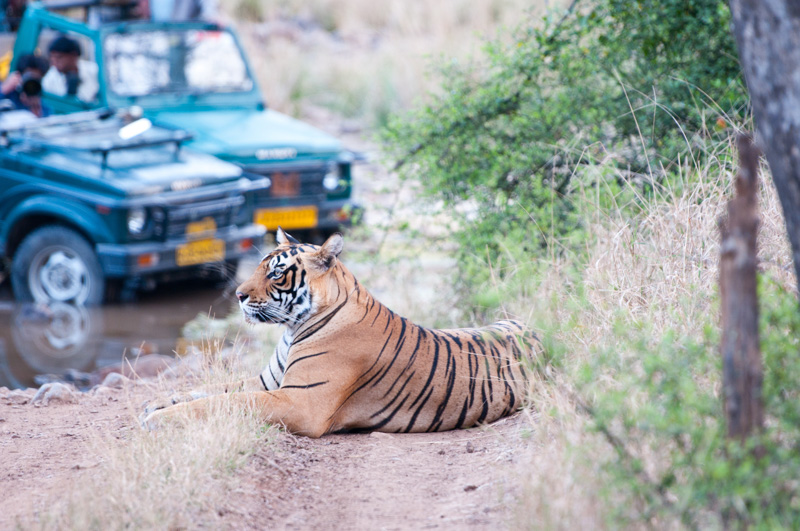
Game drives provide the best opportunities for all types of wildlife viewing and for having a chance encounter with a big cat. We explore, mostly by jeep, looking for some of India’s most exciting wildlife including: tigers, leopards, sloth bears, wild boars, rhesus monkeys, langurs, hyenas, wild dogs, pangolins, marsh crocodiles, and many species of bird.

Accommodation:

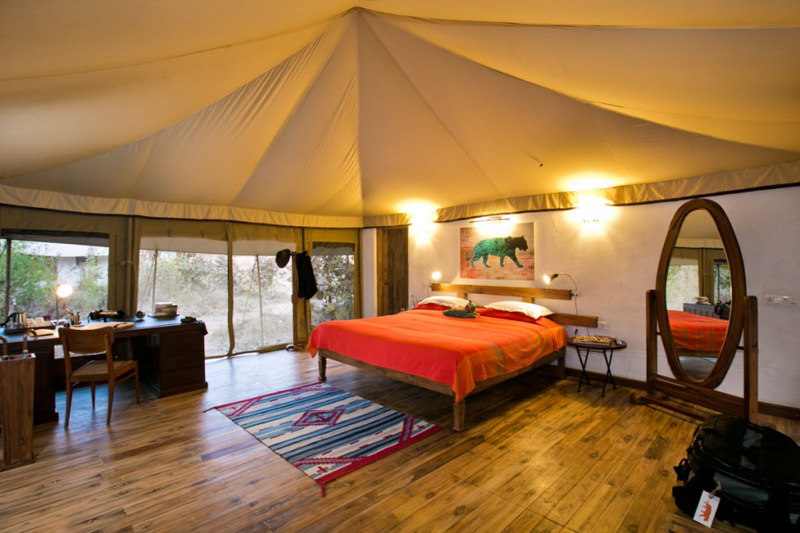
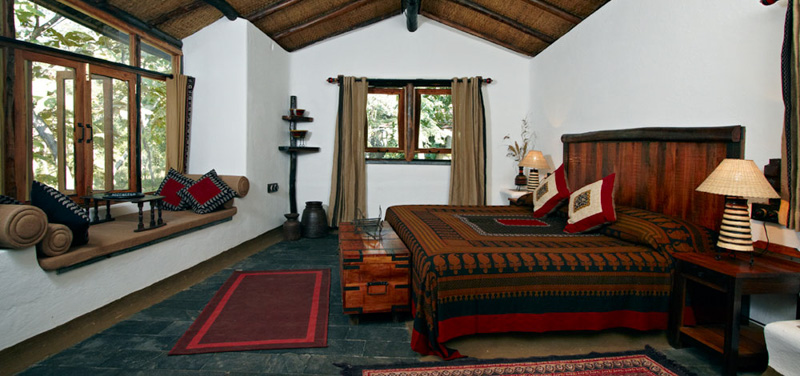
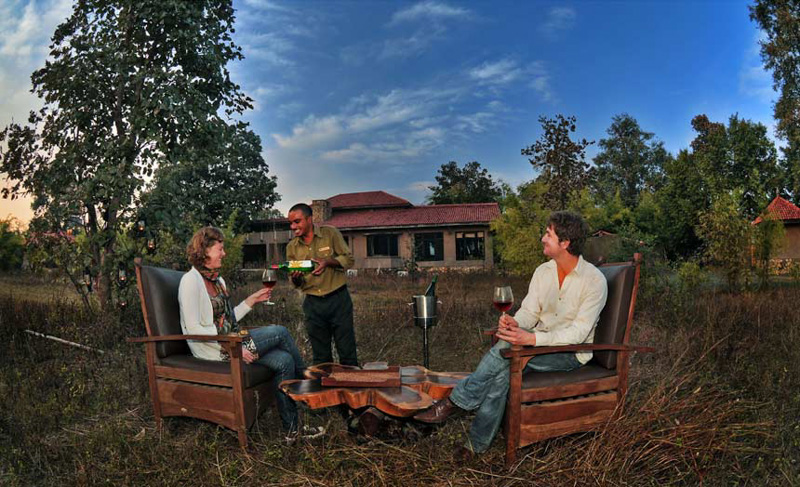
We will be staying in a beautiful Palace, Boutique lodges and tented camps along the way.
India Safari

Itinerary

DAY 01

DELHI

Arrive Delhi by International flight. After crossing immigration and baggage, you will be met by an Inspiration India/ Mantra Wild representative at the arrivals hall, who will transfer you to your hotel (rooms are available from 12 noon).

You will receive a traditional welcome with “Aarti and Tikka” wherein a silver tray with a small oil lamp is used to welcome you, along with a vermilion mark on the forehead.

DELHI reflects the legacy and heritage of Mughal Delhi, which is now known as Old Delhi. Pulsing with energy and colour, Old Delhi is laced by a maze of narrow lanes where you get a glimpse of the many flavours from the wedding bazaar to spice markets to graceful architecture. In contrast to Old Delhi the imperial city or New Delhi, created by the British, has numerous fine colonial structures, magnificent buildings and wide boulevards laid according to the master plans of the great colonial architect Lutyens.

Overnight: The Claridges (Deluxe room)

Taj Mahal

India Safari - tigress and cub

DAY 02

 DELHI -BHOPAL-SATPURA VIA BHIMBETKA

Early morning, transfer to New Delhi Railway station to board Bhopal Shatabdi Express (0600/1350hrs).
Assistance upon arrival and drive to Satpura (180 Kms; 4 hrs), enroute, stop at the Bhimbetka Rock shelters, an archaeological site of the Paleolithic era, exhibiting the earliest traces of human life on the Indian subcontinent. Some of the Stone Age rock paintings found among the Bhimbetka rock shelters are approximately 30,000 years old.

On arrival in you are assisted with checking in to your lodge.

Overnight : Reni Pani Jungle Lodge (Cottage)
Meals : Breakfast, Lunch at Satpura & Dinner


DAY 03

 SATPURA

Enjoy morning & afternoon safaris by Jeep in the National Park.

Overnight : Reni Pani Jungle Lodge (Cottage)
Meals : Breakfast, Lunch & Dinner


India Safari - Kingfisher

India Safari - Kings Lodge

DAY 04

SATPURA

Morning: Jeep safari in the national park.

Afternoon: enjoy a Boat Safari.

Overnight : Reni Pani Jungle Lodge (Cottage)
Meals : Breakfast, Lunch & Dinner
DAY 05

SATPURA - PENCH

Early morning start for Pench. We recommend an early start at 0600 hours and arrive Pench in time for lunch.
This will be a long day suggest a day at leisure.

Overnight : Jamtara Wilderness (double luxury tent with private facilities)

Meals : Full Board

Satpura National Park is cradled in the Satpura Range (Mahadeo Hills) and straddles the State of Madhya Pradesh. With the adjoining Bori & Panchmarhi Sanctuaries, Satpura N.P. provides 1427 sq. kms of unique Central Indian Highland ecosystem cover to India’s wild denizens. Satpura N.P.(set up in 1981 and 524 sq. km) is beautiful and unspoiled. It represents nature at its very best. The fascinating deep valleys, high mountains, rivulets, waterfalls and Tawa’s vast reservoir combine to give this Park an unique beauty. The terrain is extremely rugged and consists of sandstone peaks, narrow gorges, ravines and dense forests. The altitude ranges from 300 Mts. to 1352 Mts. From the 4500 feet Dhoopgarh peak to the almost level plains of Churna the ride is only 60 kms but it takes about 5 hours to travel from the cool environs of Panchmarhi resort to the edge of the Tawa reservoir.

Satpura & Bori abound in Central Province wildlife. The bio-diversity is stunning with over 1300 species of plants, which include numerous rare bryophytes and pteridophytes. While Sal & Teak forests are abundant, Central India mixed deciduous forests cover a major part of the area. An evident eyesore is the rampant and unchecked growth of Lantana. The meadows and valleys have been completely taken over by this invader.

The terrain, which is covered by some of the oldest Sal & Teak forests in India, is home to 50 mammal species, 254 bird species & 30 species of reptiles. The Tiger, Gaur, Leopard, Indian Giant Squirrel, Sambar, Sloth Bear, Chital, Barking Deer, Wild Boar, Rhesus Monkey, Langur, Nilgai, Hyena, Wild Dogs, Smooth Otter, Pangolin, Porcupine, Marsh Crocodile, Ratel, Four Horned Antelope and many other species of wildlife are seen. Birds are seen everywhere and Malabar Pied Hornbills, Crested Serpent Eagles, Crested Hawk Eagles, Honey Buzzards, Paradise Flycatchers, Pittas, Thrushes, Peafowl, Pheasants fill the air with their calls.

Afternoon, enjoy a Boat Safari.

Overnight : Reni Pani Jungle Lodge (Cottage)

DAY 06

PENCH

Morning, game drive into the park.

Pench Tiger Reserve is India's 19th Project Tiger Park. It is considered to be one of the country’s finest new tiger reserves spread over 700 square kilometres and consisting primarily of teak forest. The population of game is also very high – it has a very high density of prey ( Spotted Deer, Wild Boar, Sambar, Blue Bull and the Indian Bison) and is also home to a very healthy population of Tiger, Leopard, Wild Dog and Jackal amongst other smaller predators. The bird list has over 280 species.

This evening, we have arranged a night safari in a private jeep with a naturalist.

Overnight : Jamtara Wilderness (double luxury tent with private facilities)

Meals : Full Board
 

India Safari - tiger

DAY 07

PENCH-KANHA

Drive to Kanha, a distance of 210 kms / 6.5 hours.

Kanha is one of the largest national parks in India extending over 1945 sq. km. of undulating country, which includes a core area of 940 sq km. Kanha has some 22 species of mammals. The most easily spotted are the stripped palm squirrel, common langur, jackal, wild pig, chital or spotted deer, barasingha or swamp deer, sambhar and black buck. Less commonly seen species are tiger, Indian hare, dhole or Indian wild dog, barking deer and Indian bison or gaur. Other animals found in the park are Indian fox, sloth bear, striped hyena, jungle cat, panther, mouse deer, four-horned antelope, porcupine and wolf. Kanha has some 200 species of birds. The commonly seen species of birds include cattle egret, pond heron, black ibis, common peafowl, crested serpent eagle, racket-tailed drongo, and hawk eagle, various species of fly-catcher, woodpecker, pigeon, dove, parakeet, babbler, mynah, Indian roller, white-breasted kingfisher and grey hornbill.

Afternoon, walking safari/ village tour.

Overnight: Shergarh Tented Camp, (Standard Tents)

Meals included: Breakfast, Lunch, Dinner


India Safari - Indian Roller

DAY 08

KANHA

A full day in Pench Tiger Reserve with morning and afternoon game drives..

Overnight: Shergarh Tented Camp, Standard Tents

Meals included : Breakfast, Lunch, Dinner
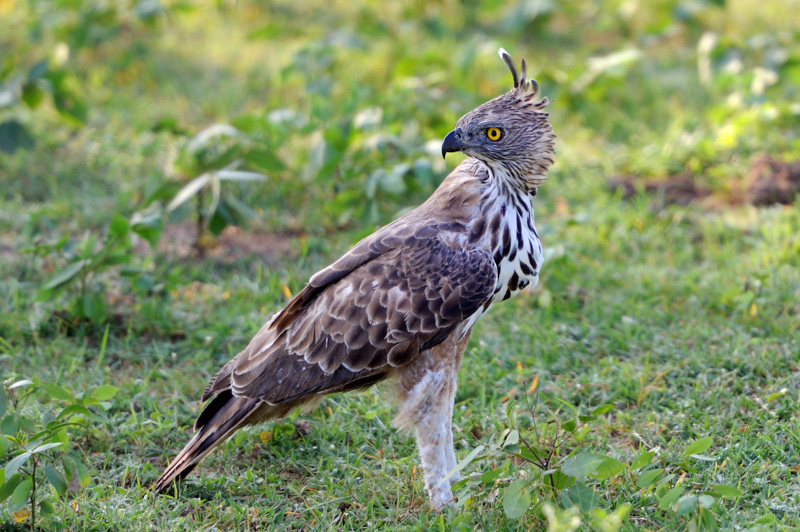
 

India Safari - changeable hawk eagle

DAY 09

KANHA

Morning and afternoon jeep safari drive into the park. Game drives provide the best opportunity for all types of wildlife viewing, from bird and butterfly watching, to sighting the major prey species and chancing an encounter with a big cat. The drives would incorporate different regions of the park, showcasing its huge bio-diversity. The major mammals include gaur, dhole, barasingha, sambar, chital, muntjac, leopard and tiger. Afternoon drives are predominantly experienced in the Mukki region, often parked quietly aside water holes, waiting and watching for the late evening activity.

Overnight: Shergarh Tented Camp, Standard Tents

Meals included : Breakfast, Lunch, Dinner

DAY 10

  KANHA-BANHAVGARH

Today you will be departing for Bandhavgarh National Park (290 kms / 7 hours)
Set amidst the Vindhyanchal ranges, the park covers an area of 437 sq. km. and has a series of ridges running through it. About half the park is covered with fine stands of Sal while mixed forests are found in the higher reaches of the hills. Stretches of bamboo and grasslands are found throughout. The main view area is still in the core of the park with its 32 picturesque wooded hills.

There are more than 22 species of mammals and 250 species of birds. Common langurs and rhesus macaque represent the primate group. Carnivores include the Asiatic Jackal, Bengal Fox, Sloth Bear, Ratel, Grey Mongoose, Striped Hyena, Jungle Cat, Leopard and of course the most famous of all the Royal Bengal Tiger. The other animals spotted in the park are Wild Boar, Spotted Deer, Sambhar, Nilgai, Chinkara and Gaur. The vegetation along streams and marshes is rich in bird-life. The common ones are little Grebe, Egret, Lesser Adjutant, Sarus Crane, Black Ibis, Lesser Whistling Teal, White-eyed Buzzard, Black Kite, Crested Serpent Eagle, Black Vulture, Egyptian Vulture, Common Peafowl, Red Jungle Fowl, Dove, Parakeet, Kingfisher and Indian Roller. Reptilian fauna include Cobra, Krait, Viper, Rat snake, Python, Turtle and a number of lizard species.

Overnight : Kings Lodge (Deluxe Cottage)

Meals Breakfast, Lunch & Dinner


DAY 11

BANDHAVGARH

Drive to Kanha, a distance of 140 kms / 4 hours

Morning & Afternoon game drives in the park on jeep. We will also arrange a visit to villages surrounding the park.

Overnight : Kings Lodge (Standard Rooms)

Meals Breakfast, Lunch & Dinner

India Safari - Renipani

DAY 12

  BANDHAVGARH

Morning & afternoon game drives.

OPTIONAL – Full day permit to the park.

Overnight : Kings Lodge (Standard Rooms)

Meals Breakfast, Lunch & Dinner


India Safari - Tiger II

DAY 13

 BANDHAVGARH – JABALPUR-DELHI

This morning drive to Jabalpur airport (200 kms/ 5 hours) in time to board your flight for Delhi

Jabalpur-Delhi Air India 1420-1550 hours
(Current schedule Monday, Wednesday and Friday).
The other option is to take Spice Jet flight SG 2415: 1610/1755 hrs.

On arrival transferred to an airport hotel.

Overnight : Holiday Inn (Standard Rooms)

Meals Breakfast

DAY 14

  DELHI – AGRA- DELHI - DEPART

After an early breakfast, transfer to Nizamuddin Railway Station to board Gatimaan Express (0810/0950hrs) to Agra.

Agra is globally renowned as the city of the Taj Mahal. But this royal Mughal city has, in addition to the legendary Taj, many monuments that epitomise the high point of Mughal architecture. In the Mughal period, in the 16th and 17th centuries, Agra was the capital of India. It was here that the founder of the dynasty, Babar, laid out the first formal Persian garden on the banks of the river Yamuna.

Arrive Agra and experience the sublimity of the Taj Mahal (the Taj is closed on Fridays) - a varying kaleidoscope of solitude, colour and mood. A tribute from a great emperor to the memory of his beloved wife, it was 22 years in the making (1631-1653) and is a cerebral experience that defies description. Widely regarded as the earthly replica of paradise, the TajMahal is likened to “a vision, a dream, a poem and a wonder”.

Lunch at a local restaurant.

Later, guided visit to the Agra Fort - strategically situated along a bend on the Yamuna River. Built in the 16th century AD by three generations of Mughal emperors, it is a superb synthesis of stern military fortifications with delicate interior details.

Post visit, drive back to Delhi and transfer to airport to board your International flight back to home.

*End of Tour*

India Safari - kings lodge 2

India Safari - Indian Jackal Pench

Package Inclusions

  • Accommodation for 13 nights on double occupancy basis
  • Meals as specified in the itinerary.
  • Room with Breakfast in Delhi 
  • Room with all major (3) meals at Satpura, Pench, Kanha and Bandhavgarh, lunch in Agra
  • Transportation as follows:
  • Delhi – Arrival and departure transfers for both the visits
  • air-con Tempo traveller (13 seater)
  • Delhi – arrival and departure transfers
  • Bottled mineral water in the vehicles during transfers
  • Safaris as per program
  • Services of local English speaking guide in Agra and monument entrance fees
  • Portering fees at the hotels/airports only
  • Park entry fees as per the itinerary
  • A portion of package cost goes to TOFT (Travel Operators for Tigers) Campaign supporting Tiger Habitats.
  • All currently applicable taxes

Price Exclusions

  • International and domestic airfare, visa fees, airport tax or any insurance cover
  • Drinks of any nature, any other meals than those mentioned in the itinerary
  • Tips or gratuities of any sort.
  • Any car arrangements on free days
  • Still and video camera fee at monuments and game parks
  • Personal items (drinks, laundry, telephone calls, tips, camera fees etc)
  • Liability for change in itinerary due to reasons beyond our control like change in flight and train schedule; cancellation of flights, political disturbances, natural phenomenon, etc
  • Any other item not specifically mentioned above as ‘included’

General Conditions

  • The price are on Per Person basis in AUD
  • Check-in time is 1400hrs and Check-Out time is 1100hrs
  • All prices are subject to any revision of tax and tariff structure

Bookings

For more information, or to book your place on this very exciting, Boutique Photo Safari of India, please contact Michael via either email or phone.

email: contact form
phone: +61 408 941 965

mantra wild adventures

Michael Snedic Pro Photographer and Tutor
Michael Snedic
3 Day Girraween National Park Photography Workshop – Queensland

The Sphinx - Girraween

TBA

Where:

Girraween National Park - Queensland

When:

TBA

Price:

TBA (plus GST) for professional photography tuition

(Does not include accommodation and meals - please see below.)

Scarlet Robin
Scarlet Robin

Contact Michael Snedic directly
on +61 408 941 965

Would you like to spend three days learning how to photograph macro subjects, a large variety of birds and fabulous granite landscapes?

Join Michael Snedic for a photographic treat in Queensland's Granite Belt country, in Girraween National Park (40kms from Stanthorpe). He will teach you new landscape, macro, bird/wildlife and star trail photography techniques. Girraween is a natural wonderland and a photographer’s delight, with so many great subjects and locations to photograph!
 

Girraween National Park is an area of the Granite Belt in the Darling Downs region of Queensland, Australia reserved as a National Park. Girraween is known for its spectacular flowers, dramatic landscapes and unique wildlife (Wikipedia)

Silhouette of a photographer shooting the milky way in a starry night sky.
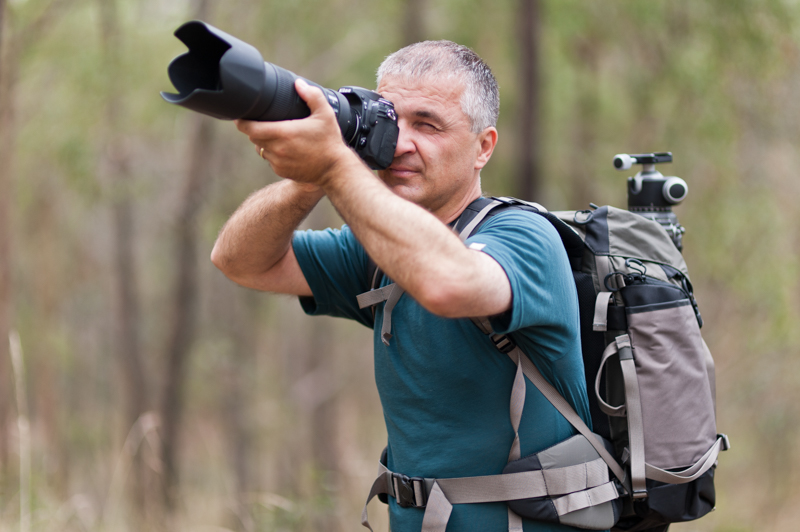
Michael photographing in Girraween N.P.

Photo techniques covered:

  • Composition
  • Lighting – Natural versus Reflectors/Diffusers/Flash etc
  • Focus Styles and Focal Points
  • Exposure - Metering and Exposure Compensation
  • Depth-of-field
  • Tripods/Remotes
  • Backgrounds
  • Distractions to avoid
  • And much more…

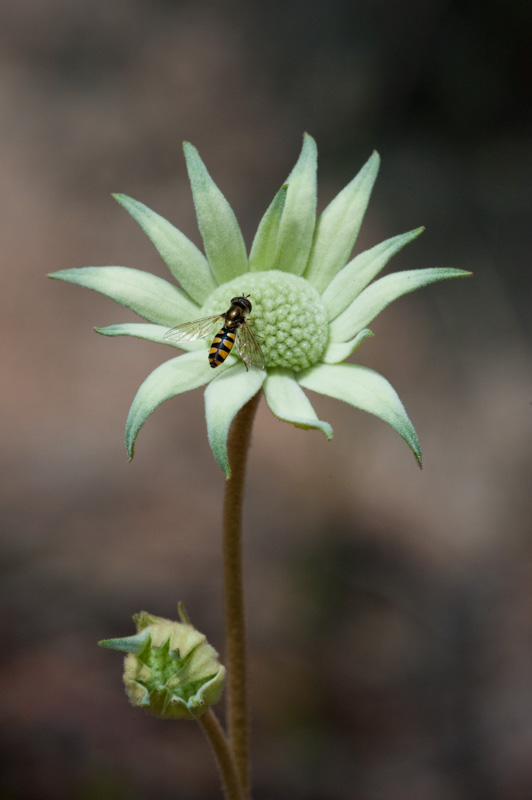
Flannel Flower
Flannel Flower

Some of the subjects covered:

  • Macro, including orchids and other wildflowers
  • Astro photography
  • Birds/Wildlife
  • Stunning granite landscapes

Striated Pardalote
Striated Pardalote

Itinerary:

Day One

Introduction and assessment of participant’s skill levels. Michael will also do of review of camera settings, to make sure that everyone is getting the best out of their photographic equipment.

Wildflowers session – Here we will be concentrating on photographing the great array of colourful wildflowers found within Girraween National Park.

Landscape photography - Capture the stunning granite boulders that are found within Girraween National Park. Best use of shutter speeds/tripods/remote controls and various filters.

Star Trails - After dinner come and enjoy a star trails and light painting session under the incredibly clear skies of Girraween.

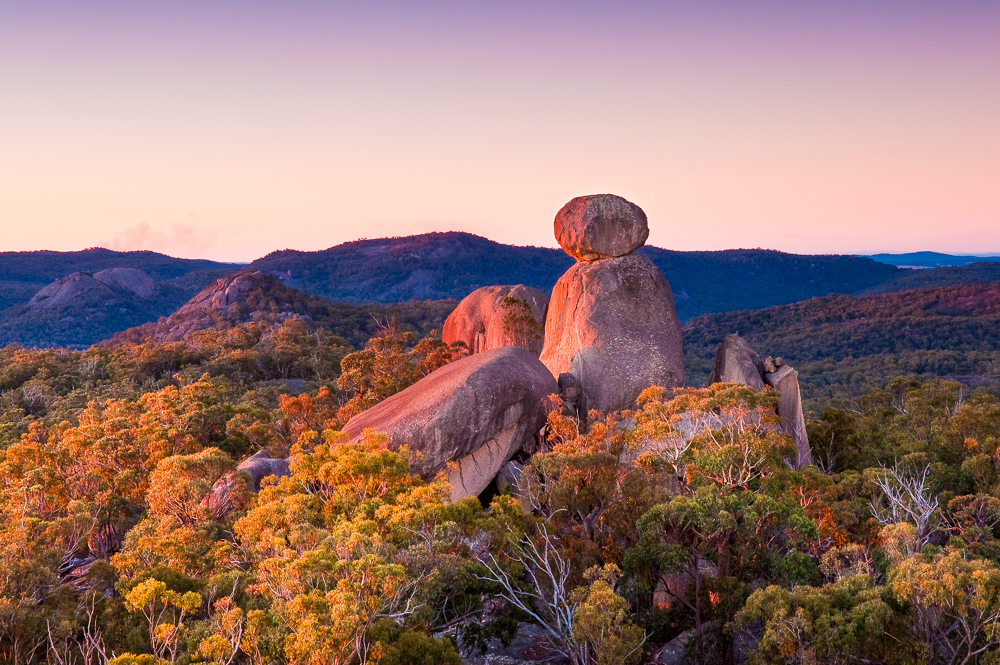
View from Castle Rock - Girraween N.P.

Day Two

Bird photography session - You will be shown the best techniques to improve your bird photography.

Macro (wildflower) photography - In a different area of Girraween National Park. Fine-tune the skills you picked up on the previous day’s macro session.

Landscape photography – A second session on how to best photograph majestic landscapes.

Day Three

“Nature Walk” – Spend the day out, walking along one of the splendid tracks in Girraween National Park, photographing anything that takes your fancy! Michael will be there throughout the day to offer professional photographic advice and help you with any problems you may be encountering. (BYO lunch will be in-the-field).

1.30pm finish (approximate time)

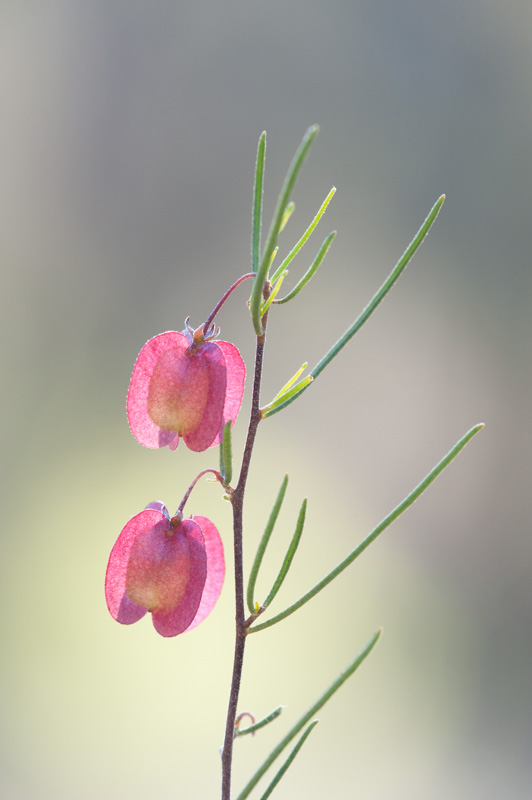
Thread-leafed Hopbush

Accommodation:

Choose whichever type of accommodation suits your needs and budget. You may camp in the nearby Parks and Wildlife campground or choose to rent one of the many houses available for rent.

The link HERE takes you to the QP&WS, where you can book a campsite.

You can book a stay at the Girraween Environmental Lodge, which is only a few minutes drive from our base and can be found HERE   

Alternatively, there are other places you can stay, either nearby or at Ballandean (a 10 minute drive to Girraween National Park)

Food:

Please bring your own (there are no shops in or near the National Park).

Underground Creek - Girraween n.p
Underground Creek - Girraween N.P.

How to book:

For more information on this workshop or to book your place, please contact Michael on +61 408 941 965 or by using the contact form.

Maximum 8 participants

This workshop is covered by Queensland Parks and Wildlife Service permits.

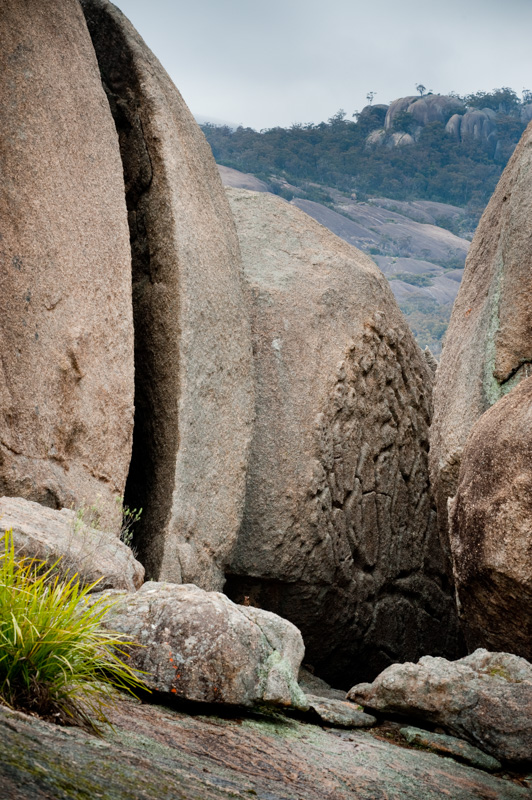
Granite boulders - Girraween N.P.

WildNature COVID 19 Cancellation Policy:

In the event of the cancellation of the 3 day Girraween photography workshop, or you are unable to travel to the state of the workshop or tour due to Government-imposed travel restrictions, specifically due to COVID 19, you will be eligible for the following:


  • A full refund OR
  • A full credit of monies paid towards the identical photography workshop/tour that was cancelled (at a future date) OR
  • A full credit of monies paid towards any other WildNature Photo Expeditions workshop or tour (no expiry date)

Girraween participants

7 Day Bird Photography Workshop – Tropical North Queensland

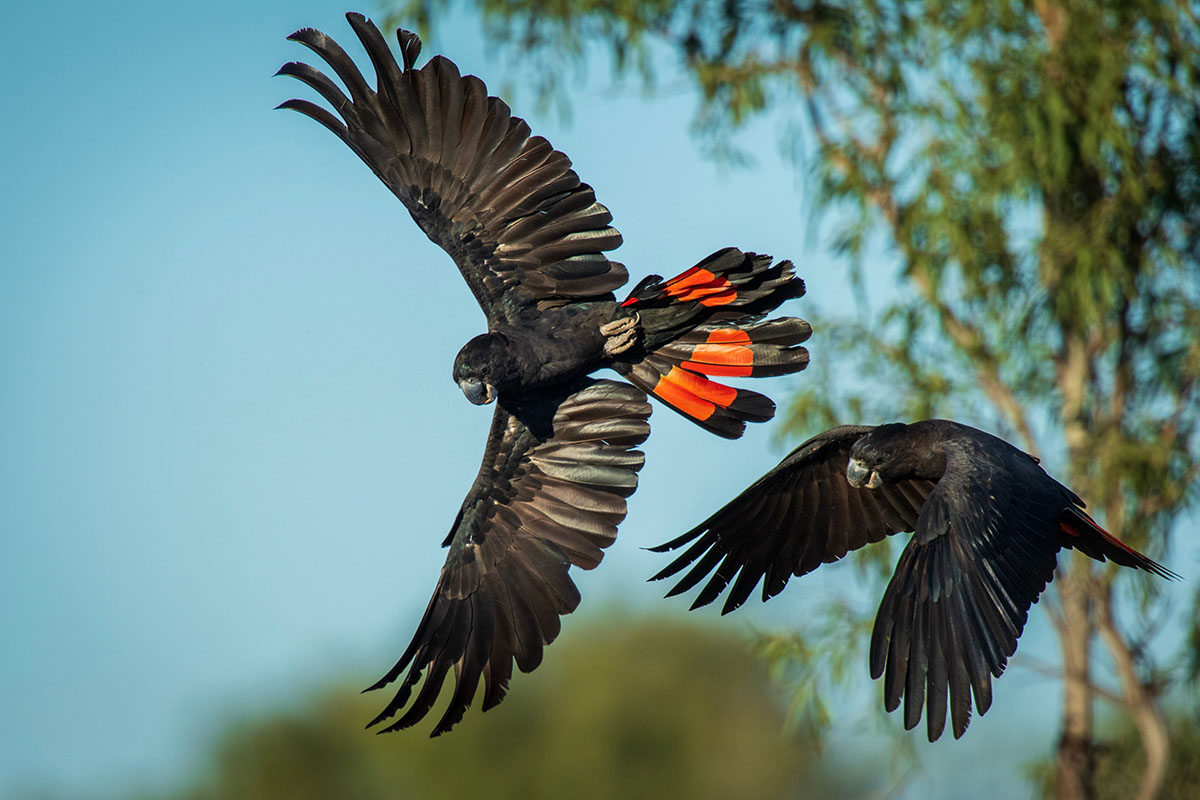
Red-tailed Black Cockatoos

15th to 21st of August 2027

With Wildlife and Nature Photographer and Tutor Michael Snedic
and a Local, Experienced Birding Guide 

Michael Snedic, one of Australia’s most accomplished wildlife photographers and tutors, has teamed up with FNQ Nature Tours, to present a 7 day bird photography workshop and tour, in Tropical North Queensland. In this workshop, one of FNQ Nature Tours experienced birding guides will help participants find and identify numerous species of birds by studying their behaviour, habits and habitat. Michael’s experience as a leading bird/wildlife photographer and tutor will also be utilised to help you improve your bird photography, including tuition on birds in flight, composition, lighting and correct exposure, focal points and much more.

Cost

$4985 (plus GST) twin share. Single supplement available for $480 (plus GST)

Please note: WildNature Photo Expeditions will endeavour to find someone to share with you, from the photography group. If no one is available to share, then a single supplement will be added and you will have your own room.


Maximum 8 passengers with an experienced birding guide from FNQ Nature Tours as well as professional photographer and tutor, Michael Snedic.

Golden Whistler
Golden Whistler

Contact Michael Snedic directly
on +61 408 941 965

About the Location

The Atherton Tablelands is arguably Australia’s youngest landscape being formed from volcanoes as recently as 25,000 years ago. The rich volcanic soils were once covered with rainforest most of which has now been cleared for agriculture. The precious rainforest remnants, which are protected in National Parks, provide habitat for a large diversity of wildlife including twelve wet tropics endemic bird species:  Atherton Scrubwren, Bower’s Shrike-thrush, Bridled Honeyeater,  Grey-headed Robin, Macleay’s Honeyeater, Mountain Thornbill, Pied Monarch, Tooth-billed Bowerbird, Golden Bowerbird, Victoria’s Riflebird, Chowchilla and Fernwren.

Michael Snedic - Birding Far Nth QLD

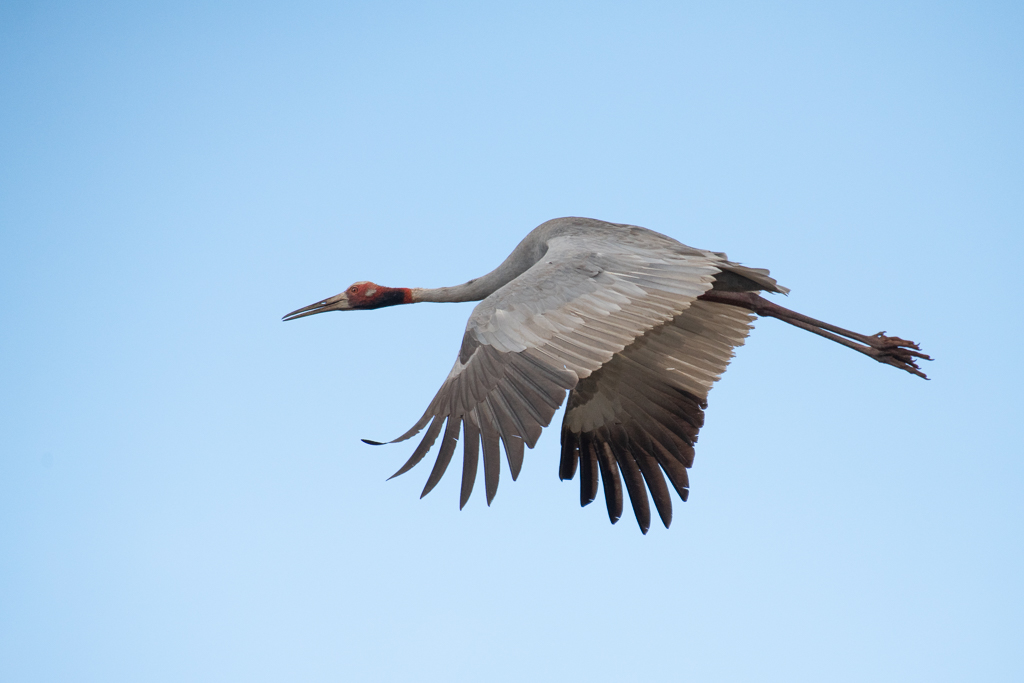
In recognition of the areas rich diversity of birds Birdlife International has classified the Tablelands a Key Biodiversity Area (KBA). Southern Cassowaries are also present as are Sarus Cranes and Brolgas who together stage one of the least known, but most spectacular, daily wildlife events in Australia when they fly in at dusk to roost at Bromfield Crater. Vast numbers of water birds periodically gather at Hastie’s Swamp to create yet another magical wildlife experience. Landscape features like the crater lakes, Barrine and Eacham, the dramatic Hypipamee Crater and the famous Curtain Fig are major attractions in the region.

The workshop will start with one night in Cairns. That is the day when everyone arrives. There will be an introductory photographic session in the afternoon.

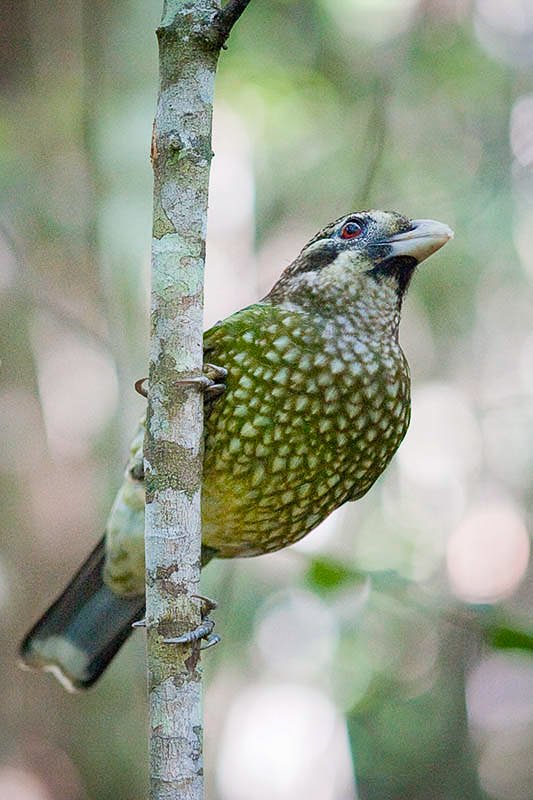
Our base for most of the workshop is Chamber’s Wildlife Lodges. Set in the tropical rainforest near Lake Eacham, the lodge is a haven for birds and mammals. Victoria’s Riflebird and Spotted Catbirds regularly visit the cabins and many other species are found in the surrounding forest. Striped Possums and Sugar Gliders feed in a special viewing area at night.

During the next four days there will be a series of bird and photographic workshops and lectures at Chambers and other special locations including Mt Hypipamee National Park, Lakes Eacham and Barrine, Wongabel State Forest, Hastie’s Swamp, Nerada Tea Plantation (Tree Kangaroos), Peterson’s Creek (Platypus) and the Curtain Fig and the Cathedral Fig Trees. Evening trips to Bromfield Crater for the Cranes and near Atherton for Grass Owls should provide challenging photographic opportunities.

Southern Cassowary

Sample Itinerary

Day 1

This is the day we would like everyone to arrive. Our first workshop session will be an introduction to the group and leaders, an overview of the week and an explanation of the basic camera settings. Michael will also check everyones settings. This session will be outside on the Cairns Esplanade, a wonderful location for birding and probably the best location in Australia for observing and photographing shore birds. The time will be determined by when everyone is able to get there but we ask that participants aim to be in Cairns by early afternoon.


Platypus

Day 2

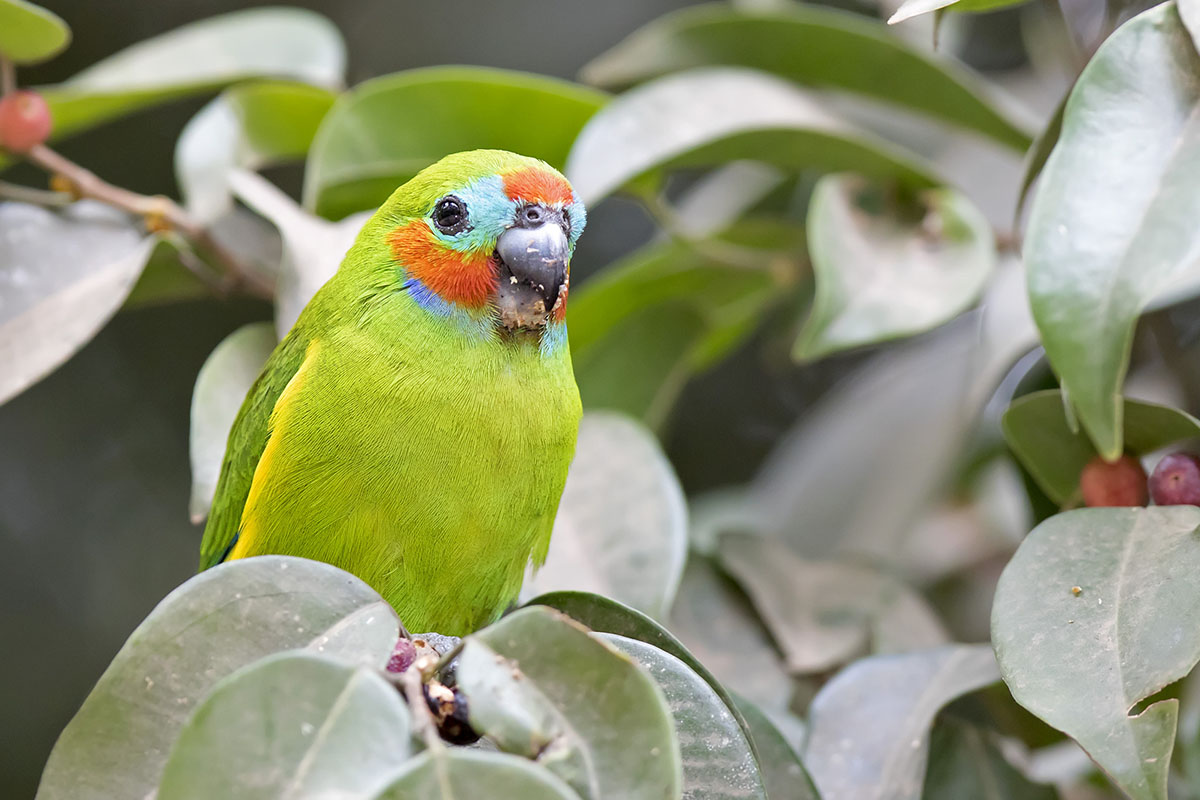
We start the day with a walk along the Cairns Esplanade where there will be plenty of birds to photograph. The tide should be favourable for wading birds and there is always a good selection of species in the trees including Double-eyed Fig Parrots, Torresian Kingfishers and Varied Honeyeaters. After breakfast, we start our journey to the Atherton Tablelands. Our first stop will be Davies Creek National Park, with highlights being the Rufous Owl and White-browed Robin. The creek flowing over granite boulders is a very photogenic landscape. South of Mareeba Red-tailed Black-Cockatoos often frequent the roadside Eucalyptus trees.

After settling in to Chambers Wildlife Lodges , our accommodation for the next 5 nights, most of the rest of the day will be devoted to learning how to find and identify birds with Barry. This session is cameras down binoculars up so that you concentrate on learning the skills of finding birds by sight and sound, identifying them using field marks and observing their behaviour. You have the rest of the week to practice these skills and get your photographs. Set in the tropical rainforest Chambers is an ideal location for this workshop. Over many years Victoria’s Riflebird and Spotted Catbirds have been encouraged to visit feeders and the cabins and many other species feed in the surrounding forest and gardens.


Orange-footed Scrubfowl

Day 3- 6

During the next four days we will start each day early to catch the dawn chorus and the beautiful morning light. After breakfast, and at other times, Michael will run short workshops covering the following topics:

  • Lighting
  • Focal styles and focal points
  • Composition
  • Recommended Aperture/DOF
  • Suggested lenses for bird photography
  • Metering/Exposure
  • Common photography pitfalls explained
  • And much more

The rest of each day will be spent applying these photographic and bird watching skills at various locations around the Atherton Tablelands including the following:

  • The Crater Lakes National Park – Lakes Barrine and Eacham
  • The Curtain Fig
  • Wongabel State Forest
  • Hastie’s Swamp National Park
  • Tinaroo Dam
  • Mt Hypipamee National Park

Rose-crowned FruitDove

Visits will also be made to Petersen’s Creek to see Platypus, Nerada Tea Plantation for Tree Kangaroos, Bromfield Crater for the Crane fly in and at Chambers spotlighting for wildlife including Striped Possum, Sugar Gliders and Sooty Owl.

Lunches will be at the Teahouse at Lake Barrine and Nerada Tea and pack lunches at various locations. Dinners will be at Chambers Lodges, Malanda Hotel and Yungaburra Hotel.

Michael and your birding guide will be available for private sessions and advice throughout the workshop and there will be some free time for you rest or just to spend time birding or photographing on your own.

Michael Snedic - Birding Far Nth QLD

Day 7

We return to Cairns but by one of 3 possible routes. Which one will be determined by what we have or haven’t seen and photographed. Back in Cairns there are many options including the Botanic Gardens, Centenary Lakes and, of course, the Esplanade.

End of workshop

Spotted Catbird
Spotted Catbird

Testimonial

The 8 Day Bird Photography Workshop with Michael and co-tutor, Barry Davies, is an unforgettable birding experience with a few mammalian surprises thrown in for good measure!

As a keen bird photographer, I know that it takes a lot of local knowledge, time, travel and expertise to maximise your opportunities to view and photograph endemic and target species. With 8 days- you need to rely on the experts to make the most of your time and Michael and Barry make the perfect combination! Barry will find you the birds and Michael will make sure you get the shots you want!!!

8 amazing days turned into 5101 images, 179 bird species observed, 13 other fauna species (not including fish) and 42 new birds for my list!

The trip was seamless- the guys will make sure that you are feed and watered exceptionally well and have very comfortable accommodation for a well deserved rest each evening.

I thoroughly recommended this fantastic bird photography workshop for anyone interested!!

Leigh Wilson

Leigh Wilson – Wishart, Queensland

Inclusions

  • Seven nights accommodation, including one night at the Bay Village Tropical Retreat in Cairns and five nights at Chamber’s Wildlife Lodges at Lake Eacham on the Atherton Tablelands.
  • All transport, using a 12-14 seater bus
  • Professional Photography Tuition from Michael Snedic and Bird Guiding from FNQ Nature Tours
  • All National Park permits

Double-eyed Fig Parrot (Cyclopsitta diophthalma)

Exclusions

  • All Meals
  • Flights to and from Cairns and transfers from Cairns airport
  • Items of a personal nature

Bird Photography Workshop with Michael and Barry
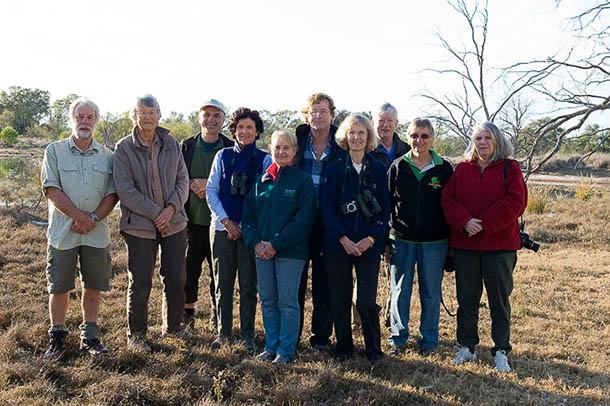
Bird Photography Tour past-participants

Bookings and Contact:

To reserve your place or just to ask more questions about this photo expedition, please contact Michael either via his CONTACT FORM or by calling +61 408 941 965.

Your position on the tour will be guaranteed immediately upon payment of non-refundable deposit of $AU1400 (plus GST) The balance will be due up to 120 days prior to the start of the workshop.

Cancellation Policy:

Deposit is non-refundable. Cancellation between 120 and 90 days before departure - 50% of total workshop price forfeited. Cancellation less than 120 days before departure or during tour, no refund available.

How To Avoid Common Wildlife Photography Mistakes

How To Avoid Common Wildlife Photography Mistakes

Albert's Lyrebird displaying

One of the most common difficulties encountered with wildlife is photographing them in low light, such as in rainforests or on days with dark clouds overhead, or even at dusk when they might become more active. It can be especially difficult to get decent shots when hand-holding a large lens in such conditions – the result can be blurry shots. If your lens has the function, using Image Stabilisation (called Vibration Reduction for Nikon lenses and Optical Stabilisation for Sony lenses) really helps to get sharp shots where shutter speeds are low. You can generally hand-hold two to three shutter speeds lower than would normally be necessary for sharp shots, when you’re using image stabilisation.

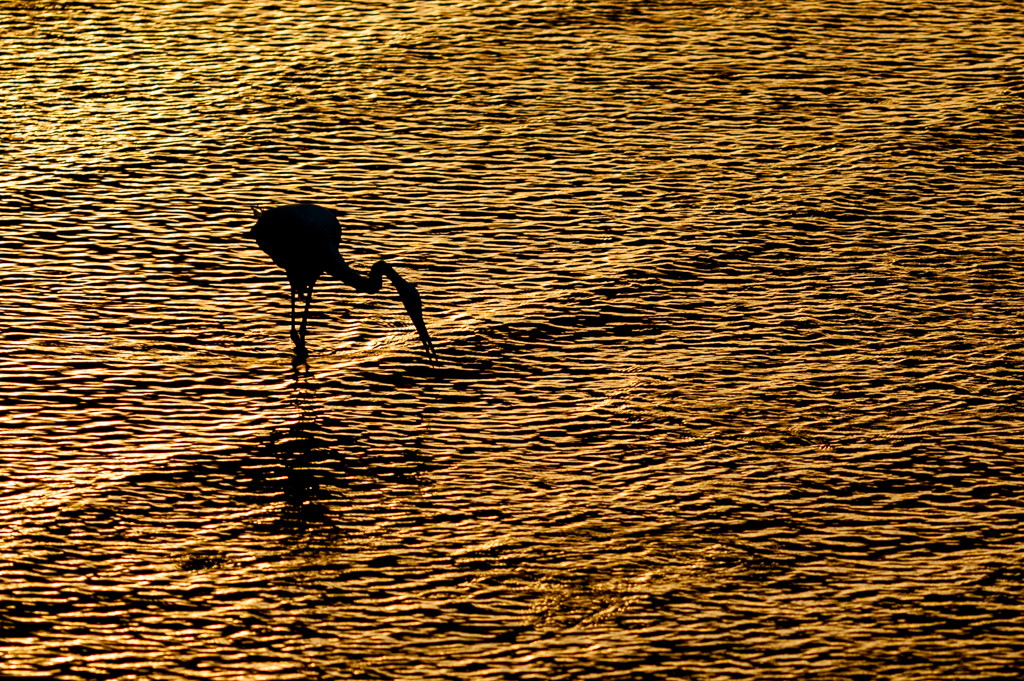
However, another way to stabilise your hand-held camera and lens is to use a photographer’s beanbag. This is usually filled with seeds, rice or beans and can be placed on the ground, on a post or rock and even on the roof or bonnet of a car. Your camera and lens are then nestled into the beanbag to give great stability. For the Little Egret image that I photographed, I placed the beanbag on the ground so that I was at eye-level with the bird. I was easily able to move my camera/lens and follow the bird until it spread its wings and pounced on the tiny fish in the water.

It can be quite tricky knowing when an animal will perform a particular behaviour. One of the crucial aspects of capturing great behavioural shots is to spend time beforehand researching the particular species you might wish to photograph. Having a bit of prior knowledge of the species’ behaviour gives you a much greater chance of predicting what it might do. I would also advise you observe the behaviour of each individual first. You can then wait patiently with your camera until something happens, with some chance of anticipating its patterns of behaviour. This is exactly what happened with a Lace Monitor I was photographing at Rocky Creek, in tropical North Queensland. I spent many hours, over period of a week, observing the behaviour of a male monitor on a property where I was staying. When another male appeared anywhere nearby, the subject I was photographing would often rear up in a territorial stance. So I waited, and as soon as the other male appeared, I had the camera ready and focussed on my subject.

A wildlife behaviour shot which is very popular with photographers, but often seems to be in the ‘too hard basket’, is a breaching whale. In Australia, there are quite a few whale- watching cruises which operate both on the east and west coasts of Australia. No one can guarantee if and when a whale will breach, but when it happens, knowing certain patterns the whales often follow increases the chance of getting great breach shots. Often when there is a breach, it will be followed soon after by more. By noting where the first breach occurs and then pointing your camera just in front of the breach (in the direction the whale is travelling), your chances of getting more breach shots are greatly increased. This happened on one of the whale photography workshops I presented recently. A calf breached and this was followed by a succession of over 20 more! Each and every participant managed to get a series of great shots of whales breaching, just by following this simple instruction.

Another challenge for the wildlife photographer is getting close enough to a subject without scaring it away. For wildlife which often visit one area, using a camouflaged hide is a good strategy. There are many portable hides on the market that are quite light and easy to set up. I recommend positioning the hide a reasonable distance from your subject and then leaving it a while. That way the subject can get used to it and continue with its normal behaviour. If you see the animal is taking no notice of the hide, move it closer still, until you’re at your desired distance. This is how I managed to shoot the rare and incredibly elusive Albert’s Lyrebird, in south-east Queensland. Without a hide, the lyrebird wouldn’t have ventured anywhere near me and my camera. Bear in mind that councils and conservation groups also set up established hides at some locations, often in parks where waterbirds frequent. These are also great spots to shoot from, as long as you’re prepared to exercise patience. Make sure you bring snacks, drinks, and warm clothes if the conditions are cool – and possibly a cushion for those hard wooden benches!

If you have a passion for African wildlife, nature or travel photography and would love to go on a specialised small-number, professional African photo safari, please get in touch with Michael Snedic at WildNature Photo Expeditions. You can call him on 0408 941 965 or fill in this Contact Form and he will get back to you ASAP.

Which Lens Is Best For Wildlife Photography?

Which Lens Is Best For Wildlife Photography?

Which Lens Is Best For Wildlife Photography

For the last 15 years, I have been presenting nature-based photography workshops and tours across Australia and the world, many of these specialising in wildlife. One of the most common questions I have been asked over the years has been “What is the best lens for wildlife photography”. There are many different factors and variables to take into account when choosing the ‘best’ lens, so below I have written some of the points to consider.

1. Weight of Lens

One of the major factors in deciding which lens to choose is the weight of it. Some photographers, for various reasons, simply can’t lug a heavy, cumbersome lens around. My advice is to physically pick up any lens (or lenses) you are interested in, to see if you are comfortable carrying it around for a reasonable length of time.

2. Minimum Aperture

One very important factor when deciding to buy a lens for wildlife photography is what the widest aperture is, when fully zoomed. For example, a 300mm 2.8 let’s in plenty of light and is especially useful in low light conditions, but it’s quite expensive and quite heavy. The Sigma or Tamron 150-600mm lenses have great focal lengths and much cheaper, but in low light, at a minimum aperture of 6.3 when zoomed out, they can struggle to give you the shutter speed you need. It’s all about weighing up options – weight, versus cost, versus minimum aperture.

3. Focusing Speed

It’s always beneficial to ‘test drive’ a lens you are interested in purchasing, whether you borrow a fellow-photographer’s lens or try one in a camera store. Speed of focusing can have a major impact on whether you end up ‘nailing’ that split-second shot of some amazing wildlife behaviour.

4. Is The Lens Waterproof

Sometimes, to get that special shot of wildlife, you need to be out in the elements. Rain, snow, sleet – they can all damage your lens if it’s not waterproof. If so, that’s great but if not, there are a number of different ‘raincovers’ that can be purchased to fit your specific lens. Definitely a worthwhile investment!

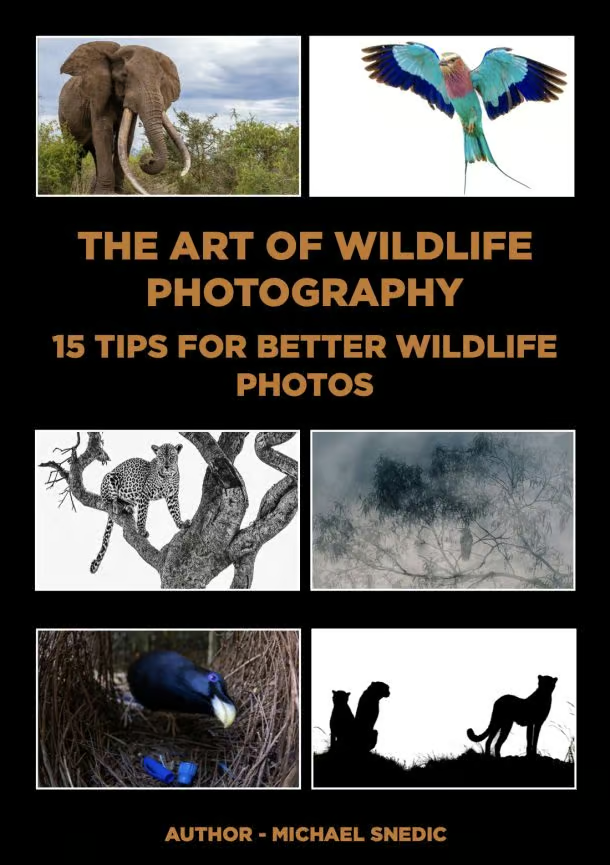
Would you like a FREE copy of my new Ebook?

Download Button

ebook The Art of Wildlife Photography by Michael Snedic July 2026 cover

You have Successfully Subscribed!