Photography Tips and Techniques – Frogs

Photography Tips and Techniques – Frogs

frog

Frog are, without doubt, one of the most beautiful groups of wildlife to photograph. There are countless species out there and they are found in a variety of different shapes, sizes and colours. Frogs have always been very popular photographic subjects, but unfortunately many photographers struggle with getting great shots. In this article, I am listing some of the proven techniques I have used over the past 21 years in achieving great frog shots.

Subtle Flash Is Best

I regularly see images of frogs (which are mostly taken at night) that are way too bright. This is due the photographer using incorrect flash techniques. I recommend using a macro or ring flash (or similar) and reduce the power of the flash if needed. If you are using a conventional flash that sits on your camera’s hot shoe, I would suggest using a diffuser on the flash, to reduce the intensity of the light emitted. This will eliminate any harsh light from being thrown directly onto the frog, causing unsightly overblown areas.

Using Correct Depth-Of-Field

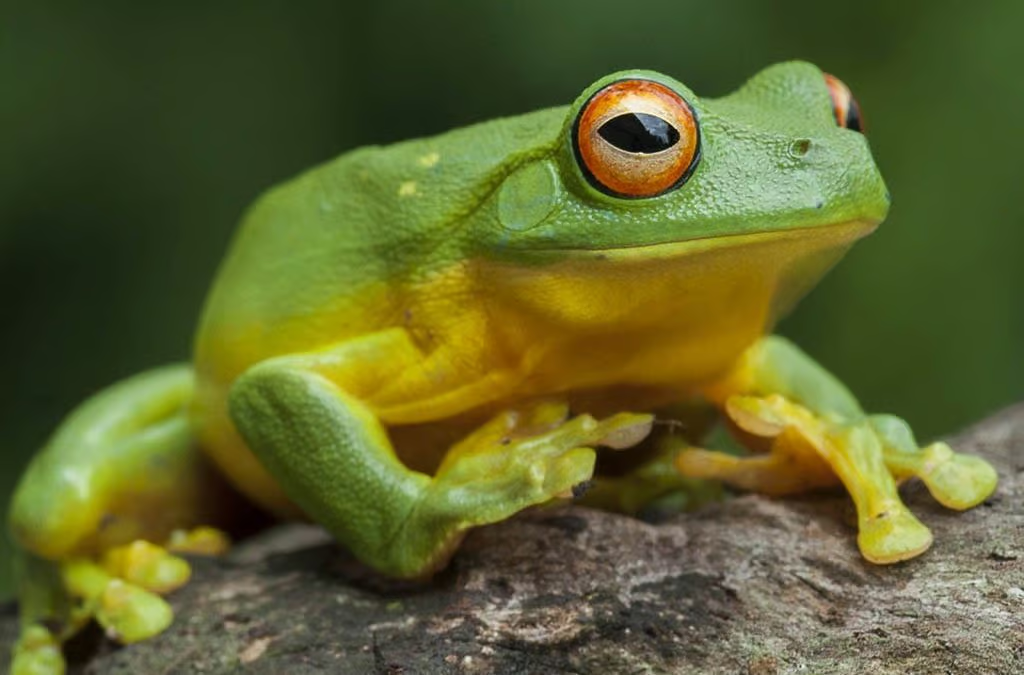
If the frog you are photographing is positioned front-on to you, I like to make sure that at least the head (especially the eyes) of the frog are in focus, as well as the toes and legs. The back of the body can be out of focus, as this draws the eye of the viewer towards the most important parts. In some cases, where a frog has beautiful eyes, such as the Red-eyed Green Tree Frog shown above, it’s also okay to focus on just the eyes and front of head, to showcase this feature, while the rest of the body is blurred.

Busy Backgrounds

A busy, cluttered background can be quite distracting in a photo featuring a frog. It’s not always possible to choose where the frog will be, so using shallow depth-of-field will help you blur the background out.

In situations where there are are quite a few frogs around, I suggest choosing one individual that is on its own and separated from the background, so that it stands out.

Best Time To Photograph Frogs

Depending on where you live, there can be quite a few opportunities to photograph frogs. In Queensland, Australia, where I live, there are quite a few frogs around and obviously the warmer and wetter it is, the more frogs you will find. In places like Lamington National Park, Red-eyed Green Tree Frogs are easily found in the small ponds at night time.

In Far North Queensland, where its warmer for longer and much more humid, there are lots more frogs, both in numbers and species. Many people have resident frogs living in and around there homes.

There are also various ‘frog clubs’ around, which are worth joining. They often have expert enthusiasts who not only know the different species and their calls, but also where to find them.

If you haven’t tried photographing frogs before, why not give it a try? After 21 years of photographing them, I still get satisfaction photographing these wonderful creatures.

If you have a passion for African wildlife, nature or travel photography and would love to go on a specialised small-number, professional African photo safari, please get in touch with Michael Snedic at WildNature Photo Expeditions. You can call him on 0408 941 965 or fill in this Contact Form and he will get back to you ASAP.
Photography Competition Tips – Wildlife

Photography Competition Tips – Wildlife

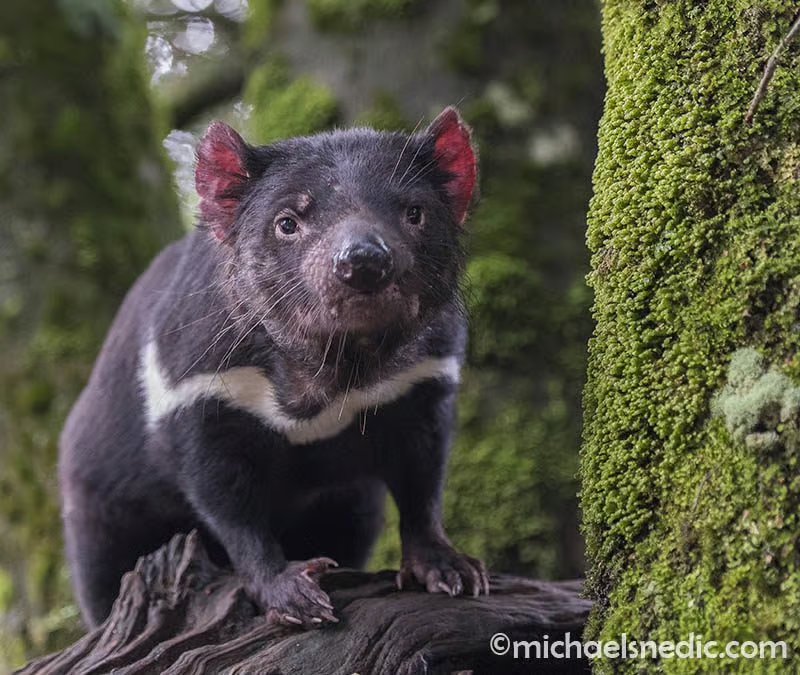
Tasmanian Devil

As a photography competition judge for the last 10+ years, I have seen an incredible number of entries come my way, with many shots potential winners, had it not been for certain aspects that made the entries lose that chance to progress through to the end. In this article, I have written some helpful advice that will increase your chances of going all the way with your entries!

Read The Rules Carefully!!

Its hard to fathom how often amazing images are instantly disqualified, simply due to the fact that the entrant hasn’t read the rules!!

So often, I see beautiful images entered into photography competitions that could potentially do really well, but they are entered into the wrong category! Sadly, that’s instant disqualification…. In some cases, I’ve seen images entered into ‘wildlife’ yet the subject will be a dog or other domestic animal. In other examples, where its clearly states that cloning in Photoshop isn’t allowed, photographers have blatantly done this. This is why many photography competitions ask for RAW files, which show the original file that hasn’t been manipulated.

Quite simply, READ THE RULES. Read them carefully, read them again and if you are uncertain about any of the points, contact the competition organisers and ask some questions.

Don’t Emulate Last Year’s Winners

Year after year, I see photographers trying to ‘copy’ the winner of the previous year’s photo competition. Quite simply, this won’t work, as it has already been done… You need to look at new ideas that will catch the eye of the judge(s).

Watch Your Background

A distracting background is the last thing you want when showcasing a particular subject. Smooth, clear backgrounds for many wildlife subjects are recommended and won’t lead your eyes away towards something in the background that is overblown or brightly-coloured.

Also, the last thing you want is for trees, poles or other objects to stick out behind the head of your wildlife subject. I have often seen during the photography workshops I present, that participants get really ‘into’ photographing a subject and forget to look at the background.

Think Outside The Box

Composition is a key part of creating an interesting shot of wildlife, so think about trying different angles and focal lengths that are normally considered outside the ‘norm’. The key is originality!

Images Must Be Sharp

An image that isn’t pin-sharp won’t even get past the first round of judging. If you look at the images you are planning to enter into a competition, and they look a tad ‘soft’, then relegate them to the trash bin… Unsharp images will never win a photography competition. With wildlife, its also paramount to focus on the eyes.

Never, Ever Give Up

You may have entered plenty of photos into competitions in the past, but never, ever give up. Keep photographing, keep entering and eventually, all of your hard work could pay off.

If you have a passion for African wildlife, nature or travel photography and would love to go on a specialised small-number, professional African photo safari, please get in touch with Michael Snedic at WildNature Photo Expeditions. You can call him on 0408 941 965 or fill in this Contact Form and he will get back to you ASAP.
Getting It Right In Camera

Getting It Right In Camera

Getting It Right In Camera

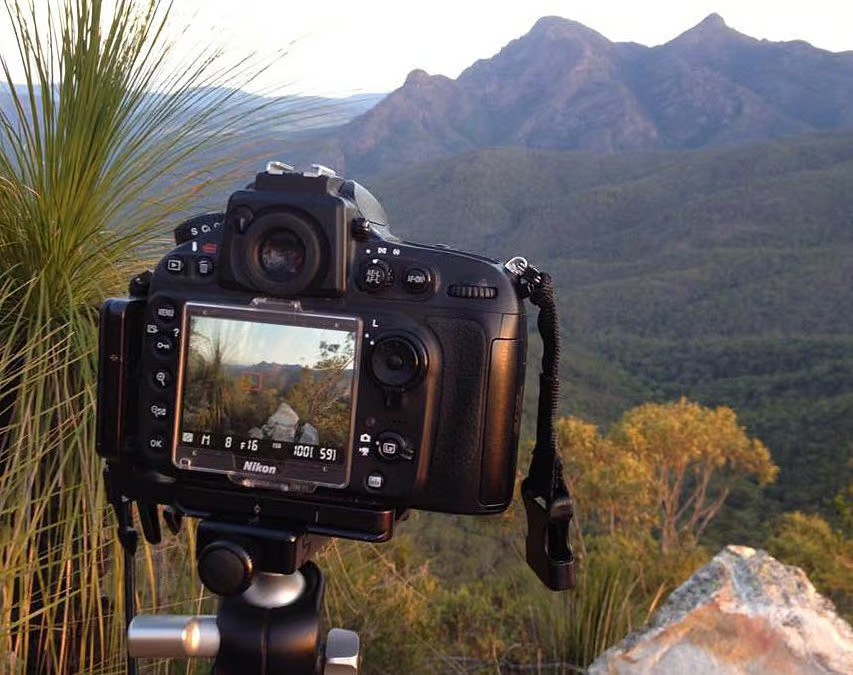
One of the most important things I have been teaching photography workshop participants over the last 15 years is to make sure they ‘Get It Right In Camera’. Sure, there are lots of great post-processing programs out there that you can use to develop images, but it’s important to make sure you have a decent image to start with in the first place.

Sharpening Blurry Images Is Impossible
If an image is blurry due to a low shutter, the chances of correcting that image are near-impossible in post-processing. Images can be sharpened but no amount of computer work can ‘fix’ an image that’s blurry from the start. Learning the correct settings and techniques from the start is an important part of photography.

Overblown Images
Over- exposure is difficult to correct in post-processing. A small amount of over or under exposure can be adjusted in Photoshop or Lightroom (especially when shooting in RAW), but no amount of manipulating will improve an over-exposed image. When an area is over-blown, it’s difficult fixing the problem when post-processing. Learn to use the appropriate exposure settings, then once you are comfortable with those settings, the number of properly-exposed images will increase.

Natural Lighting Versus HDR Merging
In landscape photography, there is a technique that some photographers use that blends over and under-exposed areas in the one shot. This is known as merging using HDR (High Dynamic Range), where you take a number of images at different exposures and then blend them on the computer, using one of the numerous HDR programs on the market. The issue I have with this method is that so often the images are over-processed by photographers, giving them a ‘fake’ look. I don’t have an issue with photographers using HDR merging techniques, but it’s imperative to process carefully to achieve optimum image results. Personally, I don’t use HDR and work to ‘get it right in camera’. I prefer to scout the best locations, look at weather forecasts, then head on out to photograph at the best times of the day. This is often at sunrise or sunset, or on a cloudy day if photographing in a rainforest, where diffused light is always best.

At the end of my photography workshops and tours, I often make this comment:

“I always prefer to ‘get it right in camera’ and spend quality time outdoors, than to sit behind a computer post-processing images that were shot poorly in the first place”.

If you have a passion for African wildlife, nature or travel photography and would love to go on a specialised small-number, professional African photo safari, please get in touch with Michael Snedic at WildNature Photo Expeditions. You can call him on 0408 941 965 or fill in this Contact Form and he will get back to you ASAP.
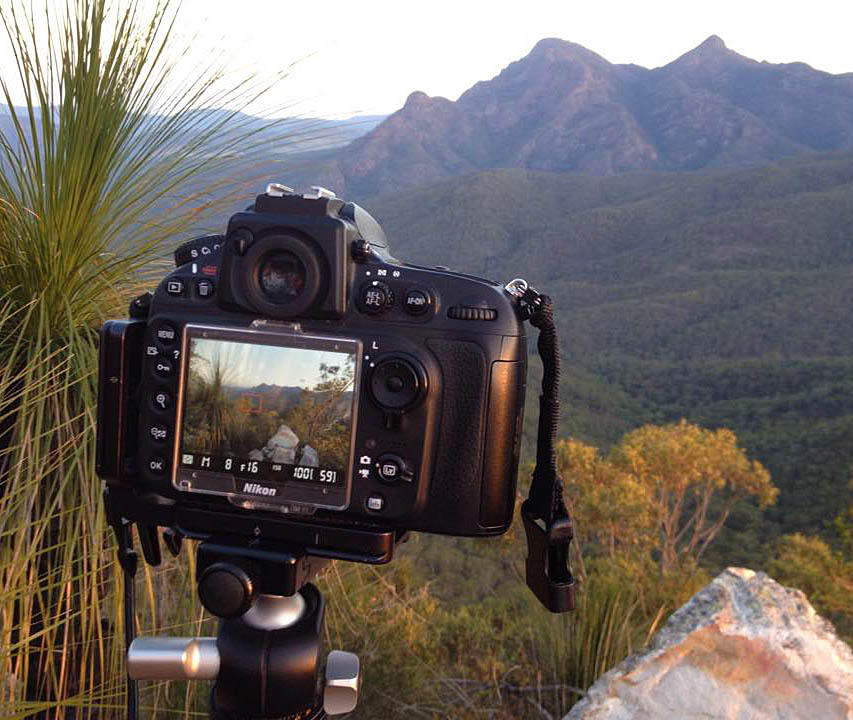
Nature Photo Walk Report

Nature Photo Walk Report

Nature Photo Walk attendees

Recently, I presented a free ‘Nature Photo Walk’ at the Mt Coot-tha Botanic Gardens in Toowong, Queensland. It was great to see participants so very keen, with lots of photography-related questions. I basically concentrated on wildlife and macro photography techniques and even though I initially didn’t intend to make this a structured photography workshop, I ended up giving some sessions to the very keen group!

Subjects covered included recommended apertures, depth-of-field, suggested shutter speeds, focal styles, focus points, lighting, metering, composition and lots more.

It was great to have photographers take notes and absorb the information given, then practise those techniques. I was there to help with any issues or questions people had and to also make sure they were on the right path.

If you have a passion for African wildlife, nature or travel photography and would love to go on a specialised small-number, professional African photo safari, please get in touch with Michael Snedic at WildNature Photo Expeditions. You can call him on 0408 941 965 or fill in this Contact Form and he will get back to you ASAP.

20 Day Antarctic / South Georgia / Falklands Photography Expedition

With Michael Snedic 

23 November - 12 December 2017


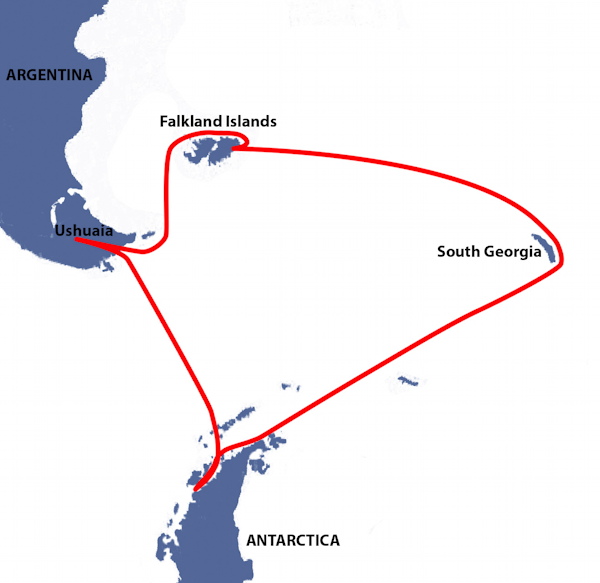
On this 20-day photographic adventure we will explore the wildlife paradises of South Georgia and the Falkland Islands before visiting the amazing Antarctic Peninsula.

Our 2016 Antarctic workshop spent most of its time working along the coast of the Antarctic Peninsula. This 2017 workshop will revisit some of the highlights of the Peninsula, but the wildlife (and scenery) of South Georgia puts this adventure in a class of its own, and we’ll be visiting the island in one of the peak times for wildlife activity.

We will have a maximum of 9 photographers on this expedition, being led by professional nature photographer and tutor, Michael Snedic. Photographers of all experience levels are welcome. Michael will be guiding you and supporting your photography during the expedition. Not just in taking photographs in the field, but also in reviewing and critiquing your photos along the way.

You might also be interested in Michael's upcoming 11-day Antarctica Photography Expedition, also departing from Ushuaia, Argentina or his upcoming 13-day Subantarctic Islands Photography Tour, commencing in New Zealand before heading out to sea.

Contact Michael Snedic directly
on +61 408 941 965

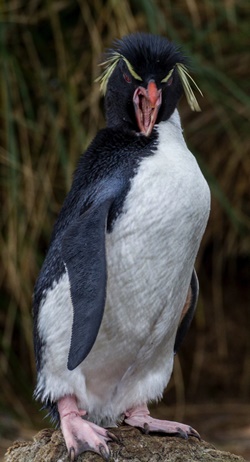
Rockhopper Penguin © David BurrenRockhopper Penguin © David Burren

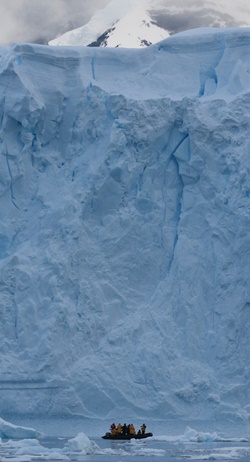
Photographers and iceberg © David BurrenTowering iceberg © David Burren

Your 
Experienced Photography 
Leader

On this expedition you will have access every day to professional nature photographer and instructor, Michael Snedic. He will be there to help you photograph the stunning scenery and wildlife we will encounter. We will be conducting a series of classes throughout the voyage, as well as being on-hand throughout the outings.

As a full-time professional, Michael is an accredited member of the Australian Institute of Professional Photographers (AIPP). As well as being experienced an photographer, he is an experienced photographic tutors, with 15 years experience presenting photography expeditions and adventures across the globe.

Michael Snedic

Michael Snedic is an experienced (21 years) and widely-published photographer, writer and photo expedition leader. His photography articles and images have featured in numerous publications in Australia and across the world.

Michael is owner of WildNature Photo Expeditions and presents exciting photography workshops and tours to many extraordinary wild places across the globe. He is also an Australian Ambassador for LensCoat and the Nature Conservancy Australia. Michael loves sharing his photographic knowledge and passion with workshop participants, helping them improve their photographic skills.

Australian Institute of Professional Photography

Nature Conservancy

LensCoat

Itinerary:

Our itineraries are always subject to weather conditions, but the basic plan is as follows:

Day 1 (23 November)

We start in Buenos Aires, meeting up at our hotel (included in the package).

Day 20 (12 December) – Ushuaia and Buenos Aires

After breakfast we leave the ship, and have a little time to explore Ushuaia again before we take our charter flight back to Buenos Aires and your connections home.

Close Penguin Encounter - Antarctica © Michael Snedic © Michael Snedic

Day 3 – at sea

On our way towards the Falklands, our day is full of preparatory activities aboard the ship. We will also be keeping our eyes open for wildlife such as albatrosses.

Days 4-5 – Falkland Islands

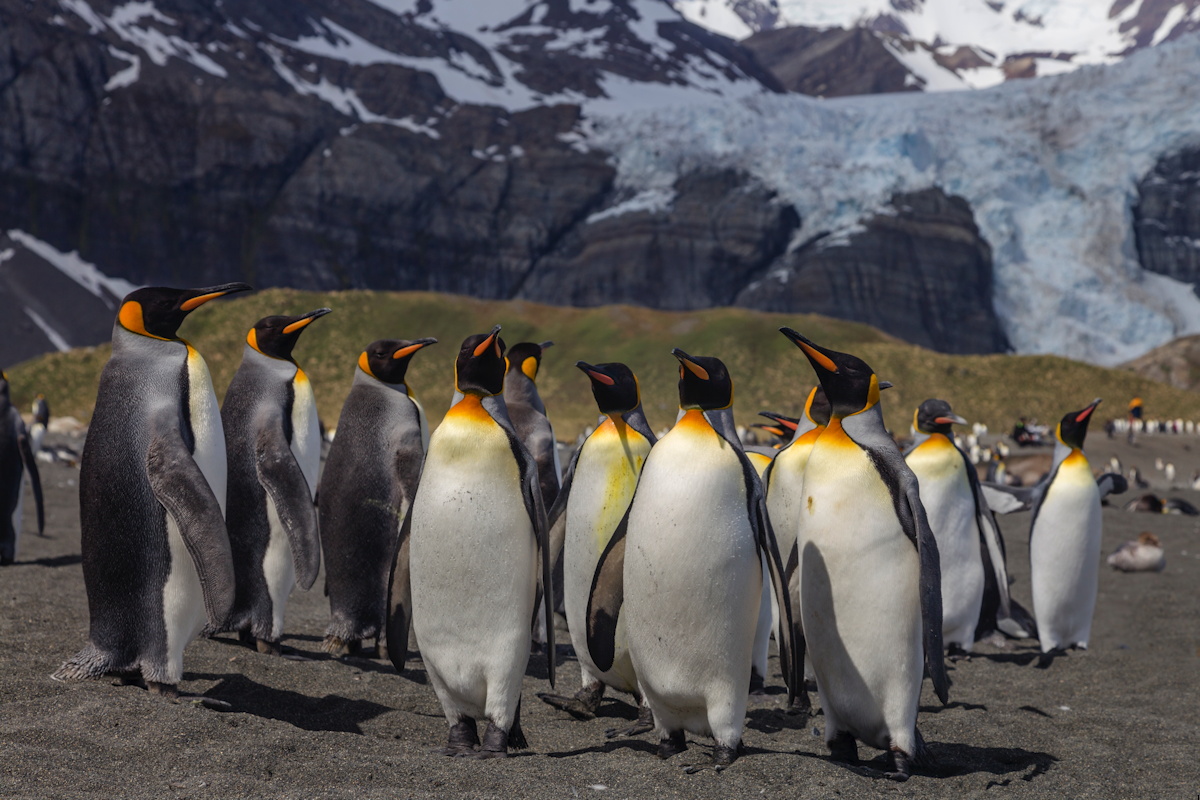
The Falklands are a fascinating group of islands full of wildlife, which we will explore by Zodiac excursions and landings. Here we expect to see Gentoo, Rockhopper, Magellanic, and hopefully King Penguins, along with a range of other birds and mammals. As well as visiting islands (many of which are working farms), we visit the charming capital of Port Stanley.

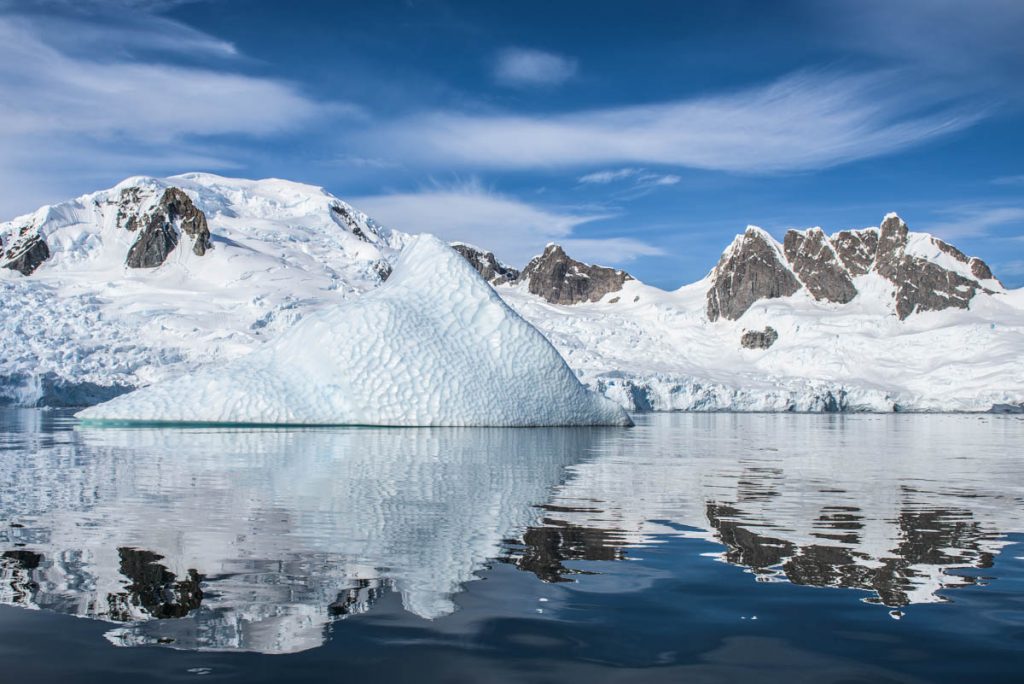
Icebergs - Antarctica © Michael Snedic © Michael Snedic

Days 6-7 – at sea

Having left the Falklands behind, we continue towards South Georgia. Our days won’t be quite as busy as when we have landings, but we have plenty of on-board activities to get through, including more photography. Along the way we will cross the Antarctic Convergence into colder Antarctic waters.

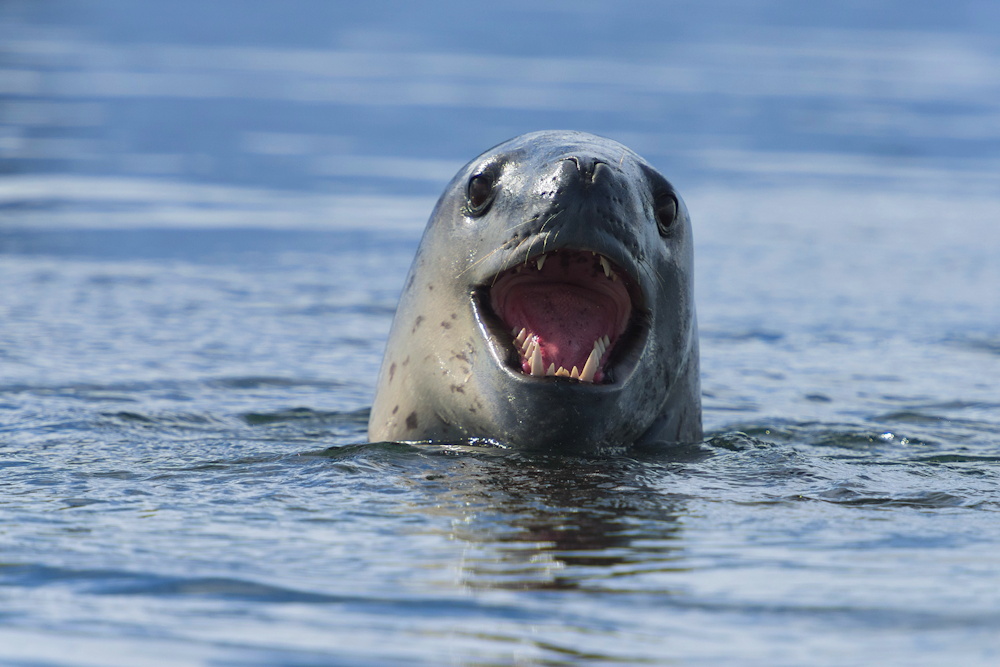
Close seal experience in Antarctica © Michael Snedic

Days 8-11 – South Georgia

South Georgia is a wildlife haven, as the breeding site for animals from all over the Southern Ocean. King and Gentoo Penguins, nesting albatrosses, as well as fur seals and the huge Southern Elephant Seals are all examples which we will be meeting on land, with multiple landings per day. More than half of the world’s Elephant Seals breed here, along with more than 100,000 King Penguins.

As well as its amazing wildlife, there’s a lot of human history on the island, including the remnants of sealing and whaling industries. Visiting the grave of the explorer Sir Ernest Shackelton at Grytviken is a highlight for many people.

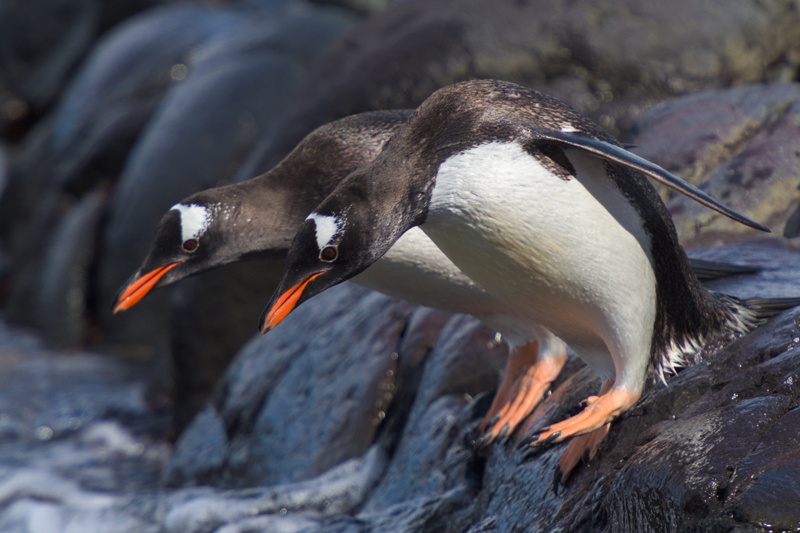
Gentoo Penguins © Michael Snedic © Michael Snedic

Days 12-13 – at sea

Now we leave the subantarctic islands and wildlife behind, and head towards Antarctic proper.

Days 14-17 – South Shetland Islands and Antarctic Peninsula

You’ve arrived in Antarctica! Snow, glaciers, icebergs, mountains, penguins, whales, it’s all amazing. The scale of the environment is literally breathtaking, and you will take away photographs and memories you will never forget. We explore many islands as well as landing on the continent itself.

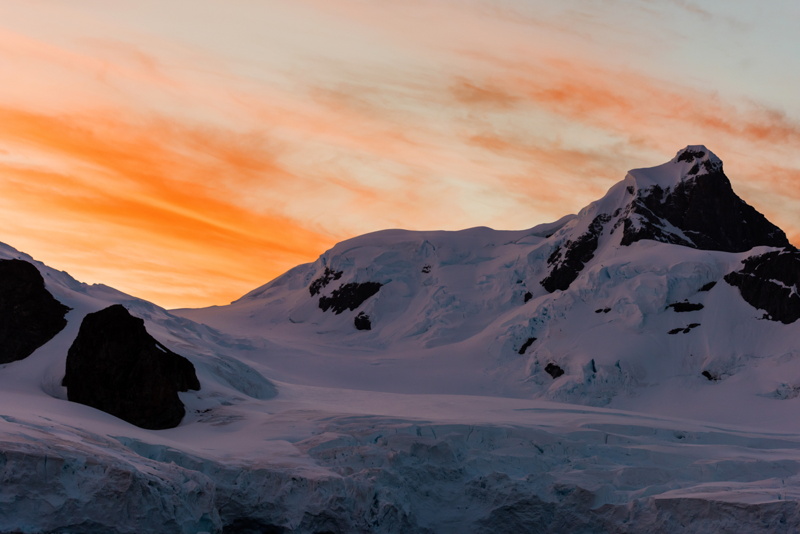
Sunset in Antarctica © Michael Snedic © Michael Snedic

Day 18-19 – Drake Passage

After more than two weeks of wildlife encounters, we start our journey home (depending on the weather we still hope to see birds such as albatrosses).

Day 20 (12 December) – Ushuaia and Buenos Aires

After breakfast we leave the ship, and have a little time to explore Ushuaia again before we take our charter flight back to Buenos Aires and your connections home.

Adele penguin - Antarctica © Michael Snedic © Michael Snedic

Health and Fitness

Anyone in normal good health can join us on this adventure. There are no special tness requirements, although we will be often climbing into and out of the in atable Zodiac boats, and walking on shore.

The ship has a doctor and basic medical facilities on board. If you have specific health concerns or dietary requirements these should be discussed with our booking sta .

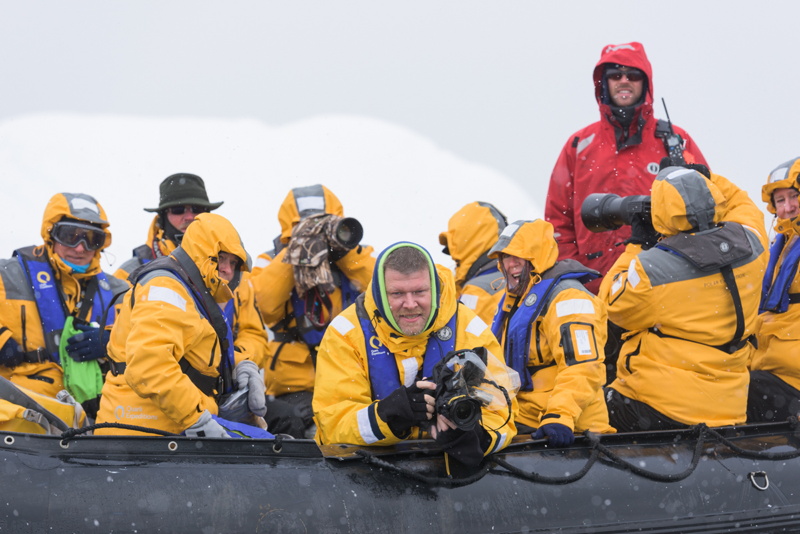
Antarctica Photo Expedition participants in zodiac © Michael Snedic

Our Ship

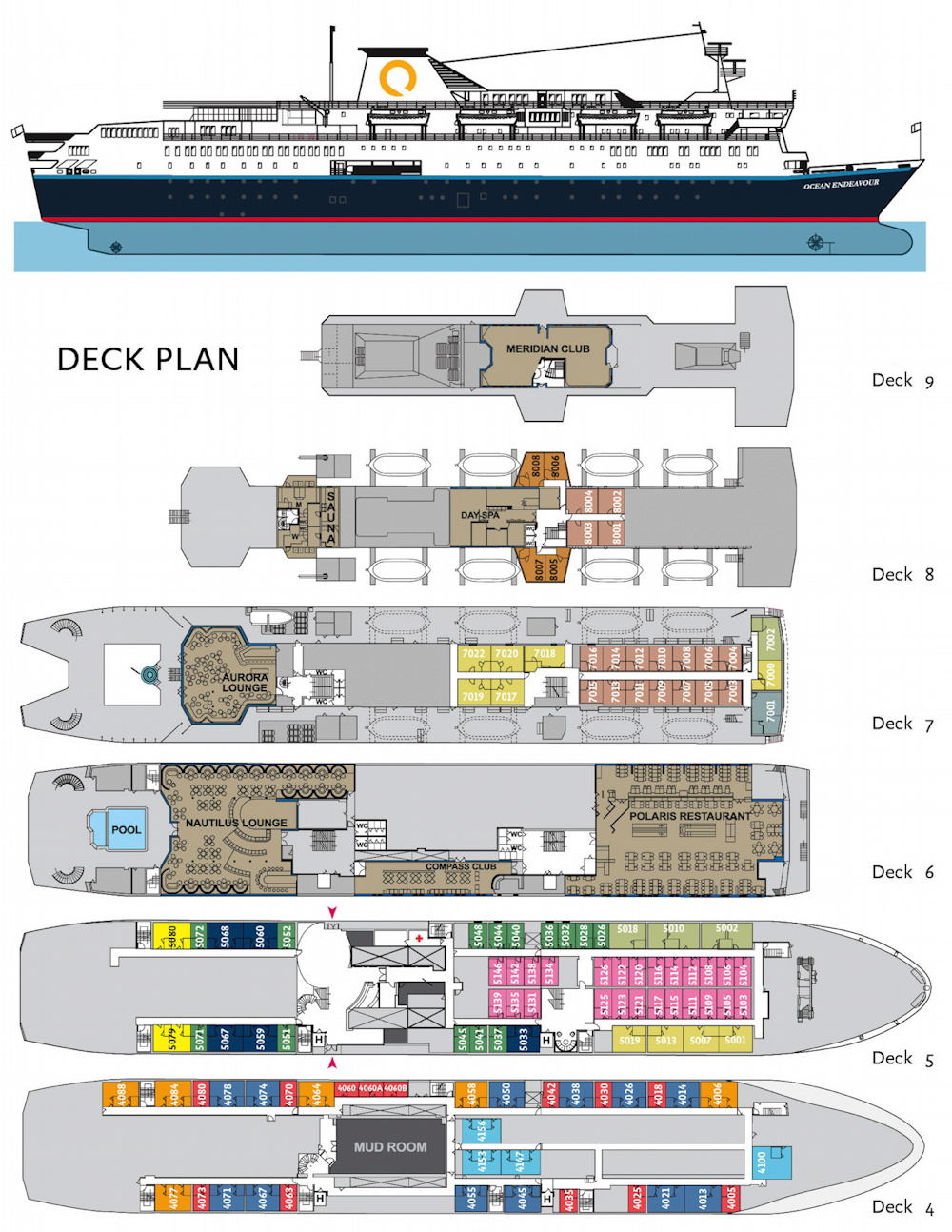
The Ocean Endeavour is a great expedition ship, with plenty of vantage points for scenic and wildlife photography from all around the ship. Along with our group the voyage will also have non-photographer passengers and while we will be mingling with them and sharing the ship and the general Antarctic experience, the photographic advice/instruction will be for our group.

On Zodiac outings we usually operate as a group with our own boat, where Michael will always be with you to provide photographic guidance. We work closely with the Quark expedition team throughout (and before) the voyage to optimise operations on both sides to help everyone.

The ship is quite spacious, and is very well appointed. You won’t be roughing it!

Deck plan

Owner’s Suite:$40 050Endeavour_Owners

Cabin Cost Decks Key
Triple (interior): $19 350 4 Endeavour_Triple
Single (interior): $27 250 5 Endeavour_Single
Twin Porthole: $27 250 4 Endeavour_TwinPort
Twin Window: $24 610 5 Endeavour_TwinWin
Twin Porthole Plus: $27 075 4 Endeavour_TwinPortPlus1Endeavour_TwinPortPlus2
Upper Deck Twin: $27 090 7,8 Endeavour_UpperTwin
Superior Twin: $27 650 5,7 Endeavour_SuperiorTwin
Top Deck Twin: $28 770 8 Endeavour_TopTwin
Twin Window Plus: $29 330 5 Endeavour_TwinWinPlus1Endeavour_TwinWinPlus2
Junior Suite: $30 930 5,7 Endeavour_Junior

These prices are in AU dollars per person. A 5% deposit is required to secure your place, with the balance due in mid-August 2017.

Prices

The trip is being put together with our partners at Peregrine Expeditions, and they take care of the bookings and travel arrangements for us, while we run the photography program. The ship has a wide variety of cabin classes, and your choice of berth type directly impacts the price of your ticket.

A $500 discount is available for non-photographer partners.

When you book a single berth in a twin cabin, we do try to allocate cabins so you share with another member of our photography group.

Inclusions

  • Photography tuition throughout the expedition.
  • Hotel accommodation in Buenos Aires on day 1.
  • Flights between Buenos Aires and Ushuaia on days 2 and 20.
  • Shipboard accommodation.
  • All breakfasts, lunches and dinners onboard.
    Coffee, tea, cocoa available around the clock.
  • All ship-based excursions.
  • Pre- and post-departure materials.

Exclusions

  • Airfares and other travel expenses to/from Buenos Aires.
  • Passport/visa expenses.
  • Personal/travel insurance coverage.
    Peregrine will discuss with you the required insurance coverage (due to the remoteness of our destination).
  • Onboard bar, laundry, and telecommunications charges. Limited internet access is usually available onboard.

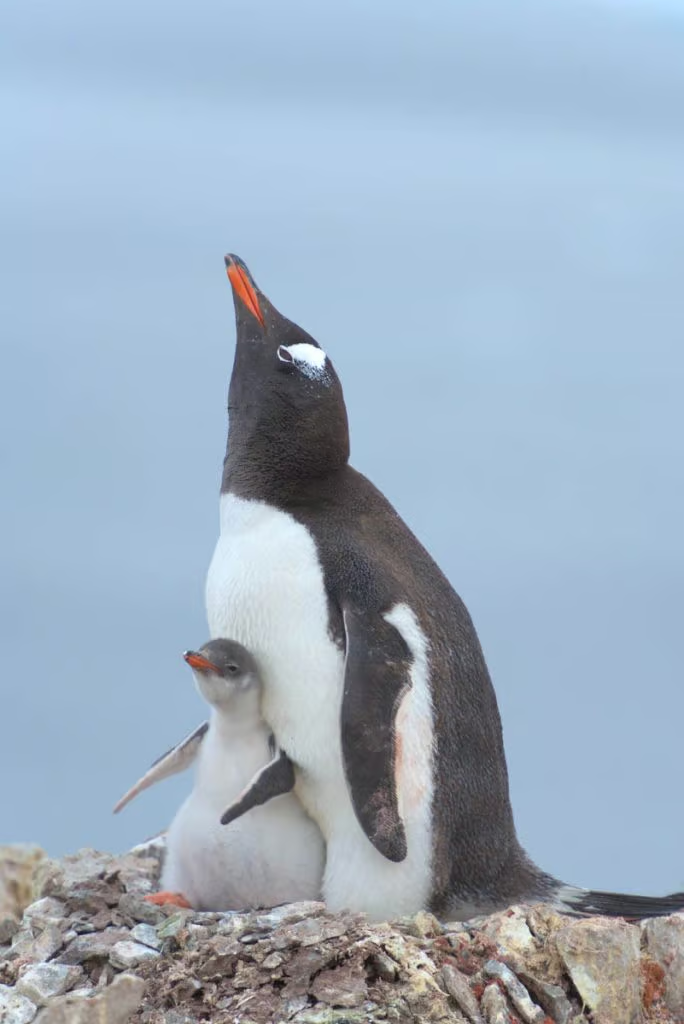
Gentoo Pengion with chick - Antarctica © Michael Snedic © Michael Snedic

How to book

To reserve your place, to get onto the waitlist once it’s booked (there are sometimes cancellations in the long lead-up to these expeditions) or just to ask more questions about the workshop, contact Michael.

Please note: If minimum numbers aren't reach (9 participants), this Photo Expedition will still go ahead with Michael Snedic as the Photo Expedition Leader

For more details, contact Michael Snedic either via his Contact Form or by calling +61 408 941 965.

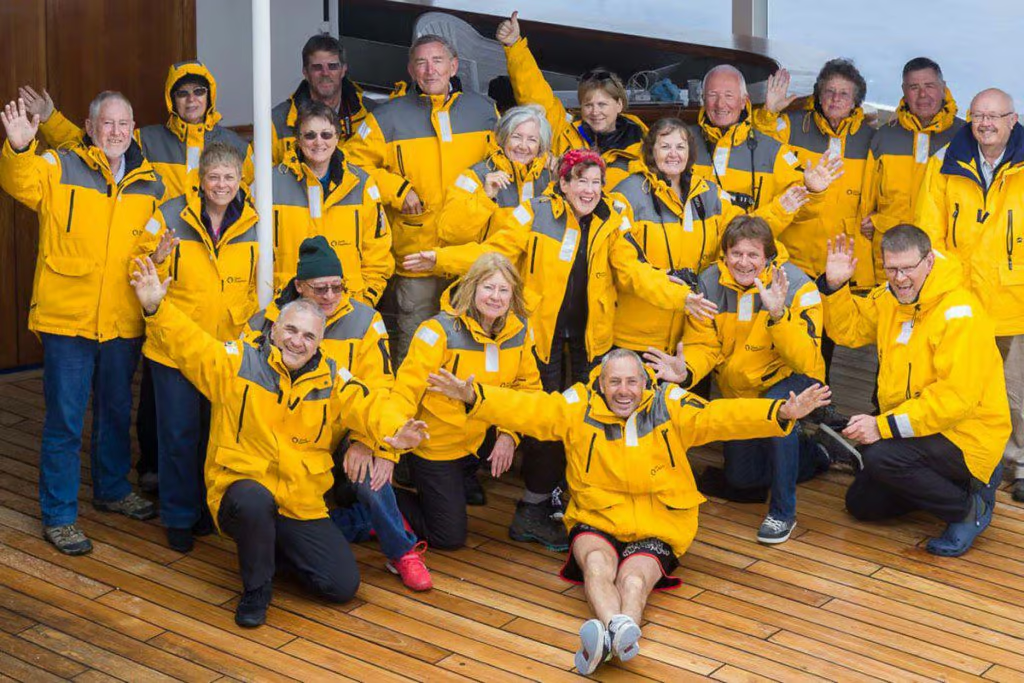
Participants 2 in Antarctica © David Burren
© David Burren
Peregrine

Would you like a FREE copy of my new Ebook?

Download Button

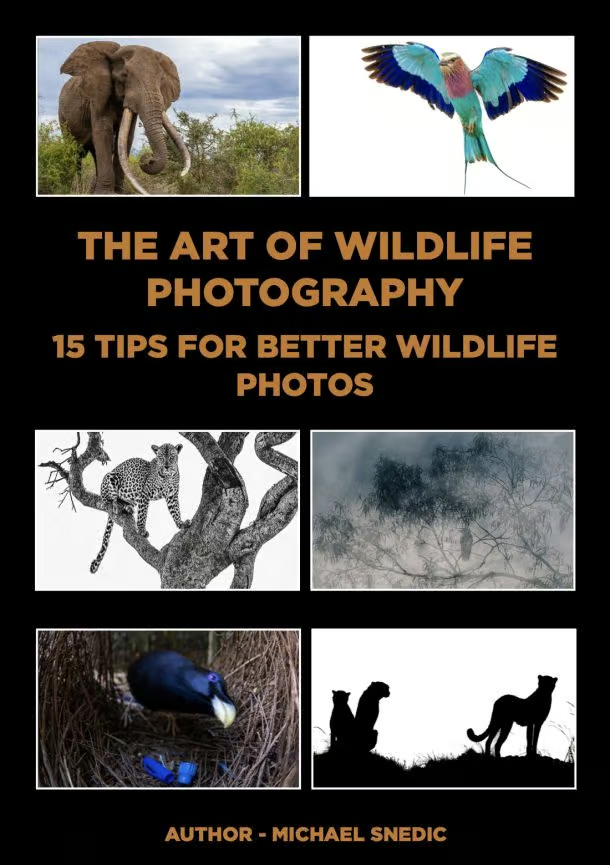
ebook The Art of Wildlife Photography by Michael Snedic July 2026 cover

You have Successfully Subscribed!