3 Day Bird Photography Workshop – Lamington N.P. – Queensland

3 Day Bird Photography Workshop – Lamington N.P. – Queensland

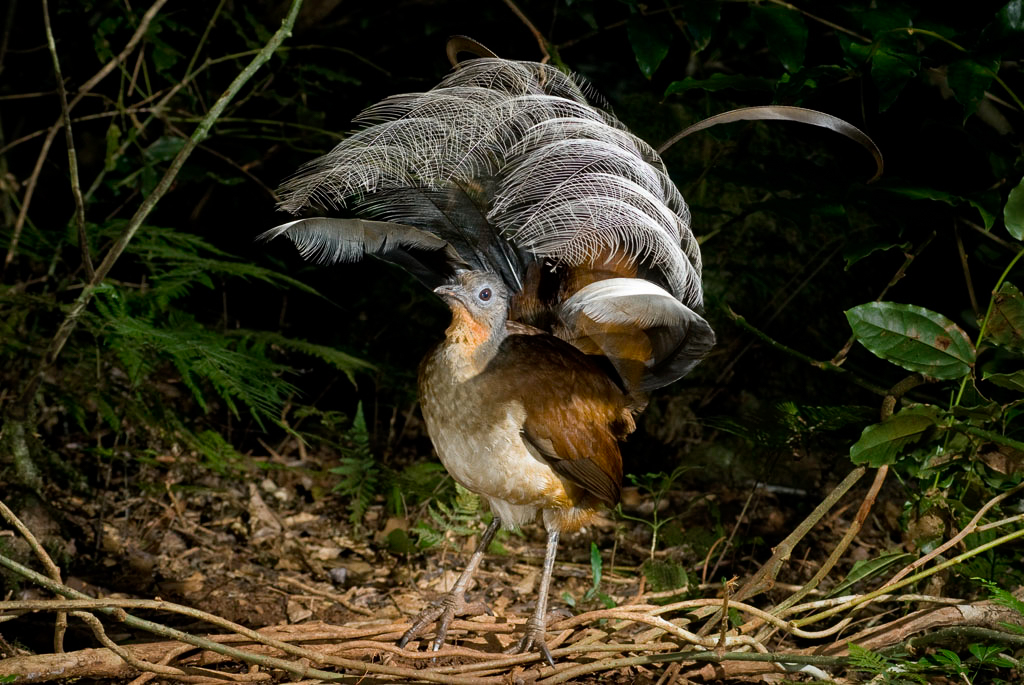
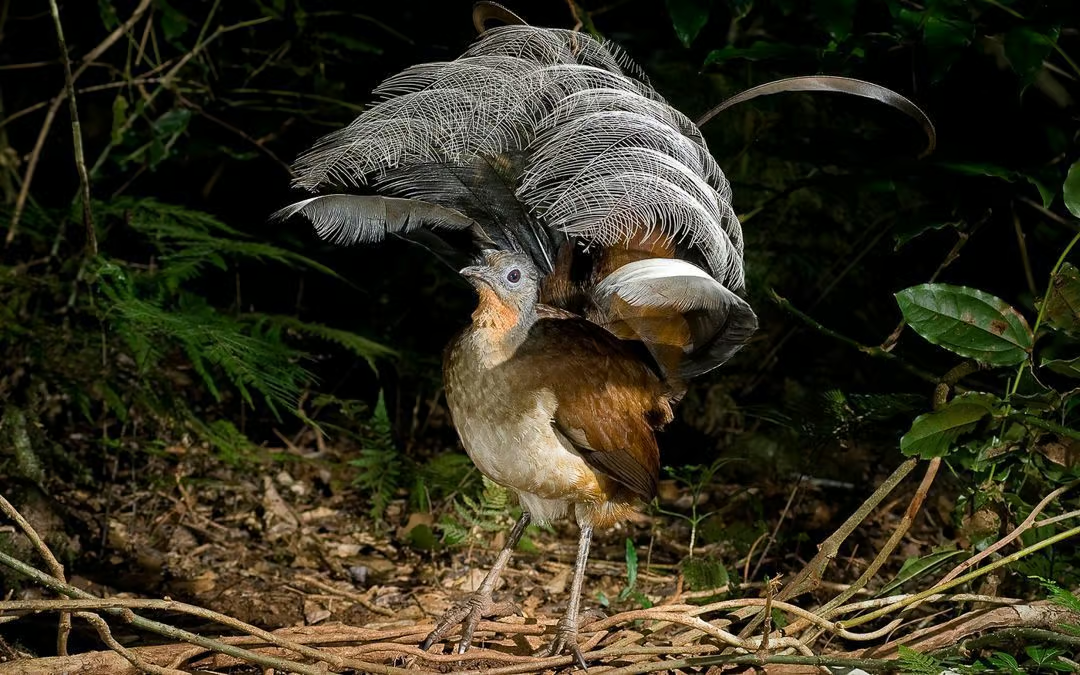
Albert's Lyrebird

Tuesday 8th to Thursday 10th of December 2026

Get to know your digital camera in one of Australia’s most stunning natural environments!

 This workshop is designed to teach participants skills in all facets of bird photography, including composition, lighting, exposure, aperture/shutter speed/ISO, depth of field and much more.

 Michael caters for all levels of experience and is very encouraging to beginners.  Lamington National Park is full of photographic opportunities and is home to a huge array of varied bird species. 

Michael’s extensive photographic knowledge and tuition skills means you will have an opportunity to learn plenty of valuable photographic tips, with like-minded people and in the most tranquil, beautiful surroundings.
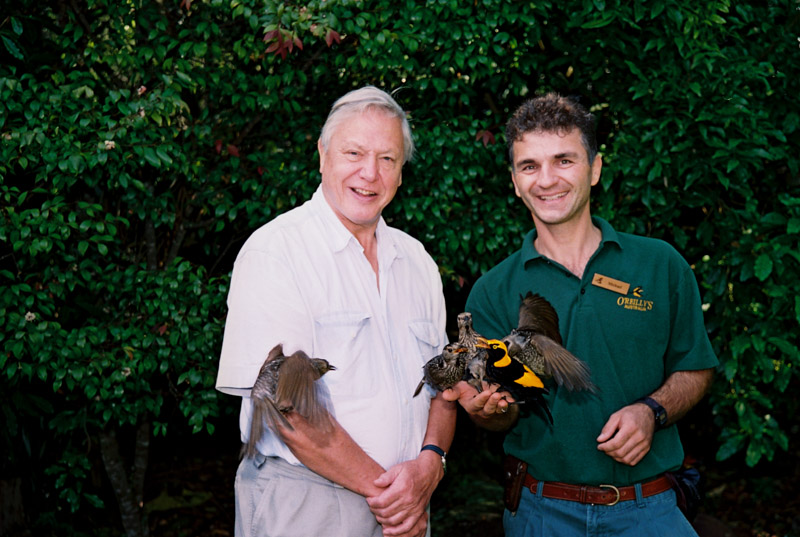
Michael Snedic assisting Sir David Attenborough at O’Reilly’s, in Lamington National Park.
Michael Snedic assisting Sir David Attenborough many years ago, at O’Reilly’s Rainforest Retreat, in Lamington National Park 

Where:

Lamington National Park/O'Reilly's Rainforest Retreat, Queensland

When:

 Dates: Tuesday 8th to Thursday 10th of December 2026

         Start:  10 am Tuesday

         Finish: 12 noon Thursday (early start)


Eastern Spinebill

Price:

$AU1465 (plus GST) 

NB - Couples sharing will receive a discounted price (Please contact Michael for details)
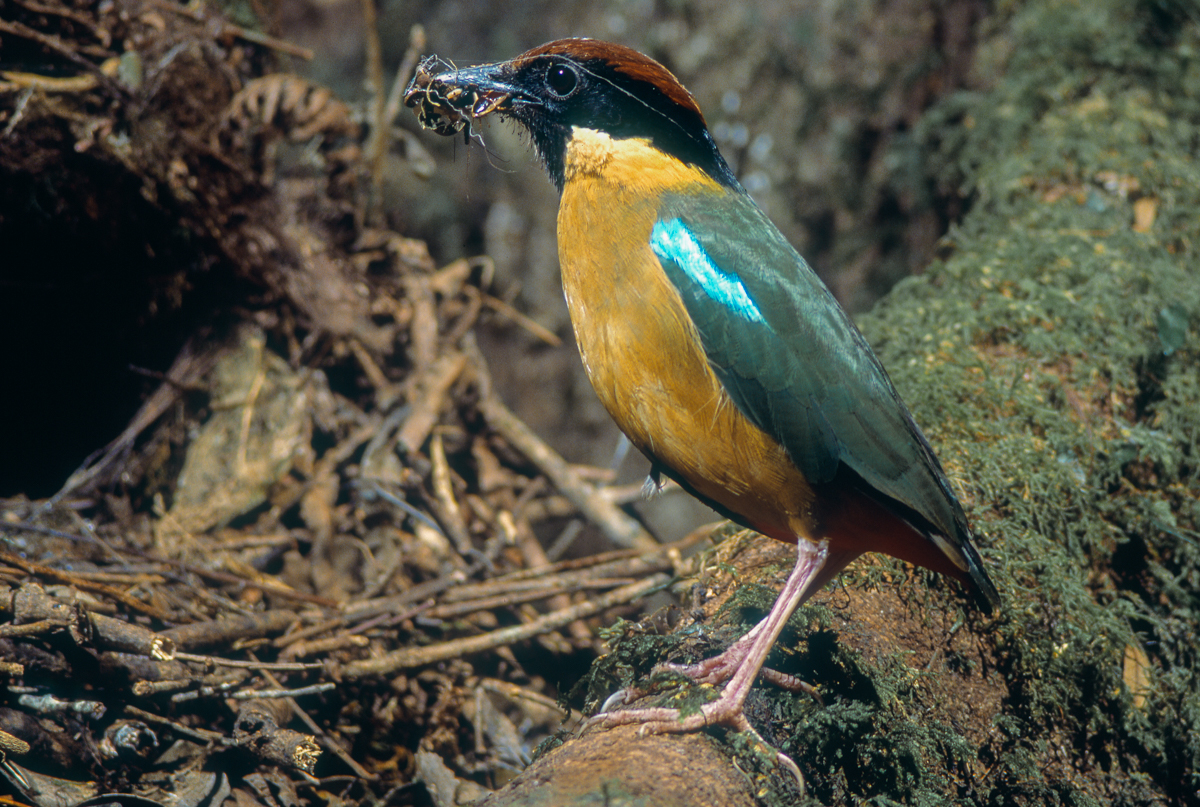
 

Noisy Pitta

Contact Michael Snedic directly
on +61 408 941 965

Michael Snedic’s O’Reilly’s and Lamington National Park Experience:

Michael spent five years working as a nature guide for O’Reilly’s Rainforest Retreat, in Lamington National Park and knows the area, and its natural fauna and flora, extremely well. Michael was also mentored here in photography by renowned wildlife and nature photographer and documentary-maker, Glen Threlfo. He has been presenting photo workshops and tours at O’Reilly’s and Lamington National Park for the last twelve years. Michael's years of local experience, plus 20 years as a professional photography tutor, will guarantee you will not only be shown the BEST bird locations in Lamington, but you will be shown the best ways to photograph them.

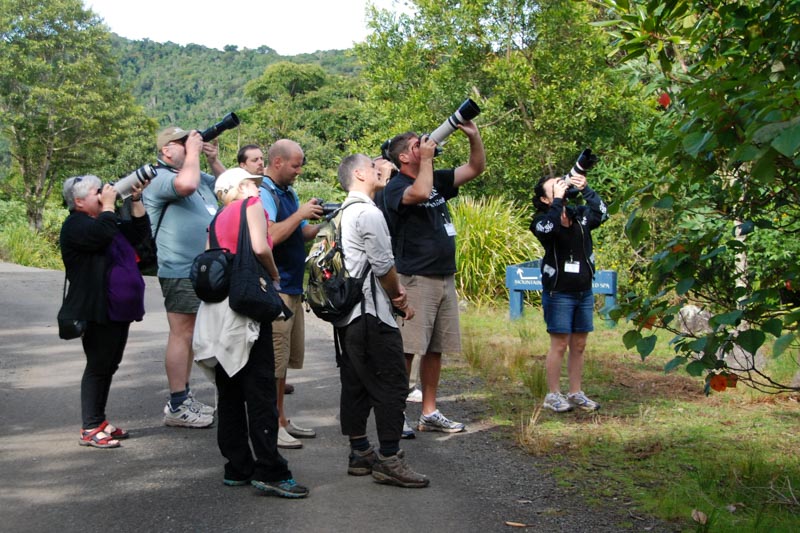
Michael instructing Jim

Testimonial

I have just completed Michael's Lamington National Park workshop. It was excellent, the retreat was lovely and then we had all the wonderful photography opportunities. We were able to visit some beautiful places, saw lots of different birds including the Alberts Lyrebird, the Satin Bower Bird doing his courting dance for the female and many others. Michael was very patient teaching us, I learnt how to successfully photograph in low light, I'm quite proud of a couple of my photos with water flowing. I tried macro photography which I haven't done before and was quite surprised by the results. Michael takes the time to explain how to set up your settings to achieve the best results for such a wide variety of subjects, time of day etc and is then happy to review the results and suggest things that can be altered to potentially improve when required. I would 100% recommend this workshop, in fact I'd like to do it again potentially the March one to see the difference in the wildlife and scenery at that time of year and build on my photography skills with Michael's help. Thank you.
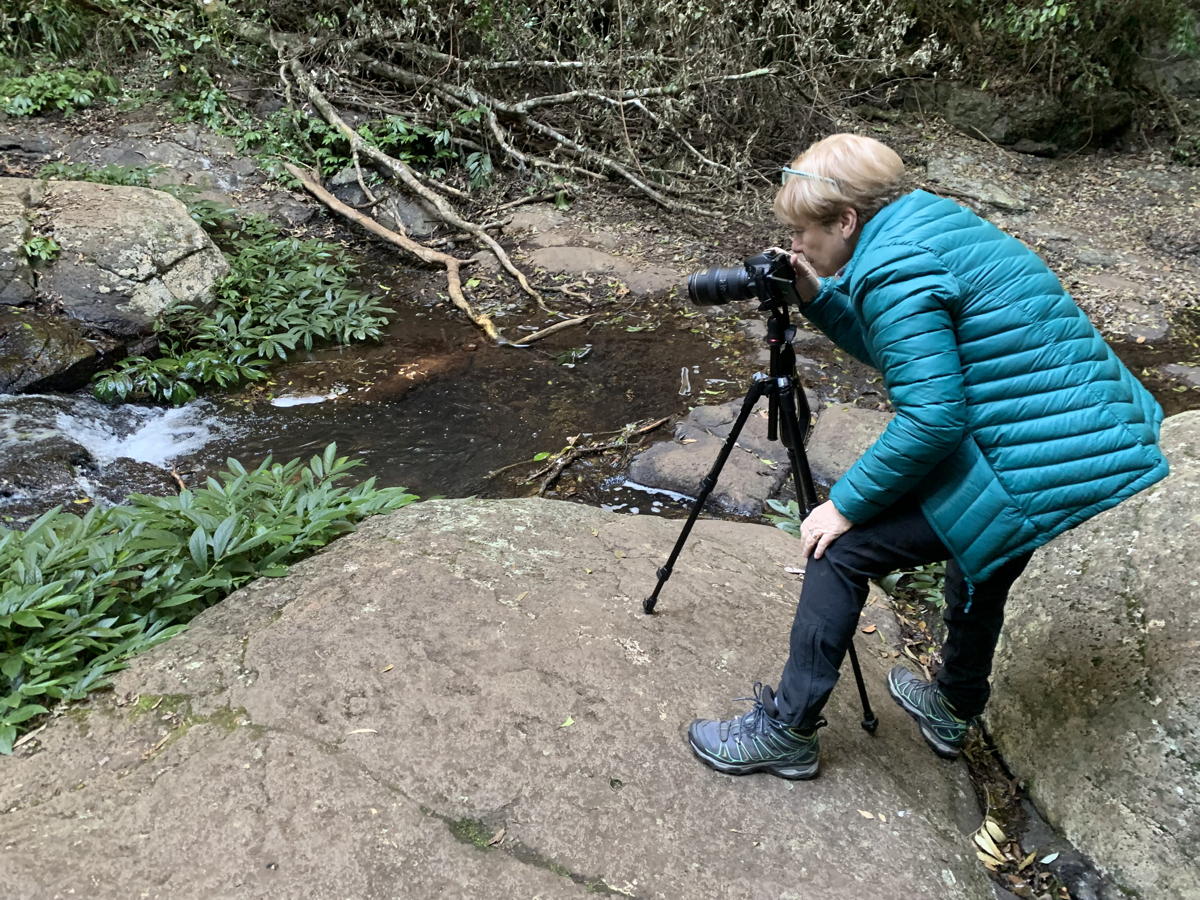
Kerry Byrne - Grafton

Kerry Byrne - Grafton, New South Wales

Itinerary:

Session 1
Introduction, get to know the other participants and setting up your camera settings. This is extremely important as you need to know what gear and settings are needed for specific situations and subjects.

Session 2
Bird photography - rainforest trek

Session 3
Audio visual presentation on best bird photography techniques

Session 4
Bird photography around the guesthouse

Session 5
Spotlighting session looking for nocturnal birds

Satin Bowerbird

Session 6
Early morning bird photography trek (before breakfast)

Session 7
Session on best flash techniques for birds

Session 8
‘Birds of Prey’ flight show, where Michael will teach you how to best get photos of birds in flight.


Session 9

Before breakfast - early morning bird photography trek

Session 10

Search for Albert's Lyrebird and Noisy Pitta

Session 11

Workshop wrap-up
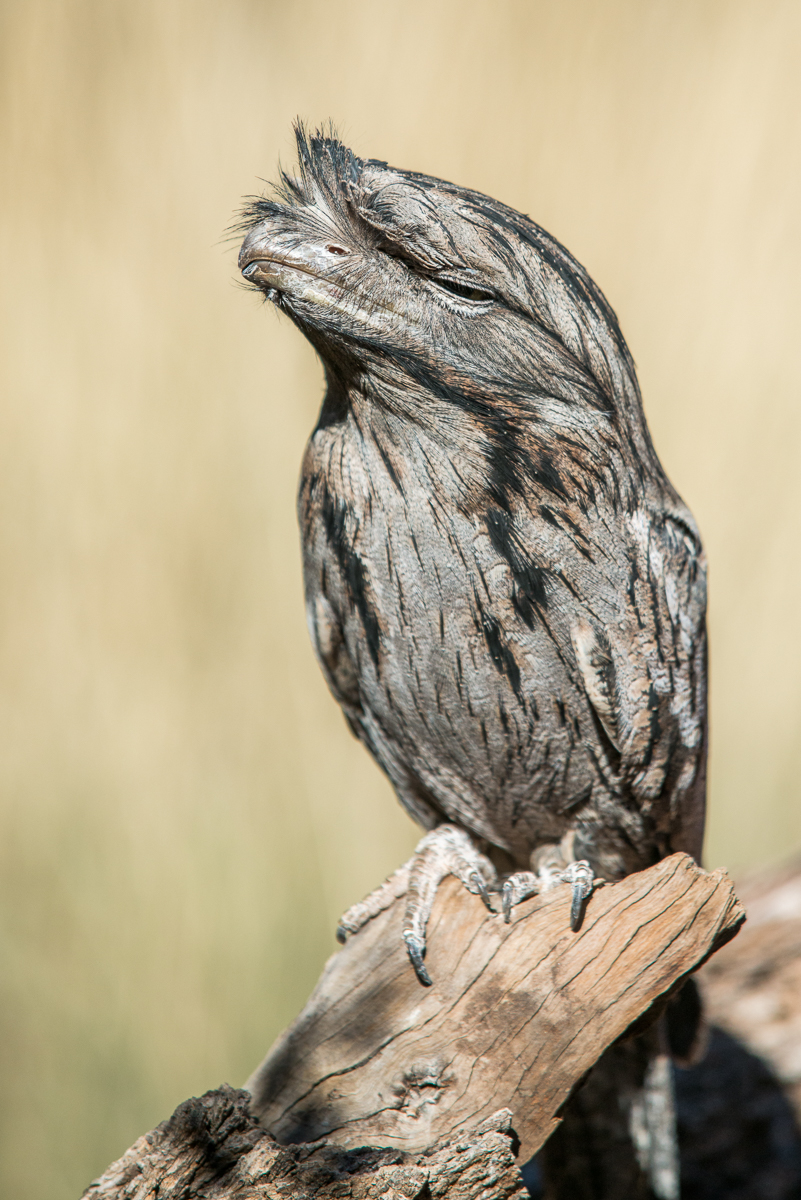
Tawny Frogmouth

Inclusions:

  • Two nights accommodation at O’Reilly’s Rainforest Retreat (sole occupancy)
  • Professional bird photography tuition by Michael Snedic
  • Parks and Wildlife permit fees
  • Free-flight bird show entry fee

Exclusions:

  • All meals

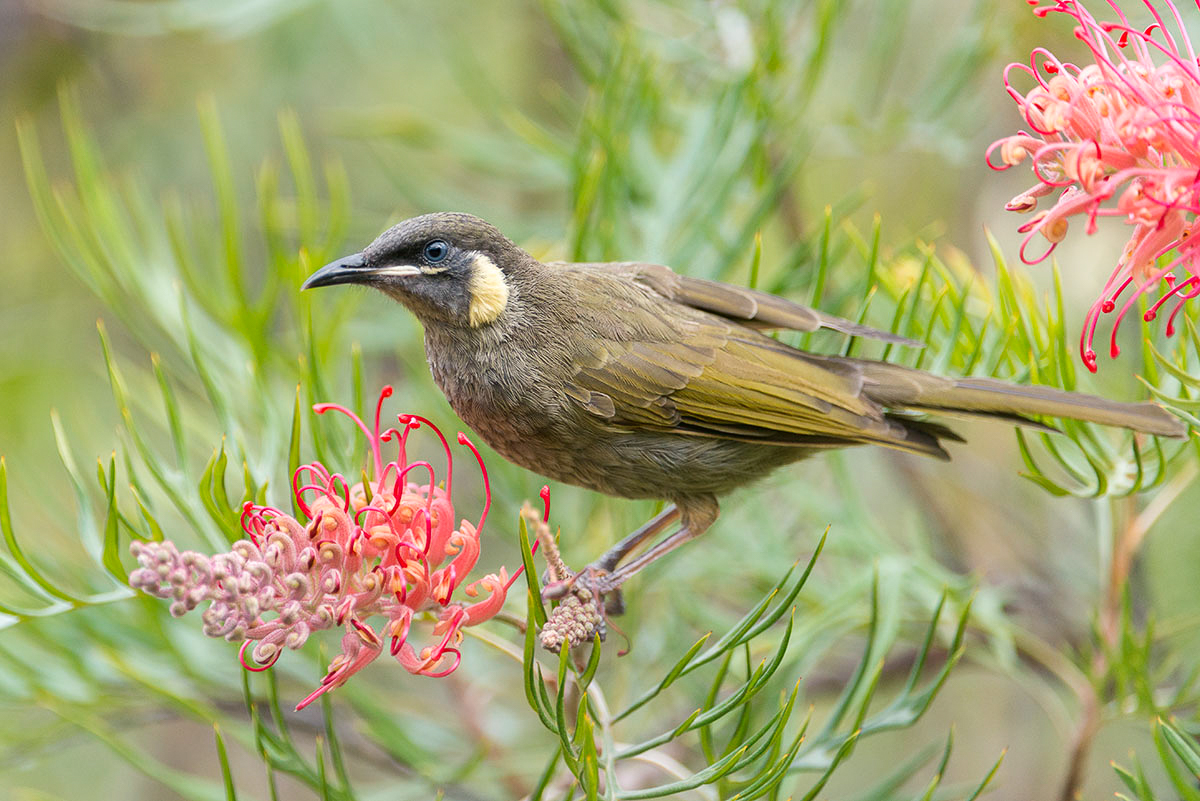
Lewin's Honeyeater

Accommodation:

You will be staying two nights (sole occupancy) at renowned O'Reilly's Rainforest Retreat in Lamington National Park, Queensland
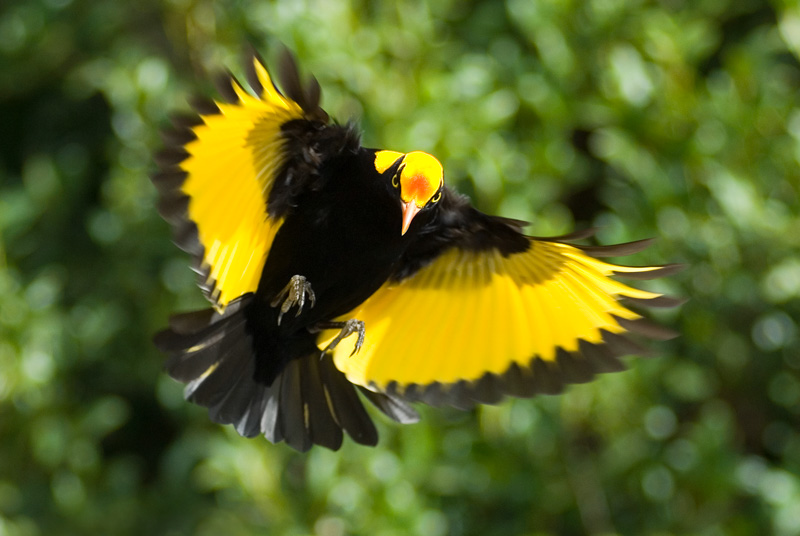
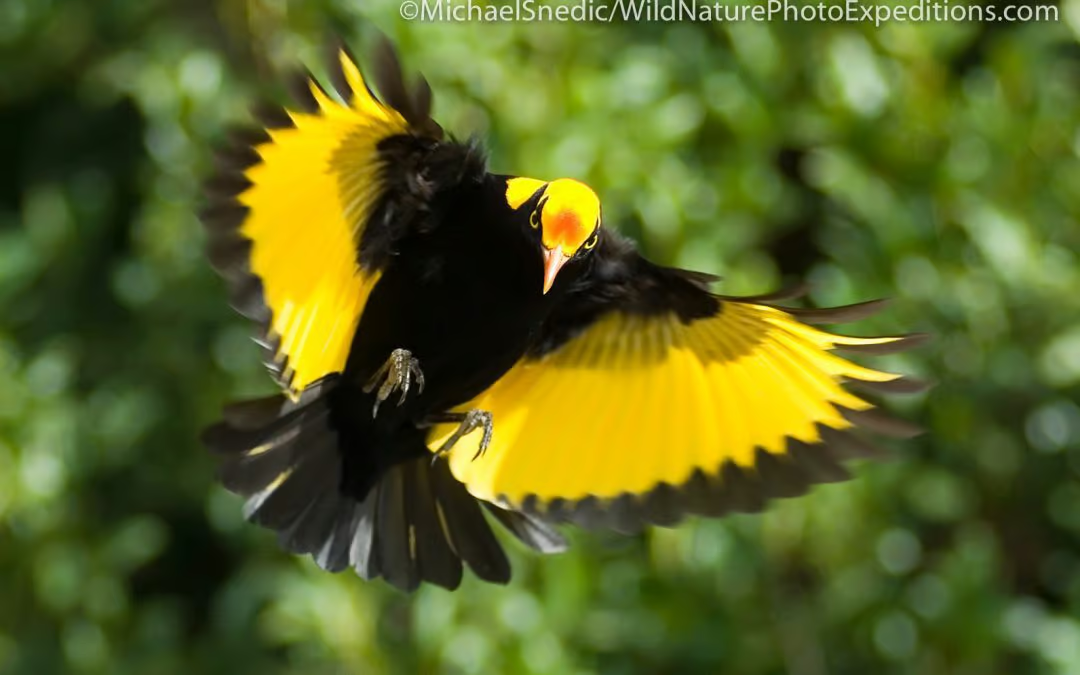
Regent Bowerbird

Bookings and Contact:

To reserve your place or just to ask more questions about this photo expedition, please contact Michael either via his CONTACT FORM or by calling +61 408 941 965.

Maximum 8 participants

This workshop is covered by Queensland Parks and Wildlife Service permits.
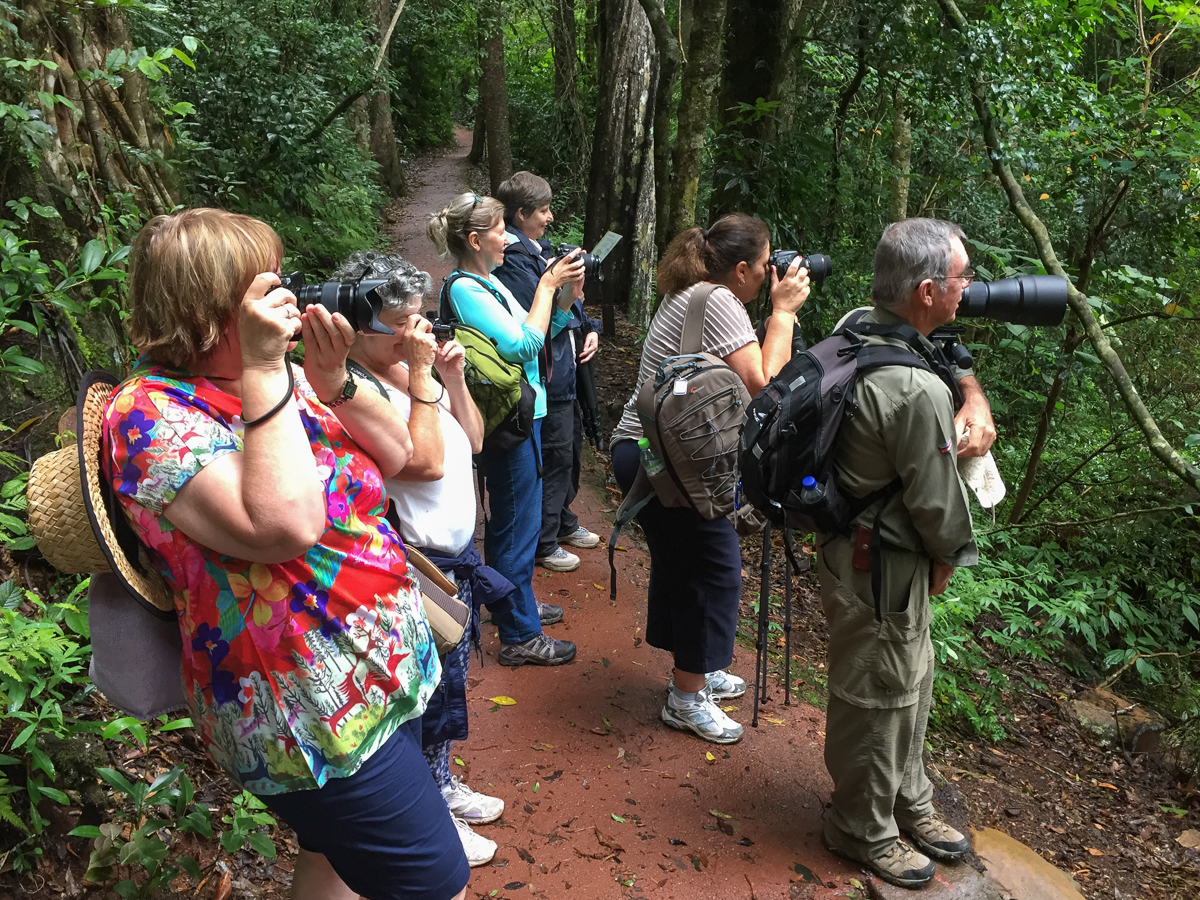
Bird photography in Lamington

Cancellation Policy:

Cancellation up to 90 days before departure - deposit forfeited. Cancellation between 90 and 60 days before departure - 50% of total workshop price forfeited. Cancellation less than 60 days before departure or during tour, no refund available.

3 Day Bird Photography Workshop – Lamington N.P. – Queensland

Courting Albert’s Lyrebird

Albert's Lyrebird displaying

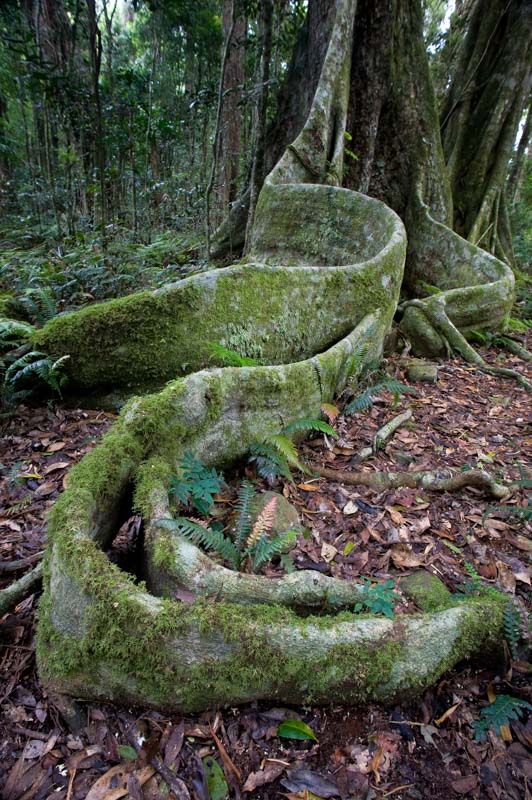
Crouching behind the enormous buttress root of a black booyong in World Heritage-listed Lamington National Park. 80 kilometres south of Brisbane, I waited in anticipation.

Working as a guide for O’Reilly’s Rainforest Retreat, in the heart of the national park, I joined wildlife-documentary maker Glen Threlfo in search of a male Albert’s lyrebird. We’d tracked the elusive rufous­ coloured bird, nicknamed “George”, to his display platform by following his echoing call. Unlike the better-known superb lyrebird, which performs its courtship display atop a meticulously maintained earth mound, the smaller Albert’s lyrebird uses a concealed platform of interlaced vines.

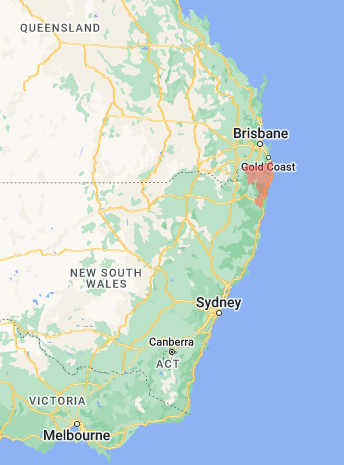
Approximate distribution of Albert's Lyrebird shown on a map.

Approximate distribution of the Albert’s Lyrebird. Source.

As we sat still and silent, concealed behind some bushes, George began singing his heart out. His smooth territorial call resounded through the rainforest, quickly interspersed with note-perfect renditions of other birds’ calls including the laughing kookaburra, satin bowerbird, eastern whipbird and crimson rosella. As he sang, he inverted his 50-centimetre tail over his head and body to form a silvery­white dome that almost cocooned him. Plucking at the vines with each foot, he held us spellbound.

This performance lasted 20 minutes. Then he stopped, ruffled his feathers and dissolved into the dense undergrowth. In the ensuing silence, Glen turned to me and said, “Why don’t you try to photograph his display? There’s only ever been a few successful photographs.” I decided to take on the challenge, but because the mating season was almost over, I had to wait nine months for an opportunity.

Albert’s lyrebird is found in the undergrowth of dense subtropical rainforest straddling the New South Wales-Queensland border. It spends its days foraging for insects, roosting at night in a tall tree and working its way down at sunrise. A poor flier, it’s extremely shy and when disturbed, runs quickly away.

I’d anticipated that my project would take up to two weeks. It took almost two months. I didn’t sight George for weeks, and when he did appear, it took several attempts to get a good shot of him. Finally, luck was with me. George was back on his vines and his courtship display was even more energetic than usual. He was in a frenzy as he danced, called and mimicked – even making the sounds of a crackling bonfire. He tugged the vines so ferociously that the surrounding palm lilies and lilly-pillies shook with him.

The three-month mating season was drawing to an end, and George was going all out to let any nearby females know where to find him. I wondered how they could resist.

Capturing the perfect photograph of birds and other wildlife can take a lot of patience and perseverance as highlighted by my experience with Albert’s lyrebird and many of my other iconic wildlife photos. However, there are a lof of skills you can learn to help you get the shot just right when the opportunity finally arises.

If you are interested in learning more about how to photograph birds in Lamington National Park from experienced nature photographer Michael Snedic, you might like to join his next photography workshop at Lamington National Park.

First published in Australian Geographic magazine.

If you have a passion for African wildlife, nature or travel photography and would love to go on a specialised small-number, professional African photo safari, please get in touch with Michael Snedic at WildNature Photo Expeditions. You can call him on 0408 941 965 or fill in this Contact Form and he will get back to you ASAP.

5 Day Lamington National Park Photography Workshop –  Queensland

5 Day Lamington National Park Photography Workshop – Queensland

Monday 14th to Friday 19th of March 2027

Get to know your digital camera in one of Australia’s most stunning natural environments! 

This workshop is designed to teach participants skills in all facets of photography, including composition, lighting, exposure, aperture/shutter speed/ISO, depth of field and much more.

 Michael caters for all levels of experience and is very encouraging to beginners.  Lamington National Park is full of photographic opportunities, including a large variety of wildlife, rainforest and eucalypt forest landscapes, waterfalls, stunning valley views, sunsets and lots of macro subjects. 

These amazing photographic locations and subjects, coupled with Michael’s extensive photographic knowledge and tuition skills, means you will have an opportunity to learn plenty of valuable photographic tips, with like-minded people. And you will do so in the most tranquil, beautiful surroundings.


Michael Snedic assisting Sir David Attenborough at O’Reilly’s, in Lamington National Park.
Michael Snedic assisting Sir David Attenborough
at O’Reilly’s, in Lamington National Park 

Where:

O’Reilly’s Rainforest Retreat/Lamington National Park, Queensland

When:

Monday 14th to Friday 19th of March 2027


Price:

$AU3495 (plus GST) - SINGLE ROOM, NOT TWIN SHARE

Price includes single room accommodation for four nights at O'Reilly's Rainforest Retreat, free-flight bird show entry, Qld Parks and Wildlife permits and professional photography tuition by Michael Snedic.

Black Booyong buttress roots

Contact Michael Snedic directly
on +61 408 941 965

Program includes:

  • Macro photography techniques - for beginners and more advanced users
  • Landscape photography techniques
  • Waterfall and cascade photography
  • Bird and animal photography techniques
  • Reviews and critique of participant's images and suggestions for improvements
  • Audio-visual presentations
  • Getting to know your camera and it's hidden capabilities
  • Advice on recommended cameras/lenses/accessories to use for specific purposes
  • Group tuition as well as one-on-one tuition from Michael
  • Best use of photographic accessories and gadgets
  • Free time to practice what you have learned (or simply unwind and relax in the stunning surrounds of Lamington National Park)

*PLEASE NOTE – PROGRAM SUBJECT TO CHANGE DUE TO WEATHER CONDITIONS

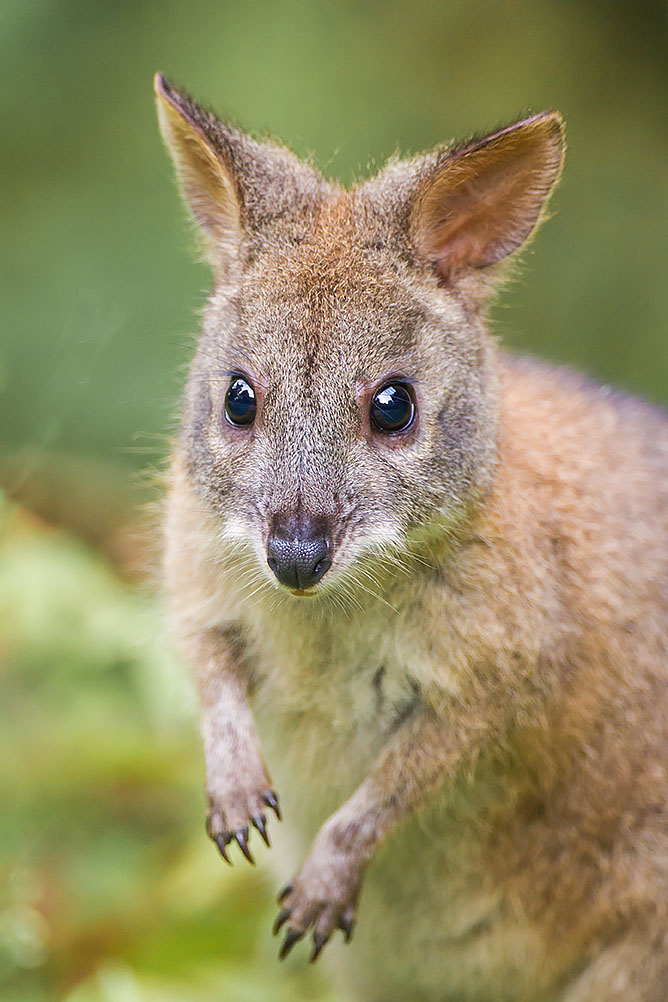
Red-necked Pademelon

Michael Snedic’s O’Reilly’s and Lamington National Park Experience:

Michael spent five years working as a nature guide for O’Reilly’s Rainforest Retreat, in Lamington National Park and knows the area, and its natural fauna and flora, extremely well. Michael was also mentored here in photography by renowned wildlife and nature photographer and documentary-maker, Glen Threlfo. He has been presenting photo workshops and tours at O’Reilly’s and Lamington National Park for the last twelve years. Michael's years of local experience, plus 21 years as a professional photography tutor, will guarantee you will not only be shown the BEST wildlife, landscape and macro subjects and locations in Lamington, but you will be shown the BEST ways to photograph them.

Michael instructing Jim

Testimonial

I have just completed Michael's Lamington National Park workshop. It was excellent, the retreat was lovely and then we had all the wonderful photography opportunities. We were able to visit some beautiful places, saw lots of different birds including the Alberts Lyrebird, the Satin Bower Bird doing his courting dance for the female and many others. Michael was very patient teaching us, I learnt how to successfully photograph in low light, I'm quite proud of a couple of my photos with water flowing. I tried macro photography which I haven't done before and was quite surprised by the results. Michael takes the time to explain how to set up your settings to achieve the best results for such a wide variety of subjects, time of day etc and is then happy to review the results and suggest things that can be altered to potentially improve when required. I would 100% recommend this workshop, in fact I'd like to do it again potentially the March one to see the difference in the wildlife and scenery at that time of year and build on my photography skills with Michael's help. Thank you.

Kerry Byrne - Grafton

Kerry Byrne - Grafton, New South Wales

Itinerary:

Monday:

Session 1
Introduction, get to know the other participants and setting up your camera settings. This is extremely important as you need to know what gear and settings are needed for specific situations and subjects.

Session 2
Bird photography techniques

Session 3
After lunch – Landscape photography, incorporating a trip to the Python Rock walk. Buttress roots, vines, Crow’s Nest ferns and much more.

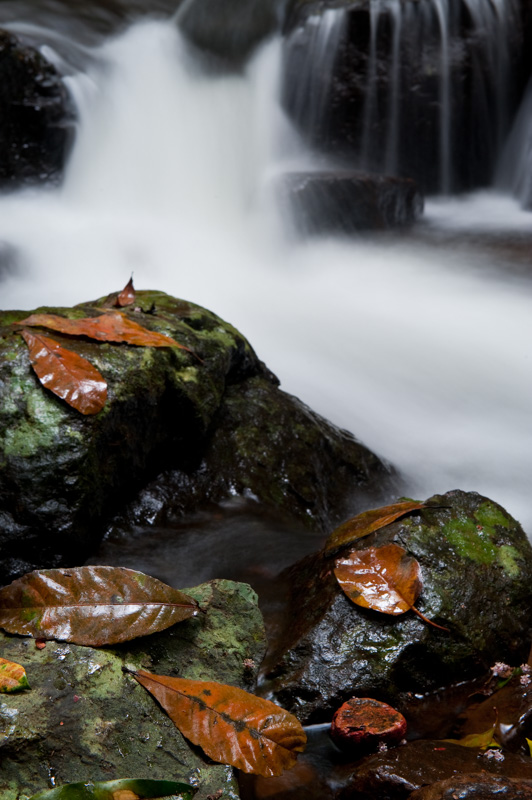
Rainforest cascades

Tuesday:

Session 4
After breakfast - Bird photography and other wildlife photography techniques, including pademelons (small, wallaby-like macropods).

Session 5
After morning tea – We head into the rainforest for more landscape photography, including cascades, mossy rocks and logs, plants and much more.

Session 6
‘Birds of Prey’ flight show, where Michael will teach you how to best get photos of birds in flight.

Session 7
Audiovisual on wildlife photography techniques

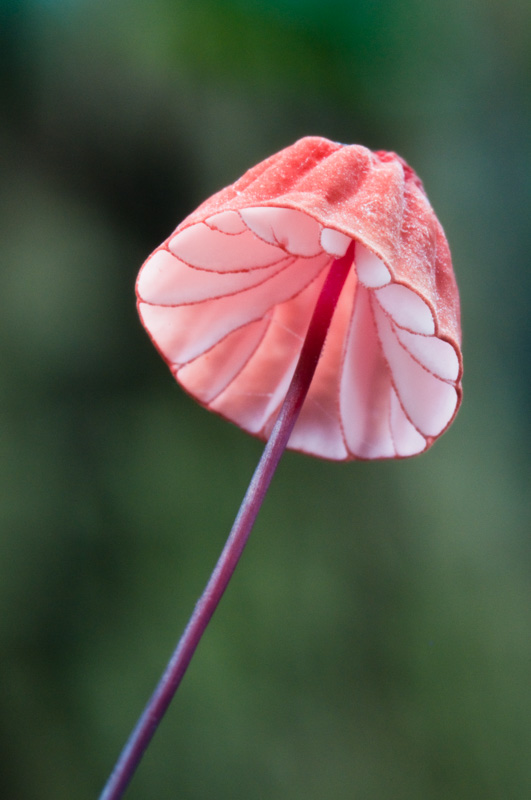
Rainforest fungi

Wednesday:

Session 8
Field trip (lunch out) – Border track hike, where you will learn how to take great rainforest landscape photos. Return back to base approximately 1-2pm.


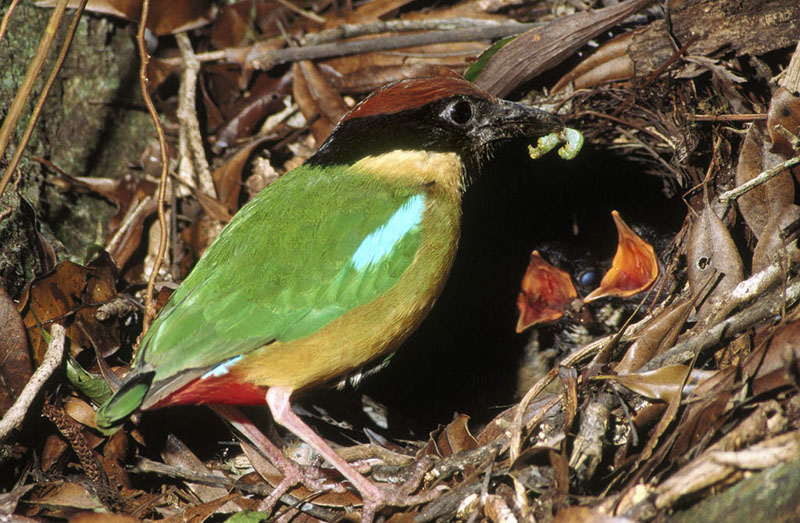
Noisy Pitta with chicks

Thursday:

Session 9
Before breakfast – Come on an early-morning bird walk with Michael. Try taking some photos or get to know the birds and their calls (Michael was a guide at O’Reilly’s for 5 years and knows his birds and calls well!).

Session 10
After breakfast –  Macro field trip

Session 11
Image critique

Session 12
Walk along Wishing tree track to creek, where we will look for the amazingly-coloured Spiny Lamington Crayfish to photograph

Luminous Fungi

Friday:

Session 13
Bird photography session

Finish: approx 11am 

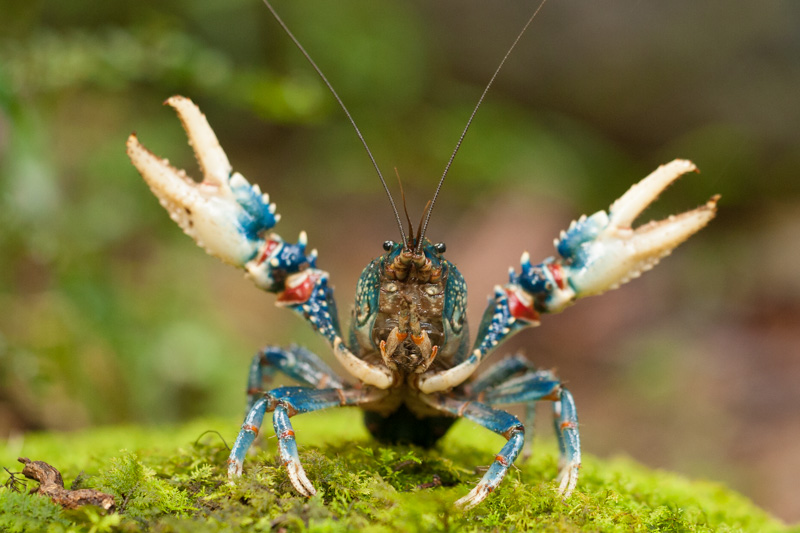
Lamington spiny crayfish

Inclusions:

  • Four nights accommodation (own room) at O’Reilly’s Rainforest Retreat, Lamington National Park, Qld
  • Parks and Wildlife permit fees
  • Free-flight bird show entry fee
  • Professional photography tuition by Michael Snedic

Leaf-tailed gecko

Accommodation:

You will be staying at renowned O'Reilly's Rainforest Retreat in Lamington National Park, Queensland

Bookings and Contact:

To reserve your place or just to ask more questions about this photo expedition, please contact Michael either via his CONTACT FORM or by calling +61 408 941 965.

Your position on the tour will be guaranteed immediately upon payment of non-refundable deposit of AU$900 (plus GST) The balance will be due up to 90 days prior to the start of the workshop. 

Regent Bowerbird

Maximum 8 participants

This workshop is covered by Queensland Parks and Wildlife Service permits.

Cancellation Policy:

Cancellation anytime - deposit forfeited. Cancellation between 120 and 90 days before departure - 50% of total workshop price forfeited. Cancellation less than 90 days before departure or during tour, no refund available.
        TRAVEL INSURANCE REQUIRED

Michael teaching participants - O'Reilly's

Wildlife Photography Composition – Behaviour + Lighting

Wildlife Photography Composition – Behaviour + Lighting

A little tip for your wildlife photography composition:

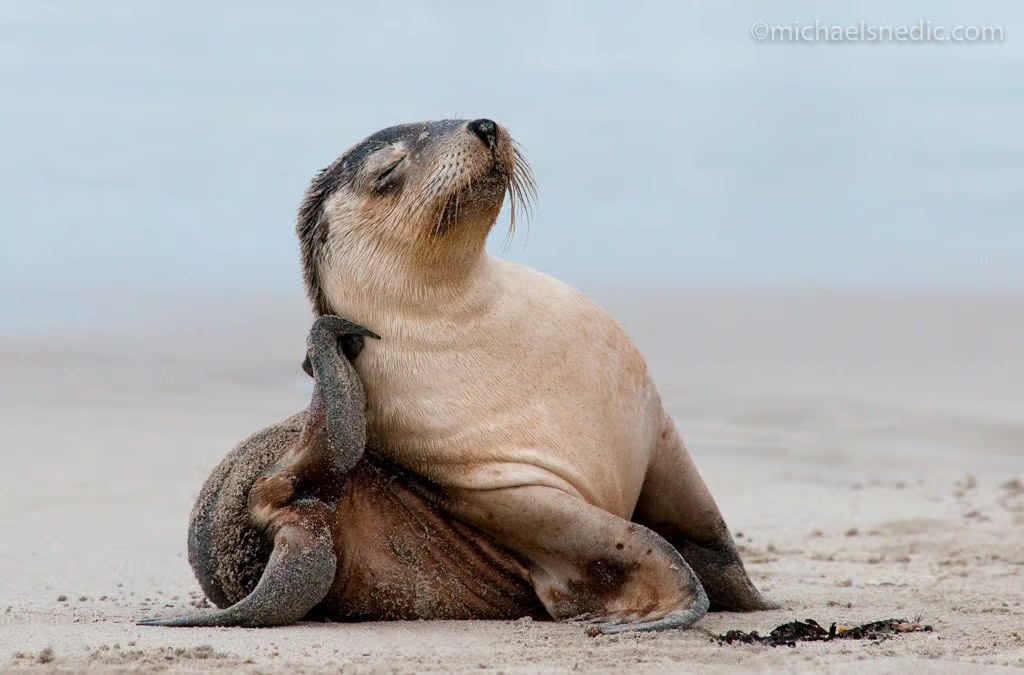
Australian Sea Lion

This juvenile Australian Sea Lion was photographed on the beach at Seal Bay, Kangaroo Island, in South Australia.  I was thrilled to have been given the opportunity to photograph this amazing species.  I was with a qualified ranger/guide and a small group of other people, watching some Sea Lions interacting around me, while others slept peacefully. They seemed totally unconcerned that there was a group of humans standing nearby.  Before I even took a photo, I observed their behaviour closely, watching out for any interesting behaviour to happen.  Nothing out of the ordinary did happen for a while until this juvenile came towards me and seemed quite “bouncy” and energetic….

Patience is one of the keys while you watch out for interesting behaviours and patterns. I’ve seen it time and time again and have written about it before.

I immediately focused my camera on the juvenile sea lion and composed my shot, waiting for something to happen.  After a few minutes of playing around, the Sea Lion finally turned in my direction and started to scratch.  This was my moment!  I recomposed my shot, focused on its eye and took several shots using the continuous shutter mode on my camera.  I ensured there was room in the direction the Sea Lion was facing, an important part of wildlife photography composition.  Fortunately for me, light grey clouds in the sky made for perfect, diffused light.  This type of lighting is preferred to sunny conditions, which tend to cause annoying highlights that blow out any light areas on your subject, as well as create harsh background shadows. Even when these lights are manageable, they can cause distraction from your subject. Diffused lighting is more consistent, ensuring that your subject stays the focus and not the light.

The Australian Sea Lion is Australia’s only endemic Sea Lion and is listed as a threatened (vulnerable) under the Federal Government’s Environmental Protection and Biodiversity Conservation Act.   It is Australia’s only endemic Sea Lion and their population is thought to be between 10 000 – 12 000.

It was a real joy to be able to spend time photographing this beautiful mammal, and an experience I thoroughly recommend to anyone.

Happy photography!

If you have a passion for African wildlife, nature or travel photography and would love to go on a specialised small-number, professional African photo safari, please get in touch with Michael Snedic at WildNature Photo Expeditions. You can call him on 0408 941 965 or fill in this Contact Form and he will get back to you ASAP.

11 Day Antarctic Photo Expedition

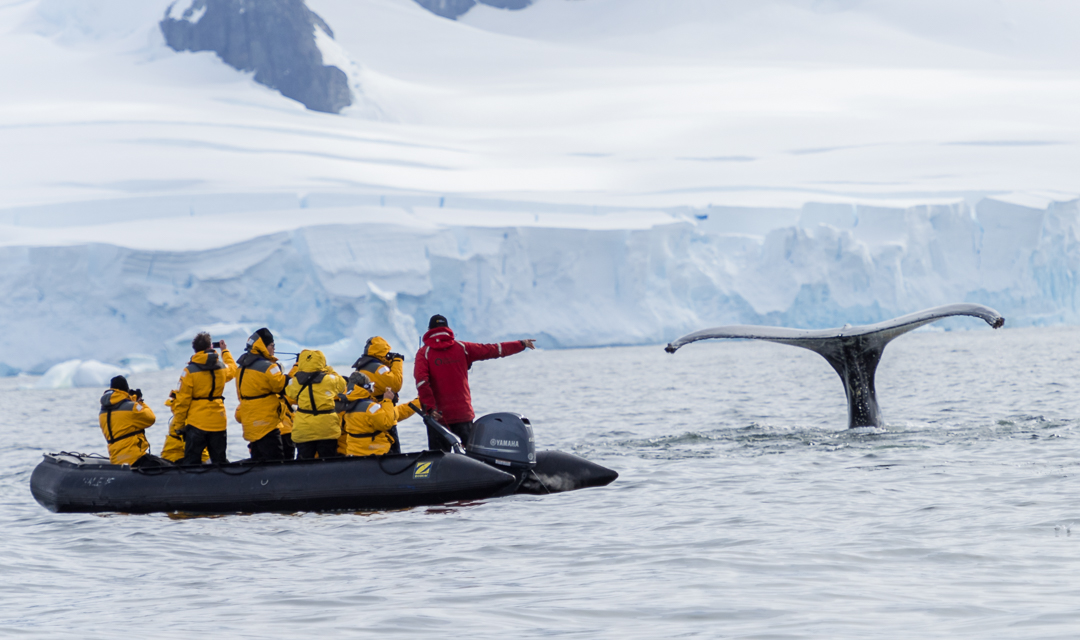
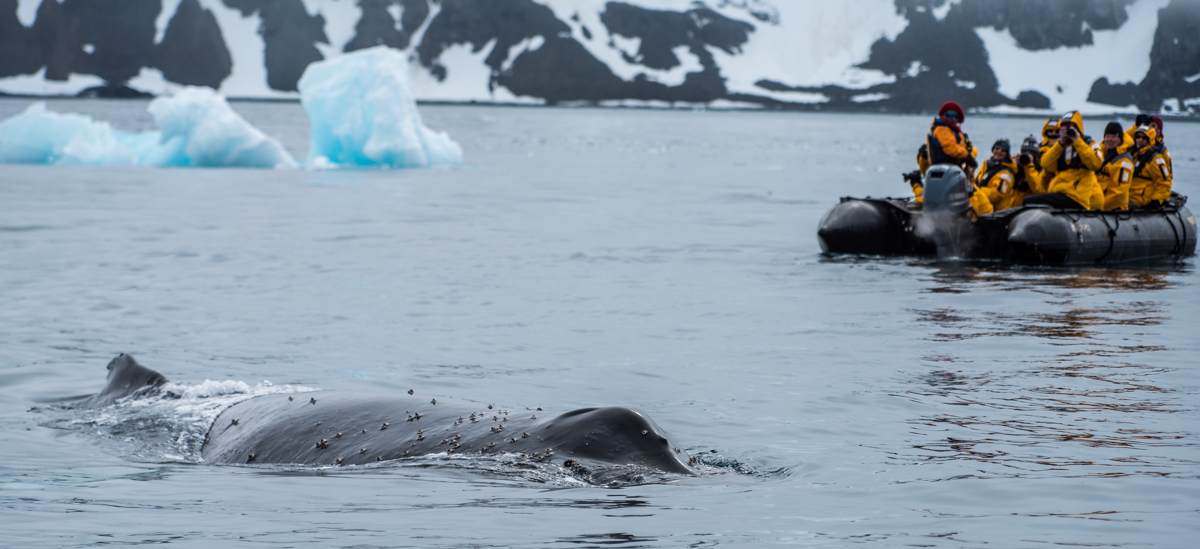
  • Amazing whale encounter in Antarctica

Michael Snedic will again be taking photographers on an 11 day photography expedition along the Antarctic Peninsula.

The trip starts and ends in Usuaia, Argentina. We will travel across the Drake Passage to Antarctica, spending  time exploring the peninsula before heading back to Ushuaia.

There are never any guarantees with Antarctic weather, so the exact itinerary can always change at the last minute.

Antarctica midnight sunset

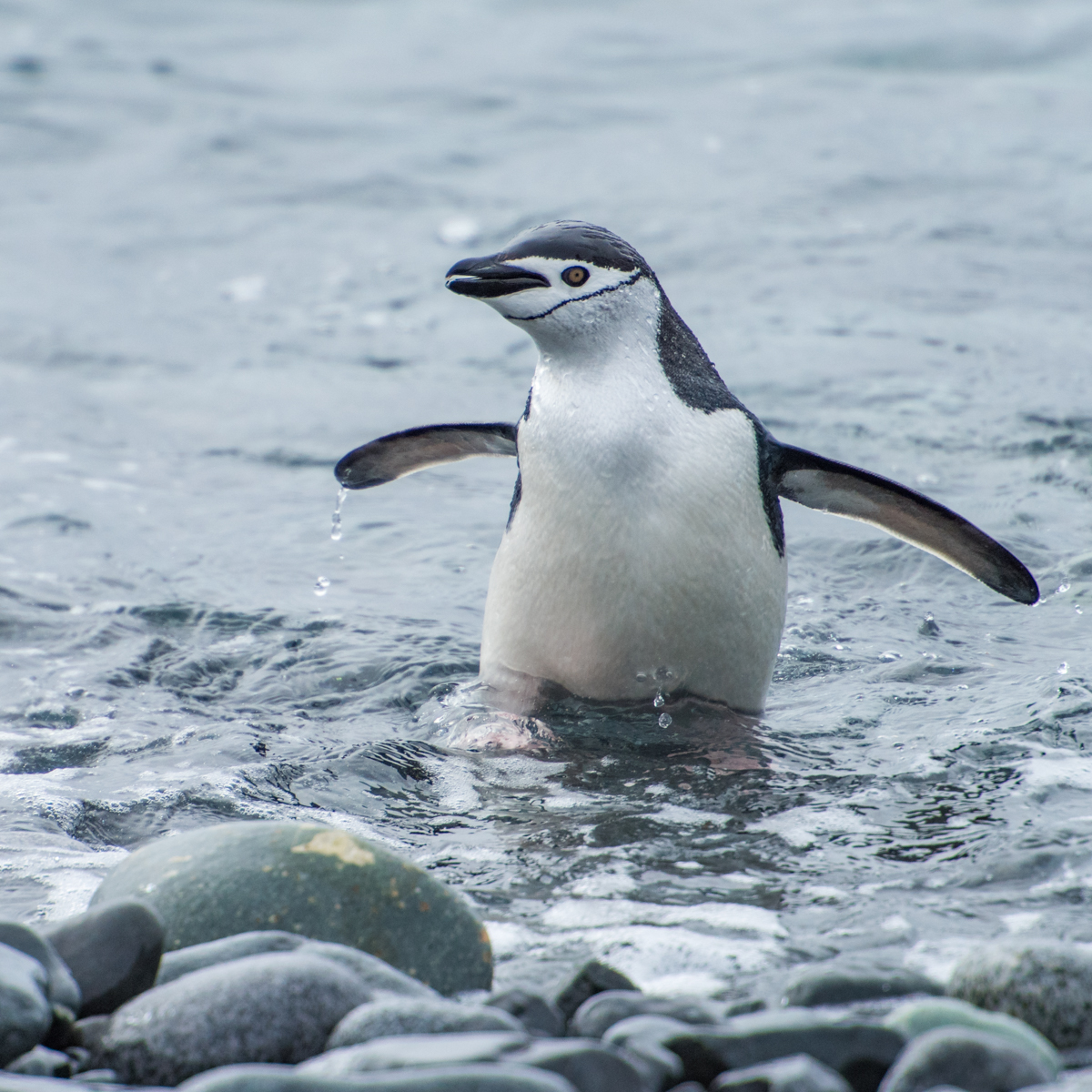
Chinstrap Penguin

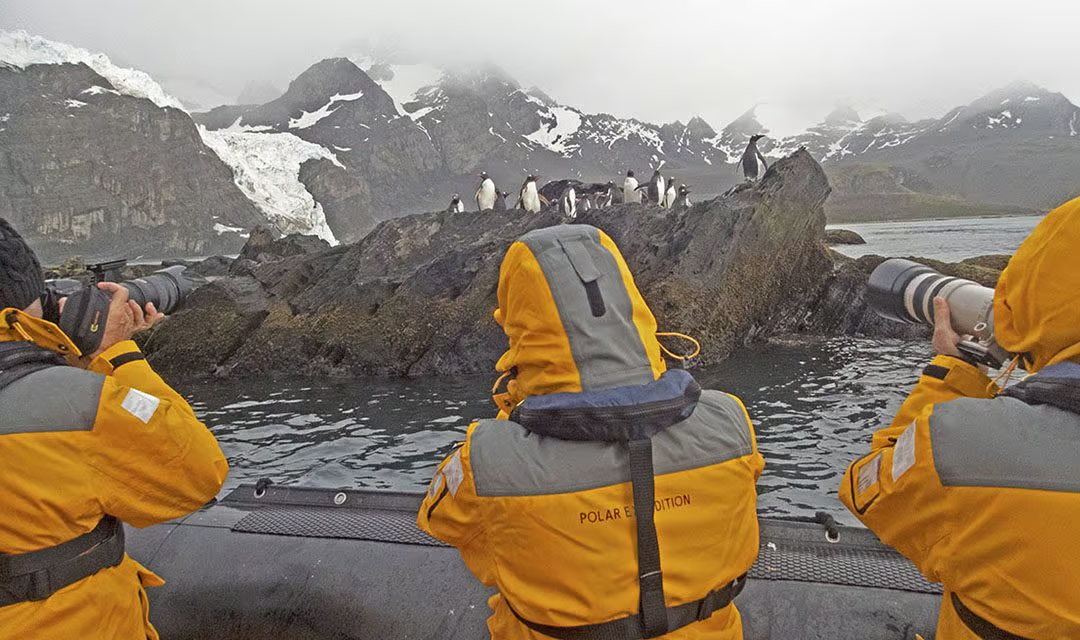
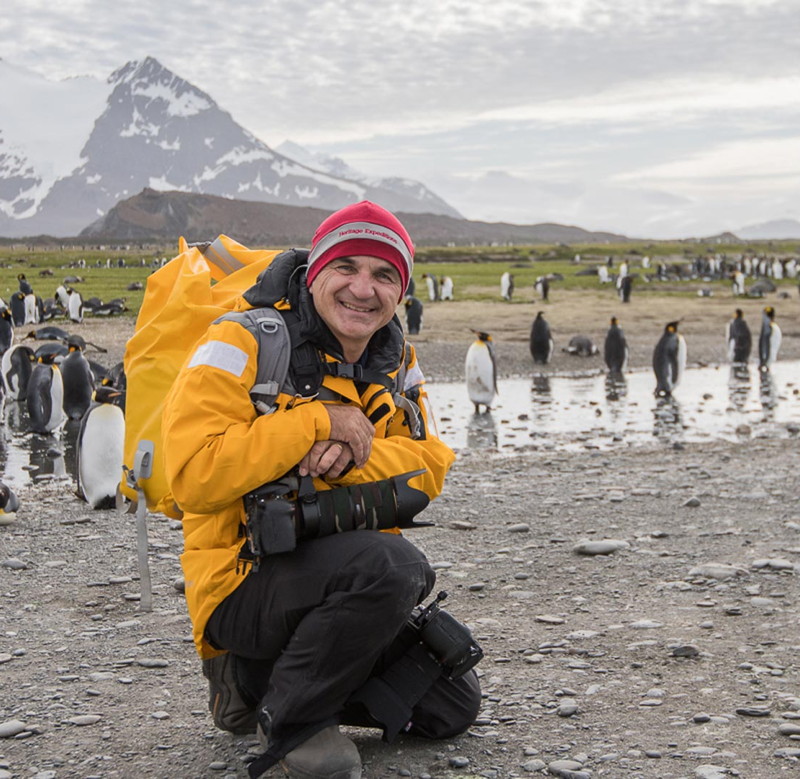
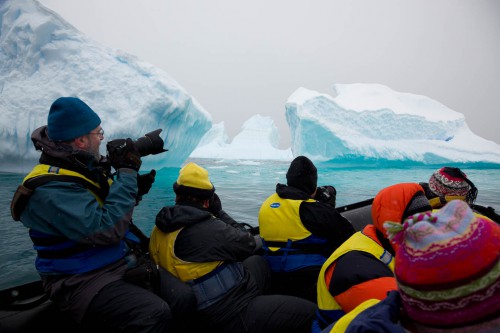
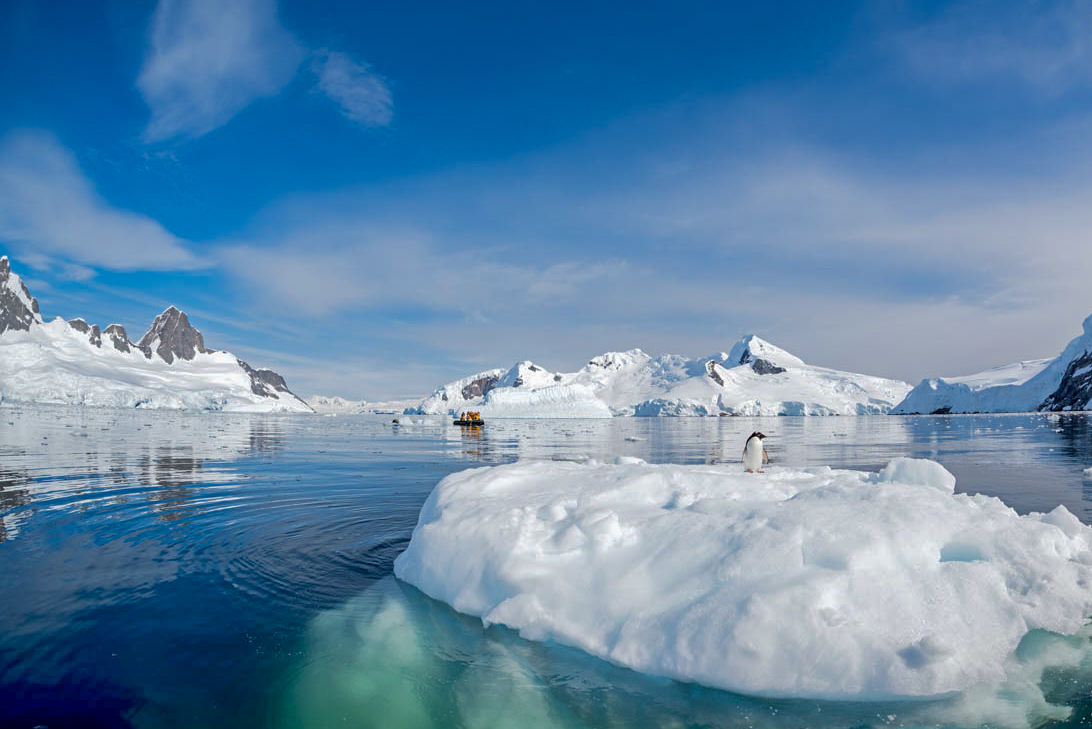
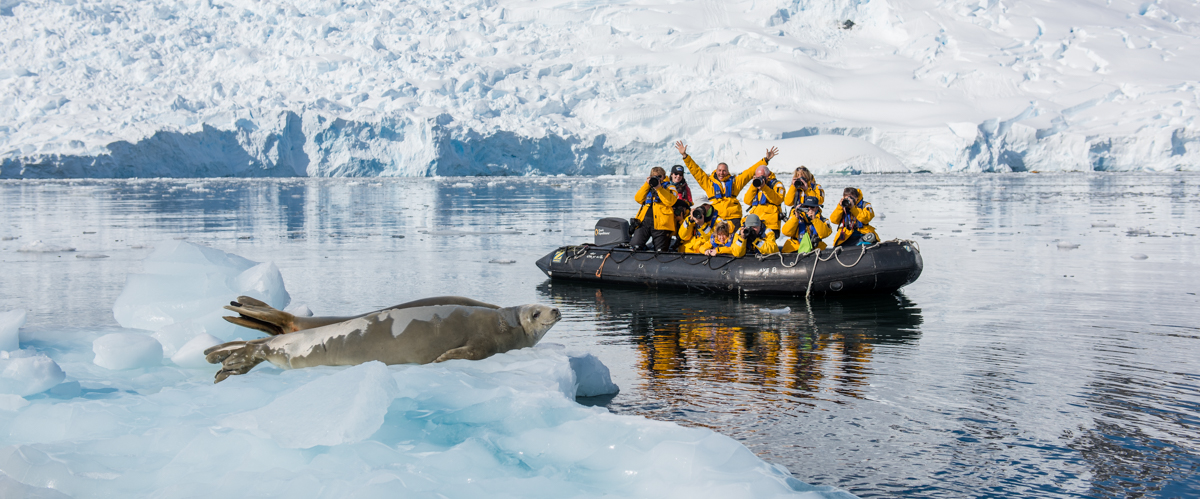
The days are long (the sun will hardly set most days) and most days will usually involve at least two opportunities to get off the ship and either go ashore (usually amongst penguin colonies), or cruise amongst the ice in Zodiacs photographing amazing ice formations and wildlife. Through all of this Michael will be there to help you make this a trip of a lifetime, letting you come back with new images and new skills.

Antarctica 2023 - trip map

Cruising the Antarctic waters with my WildNature Photo Expedition participants

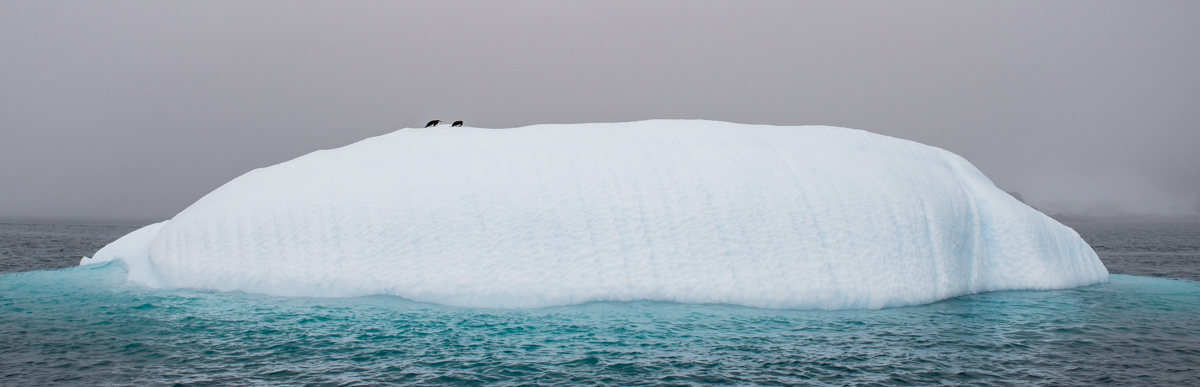
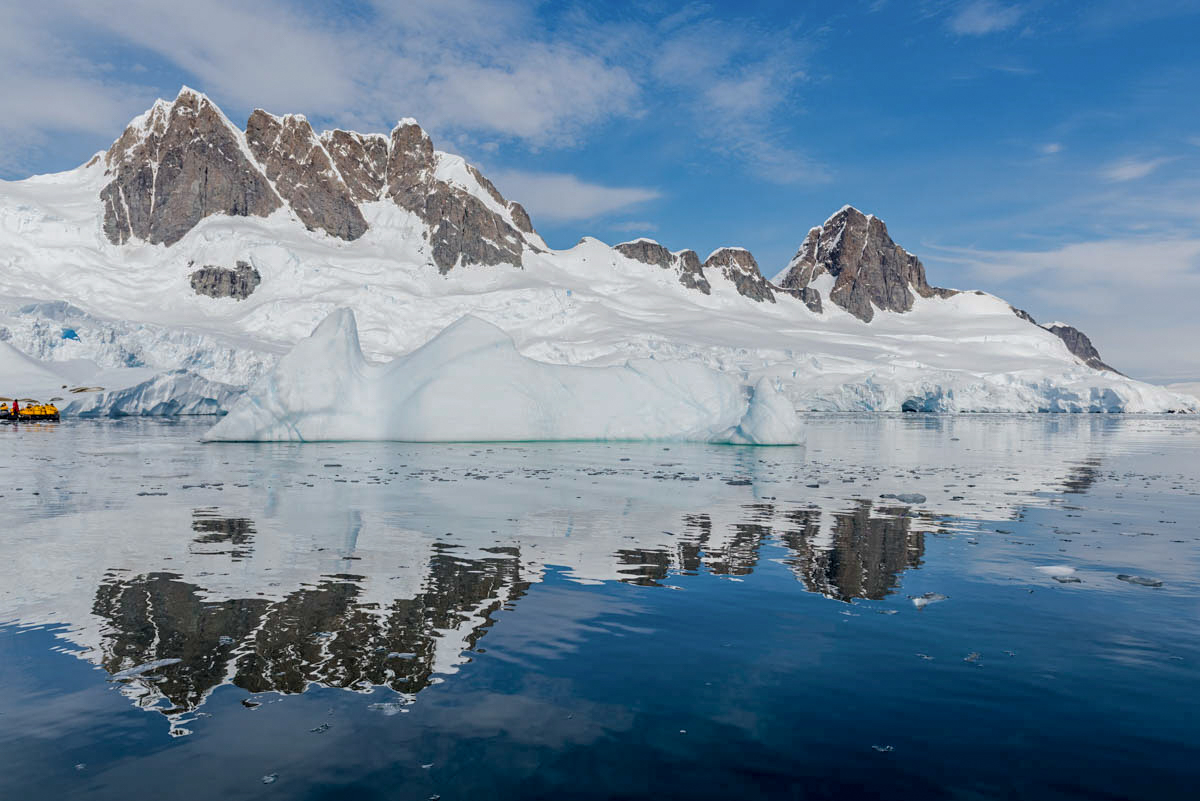
Antarctic ice

There will be many opportunities to photograph from the ship also. Landscapes, icebergs, and wildlife as we sail amongst them.

Close up encounter with penguins in Antarctica.

With the landscapes changing almost every second, it can be surprising how many different scenes you can photograph in a day! All the images on this page were made on previous visits to this area.

Our ship - The Ocean Endeavour

We will be travelling on the Ocean Endeavour, operated by Intrepid Travel. This comfortable and stable ship will be your home for the entire voyage, with most cabins being twin-share and all with private facilities. The ship is faster than most, and this can give us a quicker-than-average crossing of the Drake Passage, giving us a little more time in Antarctica than other ships.

The ship will also have non-photographer passengers on it, and while we will be sharing the ship and the general Antarctic experience with them, the photographic advice/instruction will be for our group. For example, on outings we will usually operating as a group with our own Zodiac. WildNature works closely with the Intrepid expedition team throughout (and before) the voyage to optimise operations on both sides to help everyone.

Antarctica-Ocean Endeavour

Your Tutor: Michael Snedic

Michael is a highly experienced and widely-published wildlife and nature photographer, writer and tutor. His articles and images have featured in magazines such as Australian Photography +Digital, Australian Geographic, Wildlife Australia, Australian Birdlife and the UK’s BBC Wildlife, to name but some. His images have featured in numerous calendars, diaries, books and many other publications, including billboards and he has had two books published on Australian wildlife. Michael is a Nikon School tutor for Australia and regularly conducts photography workshops and tours across Australia and the world.

Michael Snedic

Costs and booking

The following prices are per person, in Australian dollars. A non-refundable 20% deposit will be needed within 5 days to secure your booking. Because most of the cost of the trip is taken up with the mechanics of getting you to Antarctica and back, the price will vary depending on the cabin type you select. Please note that there are a limited number of each cabin type available. Twin-share is the most numerous.

Prices are in Australian dollars.

NB: A MINIMUM OF FOUR PARTICIPANTS REQUIRED FOR THIS TRIP TO PROCEED

Category Cabin Type Reduced Price
2 Triple Interior: TBA
3 Twin Interior: $TBA
5 Twin Window: $TBA
6 Comfort Twin: $TBA
4 Twin Porthole: $TBA
7 Select Twin: $TBA
8 Superior: $TBA
9 Junior Suite: $TBA
1 Single Interior: $TBA
10 Owner's Suite: $TBA
5A Single Window: $TBA
4A Single Porthole: $TBA

Prices are per person twin share, or triple share

All cabins have private facilities. See further below for detailed inclusions/exclusions.

If you’re considering joining Michael on this truly 'Bucket List' trip, please register ASAP via our contact form

To ask any questions about the workshop or to book a place, please:

ocean endeavor deckplan

The trip is being put together with our partners at Intrepid Travel.

Intrepid Travel will be able to arrange flights and accommodation for you (including any other South American activities you want to include at either end of the trip) as part of a package, but you’re free to make other arrangements.

Intrepid logo

Group size and expertise levels

There are space for 8 photographers on this Antarctica Photo Expedition. Michael is an experienced nature photographer and tutor and will be on-hand to provide photographic advice throughout the trip. He also encourage all participants to take advantage of the image critique sessions provided throughout the trip.

Photographers of all experience levels are welcome. Whether you’re a seasoned professional with expensive gear, a beginner with simpler equipment (or in fact any combination of those) Michael will be there to provide value for you.  Michael not only work to get you to “the right places”, he's there to help you make photos you’ll be proud of. . Each landing is different: there are always constraints on where we can safely go, but there are many opportunities to spread out.

antarctica photo expedition 2017

Health and fitness

Anyone in normal good health is welcome to join us on this adventure. There are no special fitness requirements, although we will be often hiking on shore several times a day. We will be living on the ship which is sailing in unfrozen water, and the outside temperatures are often close to freezing. We’re not going inland where the temperatures would drop significantly. For example if you visit any of the Australian snowfields you’ll have probably been in colder conditions than we’ll usually see.

The ship has a doctor and basic medical facilities on board. If you have specific health concerns or dietary requirements the staff at Intrepid Travel will be able to advise you. There’s also a gym on board if you feel the need to get extra workouts. Actually, with the excellent meals provided on these trips it’s not hard to put weight on, so some people like this option.

Orca whale with calf

Equipment to bring

On these expeditions most photographers bring DSLRs and/or mirrorless cameras with interchangeable lenses. Sometimes even medium-format cameras. You should bring at least two cameras (one as a backup: there are no nearby camera stores!) and often at least 2-3 lenses. Zoom lenses are a popular choice, although some photographers use primes as well. In general at the telephoto end you’ll want something that reaches at least 200mm, although 300 or 400mm are often popular. Being able to pick out details within a landscape, or a group of penguins on a passing iceberg is something you’ll probably miss if you only have shorter lenses. But you’ll usually also want a wide-angle lens to deal with some of the massive icebergs up close as well as some of the majestic skyscapes. For example many people end up with three basic zooms: a wide-angle such as a 16-35mm, a general-purpose 24-70mm, a 70-200mm (or sometimes a 70-300mm, 100-400mm, etc). But in the end everyone usually ends up with a slightly different combination of gear. Of course, these figures are in terms of 35mm “full frame” cameras: you can convert with the appropriate “crop factor” for other systems.

Photographing Penguins in Antarcitca

On clear days there’s a lot of sunlight, but sometimes a layer of cloud rolls in and we can sail through a spooky grey world with yellow sunlight around the horizon, and blue and green icebergs around us.

Having a camera and lens that can cope with a broad range of brightness conditions without too much grain/noise will let you take advantage of more of these situations. But no matter what you have sometimes it’s just too dark, such as when we encountered a large pod of Orca late at night in overcast conditions and it was too dark for most people to get photos that weren’t just dark smudges. But putting the camera down and just watching them with your eyes was still a magical experience.

Tripods are usually not useful on the ship. They can be useful onshore, but if you’re going to take one we favour smaller models due to issues such as simplifying getting into and out of Zodiacs. Spare batteries, polarising filter, and enough memory cards to at least last for each outing completes the basic camera gear requirements.

Stunning Antarctica

A backpack to help you carry your gear onshore and withstand the odd splash of water is also essential. You need to have hands free while getting in and out of the Zodiacs, and when you’re dressed for Antarctic conditions a photo vest with enough pockets to hold your gear just wouldn’t work!

As well as that photography gear, you should bring a laptop and hard drives to download and review the photos every day. Most people use software such as Lightroom to do this. You’ll have a limited stay in Antarctica, and while we don’t want to miss the photographic opportunities by spending all day sitting in front of a computer, it’s important to not only regularly backup the photos (and free up the cards for the next outing) but also review your work and identify how you can do things better on the next outing.

Zodiac iceberg cruise

Itinerary

Day 1: Ushuaia - Argentina

Your adventure begins in Ushuaia, Argentina. Nestled within the Tierra del Fuego archipelago, Ushuaia boasts many shops, museums, restaurants and cafes that you can enjoy before your voyage. This Argentine town is the ideal gateway for you to explore the southern extent of Patagonia while preparing for your adventure ahead. If you feel adventurous, the nearby Tierra del Fuego National Park offers plenty of outdoor activities.

Antartic Whale encounter

Day 2: Departing Ushuaia

Following your embarkation onto the Ocean Endeavour in the late afternoon, begin your Antarctic journey south, passing through the infamous Beagle Channel. Named after the famed ship on which Charles Darwin voyaged, the channel presents great photo opportunities of landscapes and seabirds.

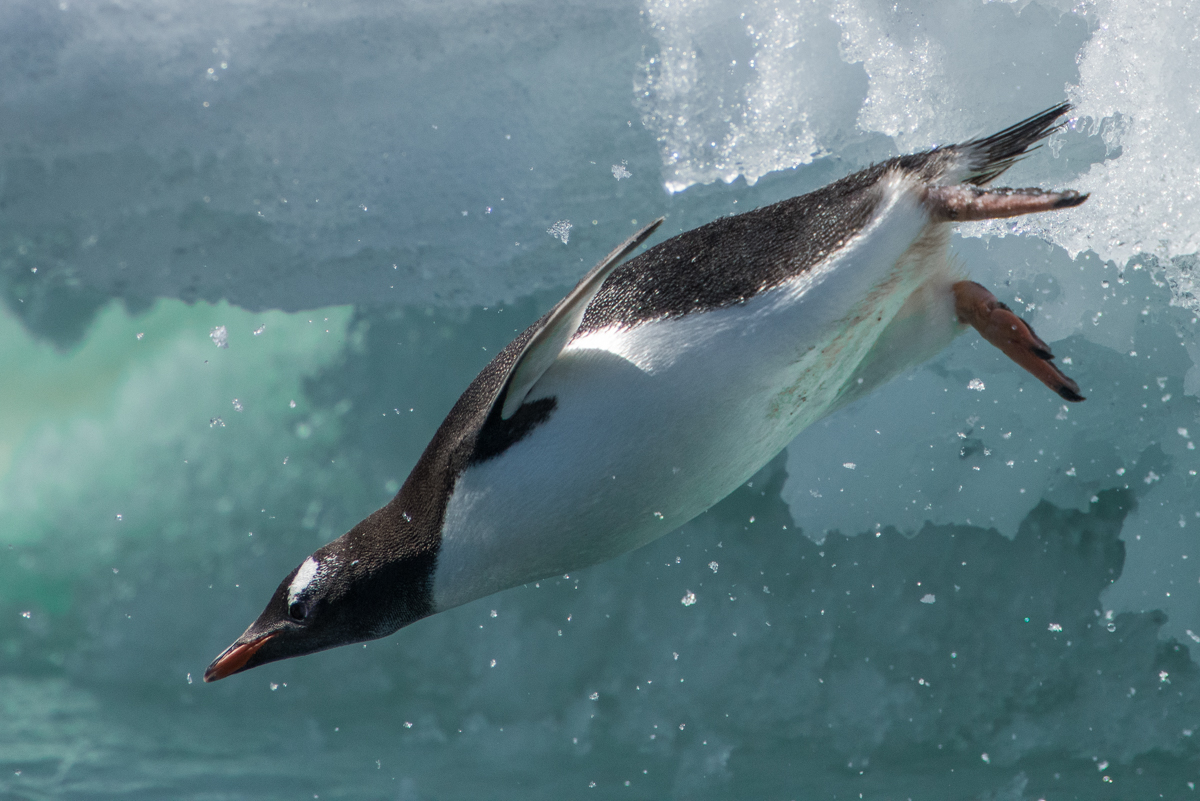
Gentoo penguin diving

Day 3-4: The Drake Passage

Sail into the Drake Passage. This wide channel separates the bottom of South America from the tip of the Antarctic Peninsula, and was named after the English explorer, Sir Frances Drake. We hope for smooth sailing through the waterway, but be prepared for possible rough seas. On-board presentations and safety briefings by the expedition team will provide you with an insight into the locations you'll be visiting.

Antarctica cruising

Days 5-8: Antarctica

Your Antarctic adventure truly begins once you have left the Drake Passage behind and the South Shetland Islands come into view, a region that has long captured the attention of explorers. Every visit to Antarctica reveals something unexpecting or new, meaning your expedition will be unlike any other – a unique and personal experience. During your time aboard the Ocean Endeavour, your expedition team and captain will scout for whales and seabirds and alert you to any new sightings. Enjoy in-depth explanations and lectures from your expedition team on the glaciology, history and wildlife of the region as you explore.

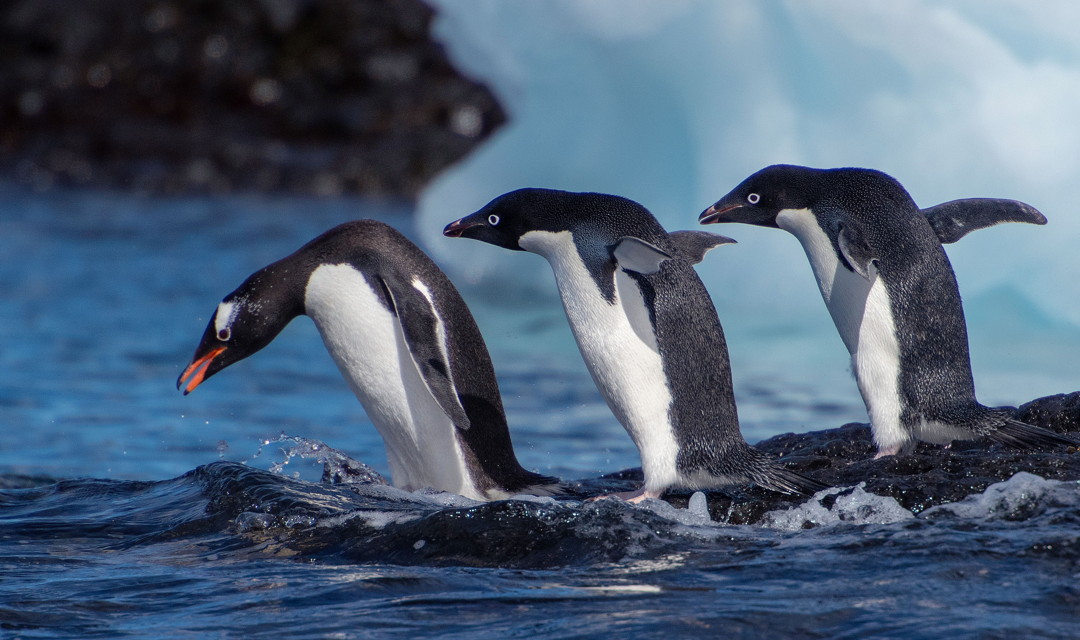
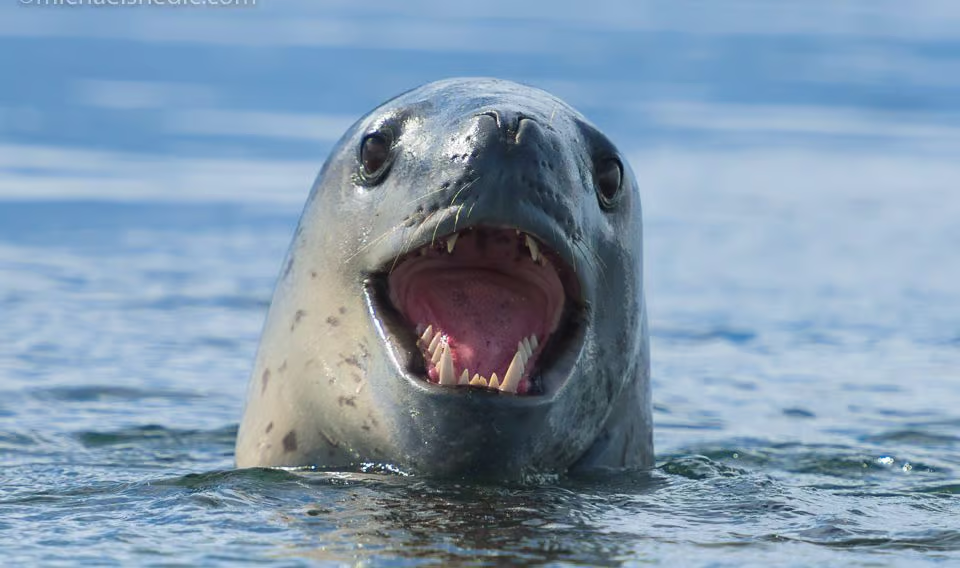
Even more exciting will be your first land excursion – something you will never forget! Daily Zodiac cruises and shore excursions take you to explore local bays, channels and landing sites with wildlife opportunities always at the forefront of your expedition team's mind. Walk on beaches dotted with penguins, visit penguin rookeries and search for southern seal species, including the fearless penguin eater, the leopard seal. Each day and each landing is different, but every day presents new photo opportunities and sightings, so it won't take long until you know the difference between an Adelie, gentoo and chinstrap penguin.

Michael will be with you every step of the way, making sure you accomplish the best possible photos from this truly wonderful photographer's paradise.

Gentoo Pengion with chick - Antarctica

Days 9-10: The Drake Passage

Wind down your Antarctic adventure with a voyage back across the Drake Passage. This is another great opportunity to look out for wildlife from the deck with a hot drink in your hand. You will also be able to attend more presentations by onboard experts focusing on the history and wildlife of the Antarctic region.

Seal encounter

Day 11: Disembarkation in Ushuaia, Argentina

You arrive in the port of Ushuaia in the morning and your expedition team will gather on the deck to farewell you as you disembark the Ocean Endeavour after breakfast. Your transfer to Ushuaia airport is included for all flights departing today.

Inclusions

  • Photography tuitionary pro photographer and tutor, Michael Snedic, throughout the expedition. This includes image review and critique throughout the trip.
  • One night's accommodation in a comfortable hotel
  • Shipboard accommodation.
  • All breakfasts, lunches and dinners onboard. Coffee, tea, cocoa available around the clock.
  • A pair of waterproof expedition boots on loan for shore landings.
  • A waterproof expedition parka is supplied on board for you to keep.
  • Emergency Evacuation Insurance (up to US$100,000) is provided to get you back to Argentina in the event of an emergency, although you will still need your own insurance (with Antarctic cover) to get you home.

Exclusions

  • Airfares and other travel expenses to/from Usuaia, Argentina.
  • Passport/visa expenses.
  • Personal/travel insurance coverage. Peregrine will discuss with you the required insurance coverage (due to the remoteness of our destination).
  • Onboard bar, laundry, and telecommunications charges. Onboard internet access is available.

Booking

If you’re considering joining us, please register via our contact form.

To ask any questions about the workshop, either:

Contact Michael via his site’s contact form or via phone at +61 408 941 965.

You might also be interested in Michael's upcoming Subantarctic Islands photography tour.

Adelie Penguin

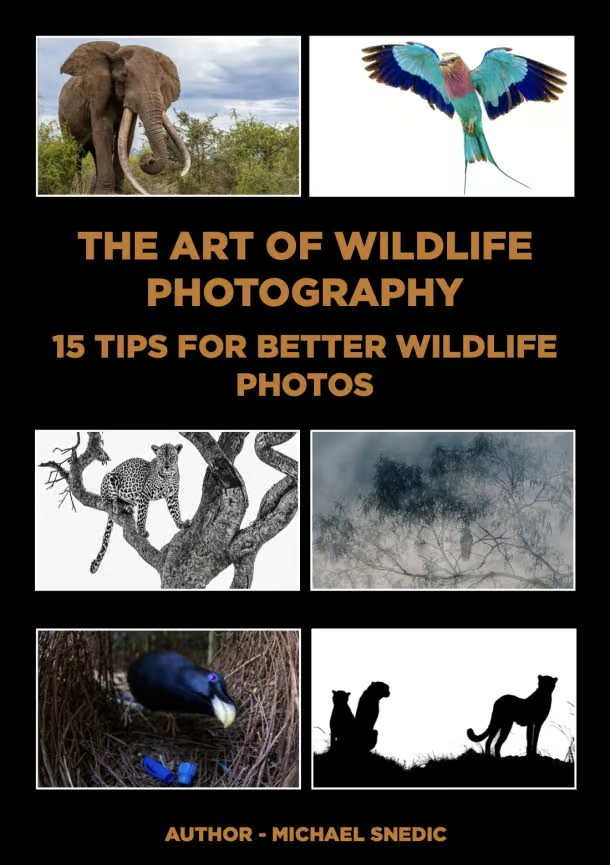
Would you like a FREE copy of my new Ebook?

Download Button

ebook The Art of Wildlife Photography by Michael Snedic July 2026 cover

You have Successfully Subscribed!