Popular Location For Wildlife Photography: The Galápagos Islands

Popular Location For Wildlife Photography: The Galápagos Islands

Iguana in Galapagos Islands

The Galapagos Islands are, without doubt, one of the most incredible locations on earth when it comes to the sheer diversity and number of wildlife. There are few places on the planet where you can get so close to the wildlife, without them scurrying off. The Galápagos Islands are, quite simply, a photographer’s paradise!

Situated nearly 1000kms from Ecuador’s coast, the Galapagos Islands were where, in the 1800s, naturalist Charles Darwin wrote his famous ‘Theory of Evolution’. There are 13 greater islands, 6 smaller islands and around 40 islet, which cover a total area of 7,850 km². Many islands have their own species and sub-species, even though they are relatively close to each other. Species waiting to be photographed included giant Galapagos tortoises, blue-footed and masked boobies, pelicans and frigate birds, as well as land and marine iguanas, sea lions, fur seals and perhaps dolphins, whales and sea turtles and much more!

The weather is pleasant most of the year round, generally ranging from 21 – 30 degrees. Every single person I have ever spoken to, who has travelled to and photographed in the Galápagos Islands, has said it’s a trip-of-lifetime. I always smile when I see people’s faces light up when they talk about this remarkable set of Islands.

On the ’12 Day Galápagos Islands Wildlife Photo Expedition’ I present, I make sure everyone is familiar with their own camera settings and wildlife photography techniques are explained in easy-to-understand terminology. Great shots (and plenty of them) are just about guaranteed :-)) On the Galápagos Islands, you generally don’t need a tripod and a very long lens to get great shots of wildlife.

For anyone interested in joining me on an incredible 12 day wildlife photo expedition of the Galápagos Islands, simply click on the link below for full details:

12 Day Galápagos Islands Wildlife Photo Expedition

If you have a passion for African wildlife, nature or travel photography and would love to go on a specialised small-number, professional African photo safari, please get in touch with Michael Snedic at WildNature Photo Expeditions. You can call him on 0408 941 965 or fill in this Contact Form and he will get back to you ASAP.

Choosing The Best Lenses For Your Next Photo Trip

Choosing The Best Lenses For Your Next Photo Trip

Photographing in Africa

After 15 years of presenting photography workshops and tours across Australia and the world, I have tutored thousands of keen photographers, all wanting to learn new photography techniques. They also wish to be taken to where the best possible wildlife sightings are and the most stunning natural locations to photograph landscapes, macro and travel photography opportunities. One question comes up regularly: “Which lens (or lenses) should I buy”?

I have answered this question hundreds upon hundreds of times, with varying answers. These answers naturally depend on the needs/wants of the photographer, his or her budget, weight carrying capabilities of the photographer and the the quality of various lenses.

Firstly, I ask people “what is your budget?”. I will then ask “what will be the main purpose of the lens i.e. wildlife, landscape, macro, portrait or a mix of all of these?”. Then, it’s a matter of going through the various lenses and focal lengths and coming up with some suggestions.

If bird photography is your main interest, then you need a lens with a decent focal length that’s not too heavy, has decent focusing speed and is sharp. The more you pay, the better the quality but often this equates to a heavier lens. It’s that compromise you have to consider.

If you are an avid landscape photographer, then a wide-angle lens is recommended. For something like seascapes, a wide-angle lens that allows filters such as graduated neutral density, is recommended. Some of the ‘ultra-wide’ lenses have a large, bulbous front, making it either impossible or very expensive to use filters. It therefore makes them impractical if you want to darken the sky and lighten the foreground, which graduated ND filters allow you to do.

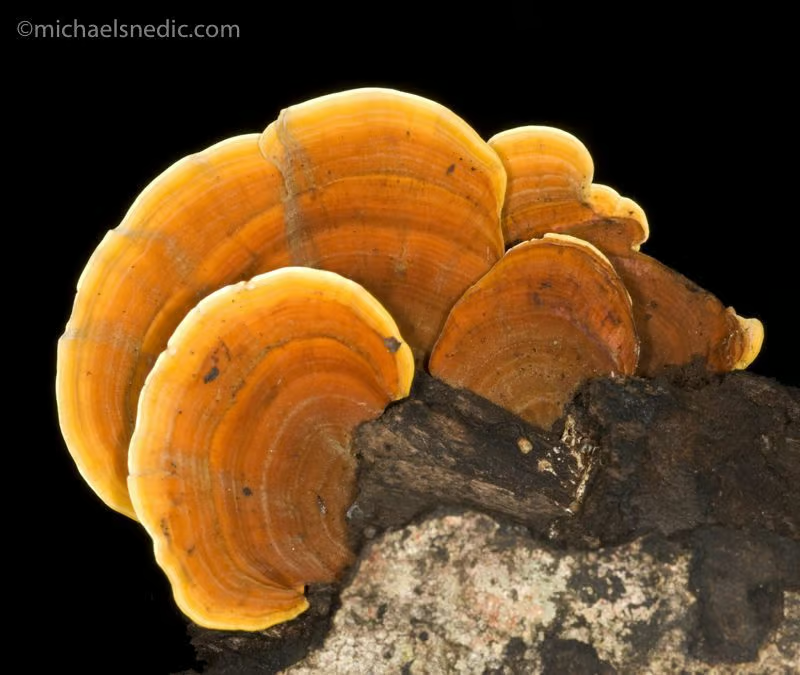
There are also many focal lengths and brands of dedicated macro lenses available on the market. They vary from 50mm to 200mm, so which one is ‘best’? The most common focal lengths on macro lenses I have seen my photo workshop and tour participants use are around 90-105mm. Theses are great lenses for an array of subjects including fungi, plants and many insects. If, however, you are more into flying and skittish insects such as dragonflies and butterflies, then a longer focal length such as 180-200mm is suggested. This way you can be further away from the insect, without scaring them away yet still fill the frame with your subject.

Whatever lens, or lenses you wish to purchase, the important thing is to do your research beforehand. Ask other photographers their thoughts on what macro lenses they are using and also check out the numerous review sites out there on the internet.

If you have a passion for African wildlife, nature or travel photography and would love to go on a specialised small-number, professional African photo safari, please get in touch with Michael Snedic at WildNature Photo Expeditions. You can call him on 0408 941 965 or fill in this Contact Form and he will get back to you ASAP.

Tips For Achieving Better Photos Of Fungi

Tips For Achieving Better Photos Of Fungi

Bracket Fungi


Without question, my favourite macro photographic subjects are fungi. They come in every imaginable shape, size, texture and colour. There are, however, pitfalls to avoid and tips to adhere to, if you want to achieve that ‘special’ shot.

#1 Pick The Best Specimen

If there are a number of individual fungi to choose from to photograph, I suggest singling out one that looks fresh and not wilted or broken. Then you can concentrate on that particular fungi to get the best shot possible.

#2 Focusing On The Leading Edge

For individual fungi, focus on the ‘leading edge’, so that the viewer’s eyes go straight to that spot. This might be the rim of the fungi head or the gills under underneath. Using manual focus will give you much more control when focusing on the leading edge.

#3 Watch Out For Distractions

Look out for distractions in the background, especially shiny leaves. If there are distractions, you may want to move them away. Alternatively, physically move around until you find the best place to photograph the fungi, without any distractions to ruin your image.

#4 Using A Small Aperture For Better Depth-Of-Field

When you find a clump of fungi, make sure you use a small aperture size (such as f22) so that you can get more of the fungi in focus. Focus on one or two of the most prominent ones and let your aperture control the depth-of-field.

#5 Extension Tubes For Closer Focus

Using extension tubes allows you to focus much closer on tiny fungi. I tend to use a tripod when using extension tubes, as the fungi is often found in a dark environment (such as a rainforest). By choosing a small aperture, hand-holding at a low shutter speeds will result in blurry images, due to a very slow shutter speed.

#6 Reflector For Added Light

Sometimes, the gills on the underside of a fungi can be quite dark. By using a portable silver reflector, you can throw natural night onto the shaded gills, to reduce the shadows. I’ve been doing this for many years and it works a treat!

If you have a passion for African wildlife, nature or travel photography and would love to go on a specialised small-number, professional African photo safari, please get in touch with Michael Snedic at WildNature Photo Expeditions. You can call him on 0408 941 965 or fill in this Contact Form and he will get back to you ASAP.
Tips for Getting Great Wildlife Behaviour Photos

Tips for Getting Great Wildlife Behaviour Photos

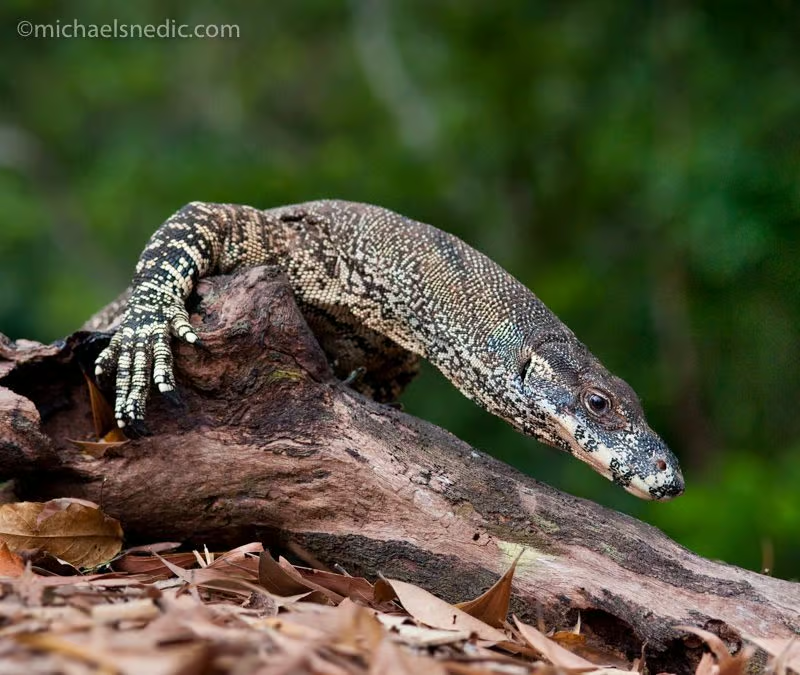
Lace Monitor

There are a number of things you can do, in order to achieve a better success rate when photographing wildlife behavior. Below are some tips and techniques I have used over many years, with great results.

#1 Observe Your Subject(s)

One of the most important factors in capturing that special wildlife behavioral ‘moment’ with your camera, is to preempt what the individual might do. It’s not always possible to know exactly what will happen, but by spending time beforehand observing the animal (or animals), you will certainly have a much greater chance of capturing that ‘once-in-a-life’ moment with your camera.

#2 Do Your Research

Before I head to a location to photograph wildlife, I always research the area beforehand. Surf the internet, talking to those who have been there before and seek out professionals in their field who can help you familiarise yourself with the area, and it’s animal. Otherwise you have no idea what species are around or where the best spots are to find them.

#3 Being in the Right Place at the Right Time

Sometimes, you can simply get ‘lucky’ when it comes to getting that unique wildlife behaviour shot. For the image featured (above), I was on an expedition ship in Svalbard, in the Arctic, presenting a photo tour. We saw a lone polar bear feeding on a seal carcus and decided to head out in zodiacs to get a closer look and take some photos. The bear was oblivious to our presence and kept feeding. Out of the corner of my eye, I saw another polar bear leaping from the ice in and out of the water, heading to the one feeding. Since the one feeding was quite full, no fighting occurred. There was bit of a growl but it let the other one in to feed. It really was a magical moment and a case of ‘being in the right place at the right time’!

#4 Plenty of Memory and Batteries Charged

When out in the field photographing wildlife, its important to make sure you have plenty of memory on your card, plus a spare. Same goes with your camera’s battery – it needs to be fully-charged before you head out and always carry a spare. Not only can the battery run out but occasionally batteries fail, so carrying a spare is paramount.

#5 Use Continuous Focus

When a wildlife subject is moving, it can be difficult to keep focus on it with your camera. I always suggest using Continuous Focus when using Autofocus (called AI Servo for Canon users). When you have locked your focus point on the subject, keep your finger depressed halfway on the shutter button and follow any movement. When you are ready, hit the shutter button, taking lots of photos. By choosing the ‘burst’ mode, you can keep your finger depressed and the shutter will fire away continually.

#6 Using a Fast Memory Card

If the memory card you are using is ‘slow’, the buffer on the camera won’t be able to keep up. You could therefore lose the opportunity to capture valuable behavioural moments on your camera. By purchasing a fast card, the buffer will be much higher and you will be able to capture many more shots in the sequence.

If you have a passion for African wildlife, nature or travel photography and would love to go on a specialised small-number, professional African photo safari, please get in touch with Michael Snedic at WildNature Photo Expeditions. You can call him on 0408 941 965 or fill in this Contact Form and he will get back to you ASAP.
11 Day Kenya Wildlife Migration Photo Safari

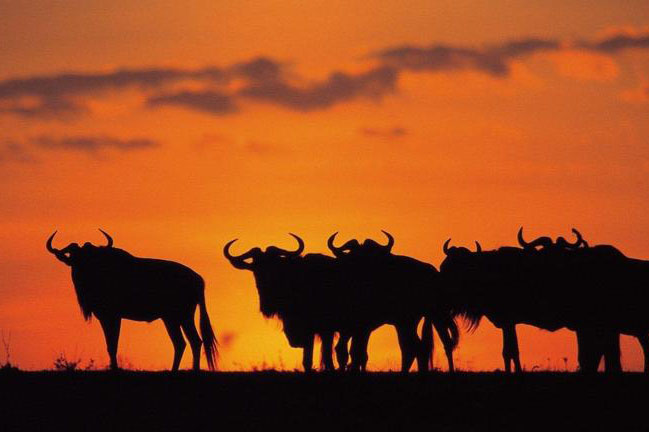
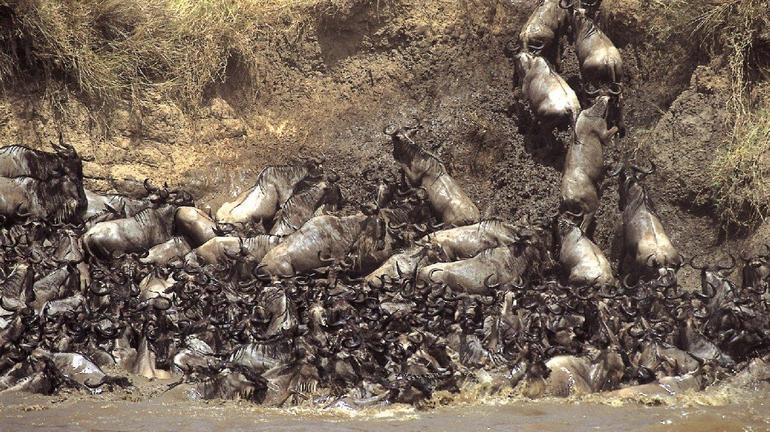
Mara Wildebeast Sunset

22nd of August to 1st of September 2018

SORRY - BOOKED-OUT! 

This is the ultimate luxury wildlife photographic safari to Kenya with time in three beautiful locations.

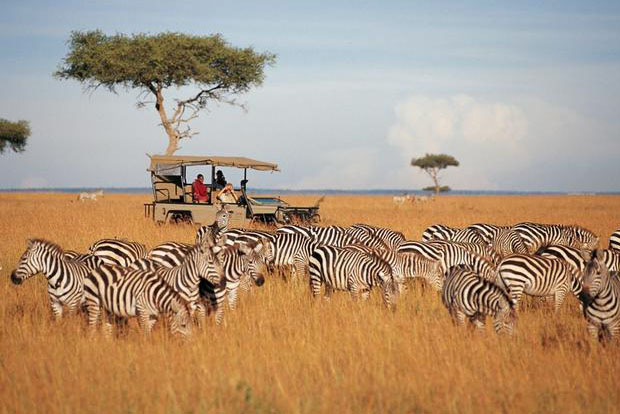
Zebra experience - Kenya, Africa

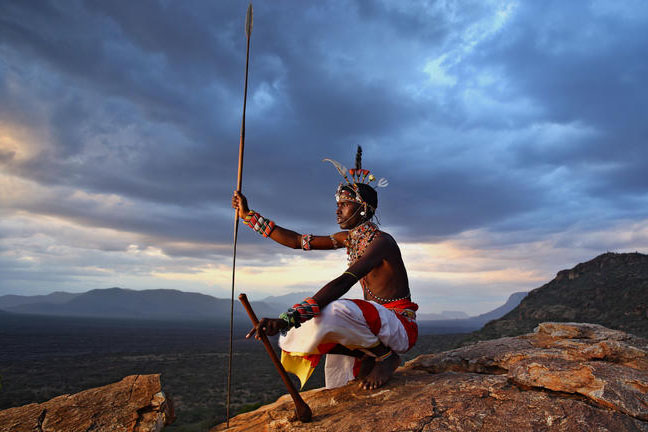
First stop in Nairobi you gather as a group. Next day you head off to the airport and from here everything is in private charter aircraft, a Cessna 208 which gives you space and 25 kilograms luggage allowance! Fly to Samburu for three nights. This mountainous region is famous for its beauty and culture. Meet local Samburu tribes, learn their culture, game drive and much more. The rest of your time will be spent on safari in the famous Masai Mara during the peak season the migration, a photographers paradise, in two very different locations. Enjoy three nights in the Masai Mara National Park on the banks the Mara River and the grand finale is having three nights in a private concession which means you get off road day and night to spend time in the savannah landscape capturing images of its residents including the big cats.

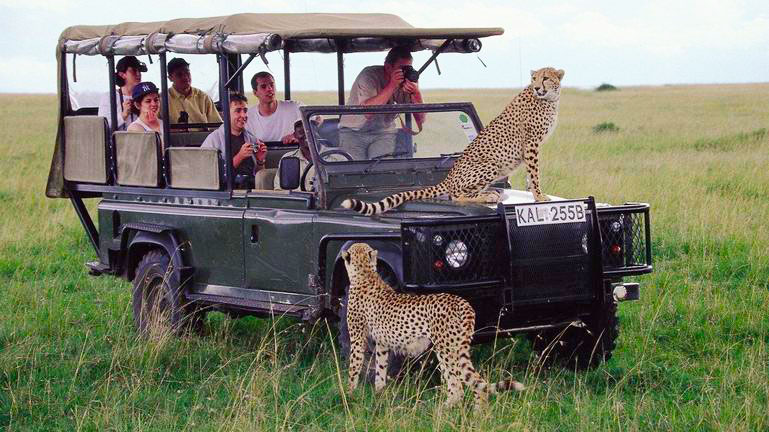
Cheetah encounter - Kenya, Africa

Contact Michael Snedic directly
on +61 408 941 965

Testimonial

I wanted to go to Africa on a photography workshop and did a fair bit of looking around. I liked the itinerary Michael Snedic’s ‘WildNature Photo Expeditions’ offered, so I booked a spot.  It turned into one of the best trips I’ve taken on many levels.  In addition to great accommodation and locations, great care had been given to taking advantage of photographic opportunities everywhere.

Most importantly, the ongoing help and tuition was superb.  Michael was available at all times, helping with technical questions as well as creative challenges. His teaching method is easy to understand and couldn’t have been more helpful.  Not only did I come away with wonderful images (much thanks to him), but a much stronger understanding of the technical side of my camera.

I’ve since gone on another workshop with Michael with the same great results.

Marylou Badeaux

Marylou Badeaux – Ferny Hills, Queensland, Australia

From beginning to end, we’ve shaped a Kenya photographic safari that is truly legendary. You will be accompanied by pro wildlife photographer and tutor, Michael Snedic and together explore three of Kenya’s finest wilderness areas. It’s a clever combination of impressive wildlife country mixed with serious safari activities and cultural interactions. Stand out service is guaranteed along with exclusivity as you travel in private aircraft from place to place.

Mara Wildebeast Crossing

Coming together as a group in Nairobi, you’ll enjoy a tour briefing with Michael over dinner. Next day you’re off on the adventure, forging a journey filled with safari surprise and some of the best opportunities to see resident predators like lions and cheetahs in action and Kenya’s colourful cultures of Samburu and Maasai. Visit three iconic properties in Samburu National Park, the Masai Mara National Park and a private concession called Mara North Conservancy for the ultimate safari finale.

Masai

Highlights include:

  • Completely unique photographic safari
  • Accompanied by Australian pro photographer and tutor, Michael Snedic, with photographic tuition and advice
  • Immersive experience with decent duration in three unique locations
  • Delicious, gourmet meals throughout
  • Fascinating and diverse wilderness areas, abundant wildlife and colourful cultures
  • Wildebeest Migration – A ‘once-in-a-lifetime’ experience’ not to be missed!
  • Transfers by private aircraft for ultimate exclusivity

Massai Warrior

To request a complete itinerary, please contact Michael Snedic via the Contact Form

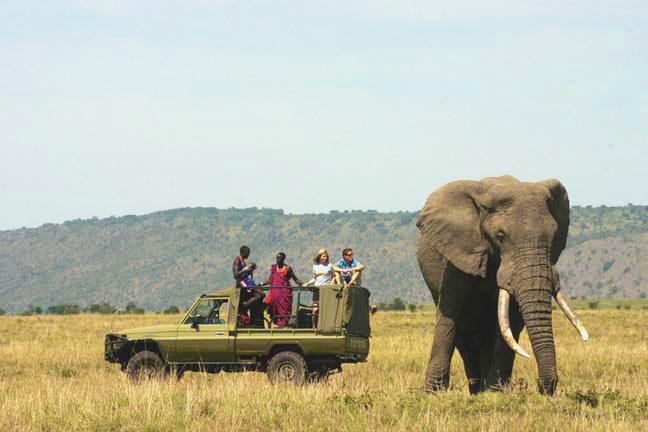
Amazing elephant experience - Kenya, Africa

Contact:

To ask any questions you may have regarding this very special photographic safari, you can contact Michael via the contact form or call +61 408 941 965

Samburu

Would you like a FREE copy of my new Ebook?

Download Button

ebook The Art of Wildlife Photography by Michael Snedic July 2026 cover

You have Successfully Subscribed!